WUU01990

The way natural elements are integrated into outdoor wedding photography in Melbourne

Integrating Natural Elements into Melbourne Outdoor Wedding Photography: Creative Techniques for Authentic Imagery

Melbourne’s outdoor landscapes—from coastal stretches to lush parks—provide a stunning backdrop for wedding photography. To create images that feel both timeless and deeply connected to the environment, photographers must skillfully incorporate natural elements into compositions. Below are practical methods to weave Melbourne’s flora, water, and terrain into portraits without overpowering the couple’s story.
wedding photography melbourne

Leveraging Flora for Frame and Texture

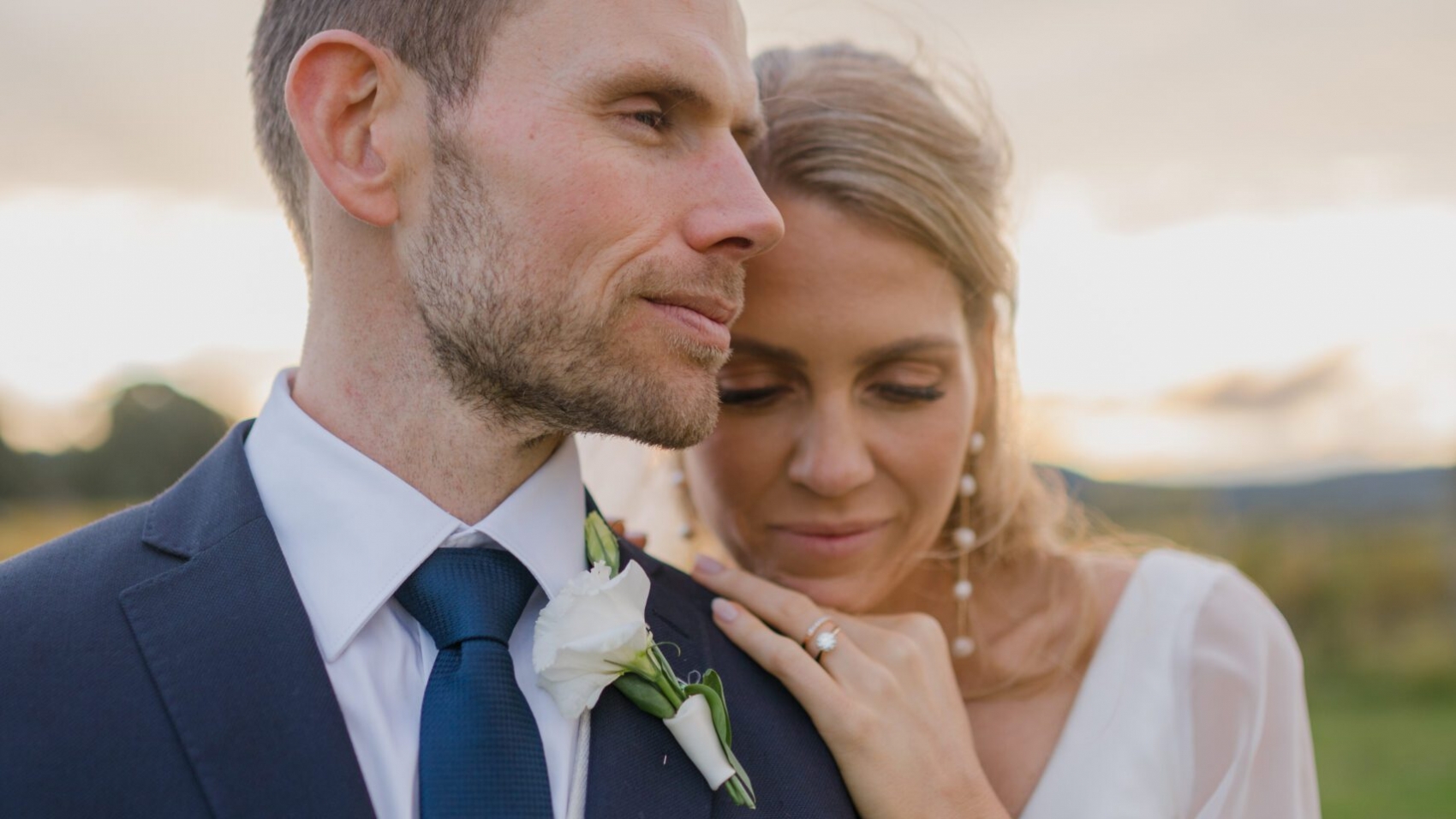
Melbourne’s parks and gardens, such as the Royal Botanic Gardens or Fitzroy Gardens, offer abundant foliage to enhance outdoor portraits. Use tree branches, flower bushes, or vines to frame the couple naturally. For example, positioning the bride and groom beneath an archway of blossoming wisteria creates a romantic, organic border that draws the eye inward. Encourage the couple to interact with the flora—a bride tucking a flower behind her ear or a groom holding a sprig of rosemary—to add personality to the shot.

Falling leaves or petals can inject movement and whimsy into static poses. During autumn in Melbourne, capture the couple standing beneath a tree as leaves drift downward, or toss dried petals manually for a controlled effect. This technique works particularly well during golden hour, when soft light highlights the textures of both the couple’s attire and the surrounding plants.

Greenery also serves as a natural filler for empty spaces in compositions. If shooting near a hedge or tall grass, have the couple kneel or sit to balance the height of the background. This approach prevents the image from feeling top-heavy while maintaining a cohesive, earthy aesthetic.

Incorporating Water for Reflection and Drama

Melbourne’s waterfront locations, including St Kilda Beach and the Yarra River, provide opportunities to use water as a dynamic element. Reflections in calm lakes or ponds can double the visual impact of a pose. Position the couple near the water’s edge, angling the camera to capture their mirrored image below. This works best during early morning or late afternoon when light is gentle and wind is minimal, ensuring still water for clear reflections.

For more energetic shots, focus on water’s movement. A bride and groom walking along the shoreline as waves gently lap at their feet creates a sense of motion and intimacy. If shooting at the beach, use a fast shutter speed to freeze droplets mid-air during a playful splash, or a slower speed to blur water into a soft, ethereal mist.

Rain is another natural element to embrace. A light drizzle can add a romantic, moody atmosphere to portraits. Use umbrellas as props, having the couple share one or hold them at an angle to catch raindrops. Alternatively, shoot through a rain-speckled window or use a protective lens filter to capture the couple laughing in the rain, emphasizing their connection despite the weather.

Using Terrain to Add Depth and Context

Melbourne’s varied terrain—from rocky cliffs to rolling hills—offers unique opportunities to ground wedding portraits in the landscape. When shooting near cliffs, such as those in Mornington Peninsula, position the couple at the edge with the ocean stretching behind them. This creates a dramatic sense of scale while highlighting the location’s natural beauty. Ensure safety by choosing stable ground and avoiding risky poses.

Hilly landscapes, like those in the Dandenong Ranges, allow for creative angling. Have the couple stand or sit on a slope, with the photographer shooting from a lower vantage point to emphasize the elevation. This technique elongates their figures and adds grandeur to the image. For flatter areas, use leading lines—such as a path winding through a field or a row of trees—to draw the viewer’s eye toward the couple.

Urban terrain, like the cobblestone streets of Degraves Street or the graffiti-covered lanes of Hosier Lane, can also serve as a backdrop. Incorporate the environment by having the couple lean against a brick wall or sit on a set of stairs, blending the natural with the man-made. This approach works well for couples seeking a mix of rustic and modern aesthetics in their photos.

Capturing Wildlife for Spontaneity and Charm

Melbourne’s outdoor spaces are often home to wildlife, from seagulls at the beach to parrots in parks. While unplanned, incorporating animals can add a touch of spontaneity to portraits. A seagull flying overhead during a beach shoot or a kookaburra perching on a nearby branch can create a memorable, candid moment. Encourage the couple to react naturally—laughing at a bird’s call or glancing upward—to capture genuine emotion.

If wildlife is scarce, use insects or plants with interesting details, like butterflies or ferns, as subtle accents. A bride’s bouquet attracting a bee or a groom’s lapel featuring a small flower can add a layer of storytelling without distracting from the couple. These details emphasize the harmony between the humans and their environment.

Timing the Shoot to Align with Natural Phenomena

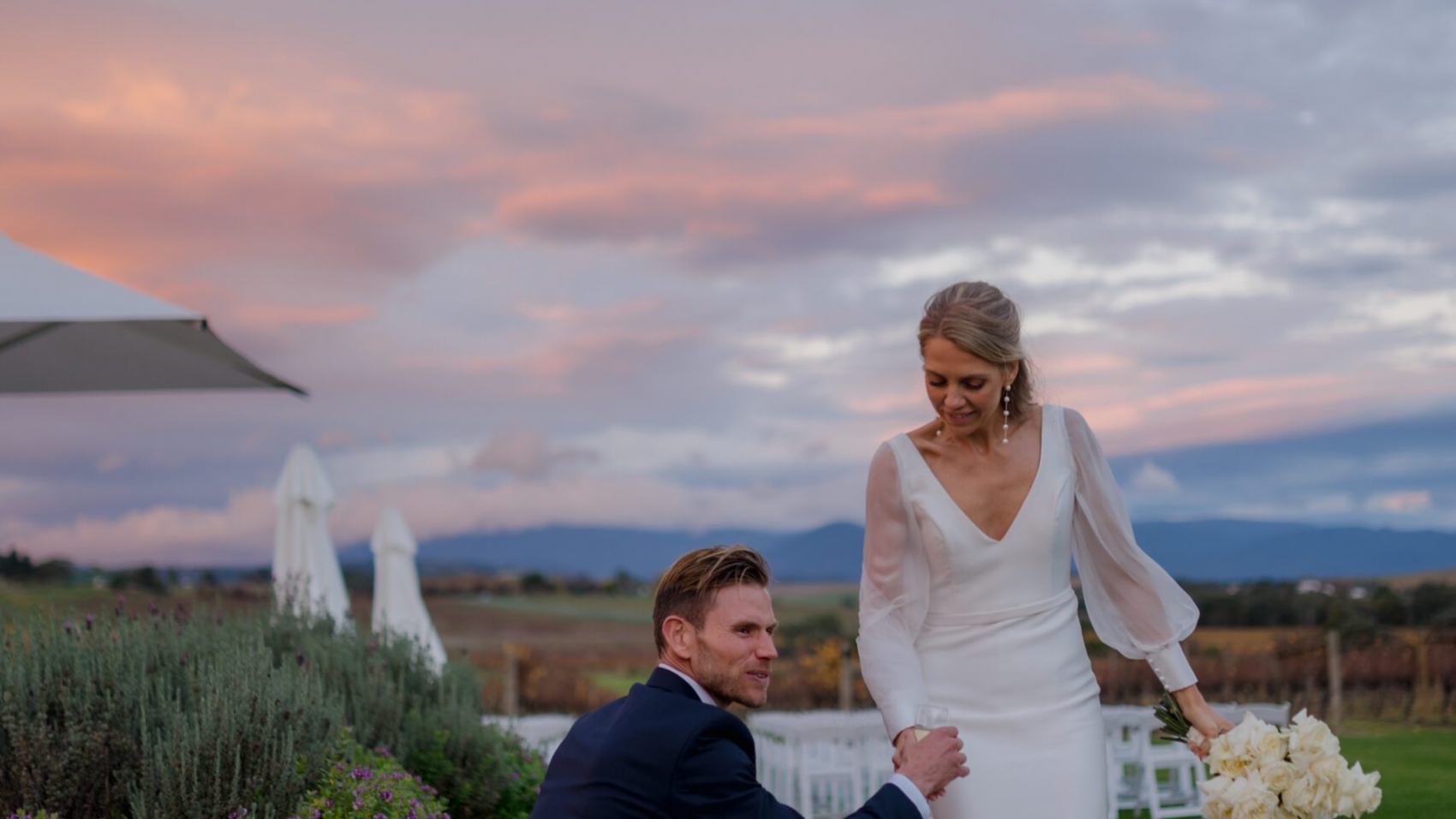
Melbourne’s ever-changing weather and light conditions offer unique photographic opportunities. Sunrise and sunset, known as golden hour, bathe scenes in warm, soft light that flatters skin tones and enhances natural colors. Schedule key portraits during these times, using the low angle of the sun to create long shadows and a golden glow.

Midday sun, while harsh for some shots, can be ideal for high-contrast images. Position the couple in shaded areas, such as beneath a tree canopy, to avoid squinting while using the bright light to highlight textures in the background. Alternatively, embrace the intensity by shooting silhouettes against a bright sky or using reflectors to bounce light onto their faces.

Fog and mist, common in Melbourne’s coastal and hilly regions, add mystery and atmosphere to portraits. Early morning shoots near the bay or in the Yarra Valley may yield ethereal conditions where the couple appears to float in a dreamlike haze. Use a wide aperture to keep the focus on the subjects while blurring the background into a soft, white veil.

By thoughtfully integrating Melbourne’s natural elements—from flora and water to terrain and wildlife—photographers can create wedding portraits that feel both rooted in place and uniquely personal. The key lies in observing the environment, adapting to its quirks, and guiding the couple to interact with their surroundings in ways that feel authentic and unforced.
WUU02194

Key points for pose guidance for indoor studio wedding photography in Melbourne

Melbourne Studio Wedding Photography Posing Guide: Essential Tips for Timeless Portraits

Studio photography in Melbourne offers a controlled environment to capture intimate, elegant wedding portraits. Unlike outdoor shoots, indoor settings allow couples to focus on expression and connection without distractions. However, mastering poses that feel natural yet polished requires understanding body language, lighting, and emotional storytelling. Below are key techniques to elevate studio posing for Melbourne’s diverse couples.

wedding photography melbourne

Creating Natural Connection Through Body Language

The foundation of compelling studio poses lies in authentic interaction between partners. Encourage couples to maintain subtle physical contact, such as holding hands, resting foreheads together, or linking arms. These gestures convey intimacy without appearing stiff. For example, a bride leaning her head on the groom’s shoulder while he wraps an arm around her waist creates a relaxed, loving dynamic.

Eye contact is equally critical. Directing couples to gaze into each other’s eyes fosters genuine emotion, but vary the intensity to avoid monotony. A soft, smiling look works for romantic shots, while a deeper, focused stare adds drama. If the couple feels self-conscious, suggest they focus on a specific feature of their partner, like the groom’s eyes or the bride’s smile, to make the connection feel more organic.

Angle and posture adjustments can also enhance connection. Positioning the couple at a slight diagonal to the camera, rather than facing it directly, creates depth and prevents flat, unflattering compositions. Have the taller partner stand slightly behind the shorter one, with their body turned toward the camera, to maintain balance and visual interest.

Playing with Light and Shadow for Dynamic Poses

Melbourne’s studio lighting setups—whether natural light from large windows or artificial sources like softboxes—offer opportunities to sculpt poses with contrast. Use light to highlight facial features and create mood. For instance, positioning the couple near a window with sheer curtains can cast a delicate, diffused glow, ideal for soft, romantic shots.

Shadows add drama when used intentionally. Place the couple so that one side of their face is illuminated while the other falls into shadow, emphasizing bone structure and emotion. A bride tilting her head slightly toward the light while the groom gazes into her eyes can create a striking interplay of light and dark.

Backlighting techniques also work well in studios. Positioning the couple with a light source behind them, such as a studio strobe, can create a halo effect around their silhouette. This approach is particularly effective for dramatic, high-contrast portraits. Encourage the couple to embrace or hold hands in front of their bodies to add texture and prevent the pose from feeling too static.

Incorporating Movement to Add Authenticity

Static poses risk appearing staged, but subtle movement can inject life into studio portraits. Start with gentle actions, like the bride adjusting her veil or the groom brushing a strand of hair from her face. These small gestures feel spontaneous and highlight the couple’s comfort with each other.

For more dynamic shots, guide the couple through slow, controlled movements. A walk-and-pause sequence, where they take a few steps toward the camera and pause to smile or laugh, can yield natural, candid frames. Alternatively, have them spin slightly in place, capturing the flow of fabrics and the joy in their expressions.

Dancing poses also work well in studios. Even without music, couples can mimic a slow dance, with the groom holding the bride’s waist and her placing a hand on his shoulder. This pose encourages fluid movement and genuine smiles, especially when photographers capture mid-laugh or a tender glance.

Using Props and Furniture to Enhance Poses

Melbourne’s studios often feature versatile props and furniture, from vintage sofas to minimalist stools. These elements provide support and context, making poses feel more natural. A bride sitting on the edge of a couch with her legs crossed, while the groom kneels beside her, creates a relaxed, conversational vibe.

Chairs and stools are particularly useful for varying heights and angles. Have the bride sit backward on a chair, resting her arms on the back, while the groom stands behind her with his hands on her shoulders. This pose elongates her neck and adds a playful, flirtatious energy. For taller couples, a step stool can help balance heights without forcing awkward postures.

Props like bouquets, hats, or signage also add personality. Encourage the bride to hold her bouquet at waist level, angled slightly away from her body, to avoid covering her dress. The groom can hold his jacket or a pocket square, adding a touch of sophistication. These details ground the poses in the wedding’s theme while keeping hands occupied naturally.

Guiding Individual Poses for Flattering Angles

While couple poses are central to wedding photography, individual shots deserve equal attention. For the bride, guide her to turn her body slightly to the side, with her shoulders down and chin tilted forward to elongate her neck. A hand on the hip or gently touching her hair adds grace without stiffness.

The groom benefits from a relaxed stance, with weight shifted to one leg and his hands in pockets or loosely by his sides. Avoid having him stand straight on, as this can appear rigid. Instead, suggest he lean against a wall or prop his elbow on a nearby surface for a casual, confident look.

Facial expressions are key in individual poses. Encourage the bride to smile softly with her eyes, avoiding a forced grin. The groom can adopt a subtle smirk or a thoughtful gaze, depending on his personality. Capturing a mix of serious and playful expressions ensures a versatile gallery.

By focusing on connection, light, movement, and context, Melbourne studio photographers can guide couples into poses that feel authentic and visually striking. The goal is to create portraits that reflect the couple’s unique bond while leveraging the studio’s controlled environment to its fullest potential.

WUU02764

The efficiency of outdoor scene switching for wedding photography in Melbourne has been improved

Streamlining Outdoor Scene Transitions for Melbourne Wedding Photography: Enhancing Efficiency Without Sacrificing Creativity

Melbourne’s diverse landscapes—from coastal cliffs to urban laneways—offer endless possibilities for outdoor wedding photography. However, switching between scenes efficiently is crucial to maximize shooting time, especially during the city’s notoriously unpredictable weather. Below are strategies to optimize transitions, ensuring couples capture every desired shot without unnecessary delays.

Pre-Shoot Planning: Mapping Locations and Logistics

Thorough pre-shoot planning is the foundation of seamless scene transitions. Begin by scouting Melbourne’s outdoor venues in advance, identifying key spots within walking distance or a short drive. For example, a ceremony at Fitzroy Gardens could transition to a portrait session in nearby Treasury Gardens, minimizing travel time. Use digital mapping tools to visualize routes and estimate walking times between locations, accounting for Melbourne’s hilly terrain or crowded streets during peak hours.

Create a prioritized shot list that groups similar scenes together. If a couple desires both urban and natural backdrops, schedule cityscape shots in the morning when light is soft, then move to parks or beaches in the late afternoon for golden-hour portraits. Communicate this timeline clearly with the couple and any assistants, ensuring everyone understands the flow and reduces on-site decision-making.

Lightweight Gear Organization: Minimizing Setup Time

Efficient gear management is critical for quick scene changes. Invest in a modular camera bag system that allows photographers to access lenses, filters, and lighting equipment rapidly. For example, keep a dedicated pouch for prime lenses used in outdoor portraits, separate from zoom lenses for dynamic shots. Labeling gear compartments or using color-coded straps can further speed up retrieval.

When shooting in Melbourne’s variable weather, prepare for sudden changes by packing waterproof covers for cameras and quick-dry cloths for lenses. If transitioning from a sunny beach to a shaded forest, adjust camera settings (such as ISO and aperture) in advance to avoid missed shots during reconfiguration. Assign an assistant to handle gear swaps, freeing the photographer to focus on composition and directing the couple.

Transportation Strategies: Navigating Melbourne’s Terrain

Melbourne’s sprawling layout demands smart transportation choices. For venues spread across suburbs like St Kilda and Brighton, consider renting a compact vehicle with ample trunk space for gear. Alternatively, use public transport for central locations like the CBD or Docklands, but account for potential delays during peak commutes.

For back-to-back shoots in the same neighborhood, such as moving from a café in Degraves Street to a nearby alleyway for street-art portraits, opt for walking or cycling. This approach not only saves time but also adds a spontaneous, local flavor to the images. If driving is unavoidable, park in centralized locations and use trolleys or rolling cases to transport gear short distances.

Wardrobe and Prop Coordination: Reducing Downtime

Smooth wardrobe and prop transitions prevent lulls during scene changes. Encourage couples to pack outfits in labeled garment bags, grouping items by location (e.g., beach attire in one bag, urban outfits in another). For props like bouquets, hats, or signage, use sturdy containers that can be carried easily between spots.

If the couple plans multiple outfit changes, schedule them strategically. For instance, a gown swap could occur during a midday break when light is harsh, allowing time for adjustments while avoiding suboptimal shooting conditions. Assign a bridesmaid or family member to manage wardrobe changes, ensuring the couple remains focused on posing and emotion.

Time-Saving Posing Techniques: Maximizing Shooting Efficiency

Efficient posing reduces the need for repeated takes, freeing up time for scene transitions. Begin with group shots to capture formal portraits early in the session, then move to couple-focused poses that require less coordination. Use natural landmarks in Melbourne’s outdoor settings—such as leaning against a historic tram or sitting on Yarra River steps—to create relaxed, authentic poses without extensive direction.

Incorporate movement to add variety quickly. A simple walk-and-talk sequence through a laneway or along the beach can yield multiple usable frames in minutes. For static poses, use a “pose, shoot, adjust” rhythm: take a few shots, tweak the couple’s positioning slightly, and repeat. This method ensures a steady flow of images while minimizing downtime.

Contingency Plans: Adapting to Melbourne’s Weather

Melbourne’s weather can disrupt even the best-laid plans, making contingency strategies essential. Monitor forecasts closely and identify backup indoor locations near primary outdoor spots. For example, if rain threatens a beach shoot, pivot to a nearby café with large windows or a heritage building with verandas.

Communicate weather-related changes promptly with the couple, explaining how adjustments will maintain the session’s flow. Use rain as an opportunity for creative shots, such as capturing reflections in puddles or using umbrellas as props. If extreme weather forces a complete relocation, prioritize scenes that align with the couple’s vision while respecting time constraints.

By integrating these strategies, Melbourne wedding photographers can navigate outdoor scene transitions with precision, ensuring couples receive a diverse, high-quality gallery without unnecessary delays. The key lies in balancing preparation with adaptability, turning logistical challenges into opportunities for unique, memorable imagery.