DSC03645

Methods for utilizing outdoor light in Melbourne wedding photography

Mastering Natural Light for Melbourne Wedding Photography Outdoor Shoots

Melbourne’s ever-changing weather and diverse landscapes demand a nuanced understanding of natural light. From golden-hour glows to overcast diffusions, mastering light manipulation ensures timeless, emotion-driven imagery. Below are key strategies for leveraging Melbourne’s unique lighting conditions.

wedding photography melbourne

Golden Hour Magic: Timing Your Session for Ethereal Results

The hour after sunrise and before sunset bathes Melbourne in a warm, directional glow, ideal for romantic portraits. In coastal areas like Brighton Beach, the low-angle sun casts elongated shadows, adding depth to colorful bathing boxes and sandy dunes. For urban settings, St Kilda Pier’s wooden planks and lighthouse silhouettes become dramatic backdrops when lit from the side.

To maximize this window:

  • Schedule sessions 30 minutes before sunset for softer contrasts.
  • Position couples facing the light source to highlight facial features while avoiding harsh shadows.
  • Use reflectors to bounce light onto darker areas, such as under chins or behind hair.

In winter, Melbourne’s shorter days mean adjusting timelines—prioritize late-afternoon shoots to capture the fleeting golden hour.

Overcast Elegance: Embracing Soft, Even Illumination

Cloudy skies transform Melbourne’s parks and gardens into natural diffusers, eliminating harsh shadows and reducing the need for artificial lighting. The Royal Botanic Gardens’ lush foliage and tranquil lakes appear vibrant yet balanced under this lighting, perfect for intimate close-ups.

Key techniques for overcast conditions:

  • Opt for lighter-colored outfits to prevent subjects from blending into muted backgrounds.
  • Use a fill flash or reflector to add subtle highlights to faces, ensuring they don’t appear flat.
  • Explore moody compositions by framing couples against darker foliage or architecture, such as the Melbourne Museum’s modernist facade.

Overcast days also allow for midday shoots without the risk of squinting or overexposure, offering flexibility in scheduling.

Backlighting Brilliance: Creating Drama with Silhouettes and Halos

Backlighting—where the primary light source is behind the subject—adds artistic flair to outdoor shoots. At Half Moon Bay, positioning couples with the ocean and sunset behind them creates striking silhouettes or glowing hair effects. Similarly, urban venues like Flinders Street Station’s arched windows can serve as dramatic backdrops when lit from behind.

To achieve this:

  • Meter for the subject’s face, exposing correctly while allowing the background to overexpose slightly for a dreamy effect.
  • Use a lens hood to prevent lens flare, or embrace it creatively by positioning the sun partially obscured by foliage or architecture.
  • For added definition, combine backlighting with a reflector or fill flash to illuminate facial details.

In windy conditions, such as along the Yarra River, backlighting can emphasize movement in flowing dresses or veils, adding dynamism to static poses.

Dynamic Weather Adaptations: Making the Most of Melbourne’s Climate

Melbourne’s infamous “four seasons in one day” requires adaptability. Sudden cloud cover can soften harsh midday sun, while brief sunbreaks offer opportunities for quick, high-contrast shots. For example, a rain shower at the Melbourne Zoo’s rainforest exhibit can create reflective surfaces, enhancing the lush greenery’s vibrancy.

Practical adjustments include:

  • Carrying portable diffusers or umbrellas to manage unexpected sunlight.
  • Scouting locations with natural windbreaks, like the Melbourne Cricket Ground’s covered walkways, to stabilize hair and fabric.
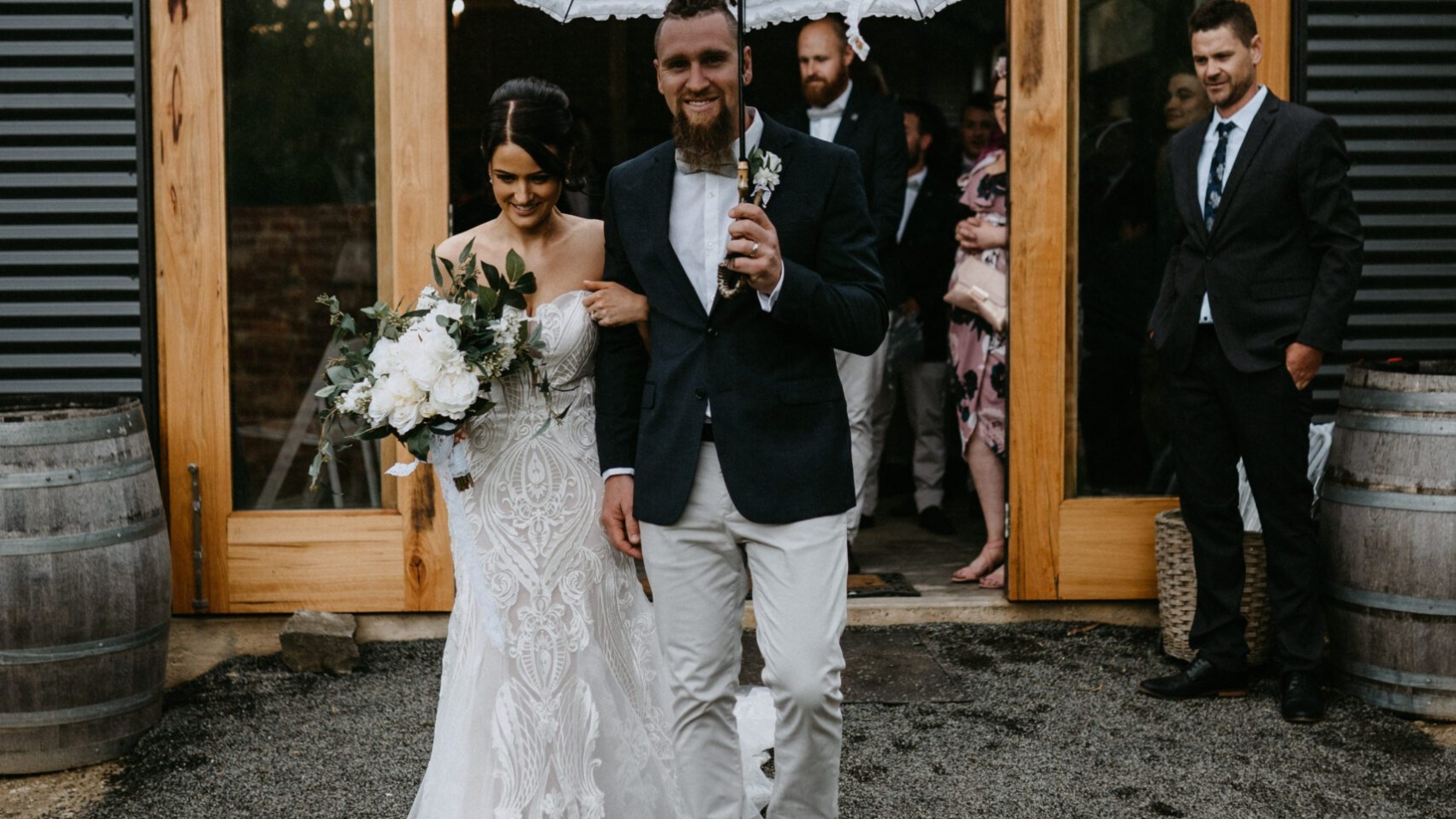
  • Using rain as a creative tool—capturing couples under shared umbrellas or reflecting cityscapes in puddles for a unique perspective.

By staying flexible, photographers can turn unpredictable weather into a storytelling asset, adding authenticity to the narrative.

Final Thoughts
Melbourne’s outdoor wedding photography thrives on understanding and manipulating natural light. Whether harnessing the golden hour’s warmth, embracing overcast softness, or crafting drama with backlighting, each approach requires technical precision and artistic vision. By adapting to the city’s dynamic climate and leveraging its iconic landscapes, photographers can create images that resonate with emotion and timeless elegance.
DSC05811

Principles for interior background matching in Melbourne wedding photography

Melbourne Wedding Photography Indoor Backdrop Styling Principles: Creating Timeless Elegance

Melbourne’s diverse interior spaces—from heritage-listed ballrooms to minimalist studios—offer endless possibilities for wedding photography backdrops. The key to achieving memorable images lies in harmonizing textures, lighting, and personal themes. Below are principles to guide couples in selecting and styling indoor settings that reflect their unique love story.

wedding photography melbourne

Classic Elegance: Timeless Textures and Neutral Palettes

For couples drawn to sophistication, spaces with neutral color schemes and luxurious textures provide a versatile canvas. Venues like the Melbourne Town Hall or The Langham’s Grand Ballroom feature marble floors, ornate moldings, and chandeliers that exude refinement. These elements work seamlessly with both traditional and modern attire, allowing the couple’s outfits to take center stage.

Pairing soft, muted tones—such as ivory, champagne, or blush—with metallic accents (gold, silver, or rose gold) creates a balanced aesthetic. For example, a bride in a lace gown might stand against a textured stone wall, while the groom’s navy suit complements the venue’s gold detailing. Incorporating vintage furniture, like a tufted velvet sofa or an antique mirror, adds depth without overwhelming the scene.

Lighting plays a pivotal role in classic settings. Natural light streaming through large windows, as seen in venues like The Arts Centre Melbourne, softens features and highlights intricate details. When shooting later in the day, consider using candlelight or fairy lights to create a warm, intimate ambiance.

Modern Minimalism: Clean Lines and Bold Contrasts

Couples seeking a contemporary look often opt for spaces with geometric shapes and monochromatic palettes. Studios with exposed brick, concrete floors, or industrial ceilings—such as those found in Collingwood’s converted warehouses—offer a blank slate for creative expression. These venues thrive on simplicity, allowing bold accessories or vibrant bouquets to pop against neutral backgrounds.

To avoid monotony, introduce textural contrasts. A sleek white wall can be enhanced with a textured rug or a metallic sculpture. Similarly, pairing a minimalist backdrop with a statement piece—like a dramatic floral installation or a neon sign with the couple’s initials—adds personality without clutter.

Lighting in modern spaces should emphasize structure. Directional spotlights can highlight architectural features, while colored gels might infuse energy into the scene. For a softer approach, sheer curtains diffuse harsh light, creating a dreamy effect perfect for romantic portraits.

Cultural Heritage: Blending Tradition with Personal Touches

Melbourne’s multicultural identity is reflected in venues like The Chinese Museum or The Greek Orthodox Cathedral, which offer rich cultural backdrops. When incorporating heritage elements, balance authenticity with personalization. For instance, a couple with Italian roots might pose in a venue with Tuscan-inspired décor, using a family heirloom—such as a lace veil or vintage jewelry—to bridge the past and present.

Color symbolism is crucial in cultural settings. Red and gold dominate Chinese weddings, symbolizing luck and prosperity, while white and silver are preferred in Western traditions. Work with your photographer to ensure the backdrop’s hues complement rather than compete with your attire.

Accessories can deepen the narrative. A Moroccan-themed shoot might include intricately patterned rugs or brass lanterns, while a Scandinavian-inspired space could feature minimalist wood furniture and hygge-style lighting. The goal is to create a scene that feels both intentional and organic.

Personalized Themes: Telling Your Story Through Décor

Beyond aesthetics, indoor backdrops should reflect the couple’s shared interests or journey. A music-loving pair might choose a venue with a grand piano or vinyl record displays, while bookworms could opt for a library-inspired setting with floor-to-ceiling shelves. These thematic elements transform generic spaces into meaningful stages.

Sentimental props add layers to the narrative. Displaying photographs from your relationship, letters exchanged over time, or mementos from shared travels creates a visual timeline. Even small details—like a custom neon sign with your wedding date or a quilt made by family members—can anchor the images in emotion.

Collaborate with your photographer to ensure cohesion. A professional can suggest ways to integrate themes without overwhelming the frame, such as using a single prop as a focal point or scattering subtle nods throughout the scene.

Lighting and Composition: Enhancing Mood and Depth

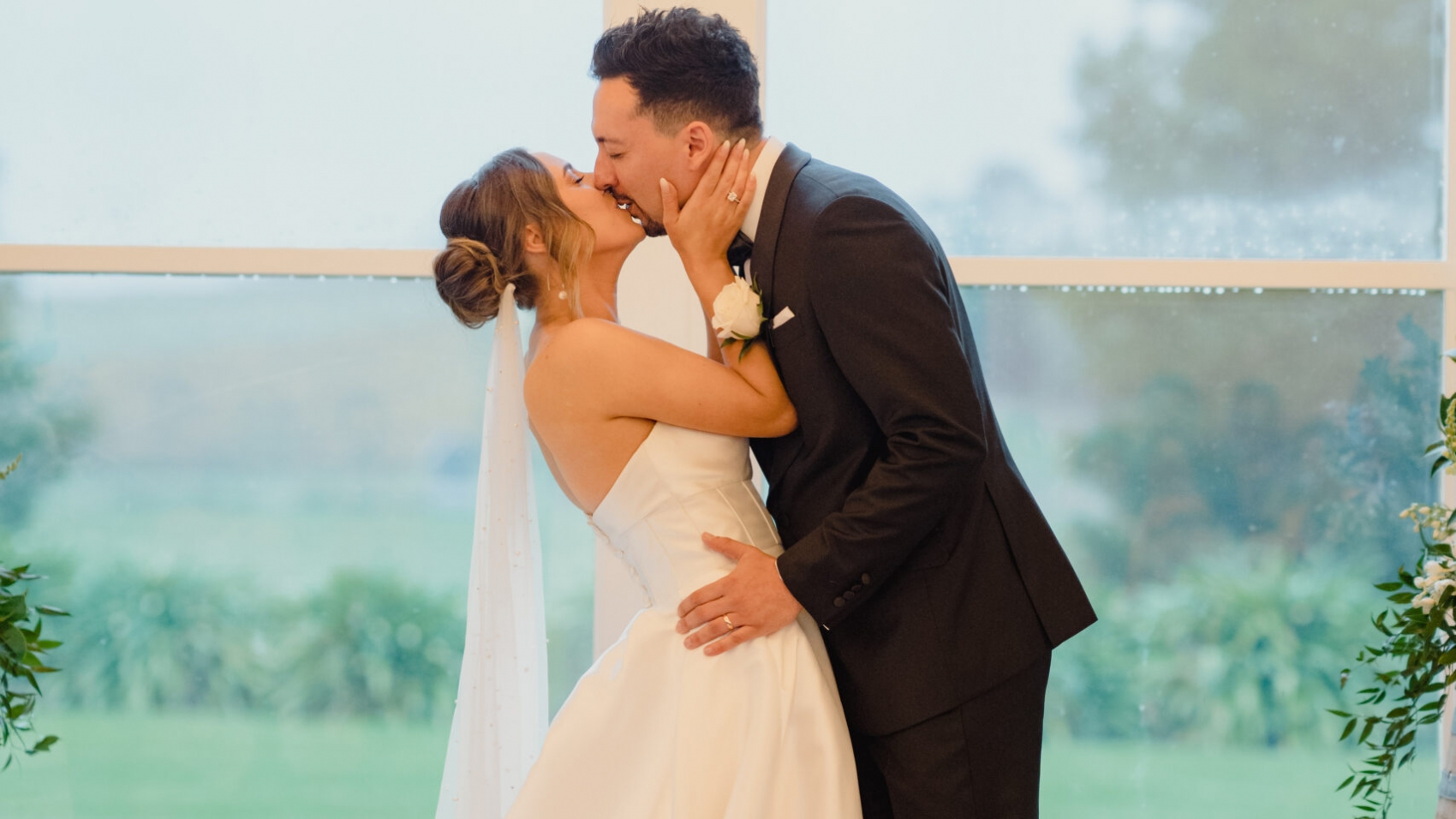
Regardless of the backdrop, lighting and composition dictate the photograph’s emotional tone. Soft, diffused light works best for romantic shots, minimizing harsh shadows and highlighting skin tones. Venues with large skylights or north-facing windows, like The National Gallery of Victoria, naturally provide this effect.

For dramatic portraits, experiment with backlighting or silhouettes. Positioning the couple near a window or using artificial light to create a rim effect adds depth and mystery. In smaller studios, reflectors or off-camera flashes can mimic natural light, ensuring consistency across shots.

Composition should guide the viewer’s eye. Use leading lines—such as staircases, arches, or furniture arrangements—to draw attention to the couple. Framing techniques, like shooting through a doorway or using foliage, add context and intrigue.

By thoughtfully combining aesthetics, culture, and personal touches, couples can craft indoor wedding photography that resonates long after the ceremony. Melbourne’s eclectic venues provide the perfect stage to tell your story—one frame at a time.

80883-Wu-1097

Criteria for choosing outdoor locations for wedding photography in Melbourne

Melbourne Wedding Photography Outdoor Venue Selection Criteria: A Guide to Scenic Backdrops

Melbourne, renowned for its blend of Victorian-era architecture and modern urban landscapes, offers a diverse range of outdoor venues for wedding photography. From historic landmarks to natural wonders, each location provides unique visual elements that can elevate your wedding album. Below are key considerations for selecting the perfect backdrop for your special day.

wedding photography melbourne

Architectural Grandeur: Timeless Elegance in Urban Settings

Melbourne’s cityscape is dotted with iconic buildings that serve as dramatic settings for wedding portraits. The St. Patrick’s Cathedral, with its Gothic spires and intricate stone carvings, creates a solemn yet romantic atmosphere, especially during golden hour when sunlight filters through stained-glass windows. Nearby, the Parliament House exudes neoclassical charm, its grand columns and manicured gardens offering a regal frame for couples. For a fusion of old and new, the Eureka Skydeck 88 provides panoramic views of the city skyline, ideal for capturing sweeping vistas at sunset.

Urban alleys like Hosier Lane and Croft Alley cater to those seeking artistic flair. These ever-changing涂鸦 (graffiti) corridors feature vibrant murals that transform with each season, ensuring no two photo sessions are alike. The dynamic colors and abstract patterns contrast beautifully with formal attire, adding a contemporary edge to traditional wedding photography.

Coastal & Natural Landscapes: Serenity by the Sea

Melbourne’s coastline stretches along Port Phillip Bay, offering serene beaches and rugged cliffs for outdoor shoots. Brighton Beach, famous for its colorful bathing boxes, provides a playful, Instagram-worthy setting. The wooden huts, painted in pastel hues, create a whimsical backdrop for candid moments. For a more dramatic scene, Half Moon Bay’s rocky shoreline and tidal pools offer moody textures, particularly during low tide when tidal formations are exposed.

Further afield, the Mornington Peninsula boasts landscapes ranging from rolling vineyards to secluded coves. The London Bridge rock formation and Cape Schanck Lighthouse are popular choices for couples seeking isolation and natural beauty. The peninsula’s microclimates also allow for seasonal variations—spring wildflowers, autumn foliage, or winter mist—each adding a distinct mood to photographs.

Historic & Cultural Sites: Storytelling Through Heritage

Melbourne’s rich history is preserved in landmarks that double as storytelling tools. The Royal Exhibition Building, a UNESCO World Heritage Site, combines neoclassical and Renaissance Revival styles, its vast halls and domed ceiling ideal for grand, formal portraits. Similarly, the State Library Victoria’s grand reading room, with its mosaic floors and towering bookshelves, offers an intellectual yet romantic ambiance.

For a touch of whimsy, the Palais Theatre in St Kilda provides a vintage cinema aesthetic. Its Art Deco façade and ornate interiors, recently restored to their former glory, evoke a sense of old-world glamour. Couples can pose under its marquee or inside the auditorium, where chandeliers and balconies create a theatrical setting.

Practical Considerations: Lighting, Accessibility, and Permits

While aesthetics are paramount, logistical factors cannot be overlooked. Lighting plays a critical role—coastal venues like St Kilda Pier benefit from soft, diffused light at dawn, while urban sites like Flinders Street Station shine under artificial glow at night. Accessibility is another concern; venues like the Yarra Valley’s wineries require travel but reward with secluded vineyards, whereas city-center locations like Federation Square offer convenience for guests.

Lastly, permits may be necessary for certain venues, especially those with historical or cultural significance. The Victoria Barracks, for instance, restricts photography during office hours, while national parks like the Great Ocean Road require booking slots to avoid crowds. Researching regulations in advance ensures a smooth shoot without interruptions.

By balancing visual appeal with practicality, couples can curate a wedding photography experience that captures Melbourne’s essence—a city where history, nature, and modernity coexist harmoniously. Whether framed by colonial architecture or coastal waves, each venue tells a story as unique as the love it celebrates.