80900-WU-696

Preparations for scouting the location for wedding photography in Melbourne

Key Preparations for Scouting Melbourne Wedding Photography Locations

Melbourne’s diverse landscapes—from coastal vistas to historic architecture—offer endless possibilities for wedding photography. However, each venue presents unique challenges that require careful planning. Proper scouting ensures the shoot runs smoothly, captures the couple’s vision, and adapts to Melbourne’s unpredictable weather. Below are essential steps to prepare for a successful location scout.

wedding photography melbourne

Researching and Shortlisting Potential Venues

Understanding the Couple’s Aesthetic Preferences
Begin by discussing the couple’s desired theme and mood. Do they envision a romantic, rustic look in a vineyard like the Yarra Valley, or a modern, urban vibe in a warehouse district like Collingwood? Align venue choices with their style—e.g., a beach wedding at St Kilda for a laid-back feel, or a grand ballroom at the Royal Exhibition Building for elegance.

Assessing Accessibility and Logistics
Consider how easy it is to transport equipment and the wedding party to the location. Remote venues (e.g., Mornington Peninsula) may require additional planning for parking, restrooms, and shade. For elderly guests or bridesmaids in elaborate dresses, check for steps, uneven terrain, or long walking distances.

Checking Permits and Restrictions
Many Melbourne venues, especially public parks (e.g., Fitzroy Gardens) or heritage sites, require permits for professional photography. Verify rules regarding tripod use, drone flights, or commercial shoots. Some locations may limit hours of operation or prohibit certain props (e.g., sparklers, confetti).

Evaluating Lighting and Weather Conditions

Natural Light Patterns Throughout the Day
Visit the venue at the same time of day as the planned shoot to observe how sunlight interacts with the space. Morning light at Brighton Beach may cast soft golden hues, while midday sun at a downtown alley could create harsh shadows. For indoor venues, note the placement of windows and artificial lighting to plan for supplemental flashes or reflectors.

Weather Contingency Plans
Melbourne’s reputation for “four seasons in one day” demands backup strategies. Identify nearby sheltered areas (e.g., covered verandas, arcades) for sudden rain. If the venue lacks protection, consider renting a marquee or rescheduling outdoor segments. For windy locations (e.g., Docklands), secure veils, hats, or lightweight props with clips or weights.

Seasonal Considerations for Aesthetics
The time of year affects both the look of the venue and the comfort of the couple. Autumn foliage in Royal Park adds warmth to photos, while winter sunsets at Williamstown Pier may require longer exposure times. Summer shoots demand hydration stations and shade breaks, especially for guests in formal attire.

Identifying Photogenic Spots and Composition Opportunities

Architectural and Natural Features
Look for unique elements that frame the couple or add depth to shots. A grand staircase at Parliament House, textured brick walls in Degraves Street, or a row of eucalyptus trees in a suburban park can serve as striking backdrops. Prioritize spots that offer variety—close-ups, wide angles, and dynamic movement.

Crowd Management and Privacy
Popular venues like Flinders Street Station or Queen Victoria Market may attract onlookers. Scout quieter corners or off-peak times to avoid interruptions. For intimate shots, consider private gardens or rented studios as alternatives. Communicate with venue staff to reserve exclusive areas if possible.

Practicality for Group Shots
Ensure there’s enough space for the wedding party to pose comfortably. A narrow laneway might work for a couple’s portrait but could feel cramped for a full-family photo. Test focal lengths and lens choices during the scout to determine the best vantage points for large groups.

Coordinating with Vendors and the Wedding Party

Communication with Florists and Stylists
Share venue photos with the florist to align bouquet sizes and colors with the surroundings. For example, a beach venue may call for lighter, airy arrangements, while a historic mansion suits lush, dramatic blooms. Stylists should know the terrain to avoid high heels sinking into sand or grass.

Transportation and Timing Logistics
Calculate travel time between venues if the shoot involves multiple locations. Factor in Melbourne’s traffic, especially during peak hours or events like the Australian Open. Provide the couple with a detailed itinerary, including buffer time for unexpected delays (e.g., flat tires, wardrobe malfunctions).

Photographer-Venue Collaboration
Discuss technical needs with the venue manager, such as power outlets for lighting equipment or permission to drill holes for backdrops. Some historic sites restrict modifications, so bring portable solutions like clamps or sandbags. Share a shot list with the photographer to prioritize must-have locations during the scout.

By addressing these details, Melbourne wedding photography teams can transform potential challenges into creative opportunities. Thorough scouting ensures the couple’s vision comes to life, regardless of weather or logistical hurdles, resulting in timeless images that reflect Melbourne’s unique charm.
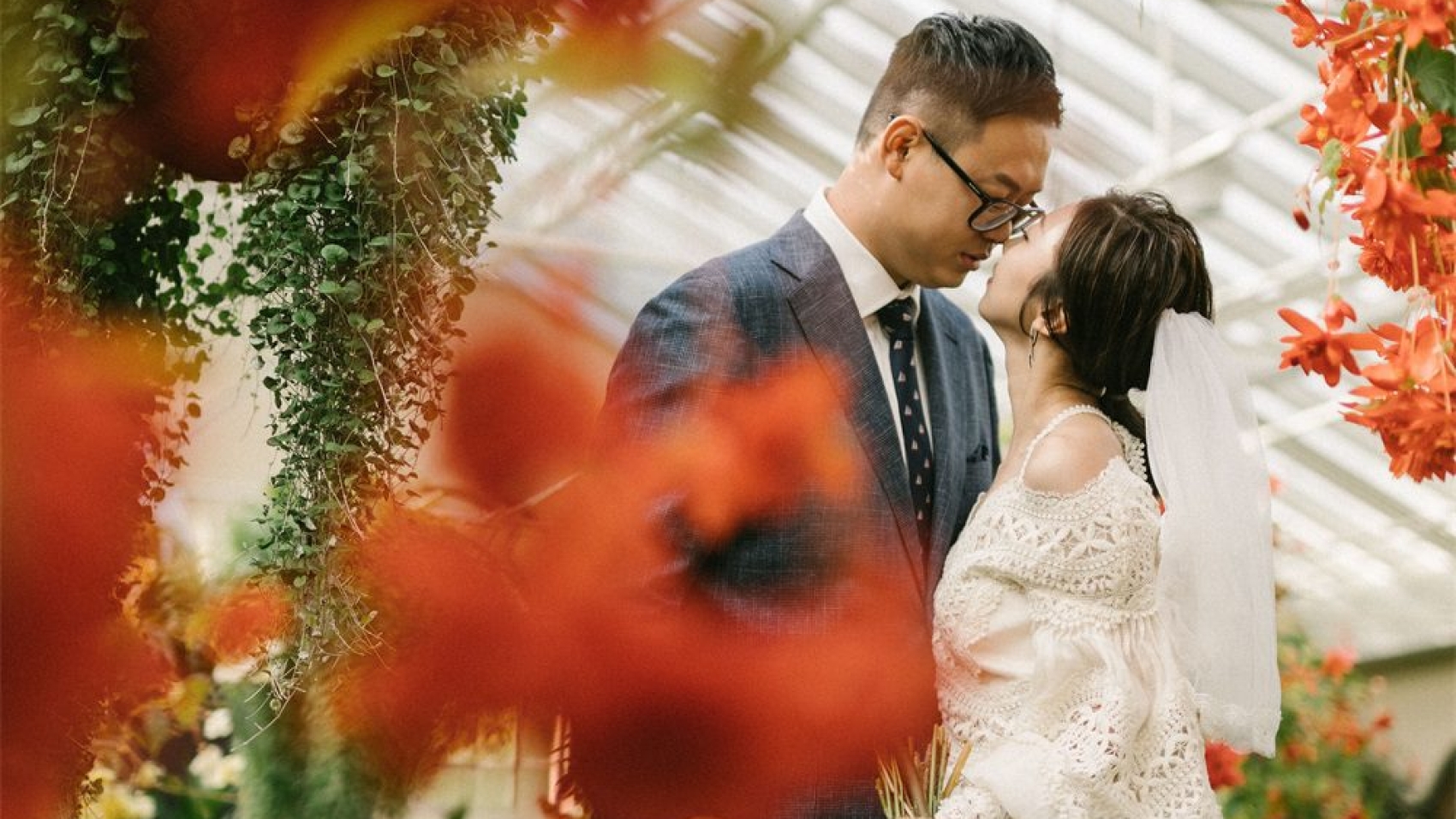
WUU00578

Preparations for makeup and base makeup for newlyweds in Melbourne wedding photography

Essential Preparations for Melbourne Wedding Photography Bridal Makeup Base

Melbourne’s unpredictable weather and diverse wedding settings—from coastal ceremonies to urban rooftop receptions—demand a flawless, long-lasting makeup base. Proper preparation ensures the bride’s complexion stays radiant and photogenic throughout the day. Below are critical steps to achieve a picture-perfect foundation.

wedding photography melbourne

Understanding Melbourne’s Climate and Skin Needs

Seasonal Skincare Adjustments
Melbourne’s four seasons in one day require adaptable skincare routines. For summer weddings, focus on lightweight, oil-free moisturizers to prevent shine during outdoor shoots at Brighton Beach. Winter ceremonies in venues like the Royal Exhibition Building may call for richer hydrators to combat dry indoor heating. Encourage the bride to start a hydrating serum routine 4–6 weeks before the wedding to strengthen her skin barrier.

Humidity and Wind Considerations
Coastal venues like St Kilda can be humid, causing makeup to melt. Opt for water-resistant primers and setting sprays to lock in the base. Conversely, windy locations (e.g., Docklands) may dry out the skin, so include a hydrating mist in the touch-up kit. Advise the bride to avoid heavy creams on the day, as they can slip under foundation in humid conditions.

Allergy and Sensitivity Testing
Melbourne’s floral-heavy weddings (e.g., Royal Botanic Gardens) may expose the bride to pollen or fragrances. Test all makeup products on a small patch of skin 48 hours before the wedding to rule out reactions. Choose hypoallergenic, fragrance-free formulas for sensitive skin, especially if the bride has a history of eczema or rosacea.

Pre-Wedding Skincare and Makeup Prep

Consistent Skincare Routine
Encourage the bride to follow a gentle, consistent routine leading up to the wedding. This includes:

  • Cleansing: Use a pH-balanced cleanser morning and night to remove impurities without stripping natural oils.
  • Exfoliation: Limit physical scrubs to once a week; instead, opt for chemical exfoliants (e.g., AHAs/BHAs) 2–3 times weekly to smooth texture.
  • Hydration: Layer a hydrating serum under moisturizer to plump the skin and create a smooth canvas for foundation.

Primer Selection for Longevity
Choose a primer based on the bride’s skin type and the wedding environment. For oily skin, a mattifying primer with silica or clay will control shine. Dry skin benefits from a hydrating, dewy primer with hyaluronic acid. If the wedding includes both indoor and outdoor settings, a blurring primer can minimize pores and create a soft-focus effect in photos.

Color Matching and Undertone Analysis
Work with the bride to identify her undertone (cool, warm, or neutral) under natural light. Test foundation shades on her jawline, not the wrist, to ensure a seamless match. Consider the lighting at the venue—warm indoor lights may require a slightly cooler shade, while daylight demands a true-to-skin tone. Always blend foundation down the neck to avoid harsh lines.

On-the-Day Makeup Application Techniques

Layering for Buildable Coverage
Start with a sheer layer of foundation and build coverage gradually, focusing on areas with redness or discoloration. Use a damp beauty sponge to press the product into the skin for a natural finish. For blemishes, apply a color-correcting concealer (green for redness, peach for dark circles) before foundation to reduce the need for heavy layering.

Setting Strategies for All-Day Wear
After foundation, apply a loose, translucent setting powder to oil-prone areas (T-zone, under eyes) using a fluffy brush. For a dewy look, skip powder on the cheeks and opt for a hydrating setting spray instead. To combat Melbourne’s humidity, use a “baking” technique—press powder under the eyes and let it sit for 5 minutes before dusting away excess.

Touch-Up Kit Essentials
Pack a compact touch-up kit for the photographer and bride to use during breaks. Include:

  • Blotting Sheets: To absorb oil without disturbing makeup.
  • Travel-Sized Setting Spray: For mid-day refreshment.
  • Concealer Pen: For quick coverage of blemishes or redness.
  • Lip Color: A long-wearing formula in the bride’s chosen shade.

Collaboration with Photographers and Stylists

Lighting Considerations
Discuss the venue’s lighting setup with the photographer beforehand. Natural light venues (e.g., gardens) may require a lighter hand with foundation, while indoor settings with harsh overhead lights might need more coverage. Test makeup under similar lighting conditions during the trial run.

Hair and Makeup Timing Coordination
Schedule makeup application 2–3 hours before the ceremony to allow time for adjustments. If the bride plans multiple outfit changes, ensure her base makeup can transition seamlessly (e.g., a matte finish for daytime shots and a dewy glow for evening receptions).

Photographer Feedback on Visibility
Share reference photos with the makeup artist to highlight the bride’s desired look. For example, if the couple wants a “no-makeup” aesthetic, focus on enhancing skin texture rather than masking it. The photographer can provide insights on how makeup translates on camera, such as whether shimmer products catch light too harshly in flash photography.

By prioritizing skin health, climate-appropriate products, and collaboration, Melbourne wedding photography teams can ensure the bride’s makeup stays flawless from the first kiss to the last dance. Attention to detail in the base layer creates a canvas that enhances her natural beauty and withstands the demands of a dynamic wedding day.

WUU00471

Preparations for trying on and adjusting wedding photography clothing in Melbourne

Key Preparations for Melbourne Wedding Photography Wardrobe Fittings and Adjustments

Melbourne’s unpredictable weather and diverse wedding venues demand meticulous attention to attire during photography sessions. Proper preparation ensures garments fit flawlessly, enhance comfort, and align with the couple’s vision. Below are essential steps to streamline the process.

wedding photography melbourne

Understanding Melbourne’s Climate and Venue Requirements

Seasonal Considerations for Fabric Choices
Melbourne’s four seasons in one day require versatile fabrics. For summer weddings, lightweight materials like chiffon or organza prevent overheating during outdoor shoots at St Kilda Beach. Winter ceremonies in historic venues like Como House may call for heavier satin or velvet to retain warmth. Always check the forecast a week in advance and advise couples to pack layers or shawls for unexpected temperature drops.

Venue-Specific Dress Codes
Some Melbourne locations impose attire restrictions. For example, shooting at the Melbourne Cricket Ground may require closed-toe shoes for safety, while beachfront venues like Brighton Bathing Boxes might allow barefoot portraits. Communicate these rules to the couple during pre-fitting consultations to avoid last-minute alterations.

Cultural and Religious Sensitivity
Melbourne’s multicultural weddings often involve traditional attire. Research customs (e.g., modest necklines for certain ceremonies) and collaborate with the couple to respect their heritage. For instance, a Hindu bride’s lehenga may require additional undergarments for support, while a Jewish groom’s kittel might need adjustments for mobility during dancing shots.

Pre-Fitting Checklist for Bridal and Groom Attire

Essential Items to Bring

  • Undergarments: Nude-colored, seamless options (e.g., strapless bras, shapewear) ensure smooth lines under dresses. For grooms, fitted undershirts prevent fabric bunching under suits.
  • Shoes: Bring the exact pair planned for the shoot to test heel height and comfort. Flat alternatives should be available for long outdoor sessions.
  • Accessories: Veils, headpieces, cufflinks, and ties should be present to assess how they complement the outfit.

Timing and Scheduling
Schedule fittings 2–3 weeks before the wedding to allow time for adjustments. Morning appointments are ideal, as swelling from heat or activity is minimal. Allocate 1.5–2 hours per fitting to avoid rushing, especially for complex garments like ball gowns or multi-layered suits.

Professional Alterations vs. DIY Fixes
While minor hem adjustments can be done at home, complex alterations (e.g., resizing bodices, modifying sleeve lengths) should be handled by a tailor. Provide the tailor with photos of the venue to ensure the fit suits the setting—e.g., a flowing train for garden shots versus a shorter hem for urban staircase poses.

On-Site Adjustments During the Photography Session

Quick Fixes for Common Issues

  • Loose Straps or Buttons: Carry a sewing kit with matching thread, needles, and safety pins for emergency repairs. For example, a falling dress strap can be temporarily secured with a hidden pin.
  • Static Cling: Rub a dryer sheet over the fabric or mist lightly with water to reduce static, especially in dry indoor venues like art galleries.
  • Wrinkles: Use a portable steamer to smooth out creases, particularly for delicate fabrics like silk. Avoid ironing directly on the garment to prevent shine marks.

Comfort Enhancements for Long Sessions

  • Padding and Support: Add shoulder pads or bust inserts to improve posture and prevent strain during hours of posing. For grooms, cushioned insoles can ease foot pain from stiff dress shoes.
  • Breathability Solutions: Cut small ventilation holes under the arms of suits or dresses if the couple consents. This is useful for summer shoots in non-air-conditioned venues like barns or vineyards.
  • Hydration and Snacks: Encourage the couple to stay hydrated and energized. Pack water bottles and light snacks (e.g., nuts, fruit) to avoid faintness during extended sessions.

Collaborating with Stylists and Photographers

Sharing the Vision with the Team
Discuss the couple’s preferred aesthetic (e.g., romantic, modern, vintage) with stylists and photographers beforehand. For instance, if the goal is to capture movement, opt for flowing fabrics that photograph well in wind. Use mood boards or Pinterest links to convey ideas clearly.

Timing Coordination for Multiple Outfits
If the couple plans multiple outfit changes, allocate realistic time slots. A ball gown may take 20–30 minutes to change into, while a cocktail dress could require just 10 minutes. Factor in hair and makeup adjustments to avoid delays.

Photographer Input on Practicality
Consult the photographer about garment practicality. For example, a long train might look stunning but could trip the bride during action shots. Similarly, a groomsmen’s bowtie that’s too tight may restrict head movement for candid photos. Make adjustments based on their feedback.

By addressing these details, Melbourne wedding photography teams can ensure the couple looks and feels their best throughout the session. Attention to fabric, fit, and collaboration transforms potential stressors into opportunities for creativity and comfort.