Tips for using interior lighting equipment in Melbourne wedding photography
Melbourne Wedding Photography: Indoor Lighting Equipment Techniques
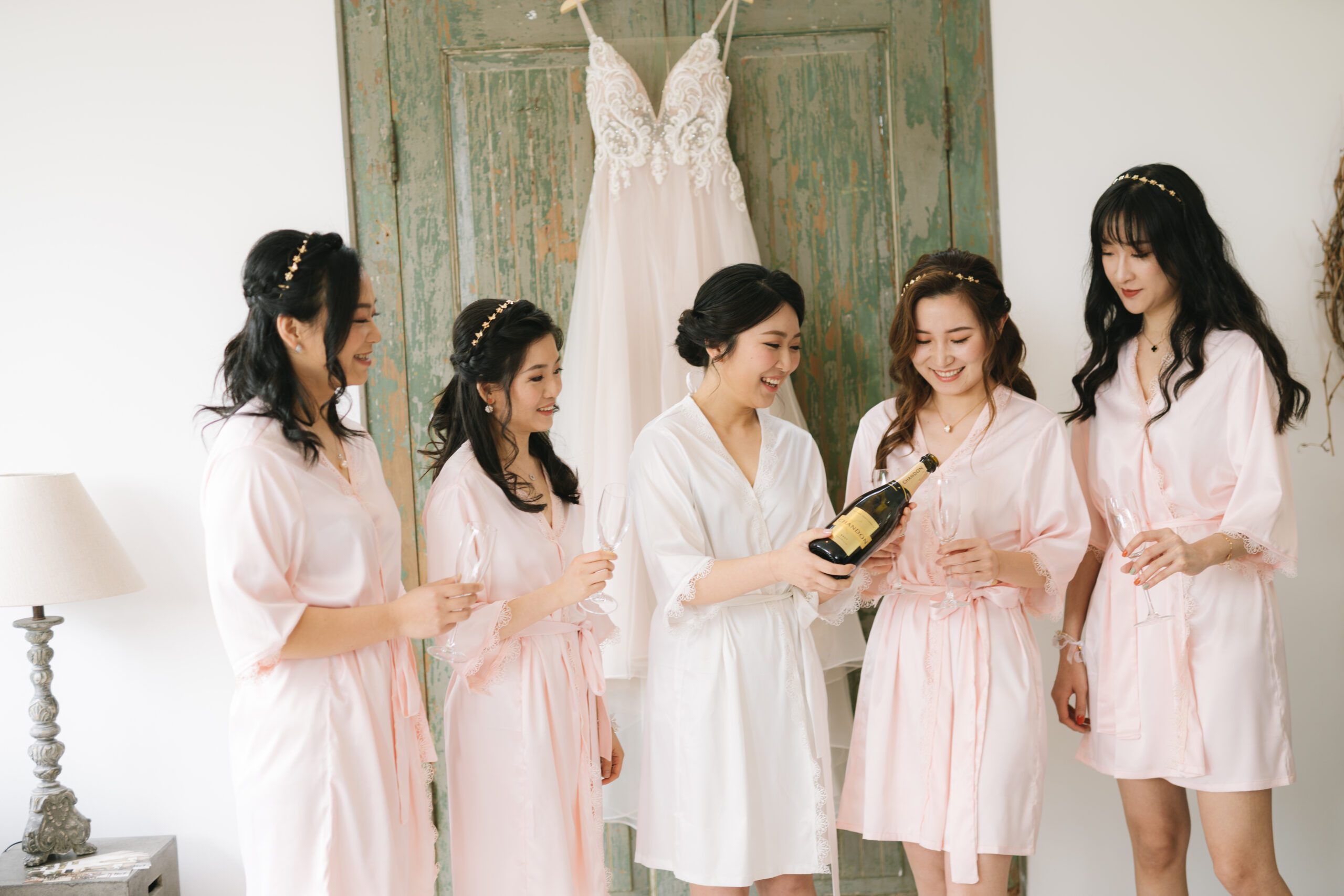
Melbourne’s diverse weather and architectural styles demand precise control over indoor lighting to achieve timeless wedding imagery. From classic studios to modern lofts, mastering lighting equipment techniques ensures natural skin tones, balanced contrasts, and emotional depth. Below are practical methods tailored to Melbourne’s unique indoor environments.
Leveraging LED Panels for Natural Skin Tones
LED panels are indispensable for their adjustable color temperature and low heat emission, making them ideal for Melbourne’s unpredictable weather. When shooting in studios with neutral backgrounds, set LEDs to 5500K to mimic daylight, ensuring skin tones appear warm without yellowing. For couples in formal attire, position LEDs at a 45-degree angle to the subject’s face to soften shadows while maintaining facial definition.
In smaller venues like historic chapels, use LED panels with diffusers to create even lighting. Attach a softbox to reduce harshness, especially when photographing close-ups of wedding rings or vows. For dynamic shots, adjust brightness mid-session to adapt to changing natural light through windows. A common technique involves pairing LEDs with bounced light—directing panels toward white walls or ceilings to scatter illumination gently.
Flash Techniques for High-Contrast Drama
Flash units excel in creating bold, cinematic effects, particularly in industrial-style venues with exposed brick or concrete. When shooting portraits, use a single off-camera flash positioned behind the subject to outline their silhouette, adding depth to formal gowns or tailored suits. For group shots, place flashes at varying heights to avoid flat lighting; this technique highlights individual expressions while maintaining cohesion.
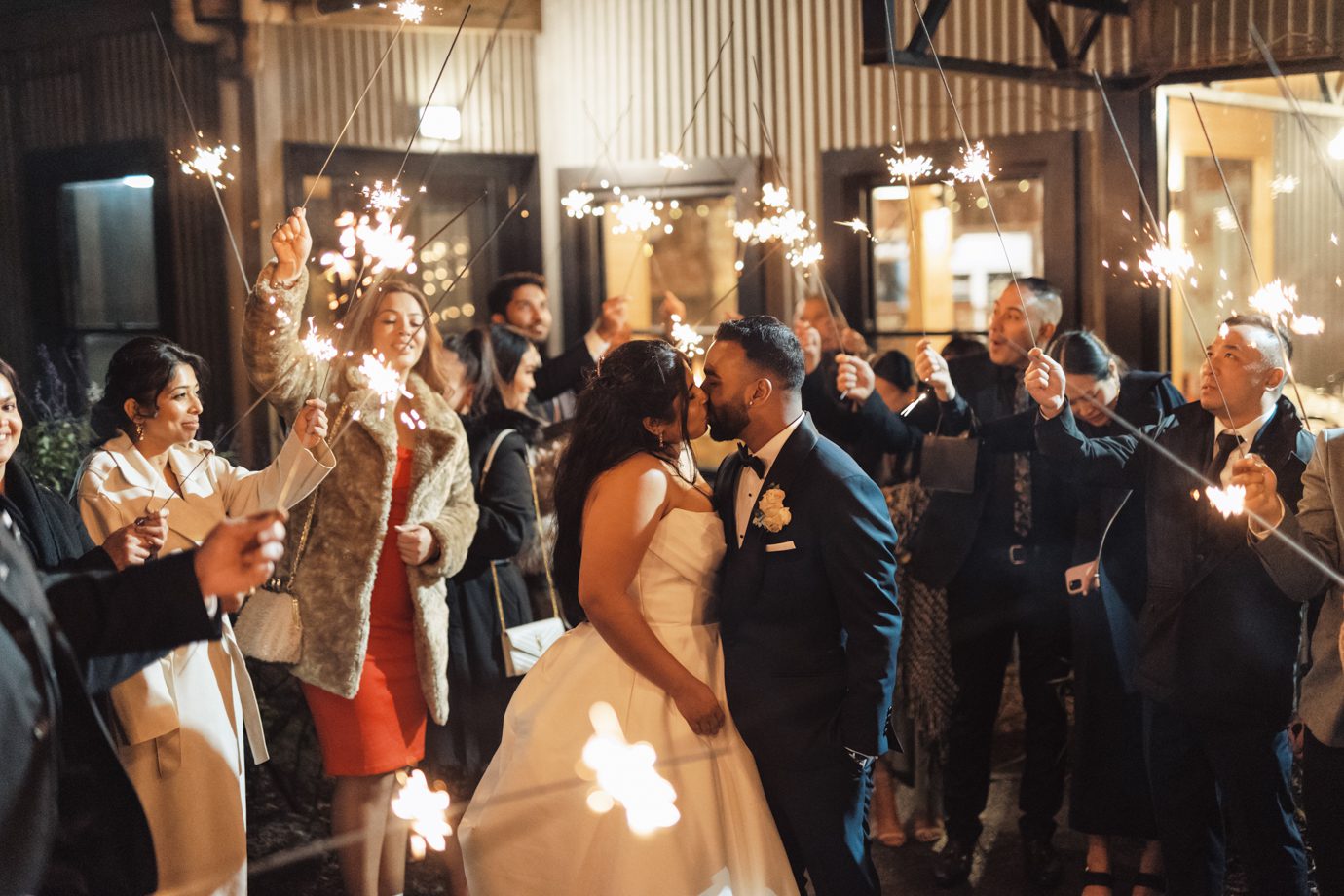
In fast-paced scenarios, such as capturing candid moments during receptions, wireless flash triggers allow photographers to move freely. Sync flashes with ambient room lights to balance exposure, preventing overexposure in brightly lit halls. A pro tip: attach a grid modifier to flashes to direct light precisely, avoiding spill onto backgrounds. This is effective in venues with intricate details, like stained-glass windows, where controlled lighting preserves architectural features.
Continuous Lighting for Creative Flexibility
Continuous lights, such as tungsten or fluorescent bulbs, offer real-time visibility, enabling photographers to adjust compositions without guessing exposure. In loft-style studios with high ceilings, use continuous lights with barn doors to shape beams, creating dramatic highlights on wedding dresses or suits. For romantic themes, drape sheer fabric over lights to diffuse warmth, mimicking candlelight during intimate vows.
When photographing details like bouquets or invitations, position continuous lights at a low angle to emphasize textures. Adjust color temperature to complement floral arrangements—cooler tones (4000K) for whites and pastels, warmer hues (3200K) for deep reds or golds. In venues with limited space, such as cozy cafes, use LED strips along walls to add ambient glow without cluttering the scene.
Advanced Techniques for Layered Lighting
Combining multiple light sources elevates storytelling. For example, in a studio with a white cyclorama, use LED panels as key lights, flashes for rim lighting, and continuous bulbs for fill. This setup creates three-dimensional depth, making the couple stand out against minimalist backgrounds.
In venues with mixed textures, like timber floors and stone fireplaces, experiment with colored gels on flashes. A subtle orange gel can warm cool tones, while blue gels add moodiness to evening shots. Always test gel combinations beforehand to avoid color clashes with wedding attire.
Practical Considerations for Melbourne’s Climate
Melbourne’s chilly winters and hot summers affect equipment performance. In winter, keep batteries warm to prevent rapid drainage. During summer, use fans to cool down continuous lights, avoiding overheating in non-airconditioned venues.
For outdoor-to-indoor transitions, carry portable LED panels to supplement natural light when moving from gardens to reception halls. This ensures consistent exposure across diverse settings.
By integrating these techniques, photographers can transform Melbourne’s indoor spaces into captivating backdrops, blending technical precision with artistic vision. Mastery of lighting equipment not only enhances image quality but also elevates the emotional resonance of wedding narratives.