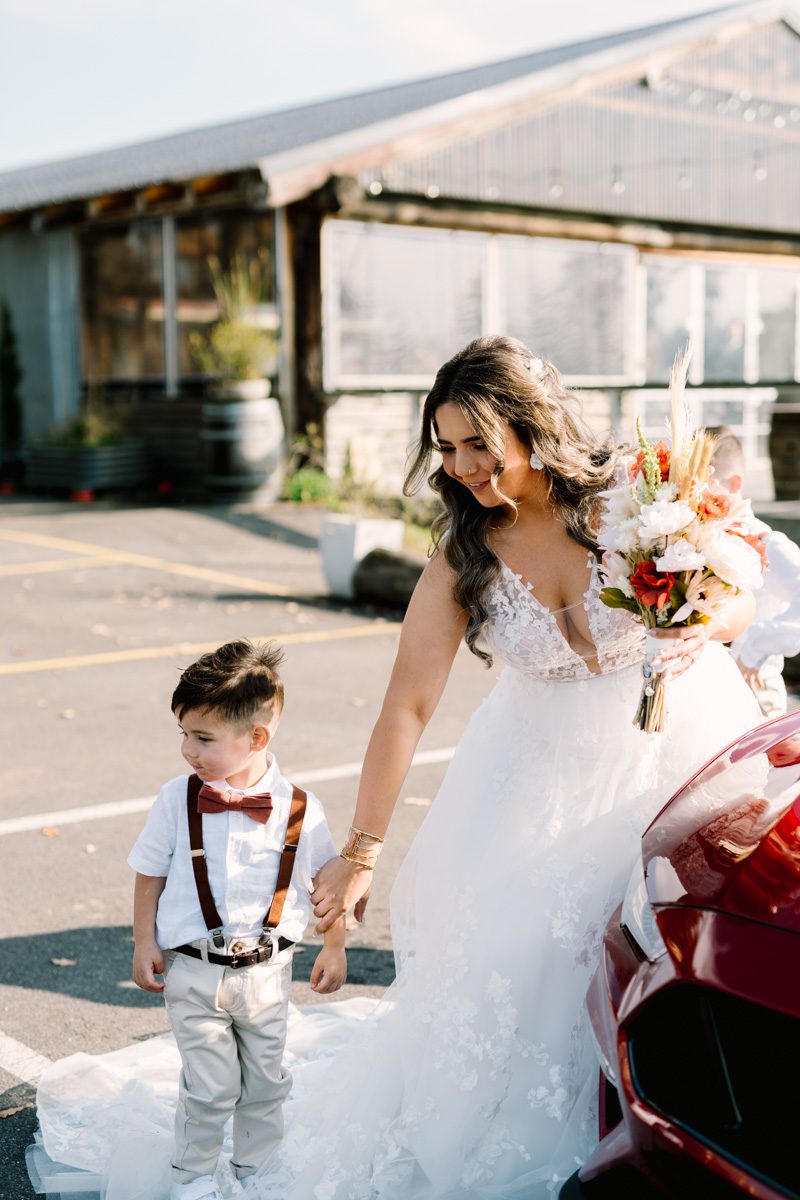
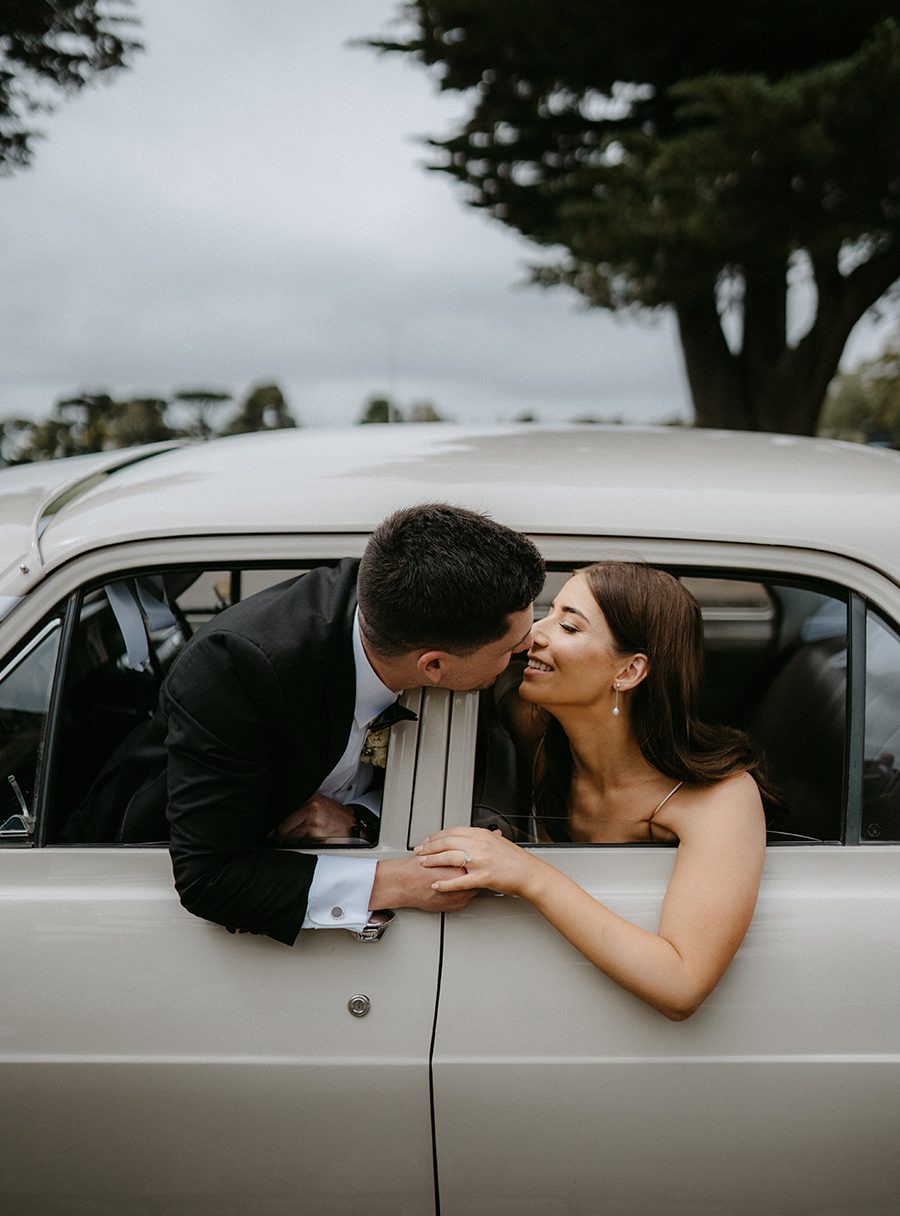
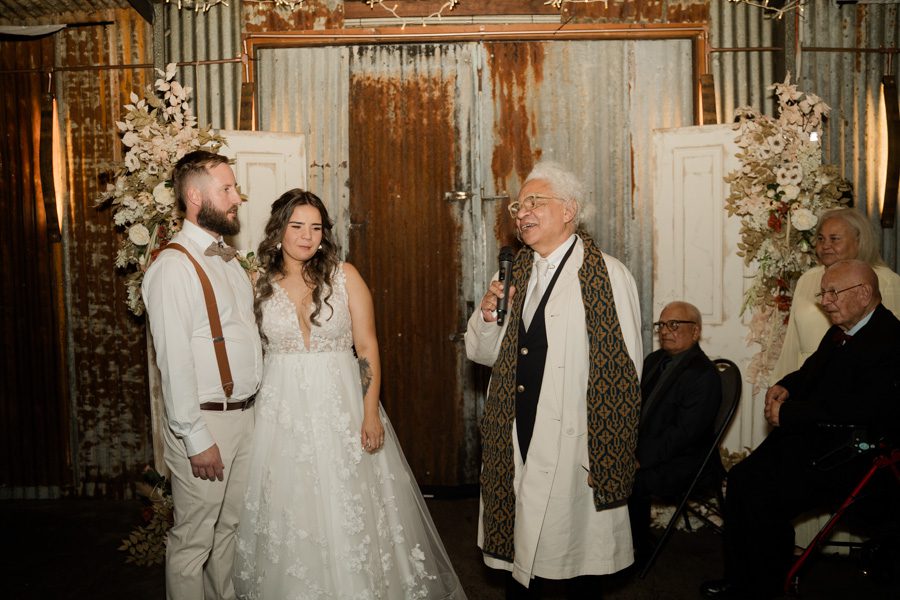
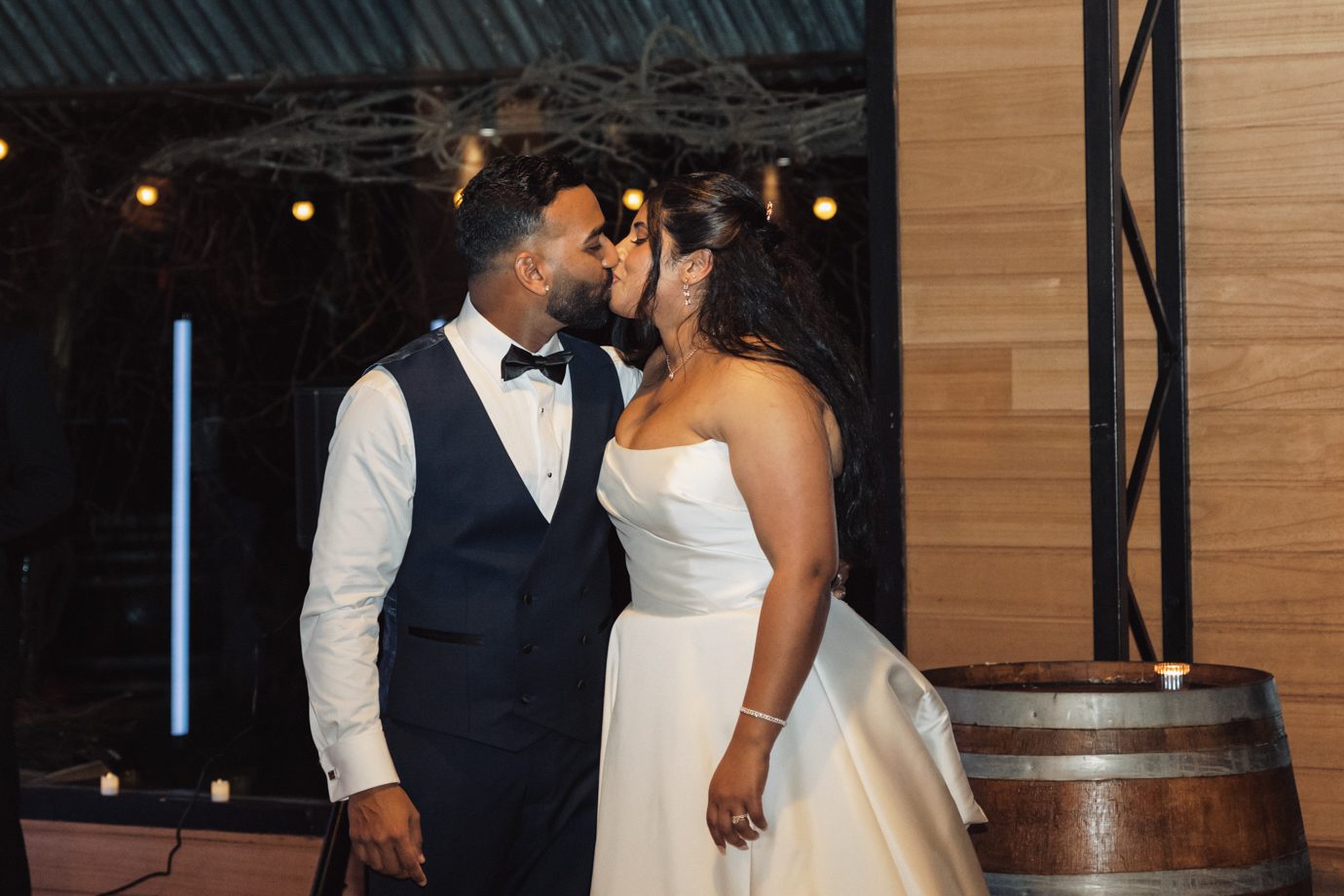
The time arrangement for the gathering and connection of the Melbourne wedding photography team
Melbourne Wedding Photography Team Coordination: Timing Strategies for Seamless Integration
Effective team coordination is the backbone of a successful Melbourne wedding photography shoot. From photographers and assistants to stylists and videographers, aligning schedules ensures clarity, reduces stress, and maximizes creative output.
Pre-Shoot Communication: Establishing Clear Timelines
Open dialogue before the shoot day minimizes misunderstandings and streamlines workflows.
- Initial Briefing Sessions: Schedule a virtual or in-person meeting 1–2 weeks prior to discuss roles, shot lists, and timing expectations. For example, the lead photographer might outline key moments (e.g., first look, family portraits) while the assistant coordinates gear setup.
- Shared Digital Calendars: Use tools like Google Calendar to sync team availability. Include buffer periods for travel, equipment checks, and unexpected delays. A 2024 team avoided overlap by marking “no-meeting zones” during client consultations.
- Contingency Planning: Discuss backup strategies for bad weather or technical issues. A videographer might prepare indoor lighting gear if rain is forecasted, while stylists could bring alternative outfits for location changes.
Example: A Melbourne-based team used a shared Slack channel to post real-time updates during a 2025 shoot, adjusting timelines when a ceremony ran 15 minutes late.
Day-Of Coordination: Synchronizing Arrival and Setup
Timing precision on the wedding day prevents bottlenecks and ensures a smooth start.
- Staggered Arrival Times: Assign staggered arrival windows based on role. Photographers might arrive 1 hour before the ceremony to scout angles, while assistants arrive 30 minutes earlier to set up tripods and lighting.
- Location-Specific Checklists: Tailor setup tasks to each venue. For a beach wedding, the team might prioritize windproof gear and sandbags for equipment. In a historic venue, they’d confirm permission for tripod placement.
- Client-Team Alignment: Coordinate arrival times with the couple’s schedule. If the bride plans a 10:00 AM hair appointment, the stylist should arrive by 9:30 AM, while the photographer arrives by 9:45 AM for pre-ceremony shots.
Case Study: During a 2023 Yarra Valley shoot, the team split into two subgroups: one handled outdoor landscapes while the other prepared indoor reception gear, merging seamlessly after the ceremony.
Real-Time Adjustments: Adapting to On-Site Dynamics
Flexibility is critical when unforeseen circumstances arise.
- Dynamic Timing Updates: Use walkie-talkies or group messaging apps to relay changes. If a group photo runs overtime, the videographer can adjust their schedule to capture candid moments instead.
- Role Swapping for Efficiency: Train team members to handle overlapping tasks. An assistant photographer might step in to shoot detail shots if the lead is occupied with portraits.
- Client-Centric Pacing: Prioritize the couple’s comfort. If they appear fatigued during a 3-hour outdoor session, suggest a 20-minute break indoors while the team repositions equipment.
Pro Tip: Designate a “timekeeper” role (often the lead photographer or assistant) to monitor clocks and gently guide the team back on track after pauses.
Post-Shoot Debrief: Refining Future Coordination
Analyzing the day’s successes and challenges improves future teamwork.
- Immediate Feedback Session: Gather the team 15–30 minutes after wrapping to discuss what worked. Did the staggered arrival times reduce stress? Were communication tools effective?
- Client Feedback Integration: Share the couple’s post-shoot review with the team. If they praised the quick transition between locations, replicate that strategy in future shoots.
- Documentation for Consistency: Create a shared document outlining ideal timelines for common scenarios (e.g., 6-hour vs. 10-hour shoots). Include notes on traffic patterns in Melbourne CBD or peak times at popular venues.
Example: After a 2024 St. Kilda wedding, the team noted that arriving 45 minutes early for coastal shoots allowed time to secure parking and scout tides, leading to a revised checklist for all beach venues.
By prioritizing pre-shoot planning, day-of flexibility, and post-shoot reflection, Melbourne wedding photography teams can foster collaboration, reduce friction, and deliver consistently exceptional results.