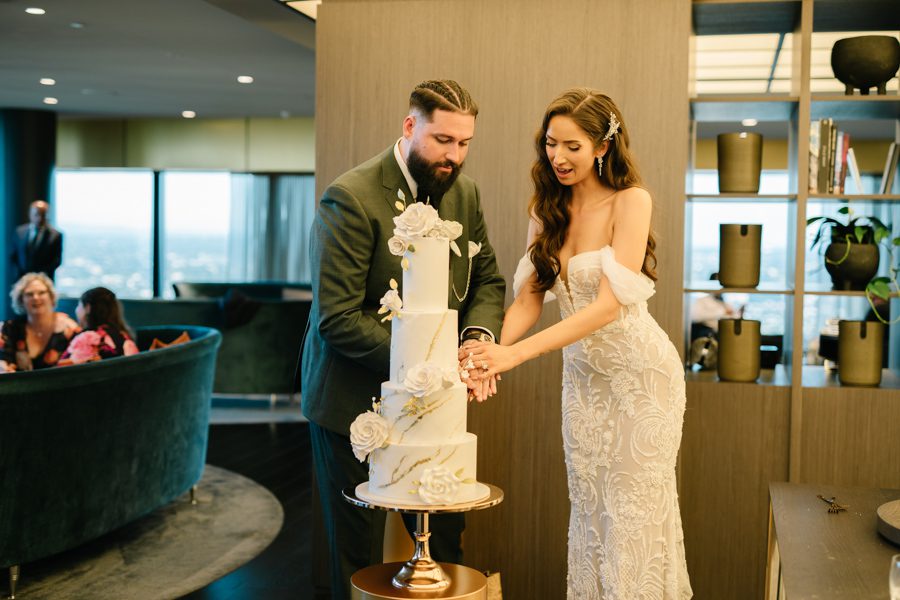
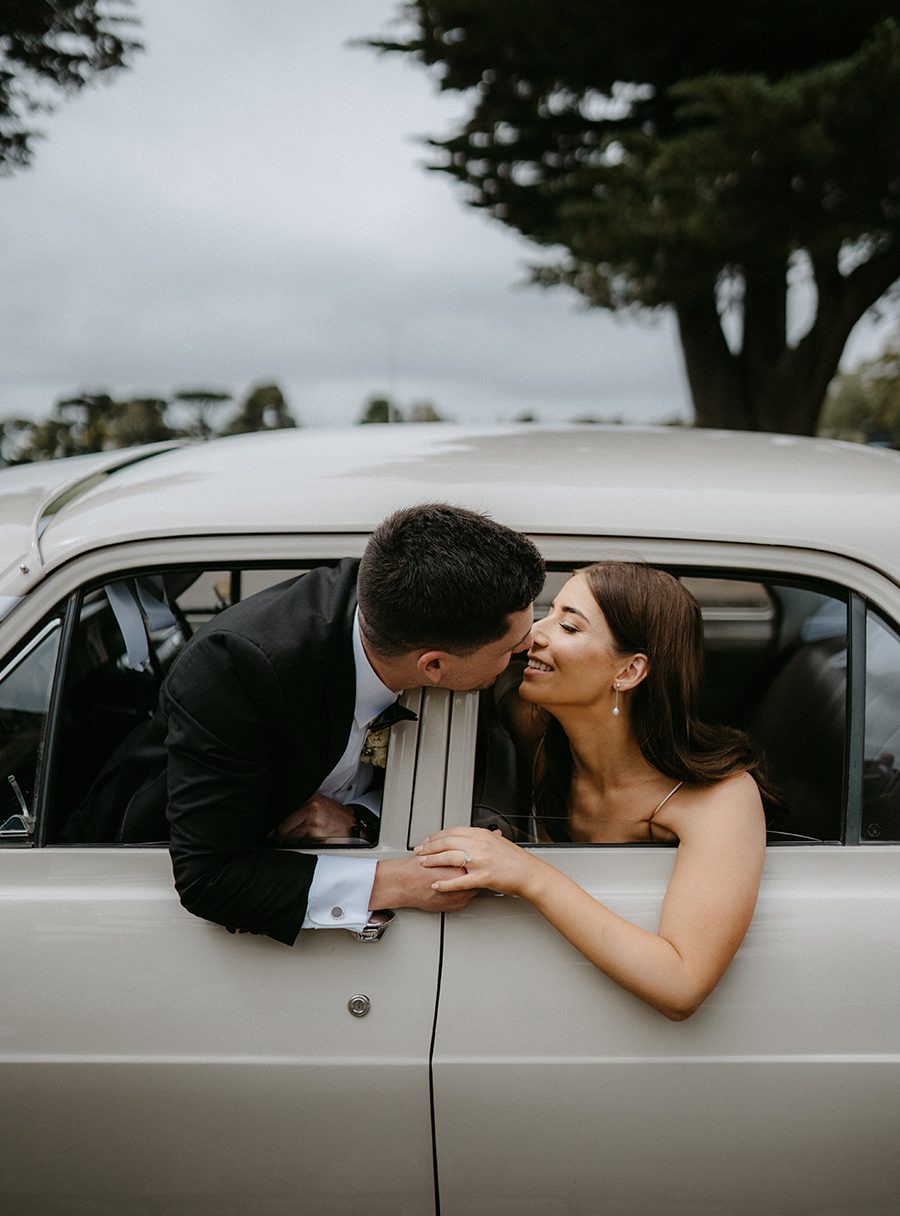
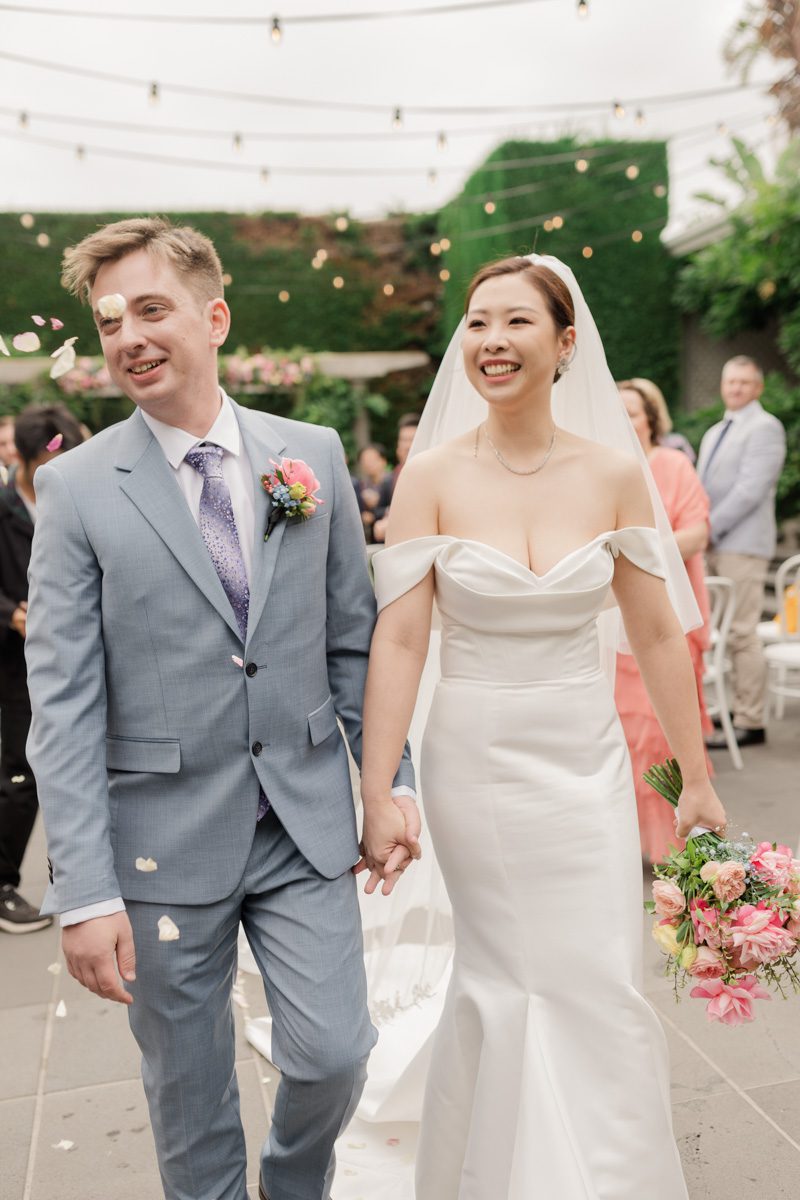
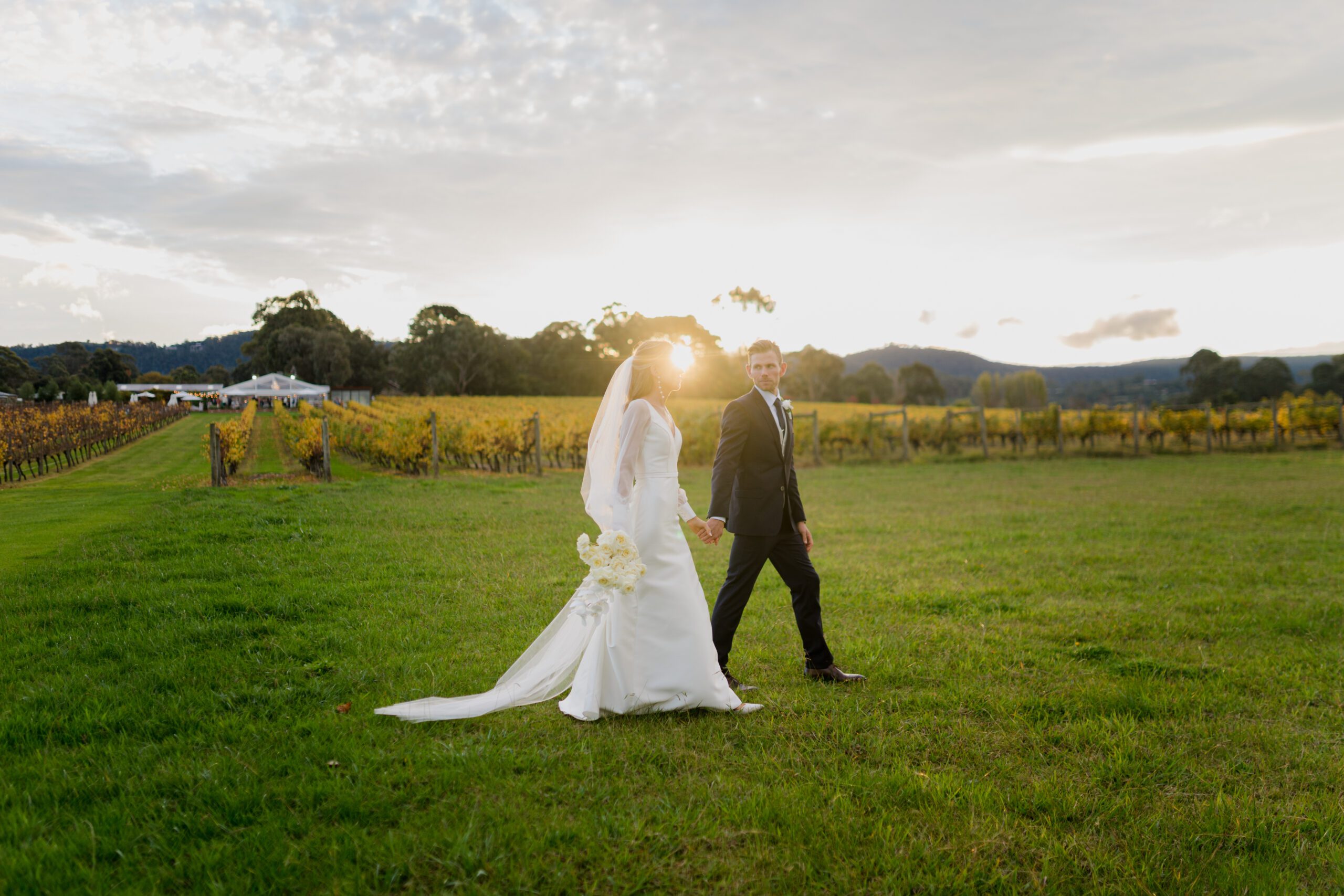
The shooting duration and time arrangement for various scenes in Melbourne wedding photography
Melbourne Wedding Photography: Scene-Specific Timing Strategies for Capturing Eternal Romance
Melbourne’s diverse landscapes—from historic architecture to coastal vistas—demand tailored timing strategies to maximize natural light and ambiance. Below is a curated guide to optimizing shooting schedules across key scenes, blending practical insights with artistic considerations.
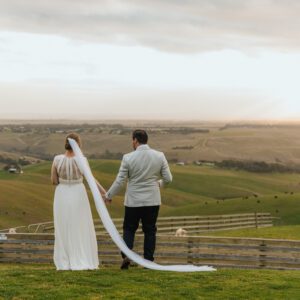
Urban Heritage & Modern Elegance
St. Patrick’s Cathedral (Collins Street)
The cathedral’s stained-glass windows and Gothic arches shine brightest during the
golden hour (8:00–10:00 AM), when soft morning light filters through clerestory windows, casting a divine glow on bridal details. For interior shots, avoid midday harshness; instead, schedule
11:00 AM–1:00 PM to leverage diffused light from side windows. Pair long-exposure shots of arched corridors with quick captures of couples exchanging vows near altar steps.
Docklands Modern Architecture
Geometric lines and reflective surfaces at Docklands demand
mid-afternoon light (2:00–4:00 PM). Use the Woolworths Level 5 rooftop for panoramic city views, timing shots to align with the sun’s angle for balanced exposure. For street-level shots, the
blue hour (30 minutes post-sunset) adds a cinematic sheen to retro cars and neon signage.
Coastal Romance & Natural Drama
Brighton Beach & St. Andrews Beach
Beach scenes thrive during
low tide (check local charts) paired with
golden hour (1 hour before sunset). Position couples near tide pools for dynamic foregrounds, or use dunes as natural frames. At St. Andrews Beach, the
magic hour (sunset + 15 minutes) casts a warm hue over cliffs, perfect for silhouette shots against crashing waves.
Mornington Peninsula’s Cape Schanck Lighthouse
Reef-rock formations demand precise timing. Schedule
2 hours before low tide to expose tidal pools and rugged textures. For lighthouse portraits,
sunrise (6:30–7:30 AM) offers soft backlighting, while midday shots (11:00 AM–1:00 PM) highlight architectural details against a deep blue sky.
Botanical & Rustic Charm
Royal Botanic Gardens
Lush foliage and floral paths peak during
morning dew (7:00–9:00 AM), when petals glisten and light diffuses through tree canopies. For rose garden shots,
late afternoon (4:00–6:00 PM) creates warm tones; use bokeh effects with out-of-focus blooms as backdrops.
Yarra Valley Vineyards
Rustic barns and vine rows demand
overcast skies or
golden hour to avoid harsh shadows. Schedule
10:00 AM–12:00 PM for diffused sunlight through grapevines, or
sunset (5:30–7:00 PM) for warm tones on wooden doors and cobblestone paths.
Street Art & Cultural Vibrancy
Hosier Lane
Murals change frequently, so prioritize
mid-morning (9:00–11:00 AM) when light is even and crowds are sparse. Use wide-angle lenses to capture entire walls, then zoom in for details like graffiti tags or street signs. For candid shots, engage couples in playful interactions (e.g., “writing” love notes on walls).
Fitzroy Town Hall
Neoclassical columns and wrought-iron gates shine during
late morning (10:00 AM–12:00 PM), when sunlight highlights intricate carvings. Pair formal portraits with spontaneous moments, like the bride adjusting her veil near stone steps.
Practical Considerations for Seamless Shoots
- Light Transitions: Move from bright exteriors to shaded interiors as the day progresses to avoid overexposure.
- Weather Flexibility: Reserve 30-minute buffers between scenes to adapt to sudden rain or wind.
- Couple Comfort: Schedule breaks during peak heat (12:00–2:00 PM) and provide hydration stations.
- Golden Hour Rush: Prioritize coastal or open-field scenes during the final hour of daylight to capitalize on warm tones.
By aligning scenes with Melbourne’s unique light cycles and cultural rhythms, photographers can craft timeless narratives that resonate with the city’s eclectic spirit.