The method of fixing the skirt hem when shooting by the seaside in Melbourne
Effective Techniques for Securing Wedding Dress Skirts During Melbourne Beach Photoshoots
Understanding the Challenges of Beach Environments
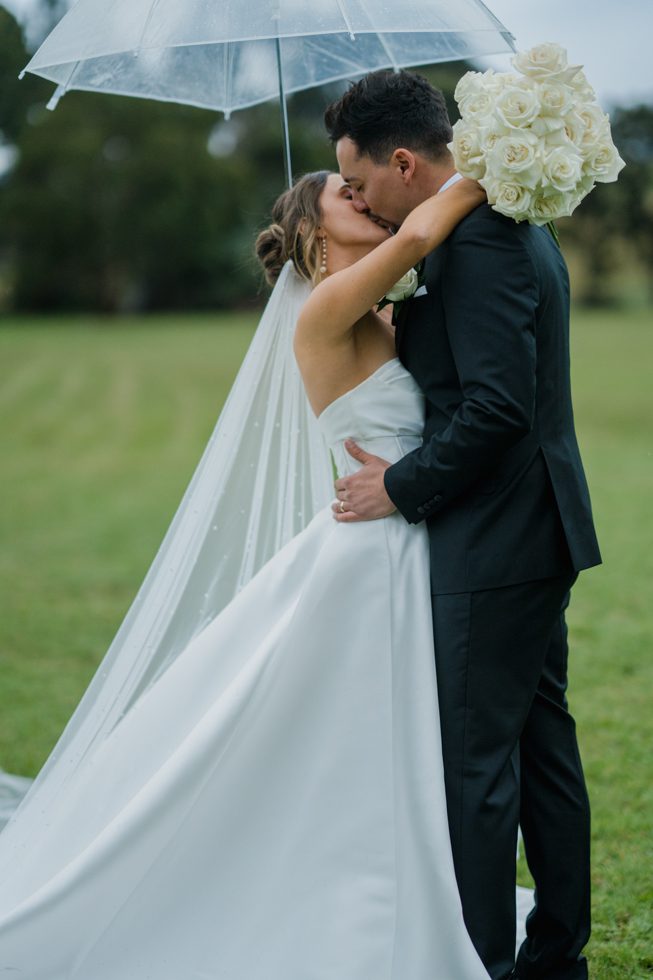
Melbourne’s beaches present unique challenges for keeping wedding dress skirts in place. Strong coastal winds can lift lightweight fabrics like chiffon or tulle, creating unflattering shapes in photos. Sand, a common element on beaches, adds friction that makes it difficult for skirts to flow naturally. Additionally, uneven terrain, such as rocky shores or wet sand near the water’s edge, can cause skirts to bunch up or drag, disrupting the desired aesthetic.

The combination of these factors requires creative solutions to ensure the dress maintains its structure throughout the shoot. By anticipating these issues, photographers and brides can work together to achieve elegant, wind-resistant poses that highlight the dress’s beauty without compromising comfort.
Weight-Based Solutions for Stability
Adding subtle weights to the hem of the skirt is a practical way to counteract wind and sand-related movement. Small, flat weights—such as fabric-covered coins or thin metal discs—can be sewn into the inner lining of the hem at regular intervals. This method keeps the skirt anchored without altering its outward appearance. For heavier fabrics like satin or velvet, fewer weights may be needed, while delicate materials like organza might require lighter options to avoid sagging.
Another approach involves using weighted ribbons or bands. These can be attached to the underside of the skirt and adjusted based on wind conditions. During calm moments, the weights can be loosened to allow for gentle movement, while stronger gusts call for tighter securing. This flexibility ensures the skirt responds dynamically to the environment without appearing stiff or artificial.
Strategic Posing and Movement Control
The bride’s posture plays a crucial role in managing skirt behavior during beach shoots. Standing with feet slightly apart or angled into the wind creates a stable base that reduces the likelihood of the skirt lifting. Bending the knees slightly or shifting weight to one hip can also help control fabric movement. When walking, taking small, deliberate steps prevents the skirt from dragging or catching on sand or debris.
For seated or kneeling poses, tucking the skirt beneath the bride or using her hands to gently hold it in place adds structure. This technique works well for shots near the waterline, where waves might otherwise soak the hem. Photographers can guide the bride through these adjustments, ensuring she remains comfortable while achieving the desired visual effect.
Utilizing Natural and Temporary Anchors
Leveraging the beach’s natural features can provide secure anchoring points for skirts. Rocks, driftwood, or sturdy plants near the shoreline can serve as temporary supports. The bride can lean against these objects or drape part of her skirt over them to prevent unwanted movement. This method adds a rustic, organic feel to photos while solving practical challenges.
In areas without natural anchors, temporary solutions like sandbags or fabric grips can be employed. Lightweight sandbags, placed discreetly beneath the skirt, add weight without being visible. Fabric grips, which adhere to the underside of the skirt and the ground, work well on flat surfaces but may require frequent repositioning on uneven terrain. These tools should be used sparingly to avoid damaging delicate fabrics or leaving residue.
Collaborating with Photographers for Dynamic Shots
A skilled photographer can enhance skirt stability through creative framing and timing. Capturing shots during lulls in the wind or using fast shutter speeds minimizes blur caused by movement. Backlighting or side lighting can highlight the skirt’s texture without emphasizing minor imperfections. Photographers can also direct the bride to turn slightly into or away from the wind, controlling how the fabric flows in the frame.
Communication between the bride and photographer is essential. Discussing preferred poses, wind patterns, and timing ensures both parties are prepared for each shot. This collaboration allows for spontaneous adjustments, such as smoothing the skirt mid-movement or capturing candid moments where the fabric billows gracefully. By working together, they can transform potential challenges into opportunities for stunning, memorable images.