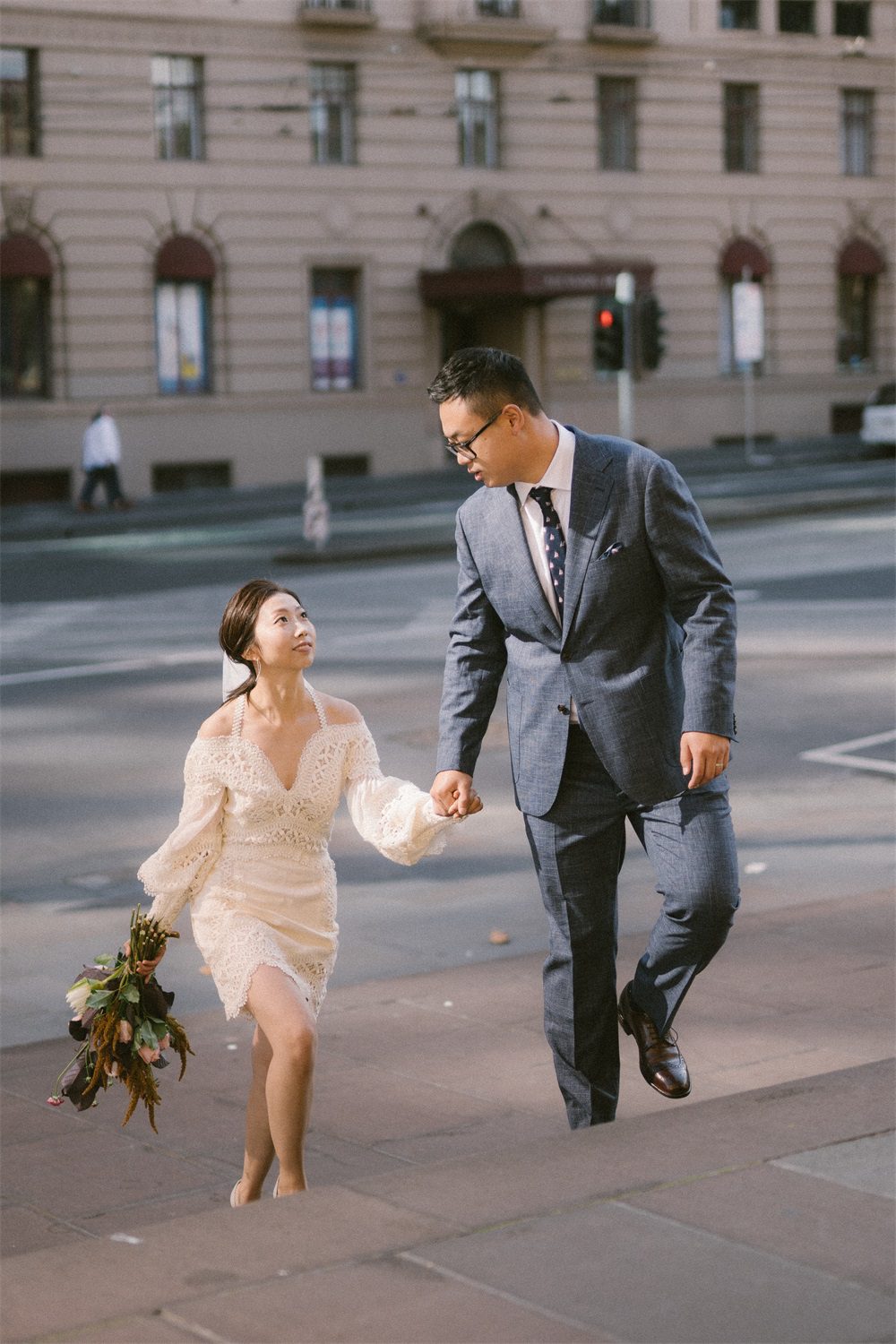
The efficiency of outdoor scene switching for wedding photography in Melbourne has been improved
Streamlining Outdoor Scene Transitions for Melbourne Wedding Photography: Enhancing Efficiency Without Sacrificing Creativity
Melbourne’s diverse landscapes—from coastal cliffs to urban laneways—offer endless possibilities for outdoor wedding photography. However, switching between scenes efficiently is crucial to maximize shooting time, especially during the city’s notoriously unpredictable weather. Below are strategies to optimize transitions, ensuring couples capture every desired shot without unnecessary delays.
Pre-Shoot Planning: Mapping Locations and Logistics
Thorough pre-shoot planning is the foundation of seamless scene transitions. Begin by scouting Melbourne’s outdoor venues in advance, identifying key spots within walking distance or a short drive. For example, a ceremony at Fitzroy Gardens could transition to a portrait session in nearby Treasury Gardens, minimizing travel time. Use digital mapping tools to visualize routes and estimate walking times between locations, accounting for Melbourne’s hilly terrain or crowded streets during peak hours.
Create a prioritized shot list that groups similar scenes together. If a couple desires both urban and natural backdrops, schedule cityscape shots in the morning when light is soft, then move to parks or beaches in the late afternoon for golden-hour portraits. Communicate this timeline clearly with the couple and any assistants, ensuring everyone understands the flow and reduces on-site decision-making.
Lightweight Gear Organization: Minimizing Setup Time
Efficient gear management is critical for quick scene changes. Invest in a modular camera bag system that allows photographers to access lenses, filters, and lighting equipment rapidly. For example, keep a dedicated pouch for prime lenses used in outdoor portraits, separate from zoom lenses for dynamic shots. Labeling gear compartments or using color-coded straps can further speed up retrieval.
When shooting in Melbourne’s variable weather, prepare for sudden changes by packing waterproof covers for cameras and quick-dry cloths for lenses. If transitioning from a sunny beach to a shaded forest, adjust camera settings (such as ISO and aperture) in advance to avoid missed shots during reconfiguration. Assign an assistant to handle gear swaps, freeing the photographer to focus on composition and directing the couple.
Transportation Strategies: Navigating Melbourne’s Terrain
Melbourne’s sprawling layout demands smart transportation choices. For venues spread across suburbs like St Kilda and Brighton, consider renting a compact vehicle with ample trunk space for gear. Alternatively, use public transport for central locations like the CBD or Docklands, but account for potential delays during peak commutes.
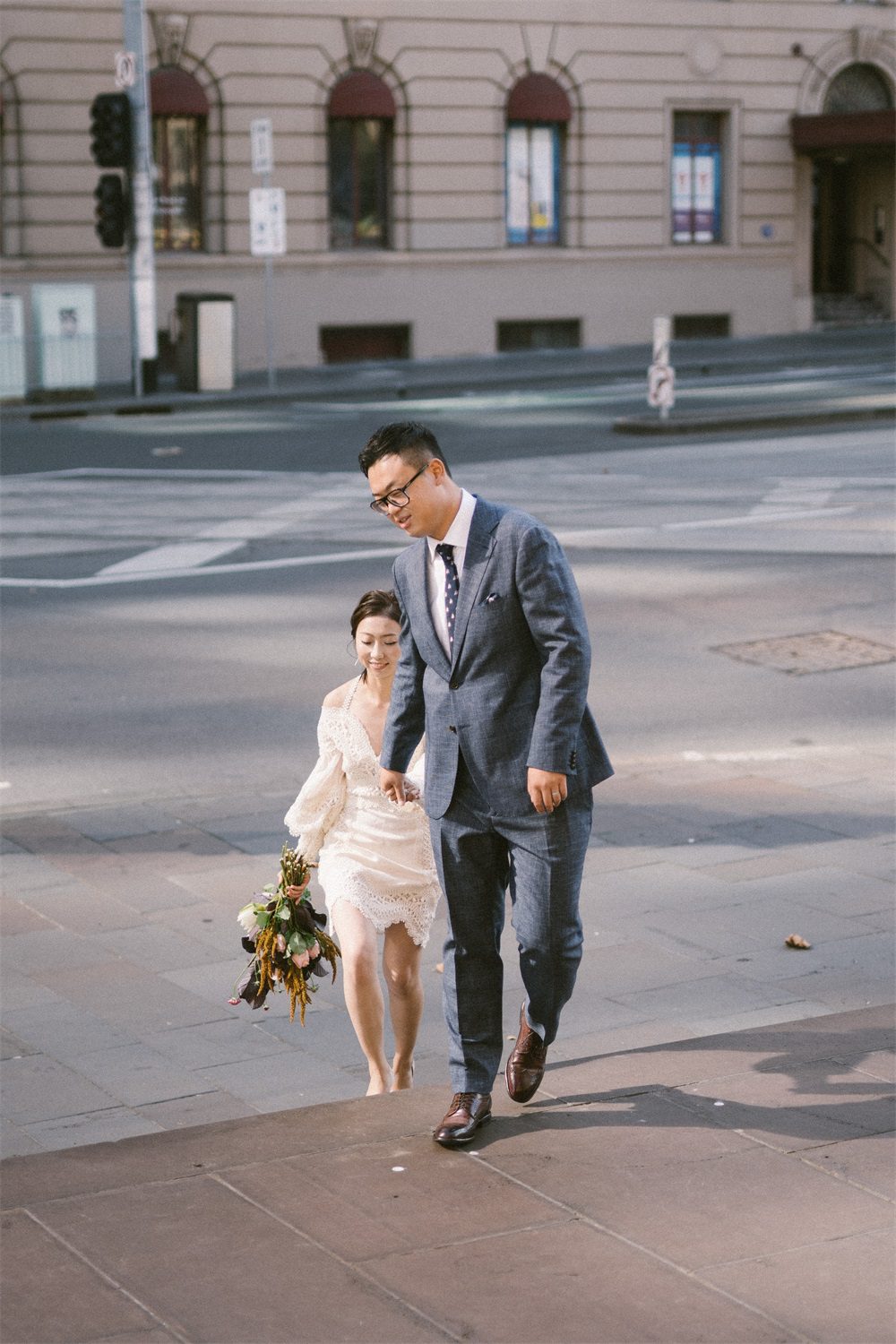
For back-to-back shoots in the same neighborhood, such as moving from a café in Degraves Street to a nearby alleyway for street-art portraits, opt for walking or cycling. This approach not only saves time but also adds a spontaneous, local flavor to the images. If driving is unavoidable, park in centralized locations and use trolleys or rolling cases to transport gear short distances.
Wardrobe and Prop Coordination: Reducing Downtime
Smooth wardrobe and prop transitions prevent lulls during scene changes. Encourage couples to pack outfits in labeled garment bags, grouping items by location (e.g., beach attire in one bag, urban outfits in another). For props like bouquets, hats, or signage, use sturdy containers that can be carried easily between spots.
If the couple plans multiple outfit changes, schedule them strategically. For instance, a gown swap could occur during a midday break when light is harsh, allowing time for adjustments while avoiding suboptimal shooting conditions. Assign a bridesmaid or family member to manage wardrobe changes, ensuring the couple remains focused on posing and emotion.
Time-Saving Posing Techniques: Maximizing Shooting Efficiency
Efficient posing reduces the need for repeated takes, freeing up time for scene transitions. Begin with group shots to capture formal portraits early in the session, then move to couple-focused poses that require less coordination. Use natural landmarks in Melbourne’s outdoor settings—such as leaning against a historic tram or sitting on Yarra River steps—to create relaxed, authentic poses without extensive direction.
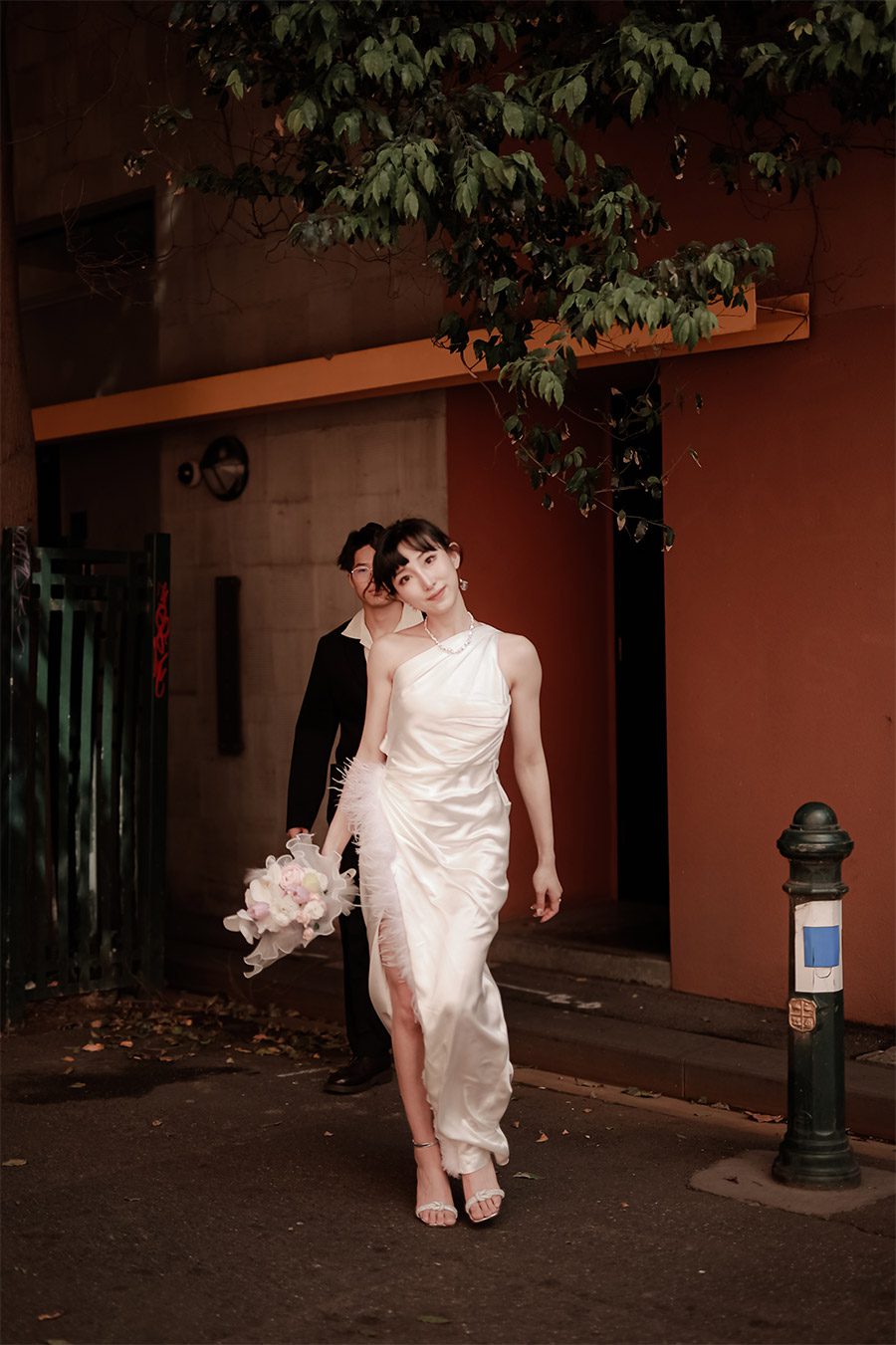
Incorporate movement to add variety quickly. A simple walk-and-talk sequence through a laneway or along the beach can yield multiple usable frames in minutes. For static poses, use a “pose, shoot, adjust” rhythm: take a few shots, tweak the couple’s positioning slightly, and repeat. This method ensures a steady flow of images while minimizing downtime.
Contingency Plans: Adapting to Melbourne’s Weather
Melbourne’s weather can disrupt even the best-laid plans, making contingency strategies essential. Monitor forecasts closely and identify backup indoor locations near primary outdoor spots. For example, if rain threatens a beach shoot, pivot to a nearby café with large windows or a heritage building with verandas.
Communicate weather-related changes promptly with the couple, explaining how adjustments will maintain the session’s flow. Use rain as an opportunity for creative shots, such as capturing reflections in puddles or using umbrellas as props. If extreme weather forces a complete relocation, prioritize scenes that align with the couple’s vision while respecting time constraints.
By integrating these strategies, Melbourne wedding photographers can navigate outdoor scene transitions with precision, ensuring couples receive a diverse, high-quality gallery without unnecessary delays. The key lies in balancing preparation with adaptability, turning logistical challenges into opportunities for unique, memorable imagery.