Melbourne Wedding Photography Equipment Setup and Adjustment Guide
Preparing for a wedding shoot in Melbourne requires meticulous attention to equipment setup and adjustment. From ensuring stable footage to capturing natural lighting, every detail contributes to creating timeless memories. Below is a step-by-step guide to optimizing your gear for wedding photography and videography.
Pre-Shoot Equipment Checklist
Before arriving at the venue, verify that all devices are fully functional and properly configured. This minimizes delays and ensures seamless operation during critical moments.
Camera and Lens Configuration
- Battery and Storage: Charge all batteries and carry spares. Insert high-capacity memory cards formatted to avoid errors during recording.
- Lens Selection: Pack a versatile lens combination, such as a wide-angle zoom for capturing group shots and dynamic environments, and a telephoto prime for intimate close-ups. Ensure lenses are clean and free of dust or smudges.
- Sensor Cleaning: Use a blower brush to remove debris from the camera sensor, preventing spots or blemishes in photos.
Stabilization Systems
- Tripod Setup: For static shots, such as ceremony coverage or posed portraits, use a sturdy tripod with adjustable legs. Test its stability on uneven surfaces to avoid wobbling.
- Gimbal or Steadicam: When shooting handheld or moving sequences, enable electronic image stabilization (EIS) or mechanical stabilization systems. Adjust balance settings to suit the camera’s weight distribution.
- External Monitor: Connect a portable monitor to check framing and focus accuracy, especially in bright outdoor conditions where the camera’s LCD may be hard to see.
Lighting and Exposure Adjustments
Wedding venues often transition between indoor and outdoor settings, requiring flexible lighting solutions to maintain consistent image quality.
Natural Light Optimization
- White Balance Calibration: Switch to manual white balance mode and adjust settings based on the dominant light source (e.g., daylight, tungsten, or fluorescent). Use a gray card for precise calibration.
- Exposure Triangle: Balance aperture, shutter speed, and ISO to achieve optimal exposure. For outdoor ceremonies, prioritize a fast shutter speed (1/500s or higher) to freeze motion, while indoor receptions may require wider apertures (f/2.8–f/4) to compensate for lower light.
- Dynamic Range Management: Enable HDR mode if available to retain details in high-contrast scenes, such as brides in white gowns against dark backgrounds.
Artificial Lighting Techniques
- Continuous LED Lights: Position portable LED panels to fill shadows or highlight key subjects. Use diffusers to soften harsh light and create a flattering glow.
- Flash Synchronization: When using off-camera flashes, sync them with the camera’s shutter speed to avoid black bands in photos. Test TTL (Through-The-Lens) metering for automatic exposure adjustments.
- Reflectors and Bounce Cards: Redirect natural light onto subjects’ faces using white or silver reflectors. For indoor shoots, bounce flash off ceilings or walls to mimic ambient lighting.
Audio and Recording Setup
Clear audio is essential for wedding videos, especially during vows, speeches, and interviews. Proper microphone placement and noise reduction techniques enhance clarity.
Microphone Configuration
- Lavalier Mics: Clip wireless lavalier microphones onto the groom’s lapel and bride’s bouquet for discreet, high-quality audio. Test signal strength and battery levels before the ceremony.
- Shotgun Mics: Mount shotgun microphones on cameras or boom poles to capture directional sound, such as the officiant’s voice during the ceremony. Position them close to the sound source while avoiding visual obstruction.
- External Recorders: Use portable audio recorders with XLR inputs for backup tracks. Sync audio with video during post-production using timecode or clapperboards.
Wind and Background Noise Reduction
- Windscreens: Attach foam windscreens to microphones to minimize wind interference during outdoor shoots. For extreme conditions, use furry “deadcat” covers.
- Ambient Noise Monitoring: Wear headphones to monitor audio levels in real-time. Adjust gain settings to prevent clipping or distortion, especially in noisy environments like receptions.
Final System Integration and Testing
Before the wedding begins, conduct a full system test to ensure all components work harmoniously. This step prevents technical glitches during critical moments.
Multi-Camera Synchronization
- Timecode Integration: If using multiple cameras, enable timecode synchronization to align footage during editing. This is crucial for seamless cuts between angles.
- Framing Consistency: Check that all cameras share similar framing styles (e.g., headroom, eye-level perspectives) to maintain visual coherence across shots.
Backup and Redundancy
- Dual Memory Cards: Configure cameras to record simultaneously to two memory cards, safeguarding against data loss due to corruption or accidental formatting.
- Secondary Gear: Pack backup batteries, lenses, and cables in a separate bag. Label equipment clearly to avoid confusion during quick changes.
Real-World Simulation
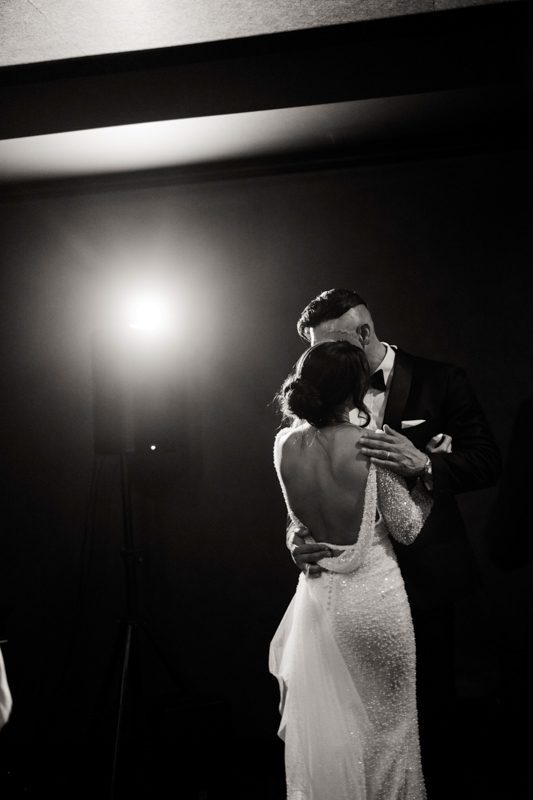
- Dry Run: Rehearse key sequences, such as the processional or first dance, to test equipment performance under pressure. Adjust settings as needed based on lighting changes or movement patterns.
By following this guide, Melbourne wedding photographers and videographers can ensure their equipment is optimized for any scenario, from sunlit outdoor ceremonies to dimly lit reception halls. Attention to detail during setup translates to flawless execution on the big day.