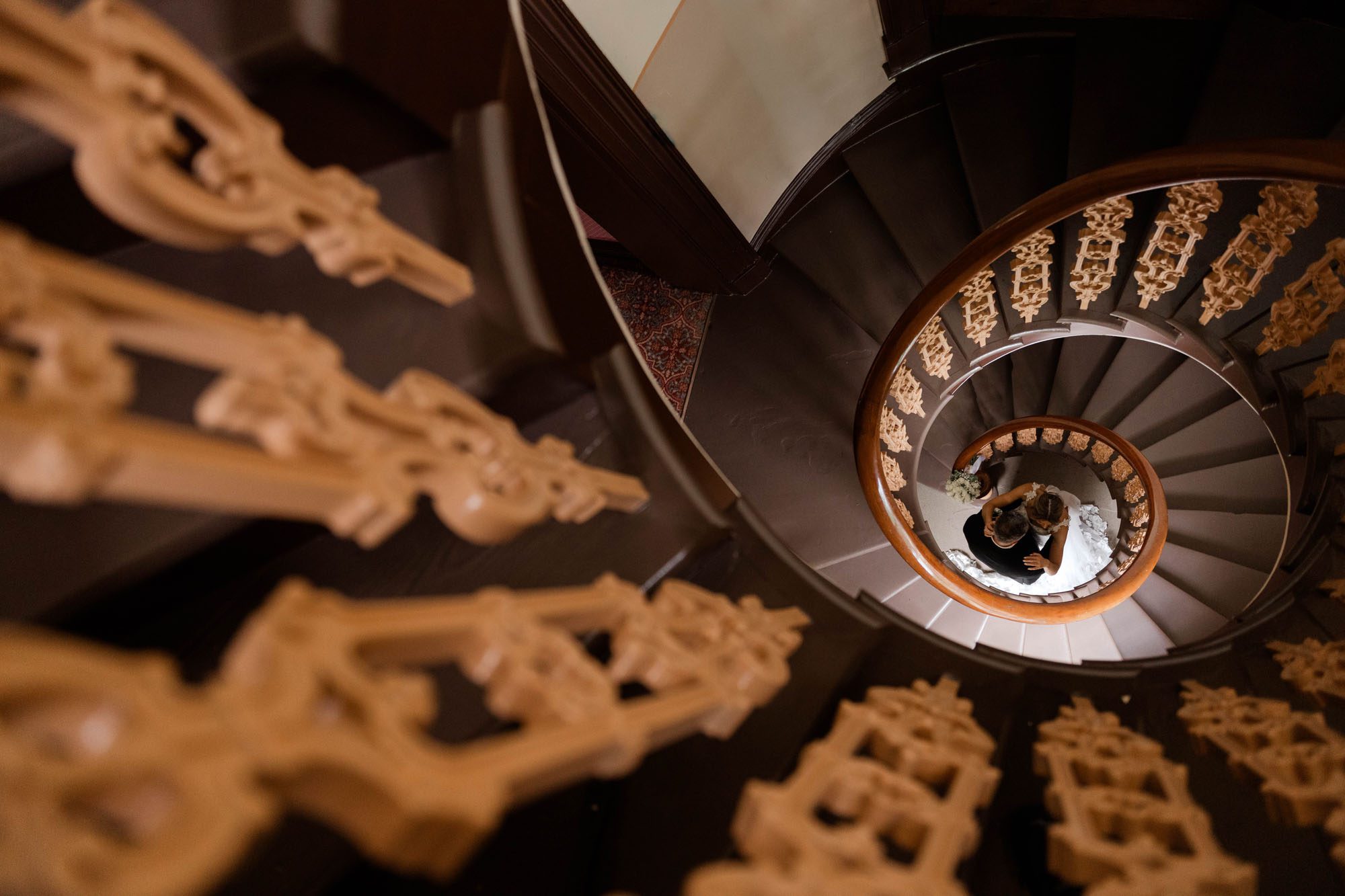
Suggestions for choosing the best season for wedding photography in Melbourne
Melbourne Wedding Photography Season Selection Guide: Capturing Timeless Moments in Every Climate
Choosing the right season for wedding photography in Melbourne requires balancing aesthetic preferences with practical considerations. As a city with a temperate climate and distinct seasonal changes, each period offers unique opportunities—and challenges—for capturing romantic moments. Below is an in-depth analysis of Melbourne’s seasons, tailored to help couples select the ideal time for their dream photoshoot.
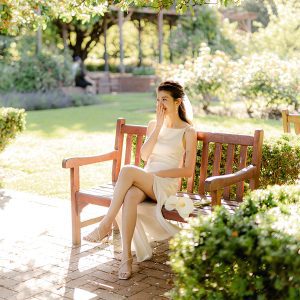
Spring: Blossoming Romance Under Soft Sunlight
Melbourne’s spring spans September to November, with temperatures ranging from 15°C to 25°C. This season is celebrated for its mild weather and vibrant landscapes, making it a top choice for outdoor shoots.
Key Advantages:
- Floral Backdrops: Parks like the Royal Botanic Gardens and Fitzroy Gardens burst with cherry blossoms, tulips, and wisteria, creating natural frames for portraits.
- Comfortable Conditions: The absence of extreme heat or cold allows couples to wear lighter fabrics without discomfort.
- Golden Hour Magic: Extended daylight hours provide flexibility for scheduling shoots during the golden hour, when soft sunlight enhances skin tones and textures.
Considerations:
Spring is a peak season for weddings, so popular venues and photographers may book up quickly. Additionally, unpredictable rain showers require backup indoor locations or waterproof gear.
Summer: Sun-Kissed Vibes and Coastal Charm
Summer in Melbourne (December to February) brings warmer temperatures, averaging 20°C to 35°C. This season suits couples seeking beachside or outdoor adventures.
Key Advantages:
- Beach Photography: Locations like Brighton Beach and St Kilda Beach offer iconic bathing boxes and turquoise waters, ideal for playful, sunlit shots.
- Vibrant Colors: Lush greenery and bright floral arrangements thrive, adding energy to compositions.
- Extended Daylight: Longer days provide ample time for multiple outfit changes or location hops.
Considerations:
High temperatures can cause discomfort during prolonged shoots, especially in formal attire. Schedule sessions early morning or late afternoon to avoid midday heat. Sunscreen and hydration are essential, as is a backup plan for sudden storms, which are rare but possible.
Autumn: Warm Tones and Intimate Storytelling
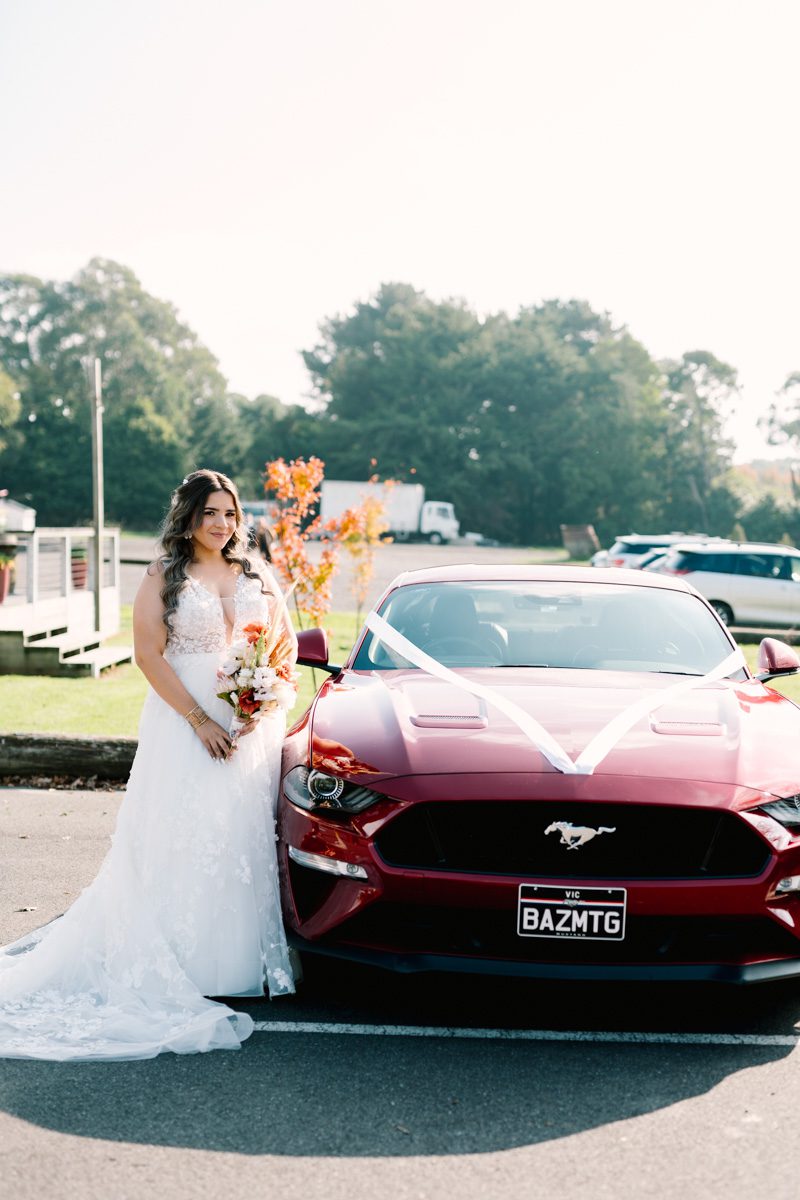
Autumn (March to May) transforms Melbourne into a tapestry of amber, gold, and crimson hues, with temperatures ranging from 10°C to 20°C. This season appeals to couples drawn to moody, narrative-driven imagery.
Key Advantages:
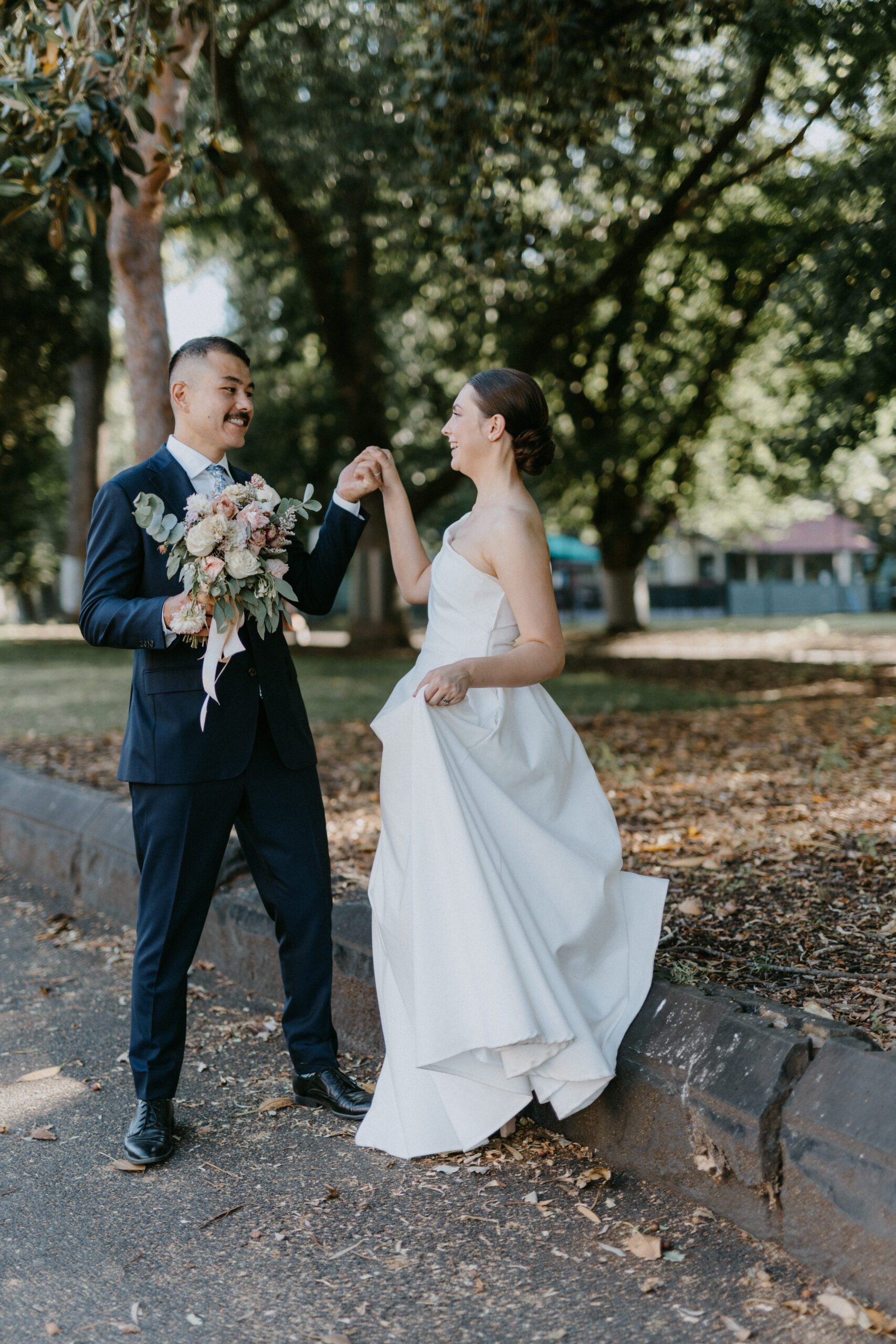
- Foliage Drama: Locations like Mount Macedon Forest Glade Garden and Dandenong Ranges feature breathtaking autumn foliage, perfect for rustic or vintage-themed shoots.
- Mild Weather: Cooler temperatures reduce the risk of sweating or overheating, allowing for layered outfits or heavier fabrics.
- Golden Light: The lower sun angle creates a warm, diffused glow, ideal for romantic portraits.
Considerations:
Autumn days are shorter, so plan shoots to conclude before dusk. Windy conditions may require hair and veil styling that withstands movement. Layered clothing is advisable, as Melbourne’s “four seasons in one day” reputation means sudden temperature drops are possible.
Winter: Ethereal Elegance and Cozy Intimacy
Winter (June to August) in Melbourne sees temperatures drop to 5°C to 14°C, with occasional frost or snow in elevated areas. While challenging, this season offers unparalleled opportunities for dramatic, storybook-style photography.
Key Advantages:
- Snow-Capped Landscapes: The Dandenong Ranges or Mount Donna Buang may receive light snowfall, creating a fairytale backdrop for couples willing to brave the cold.
- Indoor Versatility: Cozy venues like historic mansions or art galleries provide warmth and sophistication for classic portrait sessions.
- Unique Lighting: Overcast skies soften shadows, reducing harsh contrasts and creating a dreamy, even-toned aesthetic.
Considerations:
Winter requires significant preparation: thermal layers, heated accessories, and portable warmers are essential. Outdoor shoots should be limited to short sessions, with frequent breaks indoors. Photographers may need to adjust camera settings for low-light conditions, so verify their experience with winter photography beforehand.
Final Tips for Seasonal Success
Regardless of the chosen season, prioritize flexibility and communication with your photography team. Discuss backup plans for weather disruptions and share a vision board to align on stylistic preferences. Additionally, account for Melbourne’s time difference (UTC+10 to UTC+11, depending on daylight saving) when scheduling shoots to avoid fatigue from jet lag.
By embracing Melbourne’s seasonal diversity, couples can transform their wedding photography into a reflection of their unique love story—whether framed by spring blossoms, summer waves, autumn leaves, or winter snow.