Seasonal feature capture methods for outdoor wedding photography in Melbourne
Melbourne Wedding Photography: Seasonal Outdoor Scene Capture Techniques
Melbourne’s diverse climate and landscape offer unique opportunities for wedding photography across four distinct seasons. Understanding how to leverage seasonal characteristics—from light quality to natural backdrops—can elevate outdoor shoots and create timeless imagery. Below are practical techniques tailored to each season’s strengths.
Spring (September–November): Blossoms and Golden Hour Magic
Spring in Melbourne brings mild temperatures (15–25°C) and an explosion of flora, making it ideal for romantic, nature-inspired shoots.
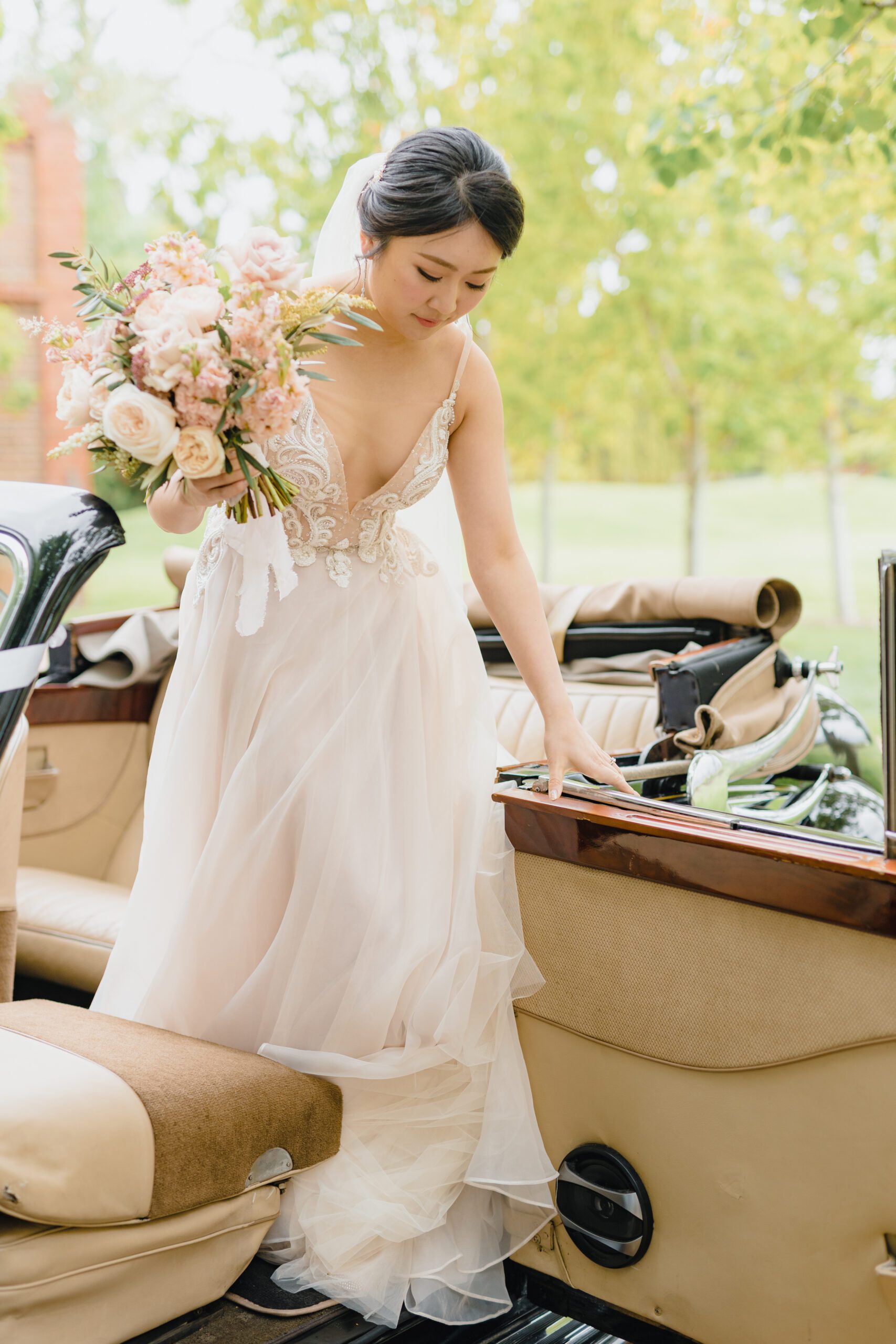
Flower Gardens and Public Parks: Locations like the Royal Botanic Gardens or Alowyn Gardens (known for its springtime wisteria) provide vibrant color palettes. To avoid overexposure in bright settings, photographers often use diffusers or natural shade to soften harsh sunlight. For close-ups, positioning couples under blossoming trees with dappled light creates a dreamy, ethereal effect.
Golden Hour Flexibility: Spring’s earlier sunsets (around 6 PM) allow for extended golden hour sessions. During this time, backlighting techniques—such as framing couples against sunset-lit foliage—can highlight hair details and create a warm, glowing aura. A common approach is to have the couple face away from the sun, using a reflector to bounce light onto their faces and avoid shadows.
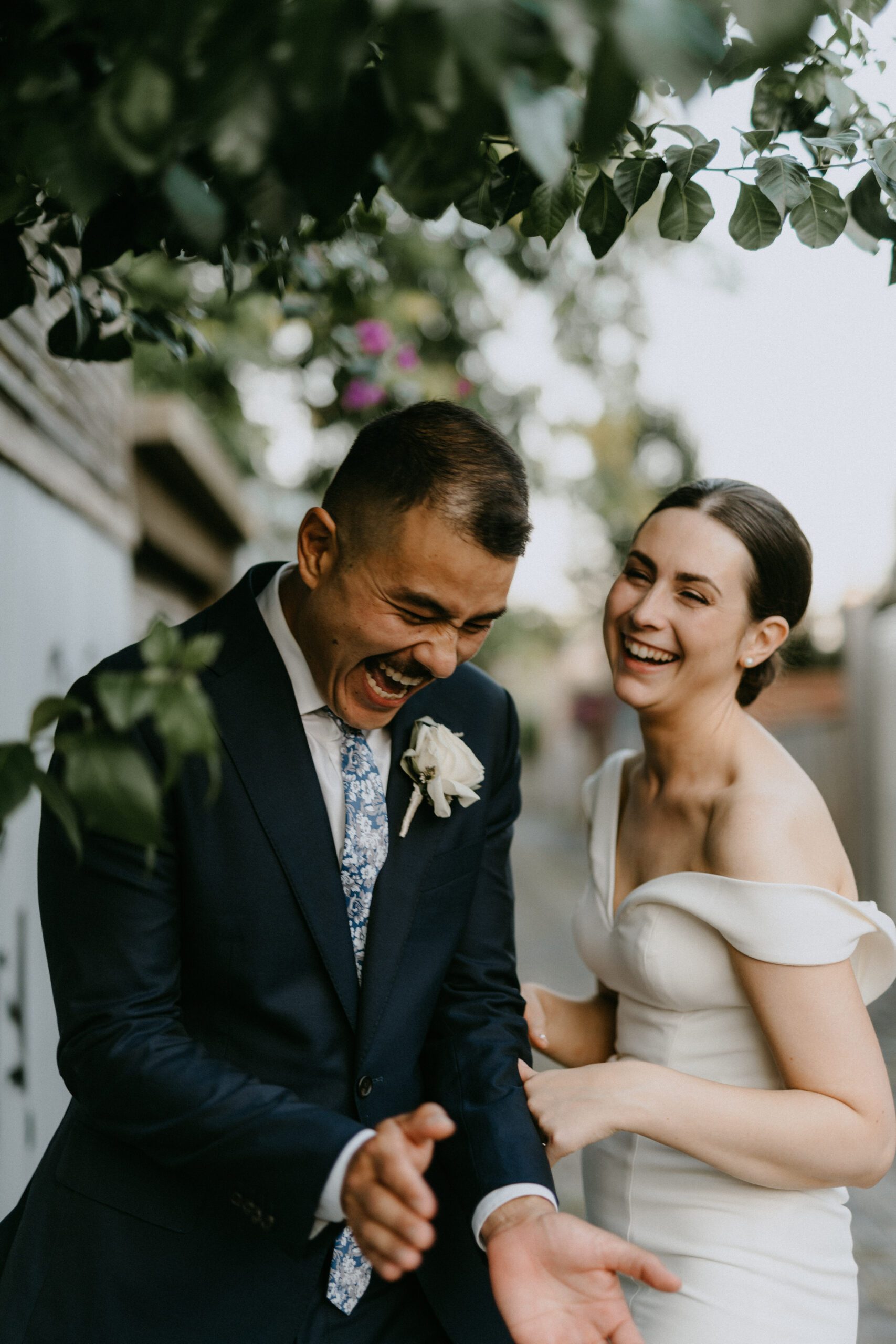
Dynamic Movement: Spring’s moderate weather encourages playful shots. Incorporating actions like twirling under flower arches or walking hand-in-hand through garden paths adds energy. Long exposure shots (1/8–1/15 sec) can capture motion blur in dresses or veils, contrasting with the sharpness of the couple for artistic effect.
Summer (December–February): Coastal Breezes and Sunset Drama
Summer’s warmer temperatures (20–35°C) and longer days suit beach and urban settings, with a focus on vibrant colors and dramatic lighting.
Beach and Coastal Scenes: Locations like Brighton Beach or St Kilda Pier offer iconic backdrops. To manage harsh midday sunlight, photographers shift sessions to early morning or late afternoon. For sunset shots, positioning the couple with the ocean behind them and using a wide aperture (f/2.8–f/4) creates silhouettes with bokeh effects from crashing waves.
Urban Exploration: Melbourne’s cityscape, including Federation Square and Hosier Lane, thrives in summer. Utilizing natural light reflections off glass buildings or capturing candid moments in shaded laneways adds depth. During peak heat, scheduling indoor breaks or opting for shorter sessions (2–3 hours) prevents fatigue and maintains natural expressions.
Water Interactions: Incorporating water elements—such as having the couple dip toes in the ocean or walk through shallow tide pools—adds spontaneity. Using a fast shutter speed (1/500 sec) freezes motion, while slower speeds (1/125 sec) create gentle blur in flowing fabrics.
Autumn (March–May): Warm Tones and Textured Backdrops
Autumn’s cooler temperatures (15–25°C) and golden-hued foliage make it perfect for moodier, textured imagery.
Historic and Natural Settings: Carlton Gardens and the Dandenong Ranges offer rich autumnal colors. Photographers often use side lighting to emphasize leaf textures, casting warm tones on the couple’s faces. For close-ups, framing the couple against a backdrop of falling leaves (captured mid-descent with a fast shutter) adds dynamism.
Layered Clothing: As temperatures drop, couples can incorporate cozy elements like knit shawls or tailored blazers. These accessories not only provide warmth but also add visual interest. Photographers guide couples to interact naturally with their attire, such as adjusting a scarf or sharing a jacket, to capture candid moments.
Muted Color Palettes: Autumn’s earthy tones (browns, oranges, deep greens) pair well with neutral wedding attire. To avoid color clashes, photographers suggest avoiding bright accessories and instead opting for muted accessories like beige or ivory.
Winter (June–August): Crisp Light and Intimate Atmospheres
Winter’s cooler days (10–20°C) and soft, diffused light create opportunities for intimate, cozy shoots.
Urban and Architectural Focus: Melbourne’s cityscape, including Parliament House and the Royal Exhibition Building, shines in winter. The low angle of winter sunlight casts long shadows, adding depth to architectural shots. For indoor-outdoor hybrid sessions, photographers use doorways or arches to frame couples against wintry skies.
Warm Lighting Techniques: To counteract the lack of natural warmth, photographers incorporate golden-hour mimicking techniques. Using off-camera flashes with orange gels or reflecting sunlight from windows can create a sunset-like glow. For night shots, leveraging city lights or fairy lights in parks adds a magical touch.
Layered Posing: Winter attire (faux fur stoles, velvet dresses) allows for creative layering. Photographers often position couples in close embraces to showcase texture details while maintaining warmth. Slow-motion shots of couples walking through parks with breath visible in the air can evoke a nostalgic, cinematic feel.
By tailoring techniques to each season’s unique qualities—from spring’s blossoms to winter’s crisp light—photographers can craft outdoor wedding imagery that feels both timeless and contextually rich.