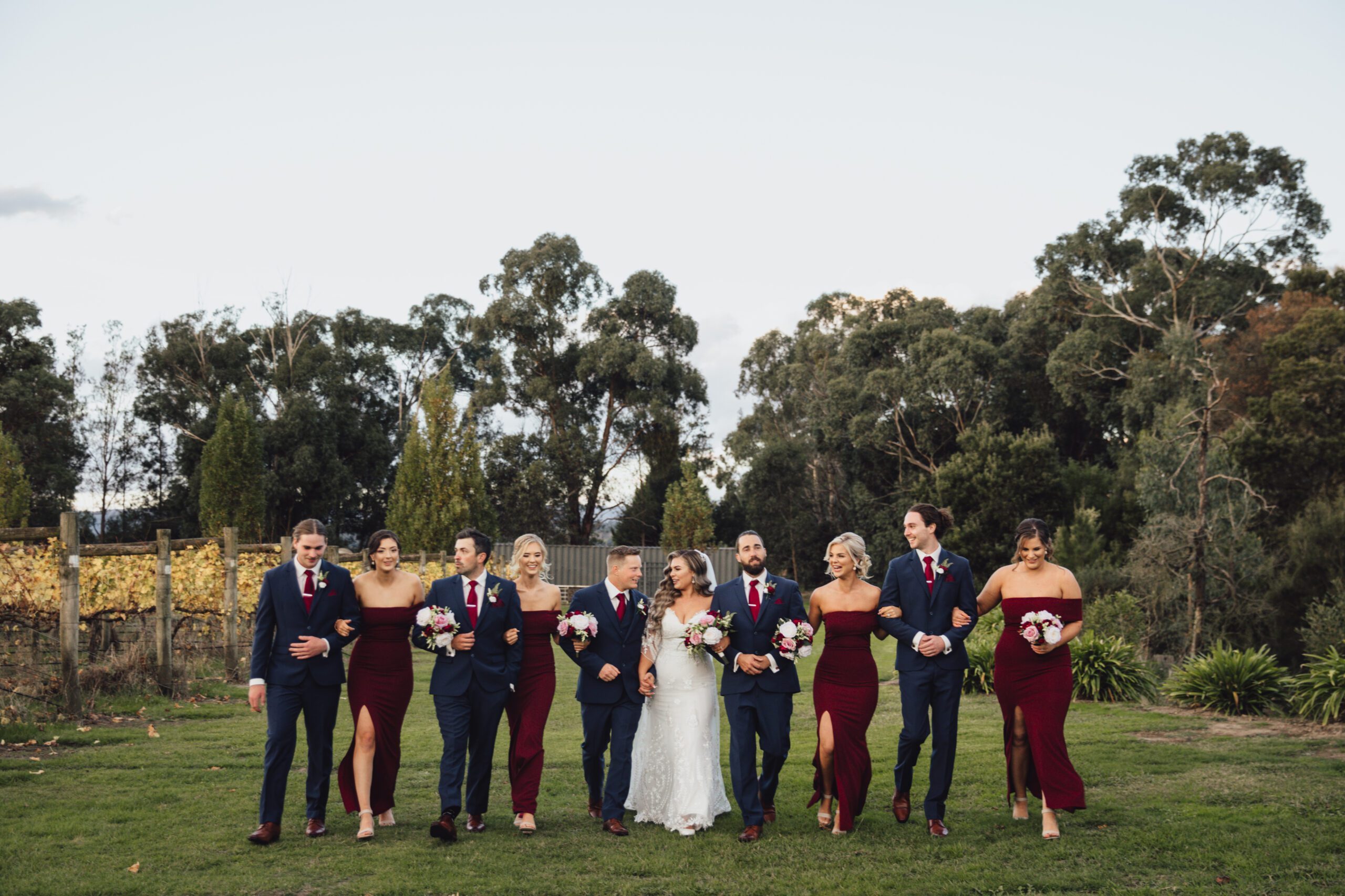
Salt spray protection for wedding photo shoots by the seaside in Melbourne
Navigating Melbourne’s Urban Traffic Planning: Key Insights for Filmmakers and Photographers
Melbourne’s evolving traffic infrastructure presents both challenges and opportunities for capturing dynamic urban scenes. With a population projected to surge to 11.5 million by 2055, the city is implementing transformative measures to manage congestion, enhance safety, and integrate sustainable transport. Here’s what creators need to know to align their projects with Melbourne’s traffic landscape.

Real-Time Data Systems Shaping Traffic Flow
Melbourne’s Department of Transport has rolled out a network of sensors and AI-driven tools to monitor traffic patterns in real time. Over 200 wireless sensors and 40 digital message boards now feed live data into the central traffic management hub, enabling rapid responses to incidents and congestion. For filmmakers, this means:
Dynamic Light Sequencing at Intersections
Traffic lights across the city are being reprogrammed using crash data and traffic patterns to optimize flow. For example, in high-demand areas like Box Hill and Clayton, sensors detect pedestrian volumes and adjust crossing times accordingly. During peak hours, lights may prioritize public transport routes, creating opportunities to capture buses or trams gliding through green waves.
Smart Intersection Upgrades
Trials of Bluetooth-enabled systems are underway to give priority to high-capacity vehicles like articulated buses. Meanwhile, CCTV cameras and obstructed intersection detection tech help clear accidents faster. Filming near upgraded junctions like those on Melton Highway or Point Cook Road could yield footage of cutting-edge traffic management in action.
School Zones and Residential Speed Limits
Safety-focused reforms are reshaping how traffic moves near schools and homes. Infrastructure Victoria’s 2025 report advocates lowering speed limits to 30 km/h in these areas, citing data showing that even minor speed reductions drastically cut accident risks. Key implications for creators:
Capturing Safer Streetscapes
With 7 child fatalities annually on Victorian roads—most in 50 km/h zones—the shift to 30 km/h limits is redesigning residential areas. Filmmakers can highlight calmer, pedestrian-friendly streets by shooting in suburbs like Glen Waverley or Wantirna South, where new speed regulations are being tested.
Documenting Enforcement Measures
To ensure compliance, authorities have installed 35 new cameras targeting speeding and red-light violations near schools. Locations like Canterbury Road in Box Hill now feature “invisible enforcement” tools, making them ideal for stories about urban safety evolution.
Public Transport Expansion and Non-Peak Incentives
Melbourne’s transport network is undergoing a $57 billion overhaul, with projects like the 90-kilometer Suburban Rail Loop and extended tram lines to Chadstone and Moorabbin reshaping commuter patterns. For creators, this opens doors to:
Filming Next-Gen Transit Infrastructure
The Suburban Rail Loop, set to feature driverless trains and underground stations 40 meters deep, offers futuristic backdrops. Meanwhile, new bus lanes and priority signals on routes like Springvale Road improve reliability, creating smoother shots of moving vehicles.
Non-Peak Hour Discounts
To ease rush-hour pressure, officials are trialing off-peak fare reductions, projected to cut 31 million car trips annually. Documenting early morning or late-afternoon commutes could showcase quieter trains and trams, contrasting with peak-hour crowds.
Traffic Hotspots and Clearway Enforcement
Three priority zones—western suburbs like Werribee, southeastern areas including Dandenong, and eastern districts such as Glen Waverley—are receiving targeted upgrades. Filmmakers should note:
Strict Clearway Rules
Arterial roads within 20 km of the CBD now enforce tow-away zones during clearway hours. Shooting near Main Street in Thomastown or Pascoe Vale Road requires planning around these restrictions to avoid disrupted takes.
Incident Response Crews
Six additional rapid-response teams and dozens of traffic engineers work around the clock to clear blockages. Capturing these crews in action near congestion points like Wurundjeri Way in Docklands could add realism to traffic-themed narratives.
Cycling Infrastructure and Sustainable Mobility
Melbourne’s 250-kilometer priority bike network is transforming how residents move. Filmmakers can leverage:
Protected Bike Lanes
New separated lanes on routes like St Kilda Road offer visually striking, safe spaces for cycling scenes. Pairing these with tram tracks or bus lanes creates layered urban compositions.
E-Bike Adoption Trends
As the city promotes electric bikes to reduce car dependency, shooting riders on upgraded paths like the Capital City Trail could reflect Melbourne’s shift toward greener transport.
By aligning projects with Melbourne’s traffic planning priorities—from real-time data systems to school zone safety and public transport upgrades—creators can produce content that resonates with the city’s dynamic evolution. Whether documenting infrastructure innovation or everyday commutes, understanding these shifts ensures footage that’s both timely and timeless.