Managing Wedding Photography Timelines in Melbourne: A Strategic Approach
Wedding photography in Melbourne demands precision, adaptability, and clear communication to ensure every moment is captured without delays. From coordinating with vendors to adjusting to unpredictable weather, effective timeline management is critical. Here’s how to structure your workflow for seamless execution.
Creating a Detailed Pre-Event Schedule
A well-planned timeline starts days before the wedding, aligning with the couple’s vision and logistical needs.
Initial Consultation and Itinerary Drafting
Begin by discussing the couple’s priorities, such as must-have shots, family groupings, and cultural traditions. Use this information to draft a preliminary timeline that includes key milestones:
- Getting-Ready Coverage: Allocate time for hair, makeup, and candid moments in both locations.
- Ceremony Timing: Confirm start and end times, accounting for religious or cultural rituals.
- Portrait Sessions: Schedule blocks for formal portraits, bridal party photos, and couple shots, ensuring ample time for creativity.
- Reception Flow: Map out speeches, dances, cake cutting, and other events to avoid missing critical moments.
Venue Scouting and Lighting Analysis
Visit the ceremony and reception venues ahead of time to assess lighting conditions and spatial constraints:
- Natural Light Patterns: Note the direction and intensity of sunlight during key hours, especially for outdoor ceremonies or portraits.
- Indoor Lighting Challenges: Identify areas with harsh fluorescent lighting or low ambient light, planning for supplemental gear like flashes or LED panels.
- Backup Plans: Prepare for inclement weather by scouting indoor alternatives or tent setups for outdoor events.
Day-Of Coordination and Flexibility
On the wedding day, adaptability is key. Unforeseen circumstances—like traffic delays or last-minute schedule changes—require quick thinking to keep the timeline on track.
Streamlining Transitions Between Locations
Minimize downtime by optimizing travel routes and loading equipment efficiently:
- Transportation Logistics: Coordinate with drivers or rideshare services to ensure punctual arrival at each venue.
- Equipment Prep: Pack gear in labeled bags for easy access during transitions, prioritizing lenses, batteries, and memory cards.
- Buffer Time: Build 15–20-minute buffers between segments to accommodate delays without stressing the schedule.
Real-Time Adjustments for Lighting and Crowds
Monitor environmental factors and crowd dynamics to maintain shot quality:
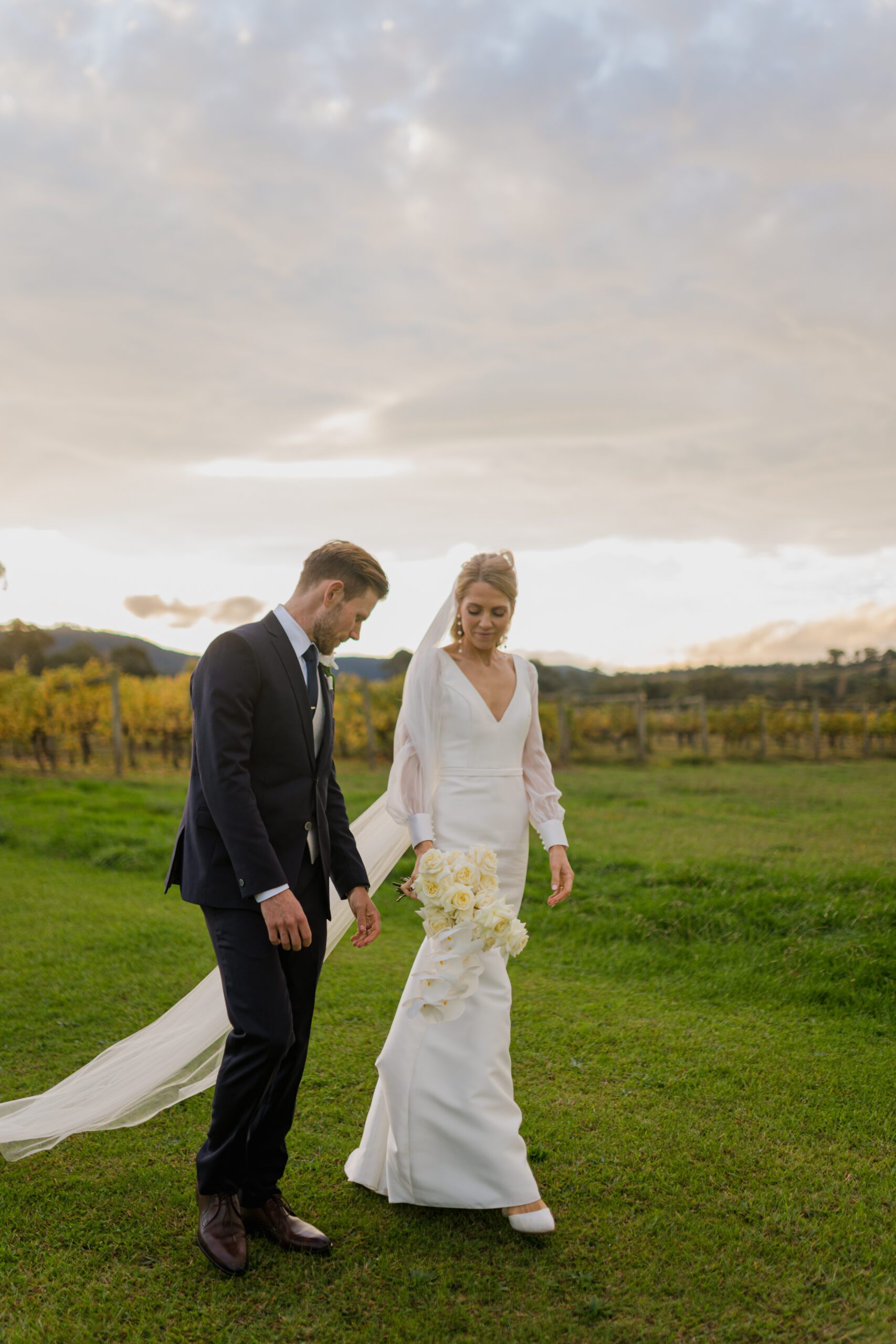
- Golden Hour Timing: If planning sunset portraits, track the exact time of sunset and adjust the itinerary to maximize soft, warm light.
- Crowd Management: Guide family members and guests during group photos to keep sessions organized and efficient.
- Noise Control: For video recordings, position microphones strategically to avoid background chatter during vows or speeches.
Post-Wedding Workflow Optimization
After the event, efficient post-production processes ensure timely delivery of final images without compromising quality.
Organized File Management and Backup
Protect your work by implementing a systematic approach to storing and editing photos:
- Immediate Backups: Transfer files to multiple external drives or cloud storage upon returning from the wedding.
- Culling Strategy: Quickly sort through images, marking favorites and discarding duplicates to streamline editing.
- Edit Consistency: Use presets or action sets to maintain a cohesive aesthetic across all photos, reducing time spent on individual adjustments.
Client Communication and Delivery Timelines
Set clear expectations for when couples can expect their photos or videos:
- Sneak Peeks: Share a handful of edited images within 48 hours to keep clients excited and engaged.
- Final Gallery Deadlines: Provide a realistic timeframe for delivering the complete gallery, typically 4–6 weeks post-wedding.
- Feedback Loops: Encourage clients to review and request minor edits promptly to avoid last-minute revisions.
Learning and Improving for Future Shoots
Reflect on each wedding to refine your approach for future events:
- Post-Event Debrief: Note what worked well and what could be improved, such as timing adjustments or gear upgrades.
- Client Surveys: Gather feedback to understand their experience and identify areas for growth.
- Industry Trends: Stay updated on new techniques or tools that could enhance efficiency, such as AI-assisted culling software or faster editing workflows.
By prioritizing preparation, adaptability, and post-event organization, Melbourne wedding photographers can deliver exceptional results while maintaining stress-free timelines. This structured approach ensures every couple receives a beautiful, timeless collection of memories.