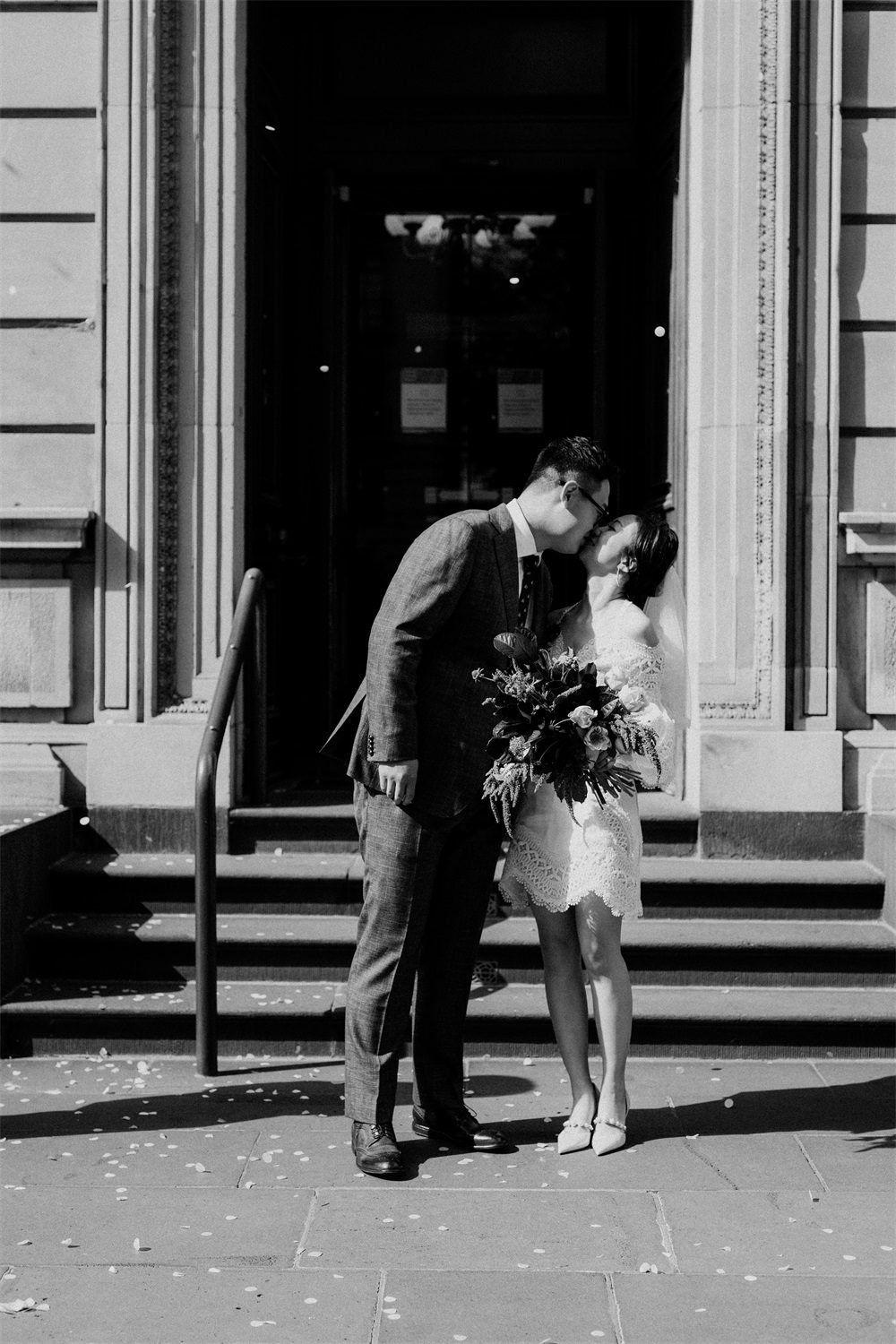
Post-processing requirements and precautions for wedding photography in Melbourne
Melbourne Wedding Photography: Key Considerations for Post-Production Editing Requests
The post-production phase of your Melbourne wedding photography is where raw images transform into timeless keepsakes. Clear communication with your photographer about editing preferences ensures the final results align with your vision while maintaining natural authenticity. Here’s how to navigate this process effectively.
Defining Your Aesthetic Preferences
Editing styles vary widely, from soft and airy to moody and dramatic. Melbourne’s diverse landscapes—coastal sunsets, urban skylines, or lush gardens—influence how colors and lighting should be enhanced. Start by identifying what resonates with you.
Color Grading and Tone Adjustments:
- Decide if you prefer warm, golden-hour hues or cooler, blue-toned shadows. Melbourne’s overcast days often yield muted tones that can be adjusted to feel brighter or more cinematic.
- Communicate whether you want vibrant greens in park settings or desaturated neutrals for a timeless look.
- Avoid over-saturating skin tones, which can appear unnatural. Aim for balanced warmth that complements your complexion.
Lighting and Contrast Enhancements:
- Highlight specific areas (e.g., a bride’s veil or a groom’s suit) to draw attention without losing detail in shadows.
- For beach photos, consider softening harsh sunlight to prevent blown-out highlights while preserving the ocean’s texture.
- Urban shots benefit from adjusted contrast to emphasize architectural lines without creating overly stark shadows.
Texture and Detail Preservation:
- Retain natural textures in outfits (lace, fabric folds) and backgrounds (brick walls, foliage) to avoid a “plastic” finish.
- If shooting in windy conditions, ask to smooth hair gently rather than erase movement entirely, which can look artificial.
- For group photos, ensure individual faces remain sharp even when blurring busy backgrounds.
Addressing Common Editing Requests
Couples often have specific concerns about their appearance or the environment. Handling these requests thoughtfully ensures the final images feel polished yet genuine.
Skin and Blemish Corrections:
- Request subtle smoothing of temporary flaws (acne, redness) while preserving natural skin texture.
- Avoid heavy airbrushing that erases freckles, moles, or wrinkles, as these details contribute to authenticity.
- For under-eye circles, ask for light brightening rather than complete removal to maintain a natural look.
Body and Posture Adjustments:
- If a pose feels awkward, request minor tweaks to posture (e.g., straightening a slouched shoulder) without altering body proportions.
- Clothing adjustments (fixing wrinkles, adjusting hemlines) should look seamless, not like the outfit was digitally altered.
- Refrain from requesting extreme slimming or resizing, which can distort the image’s realism.
Environmental Modifications:
- Remove distracting elements (e.g., trash bins, photobombing strangers) only if they detract from the composition.
- For cloudy skies, consider adding subtle sun rays or blue tones to enhance mood without overpowering the scene.
- If wind ruins a shot, ask to recreate the pose digitally rather than pasting in a different background, which rarely looks convincing.
Cultural and Personal Sensitivity:
- Respect requests to modify religious symbols, tattoos, or cultural attire only if the couple explicitly asks.
- If family members request edits (e.g., softening wrinkles), prioritize their comfort while maintaining consistency across the album.
Managing Timelines and Communication
Post-production delays often stem from unclear feedback or excessive rounds of revisions. Streamline the process with these strategies.
Initial Review Guidelines:
- Request a batch of 10–15 edited images first to assess the photographer’s interpretation of your style.
- Use descriptive language (e.g., “brighten the background without losing the rose garden’s details”) instead of vague terms like “make it pop.”
- Prioritize edits for key photos (ceremony, couple portraits) before minor shots to ensure critical moments meet expectations.
Feedback Structure:
- Organize comments by image number and specific issue (e.g., “Image 12: Adjust the contrast on the groom’s face”).
- Avoid subjective phrases like “I don’t like it” and instead explain what feels off (e.g., “The sky looks too orange compared to the rest of the scene”).
- Limit revisions to 2–3 rounds to prevent diminishing returns on quality.
Technical Considerations:
- Ask for high-resolution files in both color and black-and-white (if desired) to accommodate different display needs.
- Specify file formats (JPEG for web, TIFF for prints) to ensure compatibility with albums or framing services.
- If sharing images online, request optimized versions for social media without compromising print quality.
Deadline Management:
- Set realistic timelines (e.g., 4–6 weeks for full edits) and communicate urgent needs (e.g., holiday cards) upfront.
- Factor in Melbourne’s peak wedding seasons (spring and autumn), when photographers may have longer turnarounds.
- If delays occur, ask for periodic progress updates rather than frequent follow-ups, which can slow down the workflow.
By approaching post-production with clarity and respect, you’ll receive images that honor your day’s emotions and Melbourne’s unique charm. Trust your photographer’s expertise while advocating for adjustments that align with your aesthetic, ensuring the final album feels both timeless and true to your experience.