Notes for shooting St. Paul’s Cathedral in Melbourne
Essential Tips for Photographing Melbourne’s St. Paul’s Cathedral
Melbourne’s St. Paul’s Cathedral, with its Gothic Revival architecture and stunning stained-glass windows, is a breathtaking location for photography. Whether you’re capturing a wedding, a portrait session, or architectural details, understanding the best practices for shooting here ensures your images stand out. Here’s what to keep in mind.

Lighting Considerations for Interior Shots
The cathedral’s interior is dimly lit, relying heavily on natural light filtering through stained glass and artificial chandeliers. To avoid overly dark or grainy photos, adjust your camera settings accordingly.
Maximizing Natural Light:
Shoot during daylight hours when sunlight streams through the windows, casting colorful patterns on the floors and walls. Position your subjects near these light sources to highlight their features while maintaining the cathedral’s ambient mood. Avoid using flash, as it can disrupt the serene atmosphere and create harsh reflections on glass surfaces.
Balancing Exposure:
The contrast between bright windows and shadowy corners can challenge your camera’s dynamic range. Use exposure bracketing to capture multiple shots at different exposure levels, then blend them in post-processing for a balanced result. Alternatively, manually adjust your ISO and aperture to retain detail in both highlights and shadows.
Low-Light Techniques:
If shooting in dimmer areas, stabilize your camera with a tripod to prevent blur from slow shutter speeds. Increase your ISO slightly, but be mindful of noise—modern cameras handle higher ISOs better than older models. For handheld shots, opt for a wider aperture (e.g., f/2.8 or lower) to let in more light while keeping the subject sharp.
Composing with Architectural Elements
St. Paul’s Cathedral is rich with intricate details, from soaring arches to ornate carvings. Use these features to frame your shots and add depth to your compositions.
Leading Lines and Symmetry:
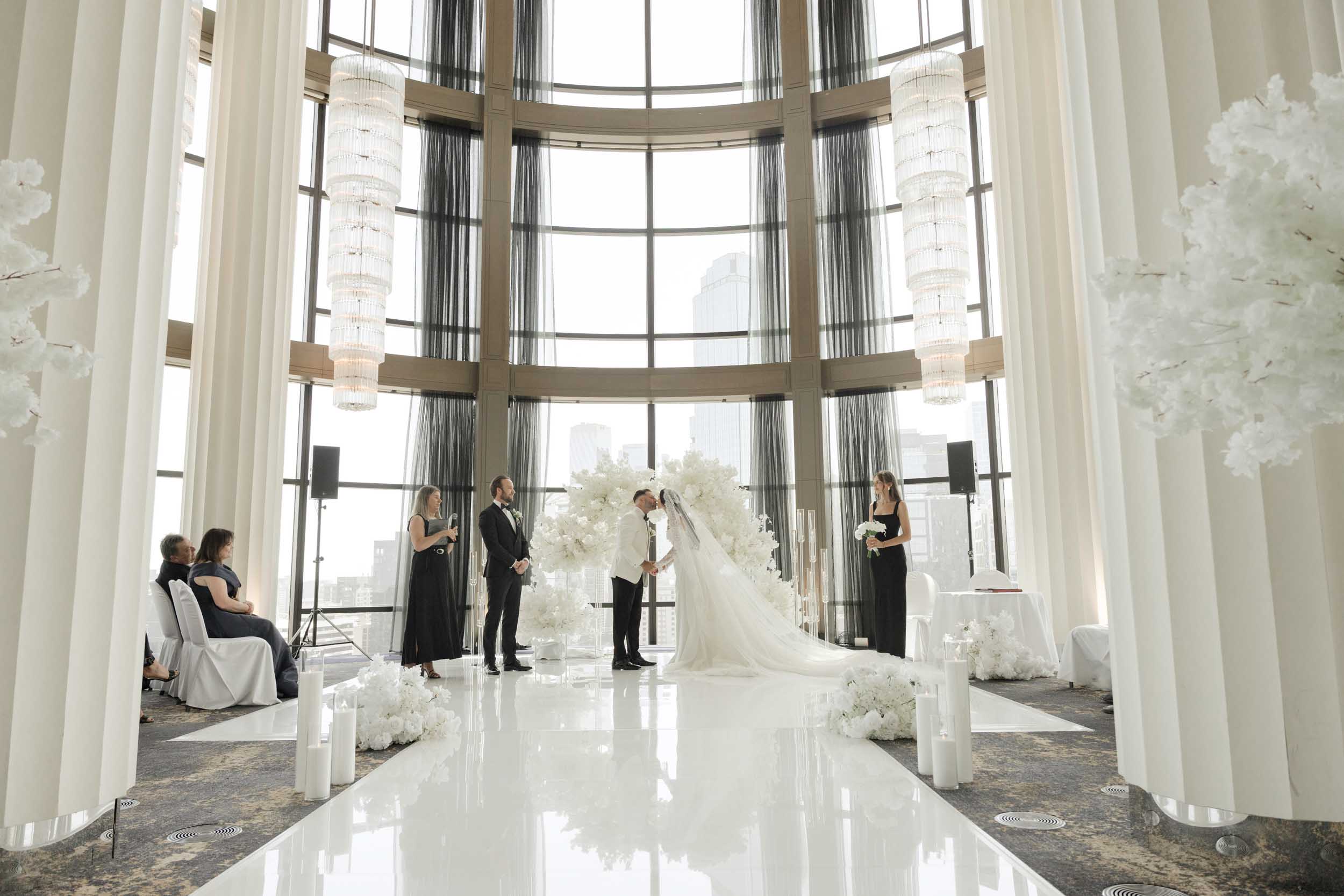
The cathedral’s nave and aisles create natural leading lines that draw the eye toward the altar or a focal point. Stand at the center of the aisle and shoot straight ahead to emphasize the space’s grandeur. For symmetry, position your subject equidistant from pillars or arches, creating a balanced, harmonious image.
Framing with Doorways and Windows:
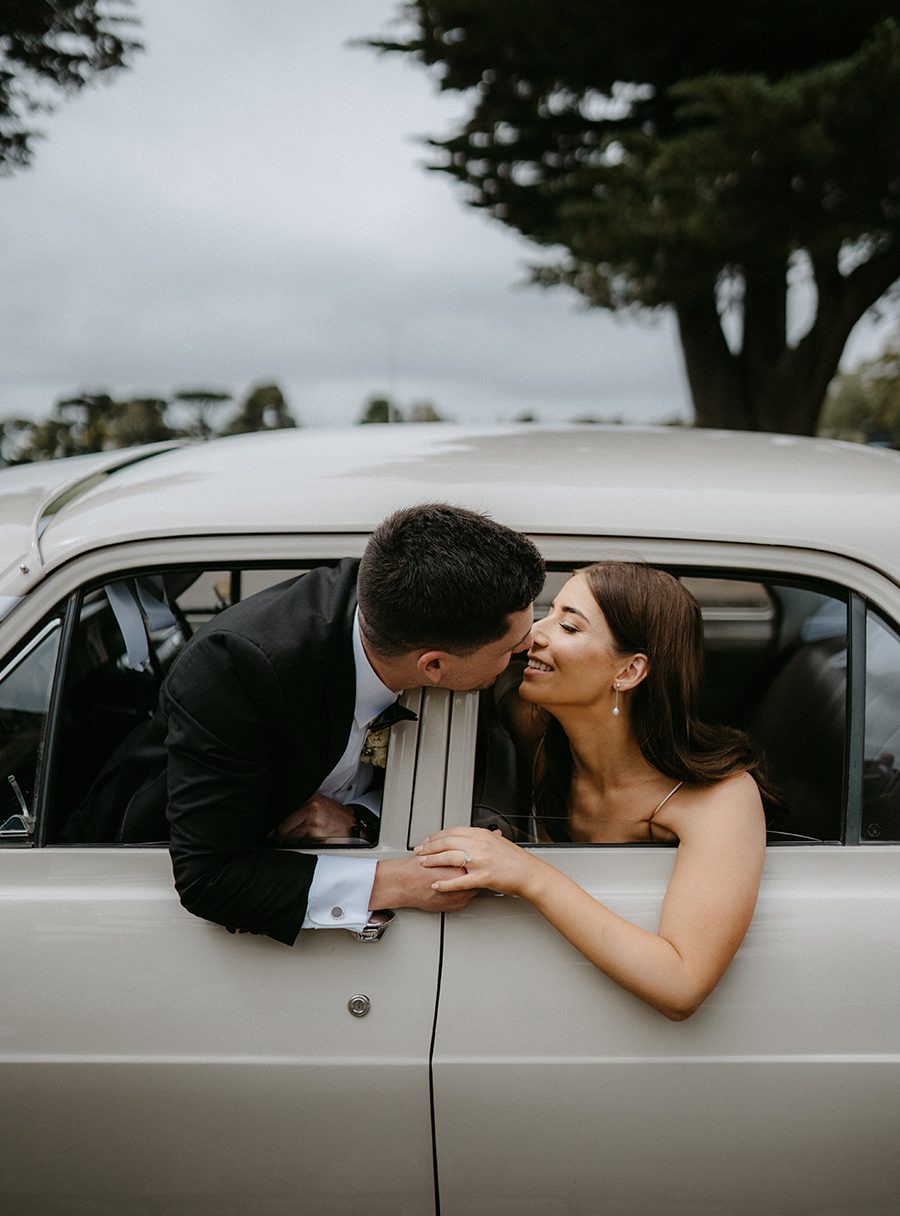
Use the cathedral’s doorways, arches, or stained-glass windows as frames for your subjects. For example, place the couple inside a doorway, with the cathedral’s exterior visible in the background, or capture a portrait through a window to add layers and context. This technique adds visual interest and connects the subject to the setting.
Capturing Details:
Zoom in on smaller elements like carved stone faces, wooden pews, or patterned floor tiles. These shots tell a story of the cathedral’s history and craftsmanship. Use a macro lens or your camera’s macro mode to capture fine textures, and shoot from a low angle to emphasize their scale.
Respecting the Space and Its Rules
St. Paul’s Cathedral is a place of worship, so it’s crucial to photograph respectfully and adhere to any guidelines provided by staff.
Quiet and Discreet Shooting:
Keep noise to a minimum, especially during services or events. Avoid using loud equipment or moving furniture, and be mindful of others praying or touring the space. If using a tripod, set it up quickly and avoid blocking pathways.
Permission for Commercial Use:
If you plan to use your photos for commercial purposes (e.g., selling prints, advertising, or publishing in a magazine), check whether you need permission from the cathedral’s administration. Some religious sites restrict commercial photography to protect their intellectual property and privacy.
Dress Code and Behavior:
Dress modestly out of respect for the cathedral’s sacred nature. Avoid revealing clothing or accessories that might distract from the setting. Similarly, refrain from eating, drinking, or smoking inside, and dispose of trash properly.
Timing Your Visit for Optimal Conditions
The time of day and week can significantly impact your photography experience at St. Paul’s Cathedral.
Avoiding Crowds:
Early mornings or weekdays are often less busy than weekends or holidays, giving you more space to compose shots without interruptions. If shooting during peak hours, be patient and wait for gaps in foot traffic to capture cleaner images.
Weather and Lighting Outside:
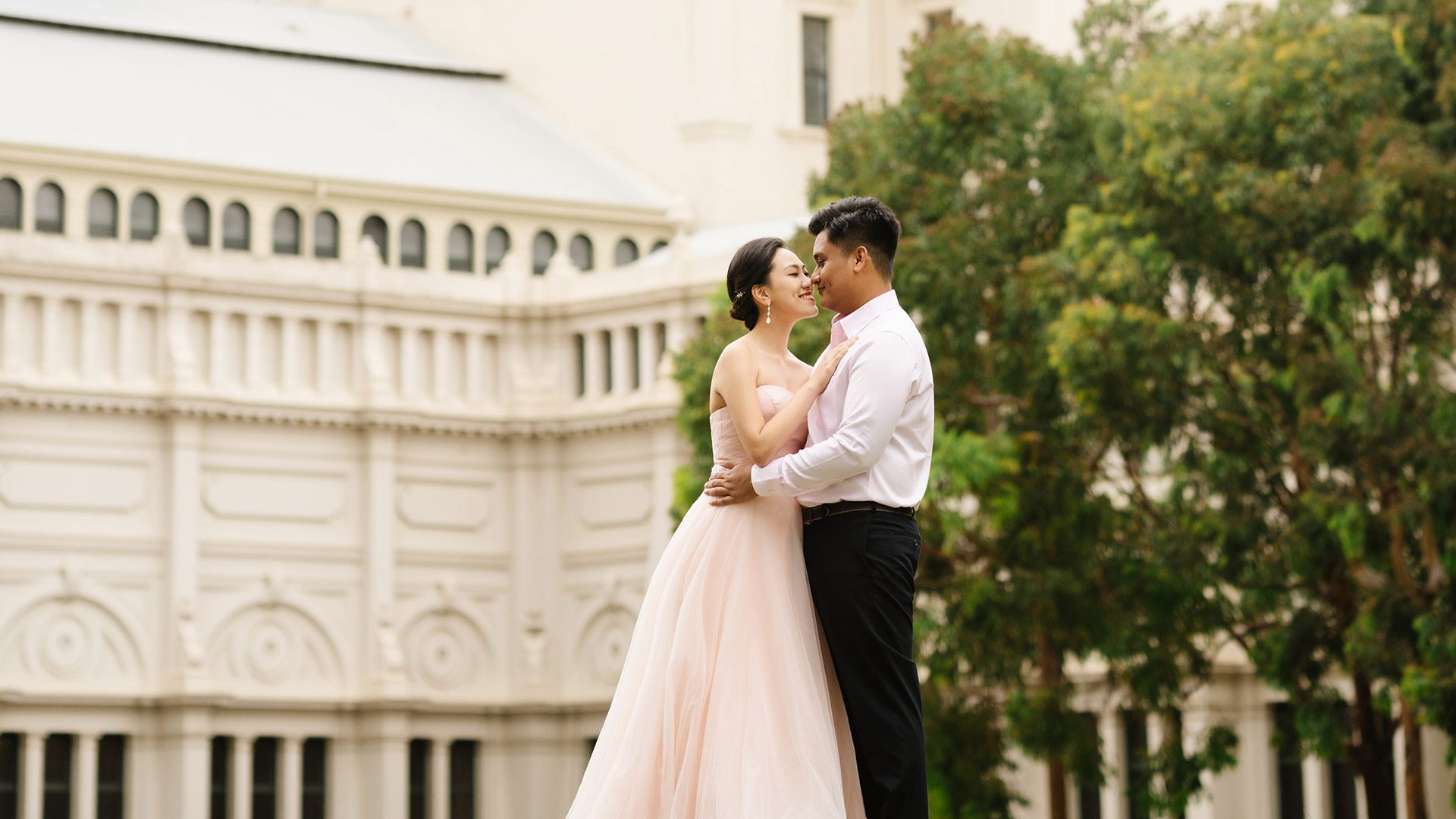
For exterior shots, overcast days provide soft, even lighting that minimizes harsh shadows and highlights. If shooting in sunlight, position your subjects in shade or use a reflector to bounce light onto their faces. Sunset and sunrise offer warm, golden tones that enhance the cathedral’s stone facade.
Special Events and Closures:
Check the cathedral’s calendar for events like concerts, weddings, or religious ceremonies, as these may restrict photography access. Similarly, confirm opening hours, as some areas might be closed for restoration or private functions.
By following these tips, you’ll capture stunning, respectful images of St. Paul’s Cathedral that highlight its architectural beauty and spiritual significance. Whether you’re focusing on grand vistas or intimate details, a thoughtful approach ensures your photos honor both the space and its purpose.