Evermore weddings

PHOTO & VIDEO

Evermore weddings 003-icon
×
HOME
PHOTOGRAPHY
VIDEOGRAPHY
PACKAGES
ABOUT
BLOG
CONTACT
Multi-angle composition shooting for wedding photography in Melbourne
Bolg

Warning: foreach() argument must be of type array|object, bool given in /www/wwwroot/evermoreweddings.com.au/wp-content/themes/phlox-pro/single.php on line 167
Multi-angle composition shooting for wedding photography in Melbourne

Melbourne Wedding Photography With Multi-Angle Composition: Every Frame Tells a Different Story

One angle. That is all most couples get from their wedding photographer. Stand here. Look at me. Smile. Next spot. Stand there. Look at me. Smile. The result is a gallery that looks the same from start to finish. Same perspective. Same framing. Same energy. It gets boring fast. Multi-angle composition changes everything. A photographer who shoots from multiple angles — high, low, wide, tight, behind, beside — creates a gallery that feels dynamic. Every image has a different point of view. Every frame reveals something the last one did not. It is like watching a film instead of flipping through a photo album. If you have been Googling "multi-angle wedding photography Melbourne" or "creative composition wedding photographer Melbourne," you already know that one-angle shoots feel flat. You want depth. You want variety. You want a photographer who actually thinks about framing instead of just pointing and clicking.
Melbourne Wedding Photography With Multi-Angle Composition: Every Frame Tells a Different Story
One angle. That is all most couples get from their wedding photographer. Stand here. Look at me. Smile. Next spot. Stand there. Look at me. Smile. The result is a gallery that looks the same from start to finish. Same perspective. Same framing. Same energy. It gets boring fast.

Multi-angle composition changes everything. A photographer who shoots from multiple angles — high, low, wide, tight, behind, beside — creates a gallery that feels dynamic. Every image has a different point of view. Every frame reveals something the last one did not. It is like watching a film instead of flipping through a photo album.

If you have been Googling "multi-angle wedding photography Melbourne" or "creative composition wedding photographer Melbourne," you already know that one-angle shoots feel flat. You want depth. You want variety. You want a photographer who actually thinks about framing instead of just pointing and clicking.

Why Shooting From One Angle Kills Your Gallery
Think about the last time you scrolled through someone's wedding photos. If every single shot looked the same — same height, same distance, same direction — you probably stopped scrolling after ten images. That is the problem with single-angle photography. It is repetitive. It is predictable. And it does not capture the full story of your day.

A wedding is not a flat event. It happens in three dimensions. People move. Light shifts. Emotions change direction. A photographer who only shoots from eye level is missing half of what is actually happening.

The Eye-Level Trap
Most photographers default to shooting at eye level. It is safe. It is easy. It looks "normal." But normal is boring. When every photo is taken from the same height as everyone's eyes, nothing stands out. The bride looks the same in every frame. The groom looks the same. The venue looks the same.

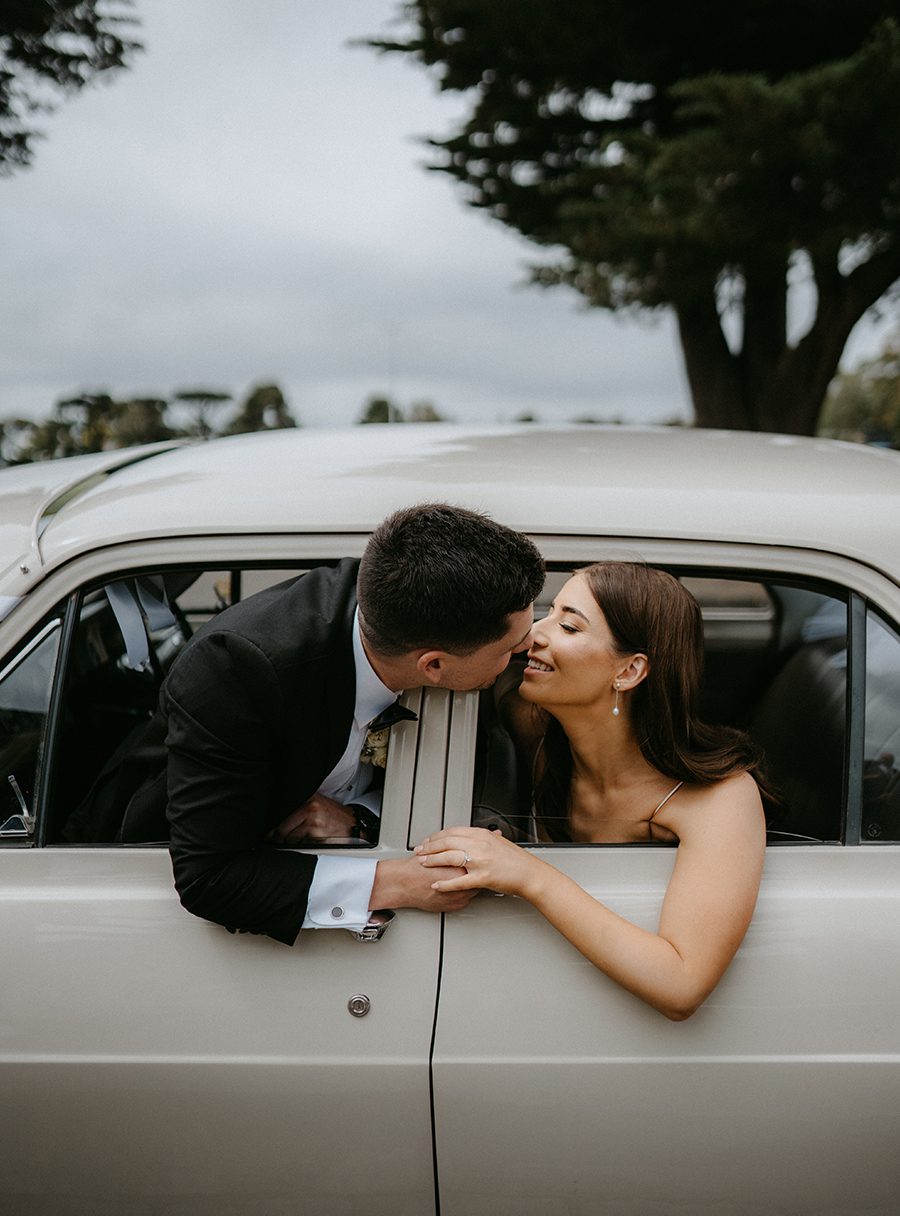
Multi-angle composition breaks out of that trap. The photographer shoots from above. From below. From the side. From behind. From inside a crowd. From outside a window. Each angle changes the story the photo tells. A shot from below makes the couple look powerful. A shot from above makes them look intimate. A shot from behind makes them look mysterious.

This is not about being artsy for the sake of it. It is about giving the couple a gallery that actually reflects the complexity of their day — not a flattened, one-dimensional version of it.

How Multi-Angle Composition Works in Practice
A photographer who shoots from multiple angles does not just wander around randomly. There is a strategy. Every angle is chosen for a reason. Every frame is composed to serve the story.

The Wide Shot That Sets the Scene
Every great gallery starts with context. A wide shot from a distance shows where the couple is. The venue. The light. The mood. It tells the viewer "this is where it happened" before zooming into the details.

In Melbourne, wide shots are especially powerful because the city offers so much visual texture. A wide frame at the Royal Botanic Gardens shows the green canopy, the path, the couple small in the distance. At Southbank, a wide shot captures the skyline, the river, the golden light. These opening frames anchor the entire gallery.

A photographer who only shoots close-ups skips this step entirely. The gallery has no context. No sense of place. It just feels like a bunch of faces floating in nowhere.

The Tight Shot That Captures Emotion
After the wide shot sets the scene, the photographer moves in. Tight shots focus on hands, eyes, lips, tears, laughter. These are the frames that make people cry when they see them years later.

A close-up of the bride's hand trembling as she puts on the ring. A tight frame of the groom's eyes filling with tears during the vows. A close shot of two foreheads touching in the middle of a crowded dance floor. These moments are invisible from a distance. They only exist up close.

Multi-angle composition means the photographer alternates between wide and tight constantly. One frame pulls back. The next frame pushes in. The gallery breathes. It has rhythm. It does not feel like a wall of the same thing repeated over and over.

The Low Angle That Adds Drama
Shooting from below is one of the most underused techniques in wedding photography. A low angle makes the couple look taller, more powerful, more cinematic. It turns a simple kiss into a movie scene.

In Melbourne, low angles work beautifully against the city's architecture. Shooting up at a couple standing in front of a Victorian terrace gives the photo a grandeur that eye-level shots cannot match. Shooting up from the ground at Southbank during golden hour, with the sky glowing behind them, creates a silhouette that looks like a poster.

Most photographers never get low. They are too comfortable standing at eye level. The ones who do — who actually drop to their knees and shoot upward — produce images that look completely different from everything else in the gallery.

The Overhead Shot That Captures Intimacy
An overhead shot — also called a bird's-eye view — is one of the most intimate angles in wedding photography. The photographer shoots straight down at the couple from above. It flattens the world into just two people. Nothing else matters. Just them.

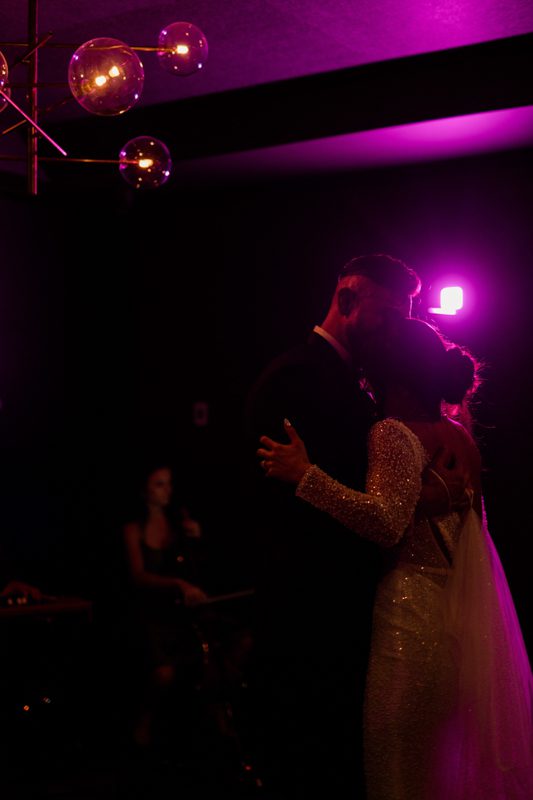
This angle works incredibly well for detail shots. The couple's hands intertwined. The rings on a table. The bouquet from above. The first dance seen from a balcony. It gives the viewer a perspective they would never have in real life — and that is what makes it so striking.

In Melbourne, overhead shots shine in laneway locations. A narrow Fitzroy laneway shot from above becomes a graphic, almost abstract image. The couple is surrounded by color and texture, but the overhead angle simplifies it into something clean and beautiful.

The Melbourne Factor: Why Multi-Angle Works Better Here
Melbourne is one of the best cities in the world for multi-angle composition. The reason is simple — the city is visually diverse. You can shoot a wide urban frame in the CBD, then move ten minutes to a quiet garden for a tight intimate shot, then drive to the coast for a dramatic low-angle silhouette. All in one day.

How Melbourne Light Changes the Angle Strategy
Morning light in Melbourne is soft and directional. It comes in from the side, which means shooting from different angles produces completely different moods. A side-lit portrait at 7 AM looks warm and golden. The same couple shot from the front at 7 AM looks flat and lifeless.

Midday light is harsh and overhead. This is actually perfect for dramatic shadows. A photographer who shoots from a low angle at noon can turn hard shadows into a striking composition. The couple stands in a pool of light while everything around them is dark. It looks editorial. It looks intentional.

Golden hour light is warm and low. This is when low-angle shots and backlit silhouettes come alive. The photographer shoots from behind the couple, letting the sun blow out the background. The result is a frame that feels like a painting — soft edges, warm tones, pure emotion.

A photographer who understands Melbourne light will adjust their angle strategy based on the time of day. They do not shoot the same way at 8 AM as they do at 5 PM. They adapt. And that adaptation is what makes the final gallery feel cohesive but never repetitive.

The Difference Multi-Angle Makes in the Final Gallery
Flip through two wedding galleries. One is shot from a single angle. The other uses five or six different angles. The difference is immediate. The single-angle gallery looks fine but forgettable. The multi-angle gallery looks like it belongs in a magazine — not because the photos are overly edited, but because every frame feels intentional.

Variety Keeps the Viewer Engaged
Human eyes get bored fast. When every photo looks the same, the brain stops paying attention. But when every photo has a different perspective — wide, tight, high, low, front, back — the brain stays engaged. The viewer keeps scrolling. They want to see what comes next.

This is why multi-angle galleries get shared more. They get saved more. They get printed more. They feel like a story, not a slideshow. And that is exactly what couples want when they invest in a wedding photographer.

It Captures Moments You Did Not Even Know Existed
A photographer shooting from multiple angles catches things you did not know were happening. The way your dad looked at you during the ceremony. The way your best friend was crying in the background. The way the light hit the table during the reception. These moments are invisible from one angle. But from three or four different angles, they all show up.

This is the hidden value of multi-angle composition. It is not just about making the photos look cool. It is about making sure nothing gets missed. Every emotion. Every detail. Every micro-moment that made your day what it was — captured from the angle that tells its story best.

What to Look for in a Multi-Angle Photographer in Melbourne
Not every photographer who claims to shoot from multiple angles actually does it well. Some say they do but every photo still looks the same. When you are searching for "creative angle wedding photography Melbourne" or "dynamic composition wedding photographer Melbourne," here is how to tell the difference.

Check the Portfolio for Angle Variety
Open their gallery. Look at the first ten images. Are they all the same angle? Same distance? Same height? If yes, they are not shooting from multiple angles. They are shooting from one angle and calling it variety.

A real multi-angle photographer will have wide shots next to tight shots next to overhead shots next to low-angle shots. The gallery will feel like it was shot by someone who moves around, not someone who stands in one spot.

Ask During the Consultation
Ask directly: "How many angles do you typically shoot from during a session?" A photographer who actually does multi-angle work will give you a specific answer. "I usually shoot from at least five or six different angles per location." That is what you want to hear.

If they say "I just shoot what feels natural," that is a red flag. Natural does not mean one angle. It means the photographer reads the scene and chooses the best angle for each moment — which means they are using multiple angles by default.

Read the Reviews for Mention of Creative Angles
Google reviews are honest. Search the photographer's name plus "creative angles" or "different perspectives" or "amazing compositions." If couples mention that the photos looked different from every angle, that is exactly what you are looking for.

Couples who search for "artistic wedding photographer Melbourne" or "editorial angle wedding photography Melbourne" are specifically looking for this. They do not want a safe, predictable gallery. They want something that feels like it was made by someone who actually sees the world differently — and shoots it that way.

The Technical Side of Multi-Angle Shooting
Shooting from multiple angles is not just about creativity. It is about skill. The photographer has to move fast. They have to read the light from each new position. They have to compose each frame quickly because the moment does not wait.

Lens Choice Matters
A photographer who shoots from multiple angles needs a versatile kit. A wide-angle lens for the big scene. A 50mm or 85mm for tight portraits. A tilt-shift for overhead shots. A macro lens for detail work. The right lens for the right angle — that is the formula.

In Melbourne, where locations change constantly, a photographer who carries multiple lenses can adapt to any angle the scene demands. A narrow laneway calls for a wide lens. A quiet garden calls for a telephoto. A rooftop at sunset calls for something in between. The lens choice is part of the angle strategy.

Timing Is Everything
The best angles often last only a few seconds. The light hits the couple from the side for thirty seconds. Then it moves. The photographer has to be ready. They have to know which angle works best for that specific moment — and they have to get the shot before the light changes.

This is why multi-angle photographers in Melbourne tend to be fast. They do not overthink. They see the moment, pick the angle, and shoot. They trust their instincts. And that speed is what separates a great multi-angle gallery from a mediocre one.

Why This Style Is Growing in Melbourne Right Now
Couples in Melbourne are getting more visual. They scroll Instagram every day. They see creative angles in fashion shoots, in travel photos, in editorial spreads. They want that same energy in their wedding photos. They do not want to look like every other couple who got married at the same venue last month.

Multi-angle composition delivers that. It gives every couple a gallery that feels custom-made — not because the photos are heavily edited, but because the perspective is unique to their day, their location, their light.

Search queries like "creative wedding photography Melbourne," "artistic angle wedding shoot Melbourne," and "dynamic wedding photo composition Melbourne" confirm this trend. Couples are not just looking for a photographer. They are looking for a photographer who sees the world from more than one angle — and has the skill to prove it.
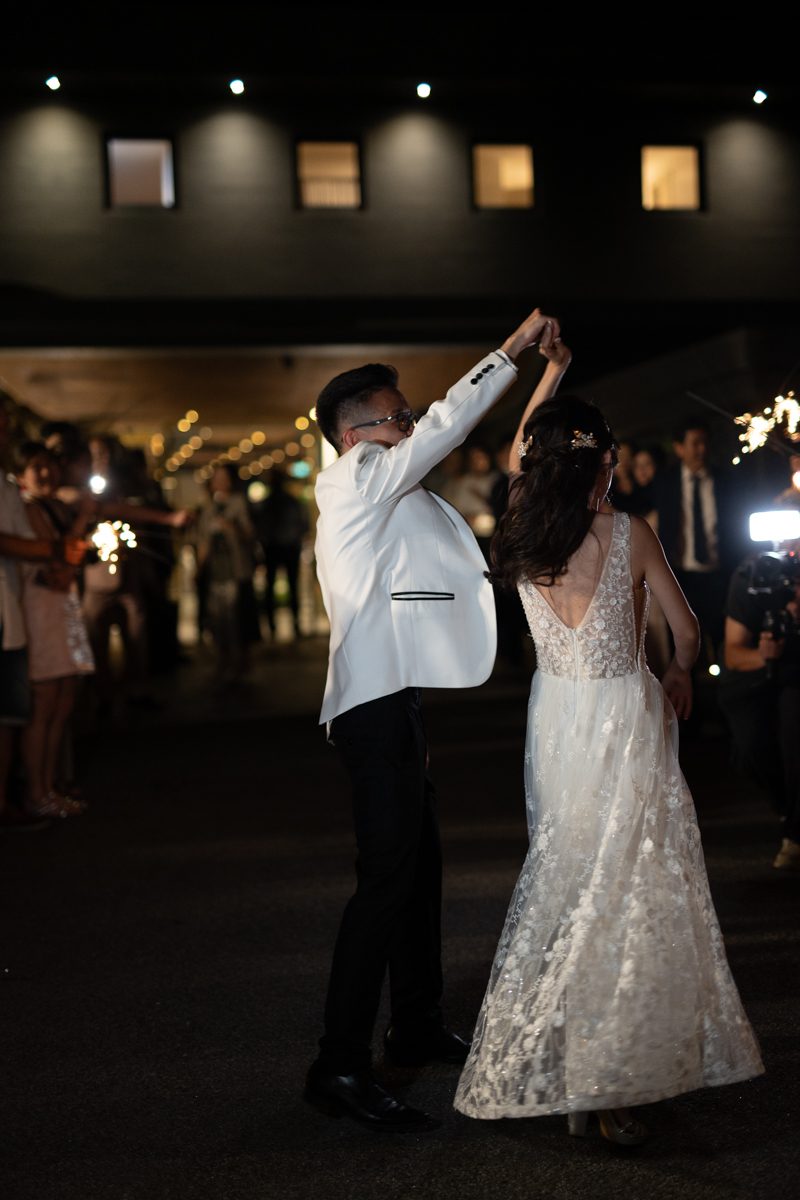
Why Shooting From One Angle Kills Your Gallery

Think about the last time you scrolled through someone's wedding photos. If every single shot looked the same — same height, same distance, same direction — you probably stopped scrolling after ten images. That is the problem with single-angle photography. It is repetitive. It is predictable. And it does not capture the full story of your day. A wedding is not a flat event. It happens in three dimensions. People move. Light shifts. Emotions change direction. A photographer who only shoots from eye level is missing half of what is actually happening.

The Eye-Level Trap

Most photographers default to shooting at eye level. It is safe. It is easy. It looks "normal." But normal is boring. When every photo is taken from the same height as everyone's eyes, nothing stands out. The bride looks the same in every frame. The groom looks the same. The venue looks the same. Multi-angle composition breaks out of that trap. The photographer shoots from above. From below. From the side. From behind. From inside a crowd. From outside a window. Each angle changes the story the photo tells. A shot from below makes the couple look powerful. A shot from above makes them look intimate. A shot from behind makes them look mysterious. This is not about being artsy for the sake of it. It is about giving the couple a gallery that actually reflects the complexity of their day — not a flattened, one-dimensional version of it.

How Multi-Angle Composition Works in Practice

A photographer who shoots from multiple angles does not just wander around randomly. There is a strategy. Every angle is chosen for a reason. Every frame is composed to serve the story.

The Wide Shot That Sets the Scene

Every great gallery starts with context. A wide shot from a distance shows where the couple is. The venue. The light. The mood. It tells the viewer "this is where it happened" before zooming into the details. In Melbourne, wide shots are especially powerful because the city offers so much visual texture. A wide frame at the Royal Botanic Gardens shows the green canopy, the path, the couple small in the distance. At Southbank, a wide shot captures the skyline, the river, the golden light. These opening frames anchor the entire gallery. A photographer who only shoots close-ups skips this step entirely. The gallery has no context. No sense of place. It just feels like a bunch of faces floating in nowhere.

The Tight Shot That Captures Emotion

After the wide shot sets the scene, the photographer moves in. Tight shots focus on hands, eyes, lips, tears, laughter. These are the frames that make people cry when they see them years later. A close-up of the bride's hand trembling as she puts on the ring. A tight frame of the groom's eyes filling with tears during the vows. A close shot of two foreheads touching in the middle of a crowded dance floor. These moments are invisible from a distance. They only exist up close. Multi-angle composition means the photographer alternates between wide and tight constantly. One frame pulls back. The next frame pushes in. The gallery breathes. It has rhythm. It does not feel like a wall of the same thing repeated over and over.

The Low Angle That Adds Drama

Shooting from below is one of the most underused techniques in wedding photography. A low angle makes the couple look taller, more powerful, more cinematic. It turns a simple kiss into a movie scene. In Melbourne, low angles work beautifully against the city's architecture. Shooting up at a couple standing in front of a Victorian terrace gives the photo a grandeur that eye-level shots cannot match. Shooting up from the ground at Southbank during golden hour, with the sky glowing behind them, creates a silhouette that looks like a poster. Most photographers never get low. They are too comfortable standing at eye level. The ones who do — who actually drop to their knees and shoot upward — produce images that look completely different from everything else in the gallery.

The Overhead Shot That Captures Intimacy

An overhead shot — also called a bird's-eye view — is one of the most intimate angles in wedding photography. The photographer shoots straight down at the couple from above. It flattens the world into just two people. Nothing else matters. Just them. This angle works incredibly well for detail shots. The couple's hands intertwined. The rings on a table. The bouquet from above. The first dance seen from a balcony. It gives the viewer a perspective they would never have in real life — and that is what makes it so striking. In Melbourne, overhead shots shine in laneway locations. A narrow Fitzroy laneway shot from above becomes a graphic, almost abstract image. The couple is surrounded by color and texture, but the overhead angle simplifies it into something clean and beautiful.

The Melbourne Factor: Why Multi-Angle Works Better Here

Melbourne is one of the best cities in the world for multi-angle composition. The reason is simple — the city is visually diverse. You can shoot a wide urban frame in the CBD, then move ten minutes to a quiet garden for a tight intimate shot, then drive to the coast for a dramatic low-angle silhouette. All in one day.

How Melbourne Light Changes the Angle Strategy

Morning light in Melbourne is soft and directional. It comes in from the side, which means shooting from different angles produces completely different moods. A side-lit portrait at 7 AM looks warm and golden. The same couple shot from the front at 7 AM looks flat and lifeless. Midday light is harsh and overhead. This is actually perfect for dramatic shadows. A photographer who shoots from a low angle at noon can turn hard shadows into a striking composition. The couple stands in a pool of light while everything around them is dark. It looks editorial. It looks intentional. Golden hour light is warm and low. This is when low-angle shots and backlit silhouettes come alive. The photographer shoots from behind the couple, letting the sun blow out the background. The result is a frame that feels like a painting — soft edges, warm tones, pure emotion. A photographer who understands Melbourne light will adjust their angle strategy based on the time of day. They do not shoot the same way at 8 AM as they do at 5 PM. They adapt. And that adaptation is what makes the final gallery feel cohesive but never repetitive.

The Difference Multi-Angle Makes in the Final Gallery

Flip through two wedding galleries. One is shot from a single angle. The other uses five or six different angles. The difference is immediate. The single-angle gallery looks fine but forgettable. The multi-angle gallery looks like it belongs in a magazine — not because the photos are overly edited, but because every frame feels intentional.

Variety Keeps the Viewer Engaged

Human eyes get bored fast. When every photo looks the same, the brain stops paying attention. But when every photo has a different perspective — wide, tight, high, low, front, back — the brain stays engaged. The viewer keeps scrolling. They want to see what comes next. This is why multi-angle galleries get shared more. They get saved more. They get printed more. They feel like a story, not a slideshow. And that is exactly what couples want when they invest in a wedding photographer.

It Captures Moments You Did Not Even Know Existed

A photographer shooting from multiple angles catches things you did not know were happening. The way your dad looked at you during the ceremony. The way your best friend was crying in the background. The way the light hit the table during the reception. These moments are invisible from one angle. But from three or four different angles, they all show up. This is the hidden value of multi-angle composition. It is not just about making the photos look cool. It is about making sure nothing gets missed. Every emotion. Every detail. Every micro-moment that made your day what it was — captured from the angle that tells its story best.

What to Look for in a Multi-Angle Photographer in Melbourne

Not every photographer who claims to shoot from multiple angles actually does it well. Some say they do but every photo still looks the same. When you are searching for "creative angle wedding photography Melbourne" or "dynamic composition wedding photographer Melbourne," here is how to tell the difference.

Check the Portfolio for Angle Variety

Open their gallery. Look at the first ten images. Are they all the same angle? Same distance? Same height? If yes, they are not shooting from multiple angles. They are shooting from one angle and calling it variety. A real multi-angle photographer will have wide shots next to tight shots next to overhead shots next to low-angle shots. The gallery will feel like it was shot by someone who moves around, not someone who stands in one spot.

Ask During the Consultation

Ask directly: "How many angles do you typically shoot from during a session?" A photographer who actually does multi-angle work will give you a specific answer. "I usually shoot from at least five or six different angles per location." That is what you want to hear. If they say "I just shoot what feels natural," that is a red flag. Natural does not mean one angle. It means the photographer reads the scene and chooses the best angle for each moment — which means they are using multiple angles by default.

Read the Reviews for Mention of Creative Angles

Google reviews are honest. Search the photographer's name plus "creative angles" or "different perspectives" or "amazing compositions." If couples mention that the photos looked different from every angle, that is exactly what you are looking for. Couples who search for "artistic wedding photographer Melbourne" or "editorial angle wedding photography Melbourne" are specifically looking for this. They do not want a safe, predictable gallery. They want something that feels like it was made by someone who actually sees the world differently — and shoots it that way.

The Technical Side of Multi-Angle Shooting

Shooting from multiple angles is not just about creativity. It is about skill. The photographer has to move fast. They have to read the light from each new position. They have to compose each frame quickly because the moment does not wait.

Lens Choice Matters

A photographer who shoots from multiple angles needs a versatile kit. A wide-angle lens for the big scene. A 50mm or 85mm for tight portraits. A tilt-shift for overhead shots. A macro lens for detail work. The right lens for the right angle — that is the formula. In Melbourne, where locations change constantly, a photographer who carries multiple lenses can adapt to any angle the scene demands. A narrow laneway calls for a wide lens. A quiet garden calls for a telephoto. A rooftop at sunset calls for something in between. The lens choice is part of the angle strategy.

Timing Is Everything

The best angles often last only a few seconds. The light hits the couple from the side for thirty seconds. Then it moves. The photographer has to be ready. They have to know which angle works best for that specific moment — and they have to get the shot before the light changes. This is why multi-angle photographers in Melbourne tend to be fast. They do not overthink. They see the moment, pick the angle, and shoot. They trust their instincts. And that speed is what separates a great multi-angle gallery from a mediocre one.

Why This Style Is Growing in Melbourne Right Now

Couples in Melbourne are getting more visual. They scroll Instagram every day. They see creative angles in fashion shoots, in travel photos, in editorial spreads. They want that same energy in their wedding photos. They do not want to look like every other couple who got married at the same venue last month. Multi-angle composition delivers that. It gives every couple a gallery that feels custom-made — not because the photos are heavily edited, but because the perspective is unique to their day, their location, their light. Search queries like "creative wedding photography Melbourne," "artistic angle wedding shoot Melbourne," and "dynamic wedding photo composition Melbourne" confirm this trend. Couples are not just looking for a photographer. They are looking for a photographer who sees the world from more than one angle — and has the skill to prove it.
Other
Evermore weddings
Approaching each wedding as an exciting adventure, we embrace the unknown with open hearts. Fully immersing ourselves in your celebration, we invest the time to comprehend your vision, your narrative, and your profound connection. Our objective is to encapsulate not only the grand moments but also the minute details, stolen glances, and spontaneous bursts of happiness. By weaving these elements together, we create a visual tapestry that authentically reflects the very essence of your love, igniting the emotions and preserving the memories that will be cherished for a lifetime.
CONTACT US
Evermore weddings Evermore weddings