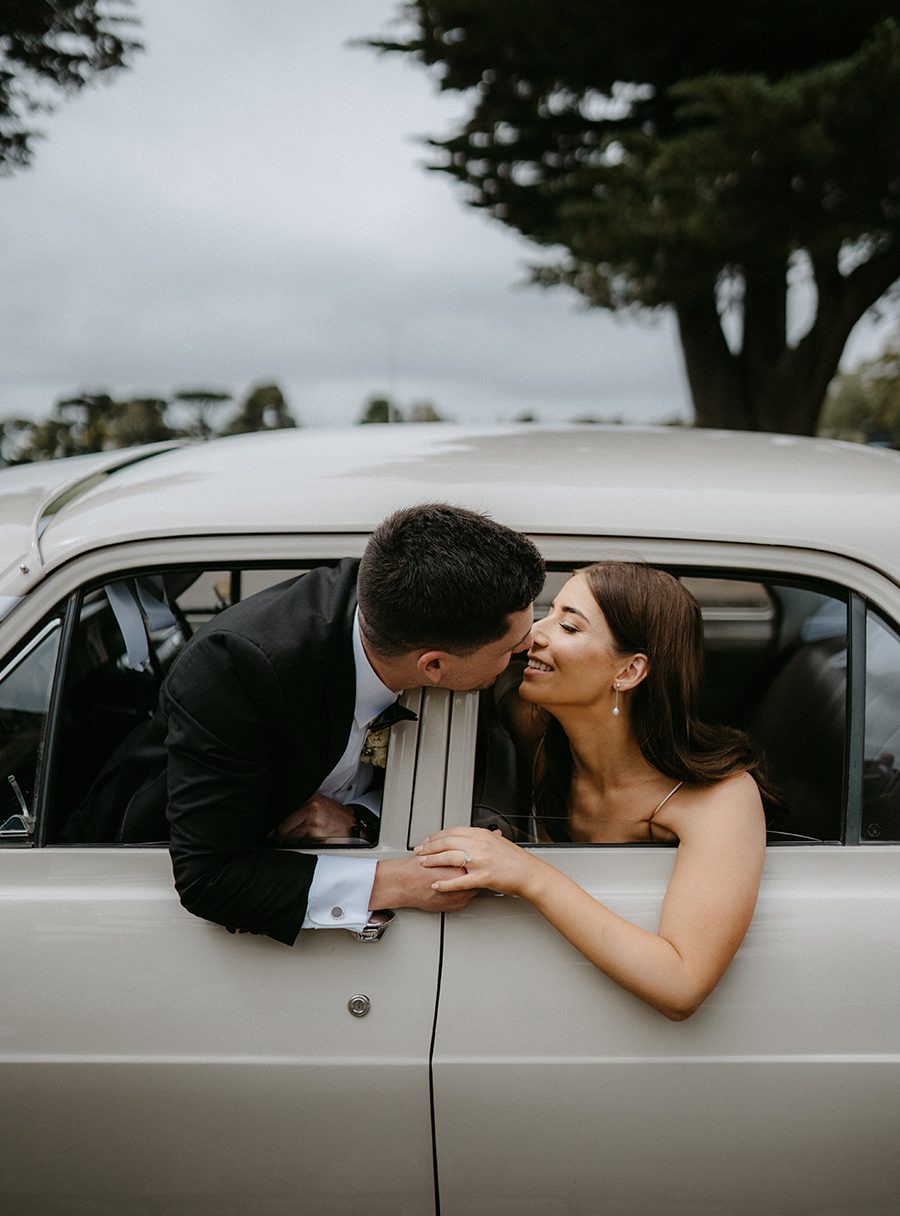
Methods for utilizing outdoor light in Melbourne wedding photography
Mastering Natural Light for Melbourne Wedding Photography Outdoor Shoots
Melbourne’s ever-changing weather and diverse landscapes demand a nuanced understanding of natural light. From golden-hour glows to overcast diffusions, mastering light manipulation ensures timeless, emotion-driven imagery. Below are key strategies for leveraging Melbourne’s unique lighting conditions.

Golden Hour Magic: Timing Your Session for Ethereal Results
The hour after sunrise and before sunset bathes Melbourne in a warm, directional glow, ideal for romantic portraits. In coastal areas like Brighton Beach, the low-angle sun casts elongated shadows, adding depth to colorful bathing boxes and sandy dunes. For urban settings, St Kilda Pier’s wooden planks and lighthouse silhouettes become dramatic backdrops when lit from the side.
To maximize this window:
- Schedule sessions 30 minutes before sunset for softer contrasts.
- Position couples facing the light source to highlight facial features while avoiding harsh shadows.
- Use reflectors to bounce light onto darker areas, such as under chins or behind hair.
In winter, Melbourne’s shorter days mean adjusting timelines—prioritize late-afternoon shoots to capture the fleeting golden hour.
Overcast Elegance: Embracing Soft, Even Illumination
Cloudy skies transform Melbourne’s parks and gardens into natural diffusers, eliminating harsh shadows and reducing the need for artificial lighting. The Royal Botanic Gardens’ lush foliage and tranquil lakes appear vibrant yet balanced under this lighting, perfect for intimate close-ups.
Key techniques for overcast conditions:
- Opt for lighter-colored outfits to prevent subjects from blending into muted backgrounds.
- Use a fill flash or reflector to add subtle highlights to faces, ensuring they don’t appear flat.
- Explore moody compositions by framing couples against darker foliage or architecture, such as the Melbourne Museum’s modernist facade.
Overcast days also allow for midday shoots without the risk of squinting or overexposure, offering flexibility in scheduling.
Backlighting Brilliance: Creating Drama with Silhouettes and Halos
Backlighting—where the primary light source is behind the subject—adds artistic flair to outdoor shoots. At Half Moon Bay, positioning couples with the ocean and sunset behind them creates striking silhouettes or glowing hair effects. Similarly, urban venues like Flinders Street Station’s arched windows can serve as dramatic backdrops when lit from behind.
To achieve this:
- Meter for the subject’s face, exposing correctly while allowing the background to overexpose slightly for a dreamy effect.
- Use a lens hood to prevent lens flare, or embrace it creatively by positioning the sun partially obscured by foliage or architecture.
- For added definition, combine backlighting with a reflector or fill flash to illuminate facial details.
In windy conditions, such as along the Yarra River, backlighting can emphasize movement in flowing dresses or veils, adding dynamism to static poses.
Dynamic Weather Adaptations: Making the Most of Melbourne’s Climate
Melbourne’s infamous “four seasons in one day” requires adaptability. Sudden cloud cover can soften harsh midday sun, while brief sunbreaks offer opportunities for quick, high-contrast shots. For example, a rain shower at the Melbourne Zoo’s rainforest exhibit can create reflective surfaces, enhancing the lush greenery’s vibrancy.
Practical adjustments include:
- Carrying portable diffusers or umbrellas to manage unexpected sunlight.
- Scouting locations with natural windbreaks, like the Melbourne Cricket Ground’s covered walkways, to stabilize hair and fabric.
- Using rain as a creative tool—capturing couples under shared umbrellas or reflecting cityscapes in puddles for a unique perspective.
By staying flexible, photographers can turn unpredictable weather into a storytelling asset, adding authenticity to the narrative.
Final Thoughts
Melbourne’s outdoor wedding photography thrives on understanding and manipulating natural light. Whether harnessing the golden hour’s warmth, embracing overcast softness, or crafting drama with backlighting, each approach requires technical precision and artistic vision. By adapting to the city’s dynamic climate and leveraging its iconic landscapes, photographers can create images that resonate with emotion and timeless elegance.