Melbourne wedding photography with a niche, atmosphere-filled, cinematic style
Melbourne Wedding Photography: Capturing Intimate, Cinematic Atmospheres
Melbourne’s eclectic mix of urban grit, natural beauty, and hidden gems makes it an ideal canvas for couples seeking wedding photography with a niche, cinematic vibe. Unlike traditional posed shots, this style prioritizes mood, storytelling, and raw emotion, drawing inspiration from indie films and art-house cinema. It’s about creating images that feel less like snapshots and more like frames from a beloved movie—evoking nostalgia, mystery, or quiet intimacy. For couples who want their wedding photos to tell a deeper story, Melbourne’s diverse landscapes and atmospheric locations offer endless possibilities.
The Art of Storytelling Through Cinematic Composition
Cinematic wedding photography is rooted in the language of film—framing, lighting, and movement all work together to convey emotion and narrative. Instead of relying on perfect symmetry or bright, even lighting, this approach embraces asymmetry, shadows, and unconventional angles to create visual tension and depth.
One key technique is using depth of field to isolate subjects from their surroundings. A shallow depth of field—achieved with a wide aperture—blurs the background, drawing attention to the couple while adding a dreamy, ethereal quality. This works especially well in Melbourne’s textured environments, like graffiti-covered laneways or misty coastal cliffs, where the background becomes a soft, artistic backdrop rather than a distraction.
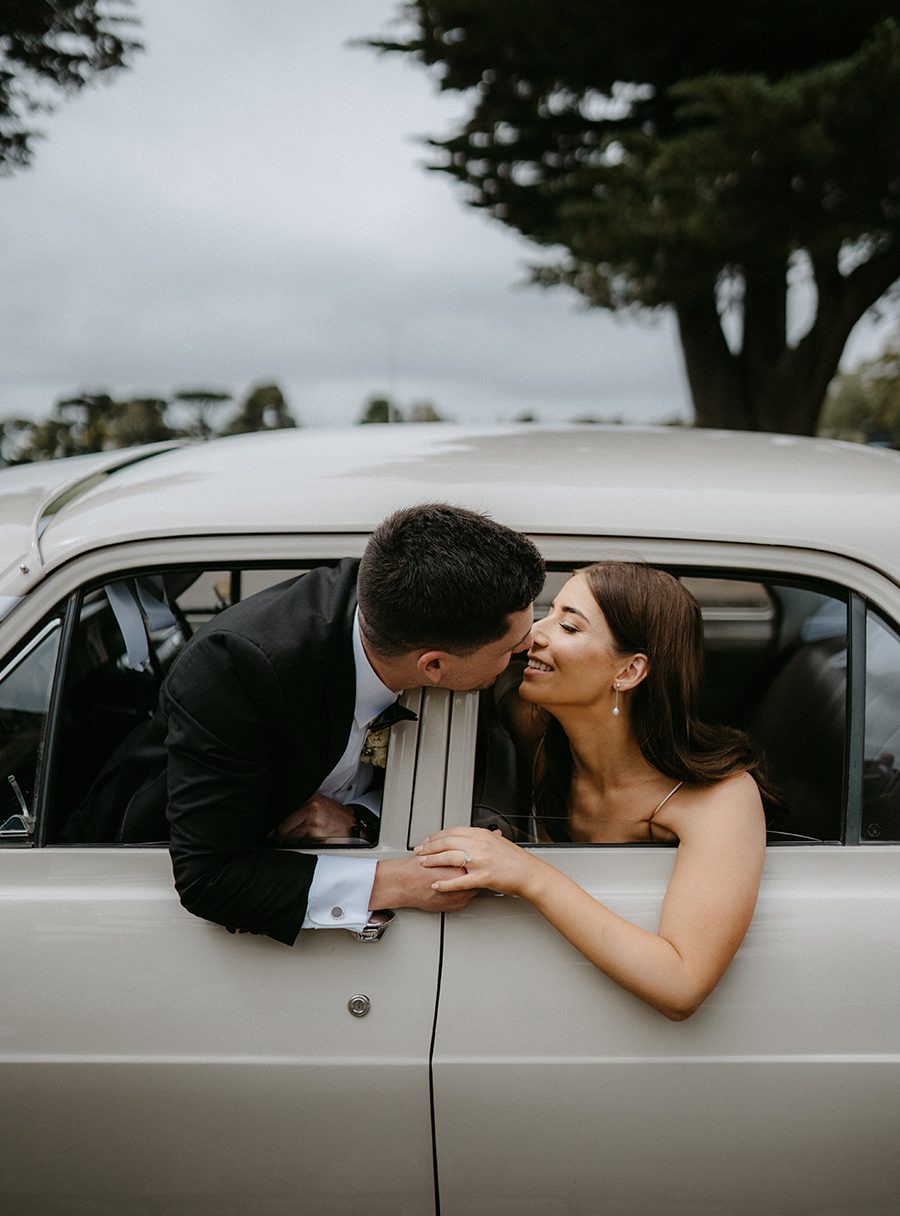
Another hallmark of cinematic photography is dynamic framing. Instead of placing the couple dead center, try shooting from low angles, high above, or through doorways or windows to add layers and context. For example, capturing the bride and groom through the arches of a historic building or the branches of a tree can create a sense of framing that feels both intentional and natural, guiding the viewer’s eye toward the emotional core of the image.
Lighting plays a crucial role in setting the mood. Soft, golden-hour light can create a warm, romantic glow, while harsh midday sun can be used to create dramatic contrasts and bold shadows. Don’t shy away from shooting in low light or rainy weather—these conditions can add a moody, atmospheric quality that feels uniquely cinematic.
Melbourne’s Hidden Gems: Unconventional Locations for Cinematic Shots
While iconic landmarks like St. Paul’s Cathedral or the Royal Botanic Gardens are beautiful, Melbourne’s true charm lies in its lesser-known spots. These hidden gems offer a more intimate, authentic feel that aligns perfectly with the niche, cinematic style.
For an industrial, urban vibe, explore the warehouses and abandoned factories in the West End. These gritty, textured spaces—with their exposed brick, rusted metal, and large windows—provide a striking contrast to the softness of wedding attire, creating images that feel both raw and romantic. Shooting during the blue hour, just after sunset, can add a moody, neon-tinged glow to the scene, enhancing the cinematic atmosphere.
If you’re drawn to nature but want to avoid clichéd beach shots, head to the Dandenong Ranges. The lush ferns, moss-covered trees, and winding trails create a mystical, forest-like setting that feels straight out of a fantasy film. The soft, diffused light filtering through the canopy adds a magical quality to the images, while the quiet, secluded atmosphere allows the couple to connect authentically without distractions.
For a touch of whimsy, consider shooting in one of Melbourne’s quirky, art-filled neighborhoods like Fitzroy or Collingwood. The colorful street art, vintage shops, and eclectic architecture provide a vibrant, playful backdrop that can add personality and character to your photos. Look for murals or interesting doorways to frame your shots, or capture the couple walking hand-in-hand down a cobblestone street, their laughter echoing through the laneway.
Embracing Candid Moments: The Heart of Cinematic Wedding Photography
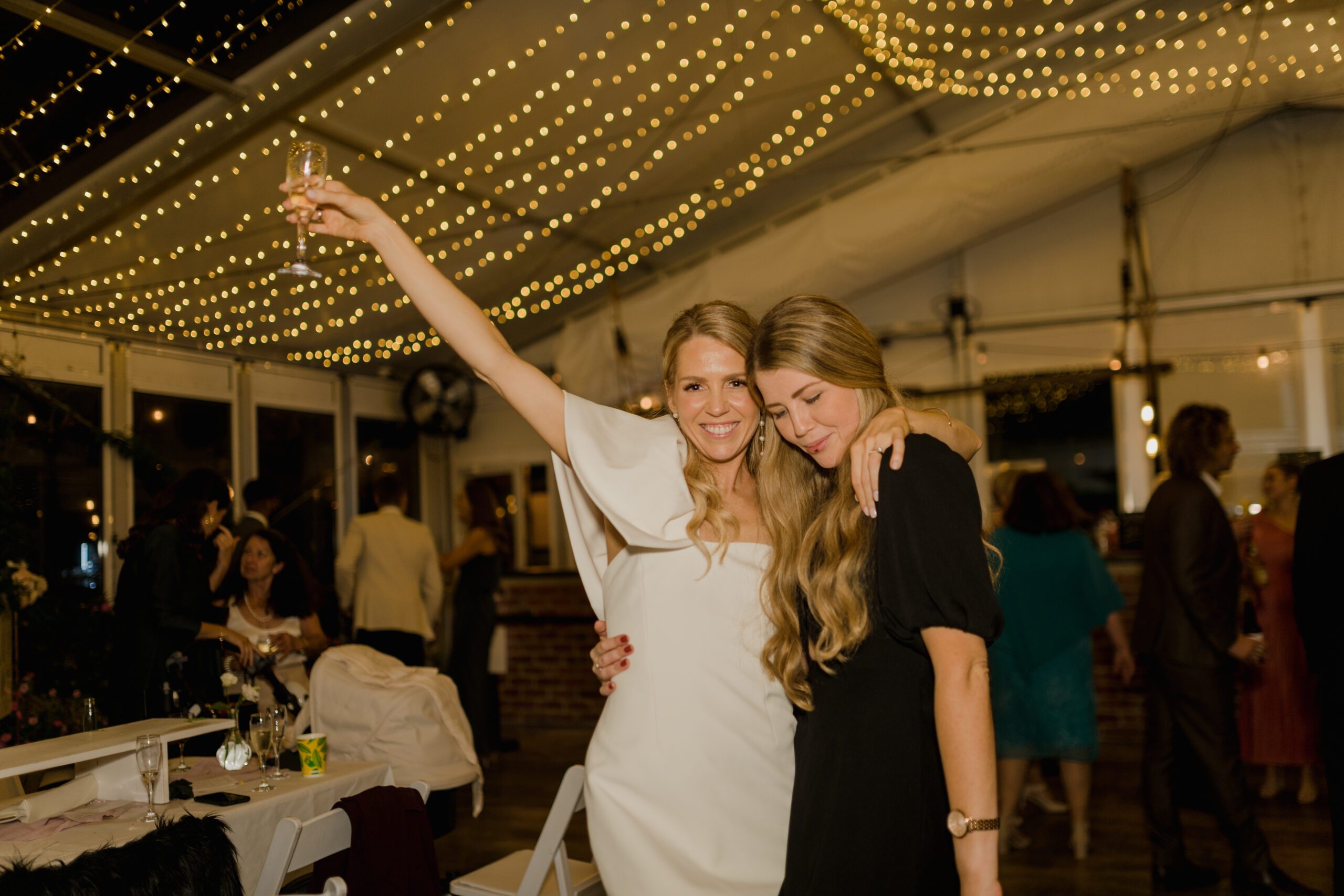
While posed portraits have their place, the true magic of cinematic wedding photography lies in capturing unscripted, candid moments. These are the fleeting expressions, quiet interactions, and spontaneous gestures that reveal the couple’s genuine connection and personality.
To encourage candid moments, create a relaxed, low-pressure environment during the photo session. Instead of giving strict directions, offer gentle prompts that invite the couple to interact naturally. For example, ask them to share a favorite memory, hold hands while walking, or steal a kiss under a streetlight. These small, intimate actions often lead to the most emotional and memorable images, as they capture the couple in a state of genuine joy and love.
Don’t be afraid to move around and observe from a distance. Sometimes the best shots happen when the couple forgets the camera is there. Capture the bride adjusting her veil, the groom wiping away a tear, or the couple sharing a quiet laugh during a quiet moment. These unposed images feel more authentic and heartfelt, adding depth and emotion to your wedding album.
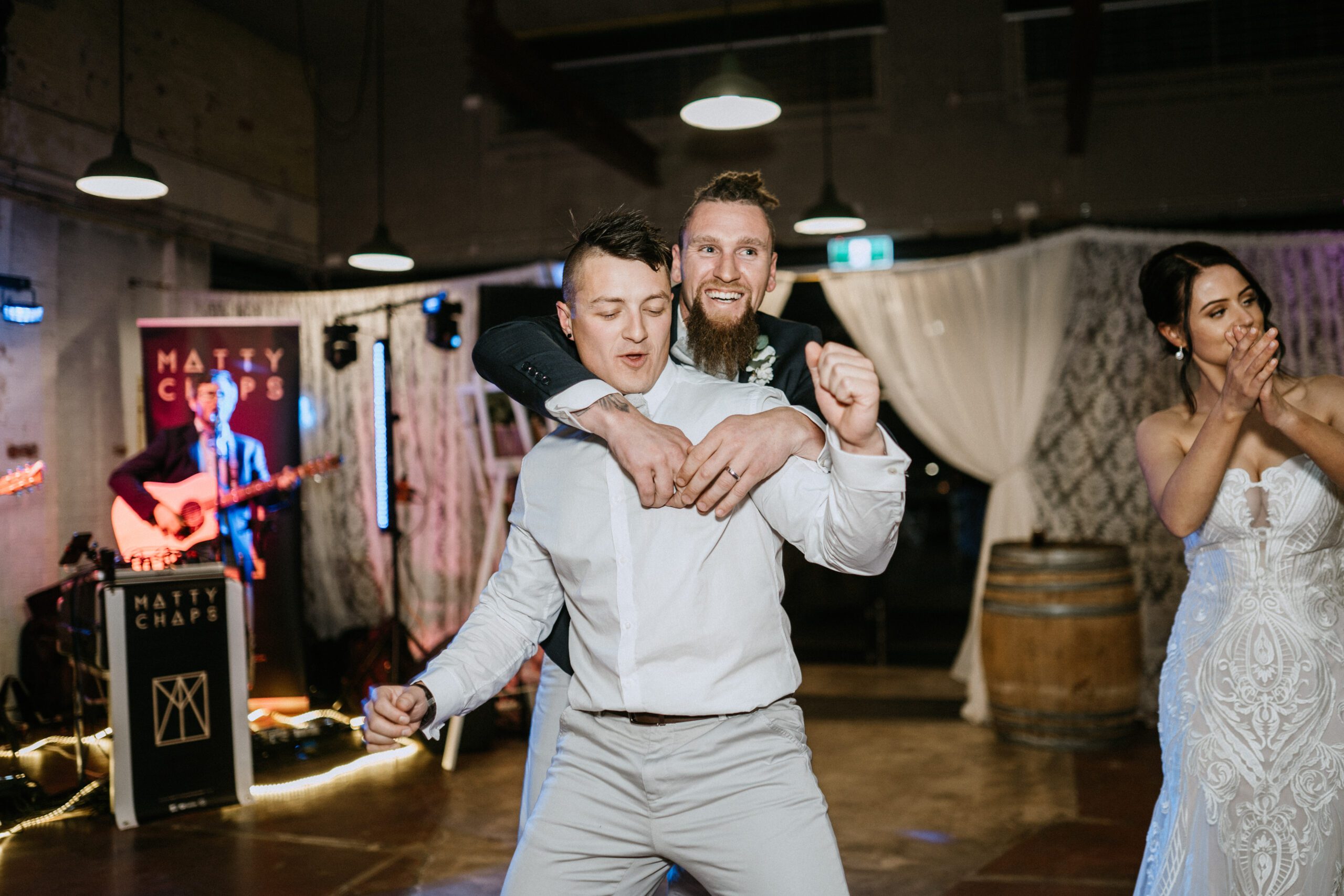
Another way to enhance candid moments is to incorporate movement into your shots. Instead of having the couple stand still, encourage them to walk, dance, or twirl. The resulting images will have a sense of energy and dynamism that feels more cinematic and less staged. For example, shooting the couple walking down a staircase or dancing in a dimly lit room can create a sense of motion and flow that adds to the storytelling aspect of the photos.
Using Color and Tone to Enhance the Cinematic Feel
Color grading is a powerful tool in cinematic wedding photography, allowing you to create a cohesive, mood-driven aesthetic that ties all your images together. While natural colors have their place, many cinematic styles rely on muted, desaturated tones or bold, contrasting palettes to evoke specific emotions.
For a romantic, timeless feel, consider a soft, pastel color grade with warm pinks, blues, and greens. This works especially well in natural settings like gardens or beaches, where the colors of the surroundings can complement the couple’s attire without overpowering it.
If you’re going for a more dramatic, moody look, try a desaturated, high-contrast grade with deep blacks and muted earth tones. This can add a sense of gravitas and sophistication to your images, making them feel more like stills from a film noir or a period drama.
For a whimsical, dreamy vibe, experiment with a warm, golden-hour tone or a cool, blue-tinged grade that mimics the look of twilight. These color palettes can enhance the magical, ethereal quality of your images, creating a sense of otherworldliness that feels uniquely cinematic.
When editing, pay attention to the overall tone and mood of each image, as well as how they work together as a series. Consistency in color grading can help create a cohesive narrative throughout your wedding album, making it feel like a unified visual story rather than a collection of individual photos.
Incorporating Props and Details for Added Depth
While the focus of cinematic wedding photography is on the couple and their emotions, incorporating meaningful props and details can add depth and context to your images. These elements don’t have to be elaborate or expensive—even small, personal touches can make a big impact.
For example, including a vintage camera, a handwritten letter, or a bouquet of wildflowers can add a layer of storytelling to your photos, hinting at the couple’s interests, history, or personality. These props can be used as focal points in your compositions or as subtle accents that enhance the overall mood.
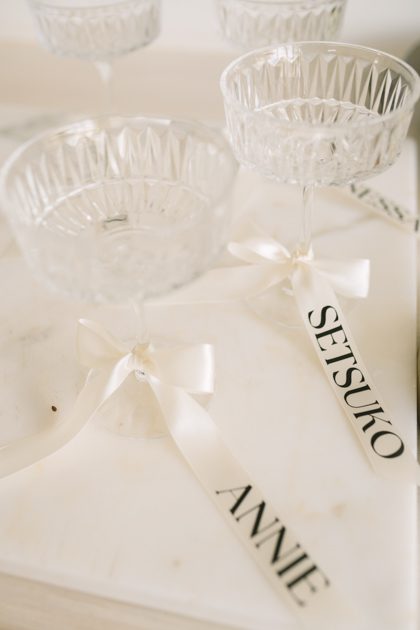
Details like the bride’s shoes, the groom’s cufflinks, or the wedding rings can also be captured in a cinematic way. Instead of shooting them straight-on, try using creative angles or lighting to highlight their texture and significance. For example, shooting the rings through a glass of champagne or capturing the bride’s shoes peeking out from under her dress can add a touch of whimsy and elegance to your images.
By paying attention to these small details, you can create a richer, more nuanced visual narrative that tells the story of the couple’s love and their special day in a way that feels both personal and cinematic.