Melbourne Wedding Photography Timing Strategies: Crafting a Stress-Free Schedule for Your Big Day
Planning wedding photography in Melbourne requires meticulous timing to balance creativity, comfort, and logistical efficiency. From navigating the city’s unpredictable weather to coordinating with vendors, every minute counts. Below are actionable strategies to optimize your photography timeline, ensuring every moment is captured flawlessly.
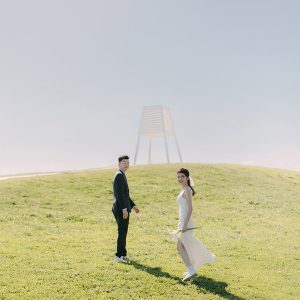
Understanding Melbourne’s Light Patterns
Melbourne’s latitude and climate create distinct lighting conditions throughout the year, influencing the quality and mood of your photos. Mastering these patterns helps you schedule shoots during peak aesthetic windows.
Golden Hour Dynamics:
The golden hour—the period shortly after sunrise or before sunset—offers soft, diffused light that flatters skin tones and reduces harsh shadows. In Melbourne, this window shifts dramatically across seasons:
- Summer (December–February): Golden hour begins as early as 5:30 AM and lasts until 8:30 pm, providing flexibility for late-afternoon shoots.
- Winter (June–August): The sun rises around 7:30 am and sets by 5:00 pm, requiring earlier starts to capture golden light.
Overcast Advantages:
Cloudy days, common in autumn and winter, create even lighting ideal for portraits. Use this time for group shots or indoor sessions to avoid washed-out colors or squinting expressions.
Midday Challenges:
Direct sunlight between 11 am and 3 pm can create unflattering shadows, especially on faces. If scheduling outdoor shoots during this period, seek shaded areas like under trees or architectural overhangs.
Building a Realistic Photography Timeline
A well-structured timeline prevents rushed sessions and ensures all key moments are documented. Break your day into segments, allocating buffer time for unexpected delays.
Pre-Ceremony Preparations:
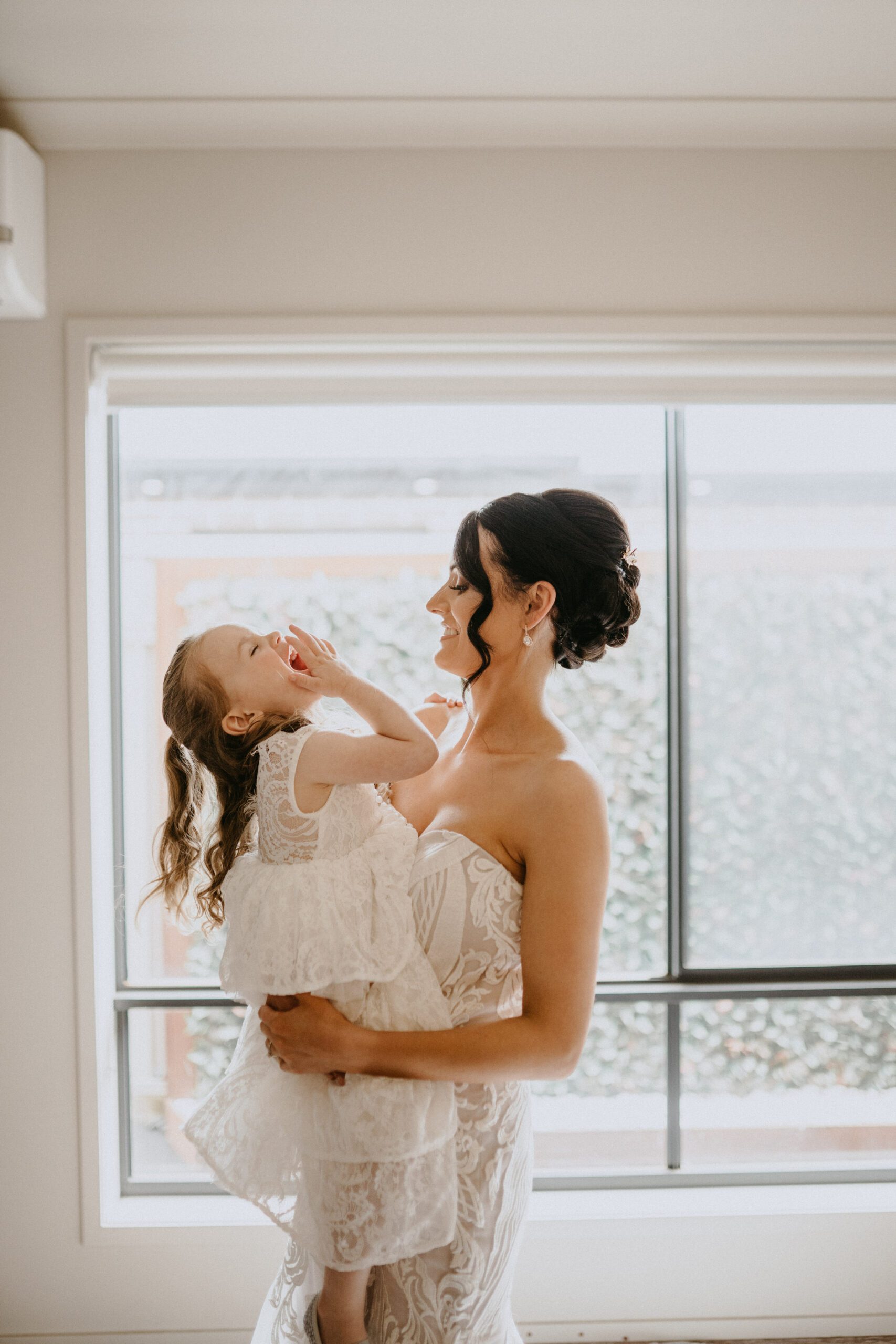
- Getting Ready: Allocate 1.5–2 hours for hair, makeup, and attire adjustments. Start this block 3–4 hours before the ceremony to avoid last-minute stress.
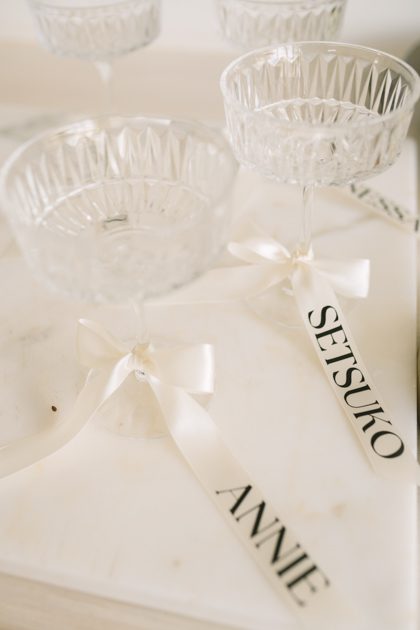
- Detail Shots: Capture rings, invitations, and accessories during this period. Ask your photographer to arrive 30 minutes early to style these elements.
Ceremony Coverage:
- Arrival Time: Photographers should arrive 30 minutes before guests to capture venue setups and guest arrivals.
- Duration: Allow 30–45 minutes for the ceremony itself, plus 15 minutes for post-ceremony congratulations and group shots.
Post-Ceremony Shoots:
- Family Portraits: Schedule these immediately after the ceremony, when guests are still gathered. Limit groups to 5–6 people per shot to stay on track.
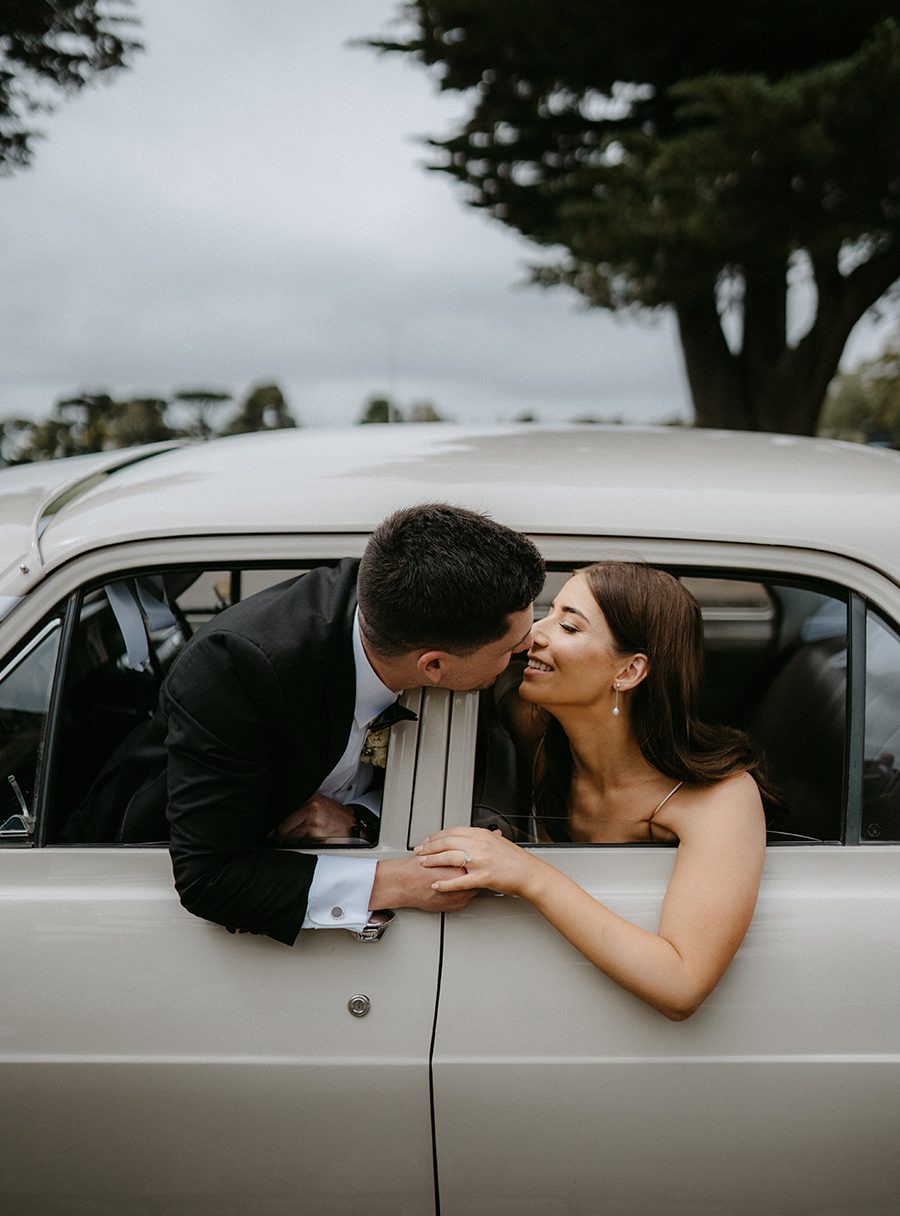
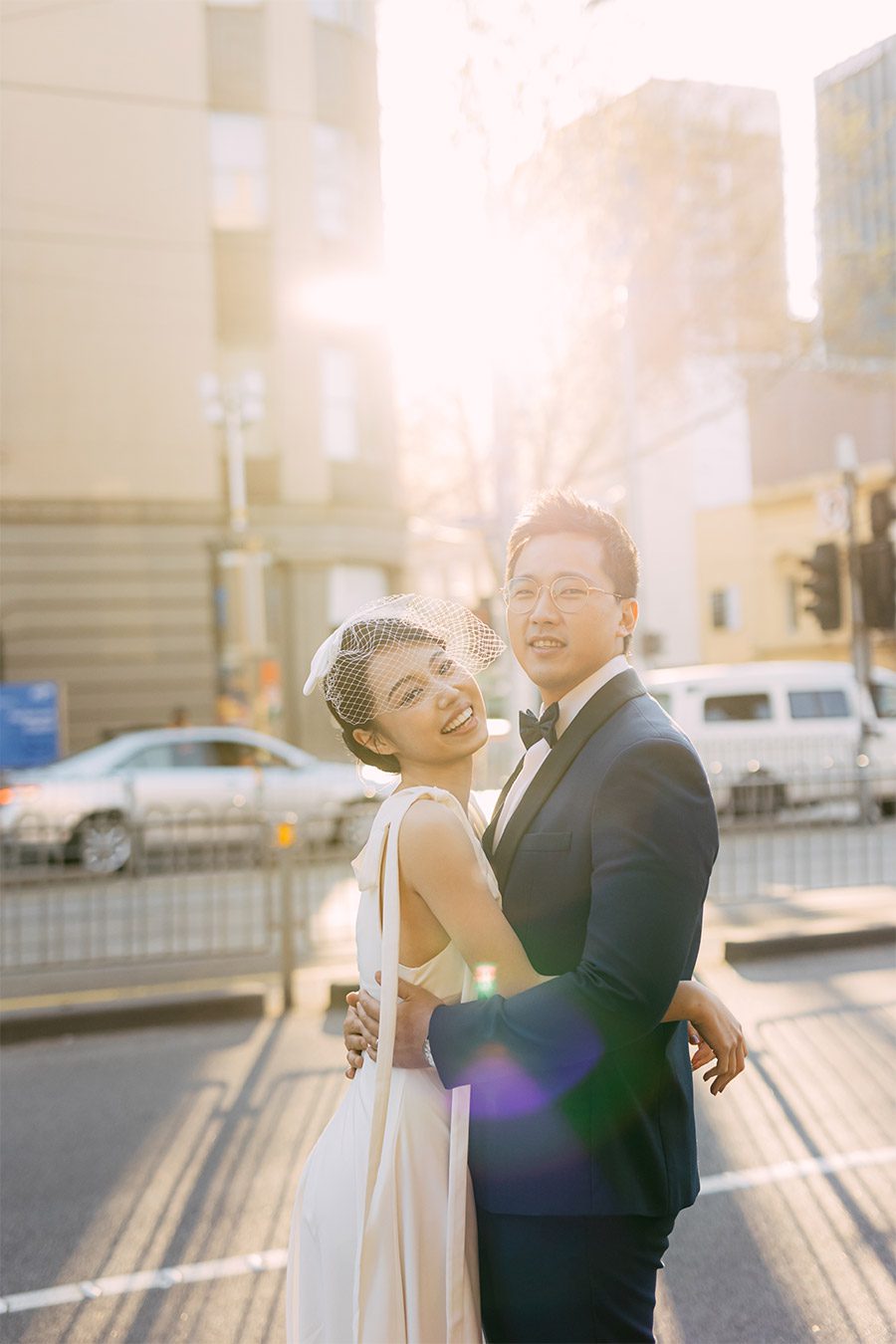
- Couple’s Session: Reserve 1–1.5 hours for romantic portraits. Choose locations with varied backdrops (e.g., gardens, streets, waterfronts) to add visual interest.
Reception Highlights:
- Entrances and Speeches: Coordinate with your MC to alert the photographer before key moments, such as first dances or cake cutting.
- Dancing and Candids: Keep the photographer on-site until 1–2 hours into the reception to capture lively dancefloor shots and spontaneous interactions.
Accounting for Melbourne’s Weather Variability
Melbourne’s “four seasons in one day” reputation demands flexible planning. Develop contingency strategies to adapt to sudden changes without sacrificing photo quality.
Rain Preparedness:
- Backup Locations: Identify indoor venues near your outdoor site (e.g., cafes, galleries, or covered walkways) for emergency shoots.
- Waterproof Gear: Ensure your photographer has weather-sealed equipment and clear umbrellas for outdoor portraits in light rain.
- Mood Adjustment: Embrace rainy-day aesthetics by incorporating wet surfaces for reflective shots or using umbrellas as props for playful imagery.
Wind Management:
- Hair and Veil Styling: Opt for updos or pinned veils to prevent flyaways. Provide hairspray or pins for touch-ups during shoots.
- Location Selection: Avoid open fields or coastal areas on windy days. Sheltered spots like courtyards or forests offer calmer conditions.
Extreme Temperatures:
- Summer Heat: Schedule outdoor shoots early morning or late afternoon. Provide portable fans or cold towels for guests during group photos.
- Winter Chill: Layer clothing and use hand warmers for outdoor sessions. Limit exposure to cold by rotating between indoor and outdoor locations.
Coordinating with Vendors and Guests
Smooth communication ensures everyone aligns with your photography schedule, minimizing disruptions.
Vendor Timelines:
- Florists and Decorators: Confirm setup completion times to ensure venues are photo-ready before your arrival.
- Caterers: Share your reception timeline to coordinate meal service with key photo moments (e.g., speeches or cake cutting).
Guest Management:
- Group Shot Lists: Provide your photographer with a prioritized list of family groupings to streamline the process. Assign a relative to help gather guests.
- Unplugged Ceremonies: Request guests avoid phone use during the ceremony to prevent distractions in photos. Display signs or include notes in programs to reinforce this.
Photographer Collaboration:
- Shot Lists: Share a detailed list of must-have photos, including cultural traditions or sentimental moments. Include backup ideas in case of weather or time constraints.
- Style Alignment: Discuss aesthetic preferences (e.g., candid vs. posed, bright vs. moody) during pre-wedding consultations to ensure consistency.
By mastering Melbourne’s lighting, building a flexible timeline, preparing for weather shifts, and coordinating effectively, you’ll create a photography schedule that captures every cherished moment with ease. Remember: adaptability is key, and a well-informed team can turn unexpected challenges into unique, memorable shots.