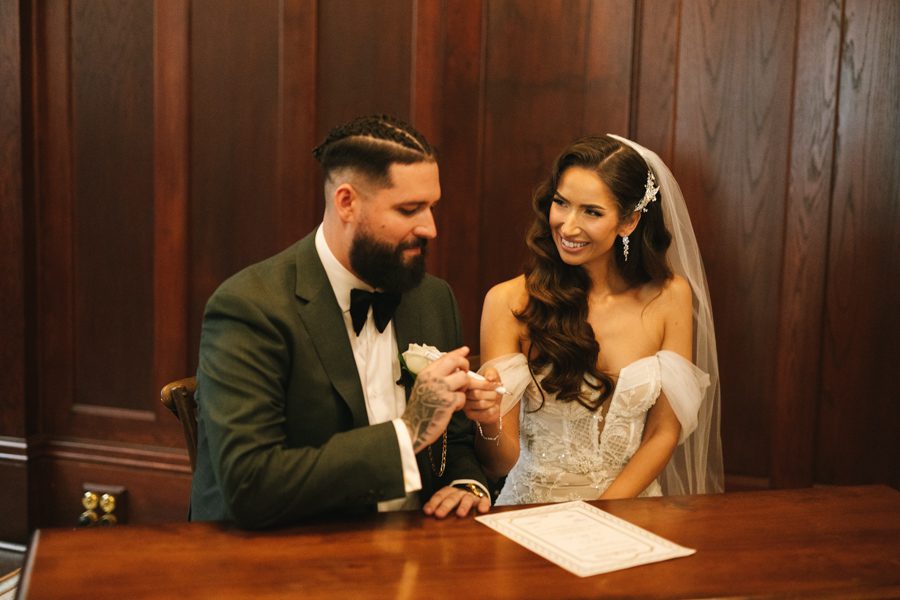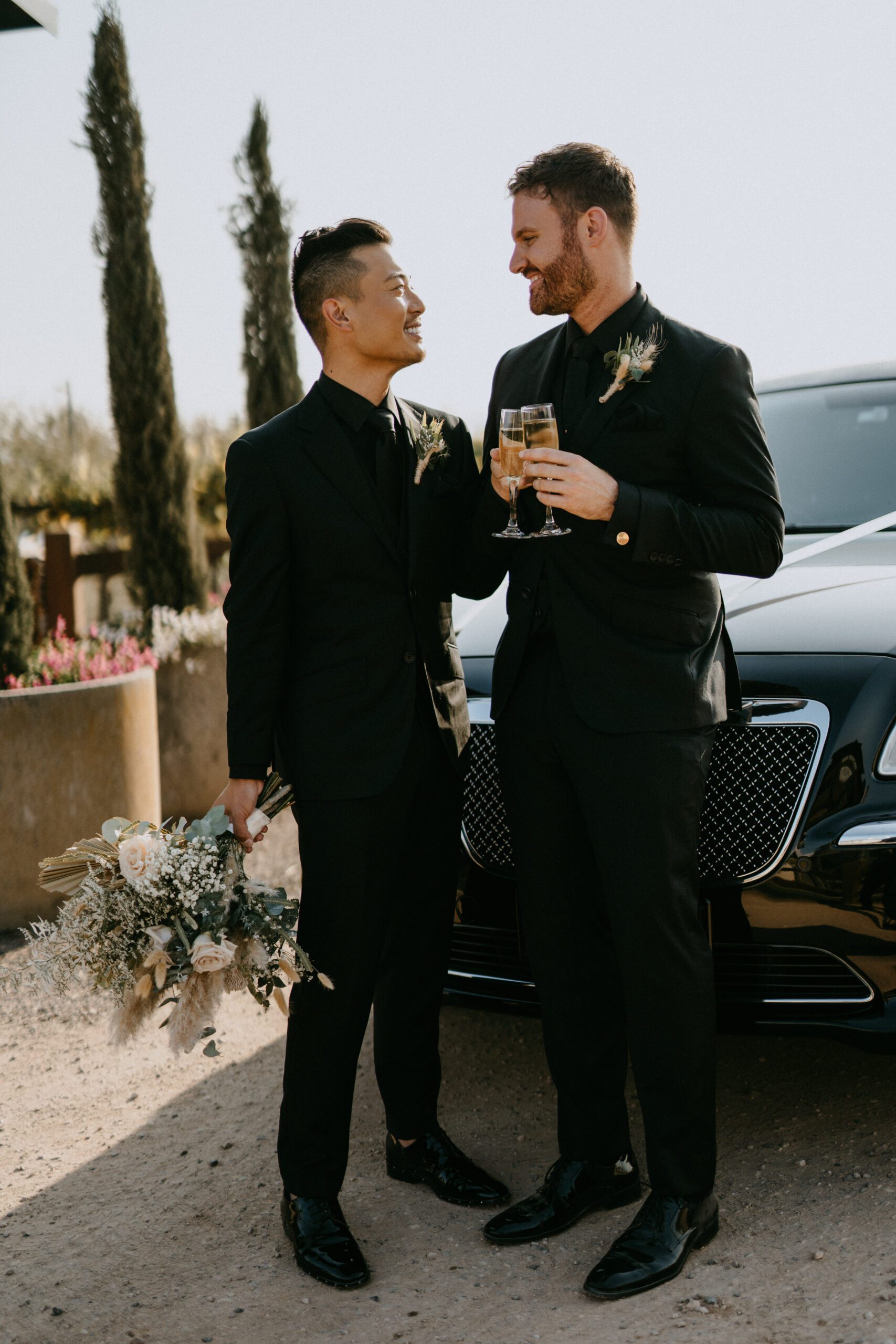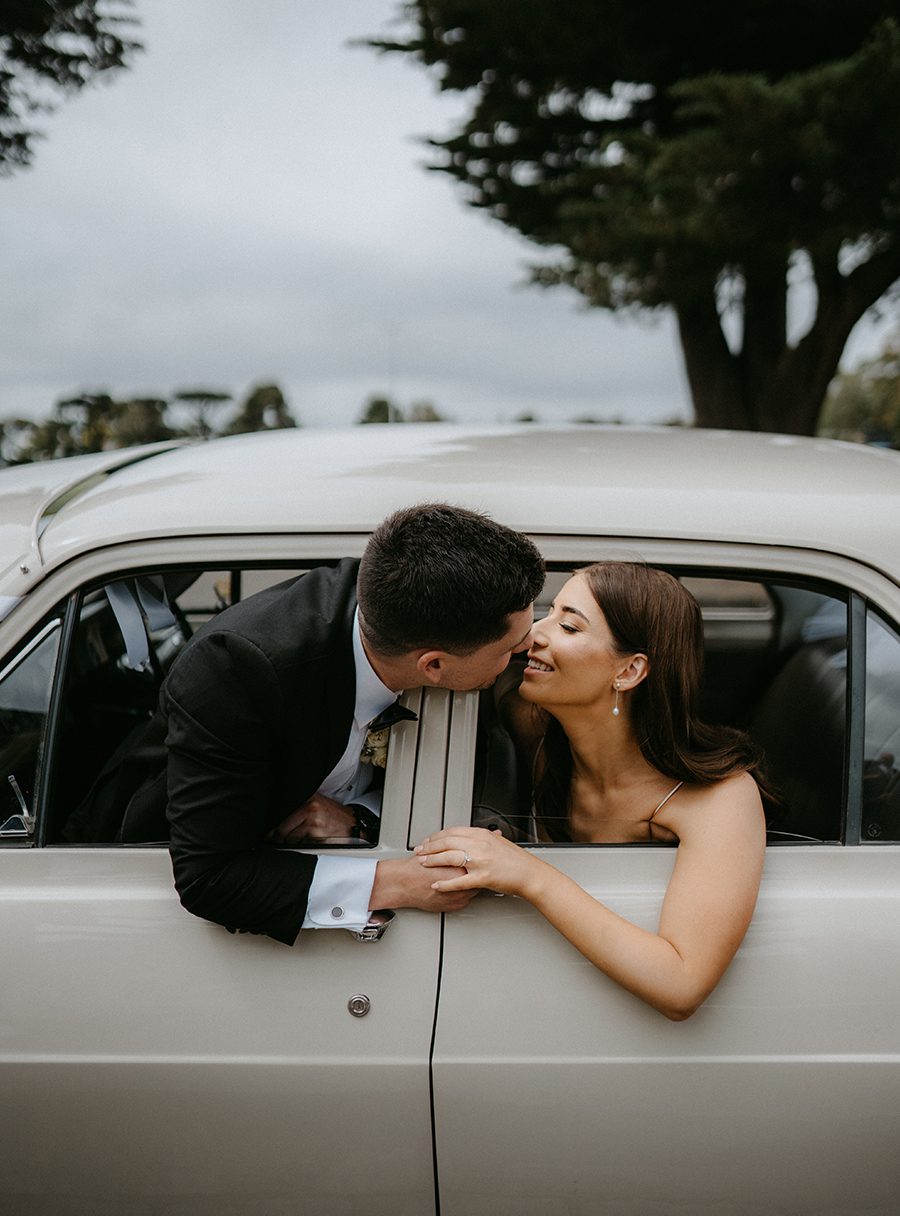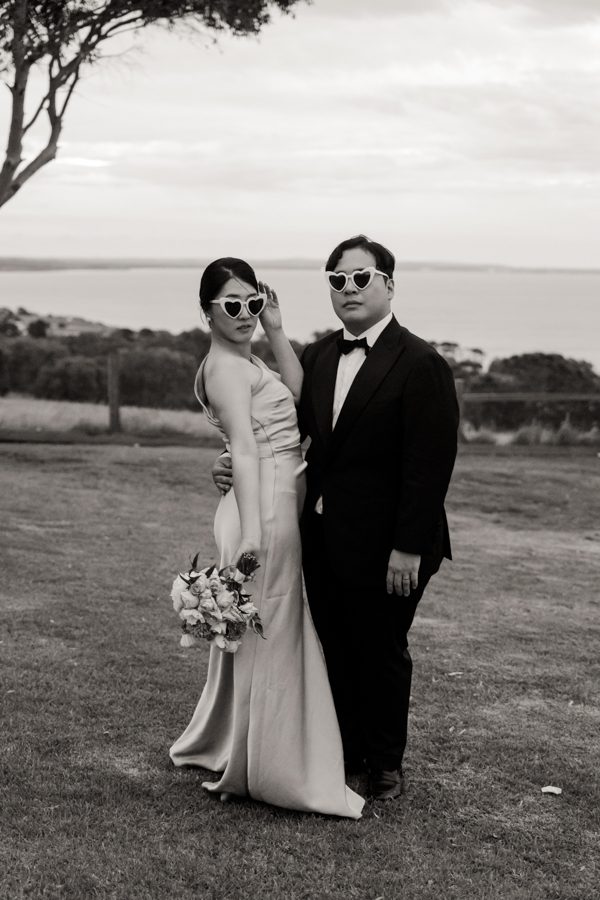
Melbourne wedding photography in a pastoral style, with a fresh and natural look.
Melbourne wedding photography in a pastoral style, with a fresh and natural look.
Melbourne Wedding Photography: Fresh Pastoral Style That Feels Like a Summer Morning
There is something about standing in a field of wildflowers that makes a wedding dress look like it was always meant to be there. Not in a church. Not in a ballroom. Out there, where the grass is knee-high and the wind does not ask permission to mess up your hair. Melbourne is full of these pockets — green spaces that feel like the countryside even though you are twenty minutes from the CBD. For couples who want their wedding photos to smell like cut grass and look like a memory they never want to forget, the pastoral style is not a choice. It is a feeling. And Melbourne has it in abundance.
Why Pastoral Photography Works So Well in Melbourne
Most people think of Melbourne as a city of coffee and concrete. They are half right. The other half is green — wildly, surprisingly, almost unreasonably green. The city was built around parks and gardens from day one, and that DNA is everywhere. You can be standing in the middle of a shopping district and turn around and find a botanical garden that looks like it belongs in the English countryside. That contrast — urban energy one block, rolling meadows the next — is what makes Melbourne the best city in Australia for this kind of work.
The light here helps too. Melbourne gets a lot of sun — more than people give it credit for — and when that sun hits green grass and pale flowers, it creates a warmth that photographers call “golden but soft.” It is not the harsh, bleached light of a tropical beach. It is diffused, warm, and slightly hazy, like the air itself is glowing. That light wraps around skin and fabric in a way that makes everything look effortless.
And then there is the wind. Melbourne wind is legendary for a reason — it moves through the parks and gardens constantly, rustling leaves, lifting veils, pushing hair across faces. That movement is the secret ingredient of pastoral photography. It turns a still portrait into something alive. A bride standing in a field with her veil blowing sideways and wildflowers bending behind her looks like she stepped out of a painting — not because she posed that way, but because the wind did it for her.
The Best Green Spaces for a Pastoral Wedding Shoot
You do not need to drive three hours out of Melbourne to find countryside. Some of the best pastoral spots are right there, hidden between suburbs and tram lines.
The Royal Botanic Gardens and Surrounds
The obvious starting point, but for good reason. The Royal Botanic Gardens near the Tan and the lake have wide open lawns, mature elm trees, and a lake that reflects the sky and the city skyline behind it. The trick here is to go early — before 8am on a weekday — when the gardens are empty and the dew is still on the grass. The light at that hour is pale gold and comes in low through the trees, creating long shadows and warm patches on the lawn.
Walk past the lake toward the Guilfoyle’s Volcano area — yes, it is called that — where the gardens slope down toward the Yarra. The grass here is longer and wilder, the trees are bigger, and the view across the river to the city feels like a different world. A couple sitting on the slope, backs to the camera, looking out at the skyline with the river between them, creates an image that feels peaceful and vast at the same time.
The Ornamental Lake area near the main entrance is another gem. The weeping willows drape down to the water, the bridges are wooden and old, and the reflections in the lake double every frame. Early morning mist sitting on the water adds a layer of softness that no editing can fake. A couple walking across the bridge, hand in hand, with mist rising behind them — that is the kind of image that makes people whisper “beautiful” when they see it.
Fitzroy Gardens and the Treasury Gardens
Fitzroy Gardens sit right next to the MCG but feel like a completely different universe. The paths are lined with elms and plane trees, the lawns are enormous and slightly overgrown, and there are hidden corners — a fountain, a rotunda, a stone archway covered in ivy — that feel like they were placed there on purpose. The elm trees in particular create a canopy effect that filters the light into dappled patterns on the ground. Walking under those trees with a partner, light falling through leaves onto your faces, creates portraits that look like they were painted in watercolor.
The Treasury Gardens across the road are smaller but more intimate. The old glasshouses, the flower beds, the bluestone paths — it all feels like a private garden that the city forgot to fence off. Couples shoot here in the late afternoon when the light comes through the glasshouses and turns everything warm and green. The glass structures act as natural diffusers, softening the light and creating a glow that makes skin look perfect without any retouching.
Carlton Gardens and the University Precinct
Carlton Gardens between the University of Melbourne and Carlton North has a wilder, less manicured feel than the Botanic Gardens. The grass is longer, the trees are older, and there is a sense of abandon that makes it feel more like actual countryside. The old fig trees create deep shade, the paths wind through open meadows, and the view from the top of the hill toward the city is one of the best in Melbourne.
A couple lying in the grass at the top of the hill, looking up at the sky through tree branches, shot from directly above — that overhead shot is a pastoral classic. The green fills the frame, the couple is small in the center, and the whole image feels like a secret. Like something you found by accident and did not want to share.
Outskirts That Feel Like Another Country
If you are willing to drive thirty or forty minutes, Melbourne opens up into something that genuinely looks rural.
The Dandenong Ranges and Olinda
The Dandenong Ranges east of Melbourne are covered in temperate rainforest — tree ferns, mossy logs, ferns the size of cars, and a canopy so thick that the light comes through in green-tinted shafts. Olinda and the surrounding areas have walking tracks through forest that feel like New Zealand or the Pacific Northwest. The air is cool and damp, everything is lush, and the sound of birds replaces traffic.
Shooting here requires patience — the light is low and directional under the canopy — but the results are extraordinary. A couple standing on a forest path, surrounded by green, with a single shaft of light falling on them, looks like a fairy tale. The moss on the trees, the ferns unfurling, the mist hanging between trunks — all of it adds layers of texture that make the image feel rich and alive.
The SkyHigh Mount Dandenong lookout offers a different pastoral feel — open meadows with views across the valley. The grass here is wild and yellow in summer, the sky is enormous, and the wind is constant. A couple running through the grass, laughing, shot from a distance with a telephoto lens that compresses the background into soft green hills — that image feels free. It feels like the kind of photo you take when nobody is watching and nobody is directing.
Healesville and the Yarra Valley Vineyards
Healesville is an hour east of Melbourne and feels like a completely different world. Rolling green hills, old farm buildings, wildflower meadows, and vineyards that stretch to the horizon. The Yarra Valley wineries offer pastoral settings that are manicured but still feel natural — grapevines in neat rows, old stone walls, wooden fences, and views across the valley that make everything look like a painting.
The light here in late afternoon is golden and warm, coming low over the hills and turning the grass amber. A couple walking between vineyard rows, she in a simple dress, he in linen, with the valley falling away behind them — that composition is timeless. It does not look like 2024. It looks like 1974, or 1874. That timelessness is what pastoral photography is after — images that do not age, that do not go out of style, that look as good in fifty years as they do today.
Mornington Peninsula Orchards and Farms
The Mornington Peninsula south of Melbourne has apple orchards, strawberry farms, and open paddocks that feel like the English countryside. Red Hill and the surrounding areas have old stone farmhouses, winding dirt roads, and views across Western Port Bay that are genuinely breathtaking. The orchards in particular offer a seasonal pastel palette — white blossom in spring, green leaves in summer, red and gold in autumn — that changes the look of every shoot.
Spring is the sweet spot. Apple blossoms everywhere, white petals on the grass, the air sweet and cool. A couple standing under a blooming tree, petals falling around them, shot in soft overcast light — that image is the definition of pastoral. It is gentle, it is romantic, and it does not try too hard. That is the whole point.
The Aesthetic: Soft, Warm, Unpolished
Pastoral wedding photography in Melbourne is not about sharpness or drama or high contrast. It is about softness — soft light, soft focus, soft colors. The entire visual language is gentle. Muted greens, pale yellows, warm whites, soft blush. Everything looks like it was filmed on old Kodak film in 1985 — slightly warm, slightly grainy, slightly imperfect.
The composition favors open space. The couple is usually small in the frame, surrounded by nature. The rule of thirds applies, but the emphasis is on the environment as much as the people. You want to see the field, the trees, the sky — not just the couple. The landscape is a character in the story, not just a backdrop.
Negative space is essential. Leave room above heads. Let the grass fill the bottom of the frame. Do not crop tight — let the image breathe. That openness is what makes pastoral photos feel free and unconfined. It mirrors the feeling of being outside, of having space, of not being watched.
Styling That Looks Like You Forgot to Try
The pastoral look lives or dies on wardrobe, and the rule is simple: do not look like you are going to a wedding. Look like you are going for a walk in the country.
Dresses That Belong in a Field
Flowy maxi dresses in cotton or linen. A-line dresses in chiffon. Simple slip dresses that move with the wind. Nothing structured, nothing heavy, nothing with a train that drags through the grass. The fabric should be light enough to blow in a breeze and soft enough to wrinkle without looking bad — because it will wrinkle, and that is fine. Wrinkles in a field look natural. Wrinkles in a ballroom look sloppy.
Colors: white, ivory, soft blush, pale sage, dusty blue, lavender. Avoid bright red or black — they fight the green. Pastels and neutrals blend into the landscape and let the environment do the work. A white dress in a green field is the classic pastoral combination for a reason — it looks clean, simple, and timeless.
Lace works beautifully here too — a lace dress in a meadow looks like something from a Bronte novel. The texture of the lace against the soft grass creates a visual contrast that is subtle but effective.
Groom Style That Says Country Gentleman
Linen suits in oatmeal, stone, or light grey. A simple white shirt, no tie or a loose silk one. Brown leather shoes or clean white sneakers — yes, sneakers work in a field. Rolled sleeves, top button undone, watch on the wrist — the look is relaxed but put together. Not sloppy, just easy.
A tweed jacket over a t-shirt works surprisingly well in the Dandenongs or Healesville. It adds texture without being formal. A straw hat in the Yarra Valley vineyards is not a joke — it actually looks right. The key is to look like you belong in the landscape, not like you were dropped there from a city office.
Makeup: Effortless and Wind-Tolerant
Loose waves or a messy low bun. Hair down and wind-tousled. Braids with pieces falling out. The wind will do half the work — let it. Makeup should be minimal: dewy skin, flushed cheeks, a lip that is slightly more pink than your natural shade. No heavy contour, no dramatic eye, no false lashes that will blow off in the wind. The goal is to look like you woke up like this — fresh, natural, slightly windswept.
Shooting in Natural Light: The Only Light That Matters
Pastoral photography does not use flash. It does not need it. Natural light is the entire point — the way it falls through trees, bounces off grass, filters through clouds. Working with it means understanding when it is best and where to stand.
Golden Hour in the Fields
The hour before sunset is magic in any open space. The light comes in low and warm, the grass turns gold, the shadows lengthen, and everything glows. Shoot with the sun behind the couple to create that backlit halo effect — hair glows, veils turn translucent, and the whole image feels warm and dreamy. Or shoot with the sun to the side for softer, more even light that flatters faces without harsh shadows.
In a field, golden hour also means long shadows stretching across the grass. Those shadows add depth and texture to the ground, turning a flat lawn into a landscape of light and dark. A couple standing in that light, with long shadows reaching toward the camera, creates an image that feels cinematic without any effort.
Overcast Days Are Pastoral Gold
Melbourne is overcast more than it is sunny, and for pastoral work that is a blessing. Cloudy skies act as a giant softbox — even, diffused light that eliminates every harsh shadow and makes skin look flawless. The colors under overcast skies are also more saturated — the green of the grass is deeper, the flowers are brighter, and the whole scene looks like a painting.
Do not reschedule for clouds. Embrace them. An overcast day in the Botanic Gardens or the Dandenongs produces images that look like they belong in a gallery — soft, moody, and deeply atmospheric. The lack of hard light means you can shoot in any direction without worrying about squinting or ugly shadows under eyes.
Early Morning Mist and Dew
If you can wake up at 5am, do it. Early morning in any Melbourne park or garden has a quality that no other time of day can match. The grass is wet, the air is cool, and there is often a low mist sitting on the ground that catches the first light and glows. Dew drops on grass blades catch the sun and sparkle like tiny diamonds. A couple walking through dewy grass at dawn, lit by pale gold light, looks like a dream you had but cannot quite remember.
The mist also softens the background — trees and buildings fade into a pale haze that keeps the focus on the couple. That natural bokeh effect is something photographers spend thousands of dollars on lenses to achieve, and here it is free, every morning, if you are willing to set an alarm.
The Emotion: Quiet, Real, Unforced
Pastoral wedding photography is not about big moments. It is not about the first kiss or the father-daughter dance. It is about the small, quiet moments that happen in between. Walking through a field holding hands. Sitting on a bench under a tree. Laughing at something private. Looking at each other while the wind moves the grass around you.
The best pastoral images are the ones where the couple forgets the camera is there. Where they are just two people in a beautiful place, being themselves. The photographer’s job is to find that moment and hold it — not to create it, but to notice it when it happens.
A couple sitting in the grass, backs against a tree, she leaning on his shoulder, eyes closed, wind in her hair — that image does not need a caption. It says everything. It says peace. It says love. It says this moment, right here, is enough.
And that is the whole point of pastoral wedding photography. Not to make the wedding look perfect. Not to create a fantasy. Just to capture two people in a beautiful place, being real, being soft, being together. The grass does not care about your dress. The wind does not care about your hair. The light does not care about your pose. And that indifference is what makes the photos feel honest — and honest is the rarest thing a wedding photograph can be.
Melbourne gives you the gardens, the forests, the vineyards, the meadows, the mist, the dew, the wind, and the golden light. All you have to do is show up, dress simply, and let the land do the rest. The best pastoral wedding photos are not taken — they are found. In a field at dawn. Under a tree at dusk. In a garden when nobody is watching. That is where the magic lives. That is where your album will live too.