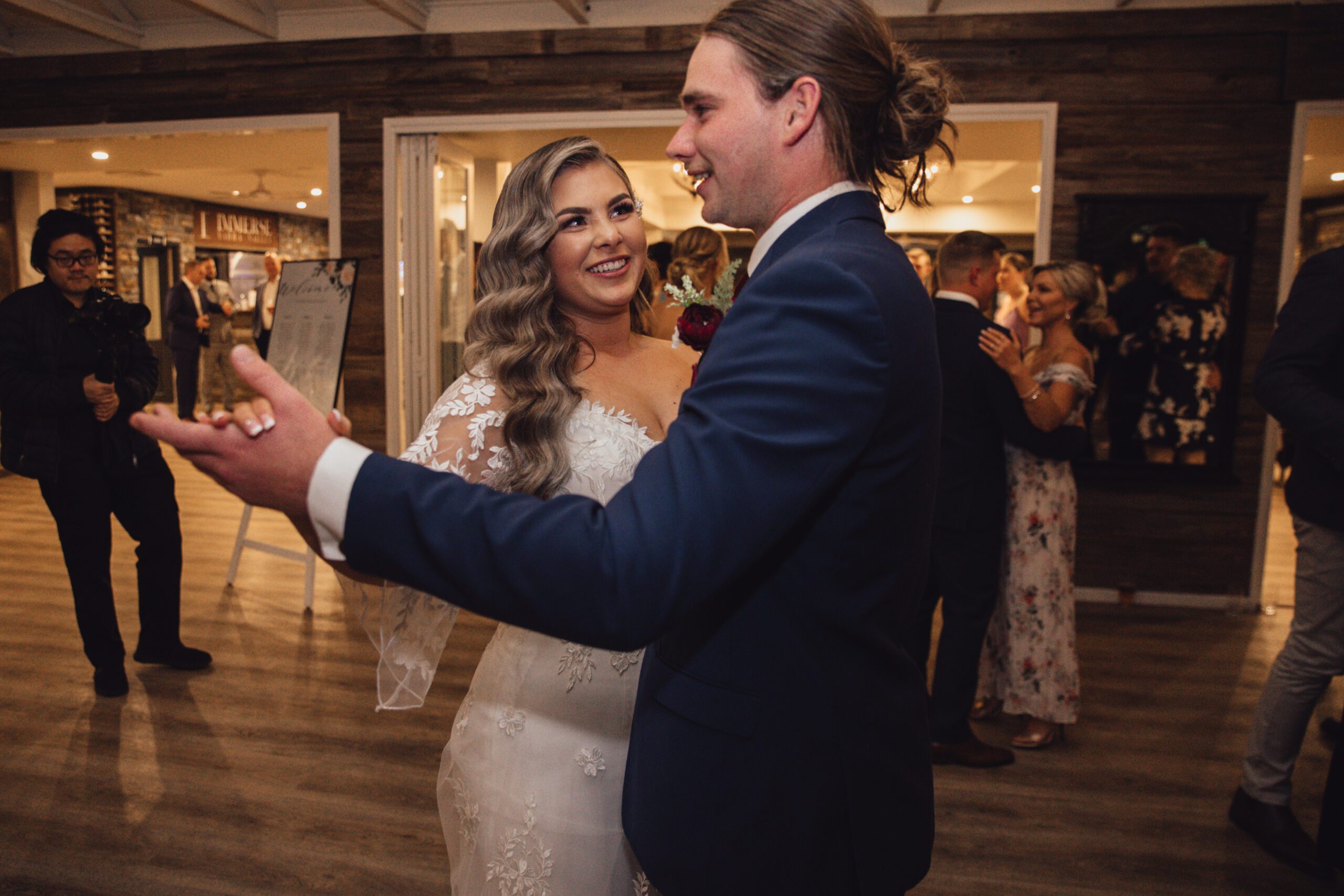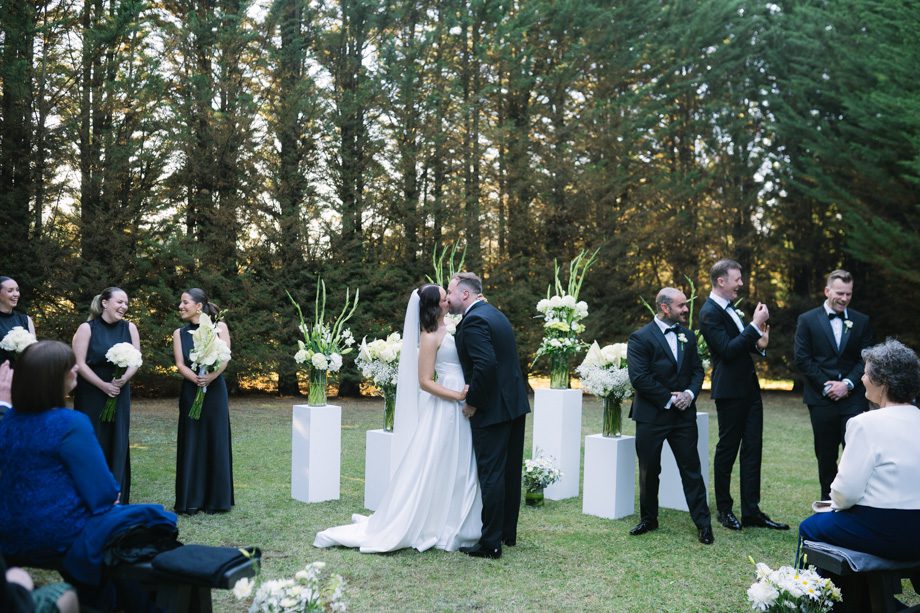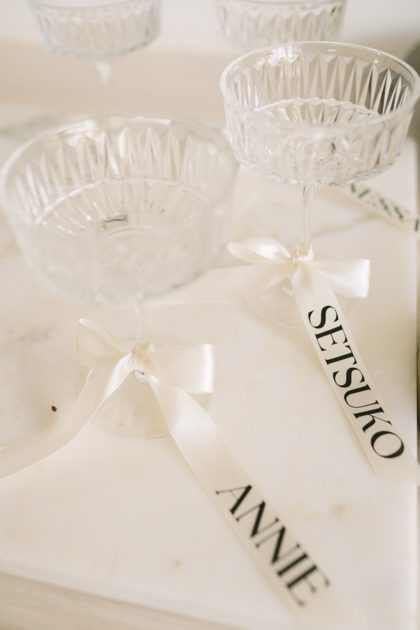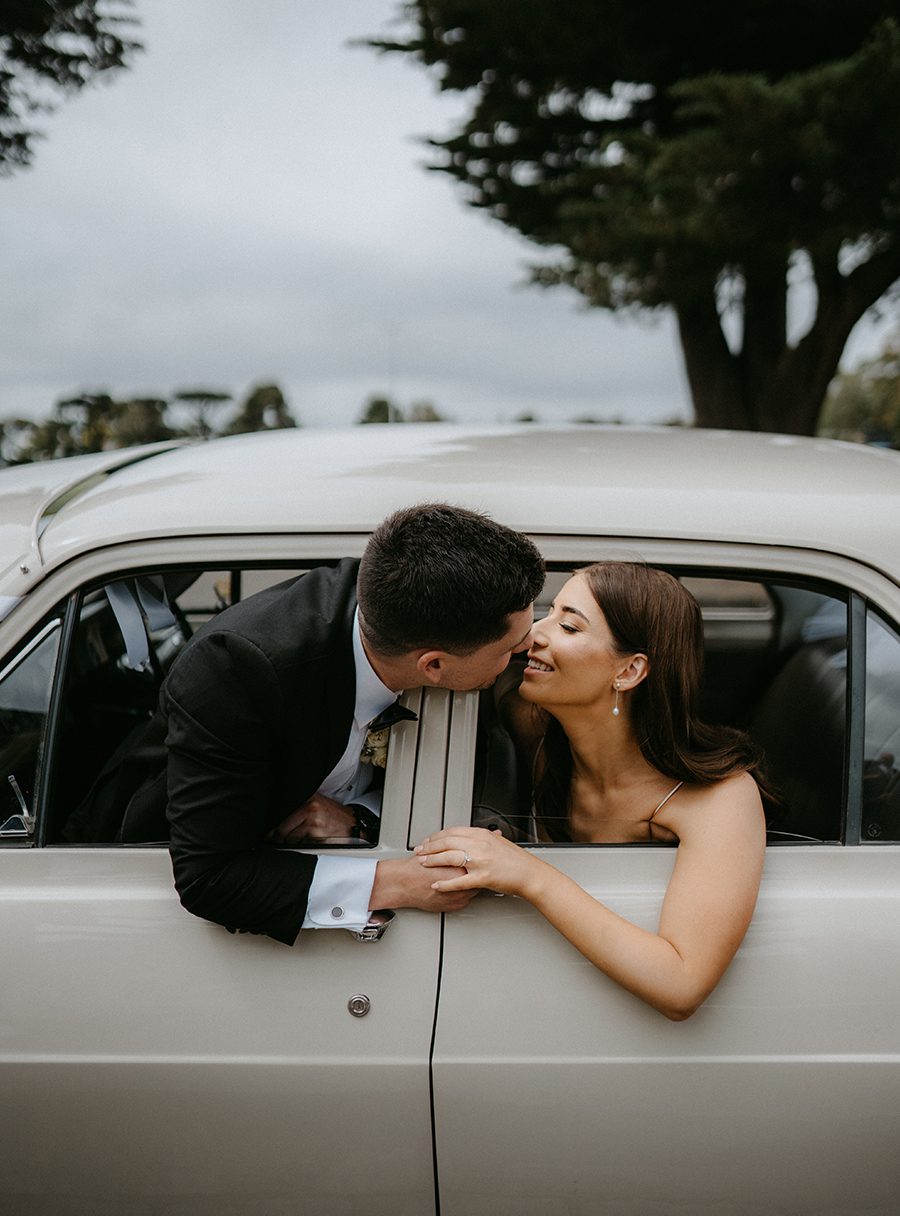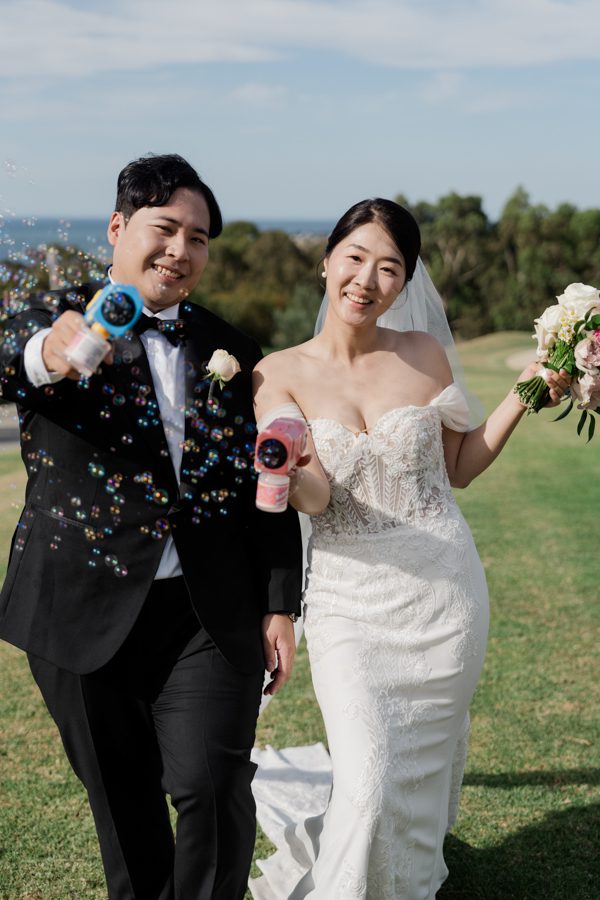
Melbourne wedding photography in a light retro film style
Melbourne wedding photography in a light retro film style
Melbourne Wedding Photography: Light Retro Film Style That Feels Like a Memory You Almost Had
There is a sweet spot between modern and vintage that most photographers never find. It is not full-on 1970s grain. It is not heavy desaturation. It is not sepia tones everywhere. It is something lighter — a whisper of film, a suggestion of analog warmth, a color palette that looks like it was shot on a camera someone found in a grandmother’s closet. This is the light retro film style, and Melbourne is one of the best cities on earth to shoot it because the city already looks like it was photographed on film. You just have to let the camera do what it already wants to do.
What Light Retro Film Actually Means
People hear “film photography” and they think heavy grain, blown-out highlights, and muddy shadows. That is not what light retro is. Light retro takes the best parts of film — the warm color shifts, the soft contrast, the way skin tones glow without looking orange — and leaves behind the parts that do not serve a wedding album. The result is an image that looks like it was shot on film but does not look like it was shot in 1974. It looks timeless. It looks like a photograph that could belong to any decade and still feel right.
The colors lean warm but not orange. The shadows are lifted slightly so nothing is ever truly black. The highlights roll off gently instead of clipping hard. The greens shift toward olive. The blues shift toward teal. The reds stay red but get a little dusty, like a rose that has been sitting in a vase for a week. It is subtle. You would not notice it if someone described it to you. But you would feel it when you saw the image.
Melbourne’s natural palette makes this style effortless. The city is already muted — grey skies, bluestone streets, sandstone buildings, green parks that are never quite bright green. You do not have to fight the environment to get this look. You just have to stop fighting it.
Locations That Were Already Shot on Film
You do not need to travel anywhere. Melbourne has corners that look like they were waiting for a light retro edit.
The Old Streets of Fitzroy and Collingwood
Fitzroy’s side streets are a goldmine for this style. Not Brunswick Street — that is too busy, too colorful, too now. The streets one block over — Gertrude Street’s quieter end, Johnston Street near the edges, the lanes behind the main drag — these are where the magic lives. Old brick walls with peeling paint. Iron lace balconies that have rusted to a deep brown. Wooden doors that have been repainted so many times they have their own history.
Shooting here in the late afternoon gives you that warm, golden light that film loves. The sun comes in low through the buildings and paints long rectangles of gold on the bluestone. A couple leaning against a brick wall, lit by that golden rectangle, shot with a slightly wide lens so the walls frame them — the image looks like it was pulled from a shoebox. Not a clean shoebox. A shoebox that has been sitting in an attic for thirty years, with a few coffee stains on the prints.
Collingwood offers a grittier version of the same thing. The factories along Wellington Parade have massive windows that let in soft, even light. The brick is red and cracked. The streets are narrow. Everything feels industrial but warm. A couple standing in a doorway with the street behind them, the light falling across their faces from the side — that half-lit, half-shadow look is pure light retro.
South Melbourne’s Heritage Homes
South Melbourne has some of the best-preserved Victorian terraces in the city. The houses here are painted in muted tones — sage green, dusty pink, pale blue, cream — and the front gardens have overgrown hedges and old gas lamps that look like they have not been updated since 1920.
Walking down these streets feels like stepping into a different time. The light here is soft because the buildings block the harsh midday sun. Everything is shaded, everything is gentle. A couple standing on the front steps of a sage-green terrace, she in a simple ivory dress, he in a linen suit — the colors blend into the background in a way that looks effortless. The image does not look posed. It looks like someone happened to be walking by with a camera and caught a beautiful moment.
The Inner City Laneways
Melbourne’s laneways are not all neon and graffiti. Some of them are quiet, narrow, and full of texture. Degraves Lane, Duckboard Place, and the smaller passages off Flinders Lane have old brick walls, wooden doors, and cobblestone paths that photograph beautifully in the light retro style.
The trick is to shoot these lanes in the early morning or late evening when the light is directional and warm. Midday light in a laneway is flat and unflattering. But golden hour light raking across old brick creates shadows that add depth and texture that no filter can replicate. A couple walking down a narrow lane, the light hitting one side of their face, the other side in soft shadow — that is the entire aesthetic in a single frame.
The Technical Side: How to Get the Look Without Going Full Analog
You do not need to shoot on actual film to get this style. Modern cameras can replicate the look with the right settings and the right editing. But understanding what film actually does helps you make better choices even with digital.
Shooting for Warmth and Softness
Start with your white balance. Set it slightly warm — around 5800K instead of 5500K. This gives you a subtle warmth straight out of camera that mimics the color shift of warm film stock. You do not want it to look orange — just warm. Like late afternoon light even when it is not late afternoon.
Shoot in aperture priority with a wide aperture — f/1.8 to f/2.8. This gives you that shallow depth of field where the background goes soft and the couple stays sharp. Film does this naturally because of the way lenses were designed decades ago. Replicating it digitally means using a fast lens and getting close to your subjects.
Do not overexpose. Film handles overexposure differently than digital — it rolls off the highlights gently instead of clipping them. To mimic this, expose slightly to the right but pull the highlights back in editing. This gives you that soft, glowing highlight look that is the signature of light retro.
The Grain Question
Full film grain looks heavy and dated on a wedding album. Light retro uses grain the way a chef uses salt — a little bit, in the right places. Add grain in editing, but keep it fine. Not the chunky, noisy grain of high ISO digital. The smooth, even grain of medium-speed film. It should be visible when you look closely but invisible when you step back. That is the sweet spot.
Too much grain and the images look dirty. Too little and they look digital. The right amount makes the image feel tactile — like you could reach into the photo and touch the texture of the wall behind the couple.
Styling That Feels Lived-In, Not Costumed
The light retro style falls apart if the wardrobe looks too new, too perfect, too 2024. Everything needs to look like it has a story. Like it has been worn before. Like it was found in a vintage shop, not bought off a rack last week.
Dresses With Character
Lace is your best friend here. A lace dress in cream or ivory photographs like a dream in this style — the texture of the lace catches the warm light and creates tiny shadows that add depth. Satin works too, but only if it is not too shiny. A matte satin in champagne or dusty rose has a softness that mirrors the film aesthetic.
Avoid anything with sequins, metallic fabric, or heavy beading. These materials reflect light in harsh, digital ways that fight the softness of the style. You want fabric that absorbs light, not bounces it. Cotton, linen, silk, lace, chiffon — these are your materials. They move gently, they wrinkle slightly, and they photograph with a warmth that synthetic fabrics never achieve.
Colors should be muted. Ivory, champagne, blush, sage, dusty blue, soft terracotta. Nothing pure white — it looks too clean, too modern. A warm ivory picks up the golden light and glows. A dusty blue against old brick looks like a painting.
Groom Style That Looks Like It Belongs in the Frame
A well-fitted suit in charcoal, brown, or navy works better than black for this style. Black is too sharp, too contrasty. Charcoal has a softness that blends into the warm palette. Brown suits in particular look incredible in light retro — the warm tone of the fabric echoes the warm tone of the edit, and the whole image feels cohesive.
Linen suits in oatmeal or stone are perfect for outdoor shoots. They wrinkle, they move, they look lived-in. A linen suit with a loose silk tie and no jacket — that is the light retro groom. Relaxed but intentional. Not sloppy, just easy.
Hair and Makeup That Does Not Fight the Grain
Heavy makeup looks terrible with film-style editing. The grain amplifies every line, every cakey patch, every overly contoured cheek. Keep it simple. Dewy skin, groomed brows, a lip that is slightly warmer than your natural shade. That is it.
Hair should be soft, not sculpted. Loose waves, a low chignon, or simply down and wind-tousled. The goal is to look like you woke up like this, not like you spent two hours in a chair. A few flyaway hairs are not a problem — they are actually an asset. They add to the lived-in feeling that this style depends on.
The Light That Makes or Breaks Everything
Light retro film photography lives and dies on light. The wrong light turns it muddy. The right light turns it magical.
Golden Hour Is Non-Negotiable
Shoot during the hour before sunset. The light is low, warm, and directional. It comes in at an angle that creates long shadows and soft highlights. It turns sandstone buildings gold and bluestone streets amber. It makes skin glow without any retouching.
In Melbourne, golden hour is shorter than in other cities because the clouds roll in fast. But when it hits, it hits hard. Plan your outdoor shots for this window. Indoor shots can happen after, when the light is fading and the windows become the main light source.
Overcast Days Are Secret Weapons
A grey sky is not a problem — it is a gift. Overcast light is even, diffused, and shadowless. It eliminates every harsh line and makes skin look flawless. The colors under overcast skies are also more saturated without being blown out. The greens go deeper, the reds go richer, and the whole scene looks like a faded photograph that has been brought back to life.
Do not cancel for clouds. Shoot in them. An overcast day in Fitzroy or South Melbourne produces images that look like they were shot on Kodak Portra in 1995 — warm, soft, slightly desaturated, and deeply nostalgic.
Window Light Indoors
Old Melbourne homes have large sash windows that throw long rectangles of soft light across wooden floors. This is the best indoor light for light retro. Position your couple near the window and let the light fall across one side of their face. The other side falls into soft shadow. That half-lit, half-dark look is the visual signature of every great film photograph ever made.
If the room has fireplace light or candlelight, even better. The mix of warm tungsten from the fire and cool daylight from the window creates a color contrast that looks rich and layered. It also adds that flicker, that movement, that sense of life that makes the image feel like a memory rather than a photograph.
Editing: The Part Where the Style Actually Happens
The shoot gets you eighty percent of the way there. The edit gets you the rest. Light retro editing is subtle but deliberate — every adjustment should feel like it was made by someone who cares, not by someone who downloaded a preset.
Color Grading That Feels Warm, Not Orange
Shift the whites slightly toward warm — not a lot, just enough to take the digital edge off. Pull the greens toward olive. Shift the blues toward teal. Desaturate the yellows slightly so they do not compete with the skin tones. The overall palette should feel like a faded photograph that someone kept in a drawer — warm, slightly muted, and full of character.
Do not crush the blacks. In light retro, the darkest shadows are dark grey, not pure black. Pure black looks digital and harsh. Dark grey looks like film. It looks like the shadows have texture and depth, not emptiness.
Contrast That Rolls, Not Clips
Film has a specific way of handling contrast — it compresses the highlights and lifts the shadows, which means the image has detail in both the brightest and darkest areas. Replicate this by pulling down the highlights and lifting the shadows in editing. The result is an image that looks soft but still has punch. It is not flat. It is just gentle.
The Grain and the Vignette
Add fine grain — just enough to break up the digital smoothness. Not so much that it looks noisy. Just enough that the image feels tactile. Then add a subtle vignette — darker corners that draw the eye to the center of the frame where the couple is lit. The vignette should be barely noticeable at first glance but obvious when you look closely. It creates a tunnel effect that makes the viewer feel like they are peering into a private moment.
The Feeling: Nostalgia Without the Costume
Light retro film photography is not about pretending you live in a different decade. It is about capturing a feeling — the feeling of looking at an old photograph and remembering something you cannot quite place. It is warmth without sentimentality. It is softness without weakness. It is an aesthetic that says “this moment mattered” without shouting it.
Melbourne gives you everything you need for this style — the old streets, the muted architecture, the moody light, the laneways full of texture, the parks that look like they have not changed in a hundred years. You do not need to force anything. You just need to show up with the right lens, the right light, and the willingness to let the image be a little imperfect. Because in light retro, imperfection is not a flaw. It is the whole point.