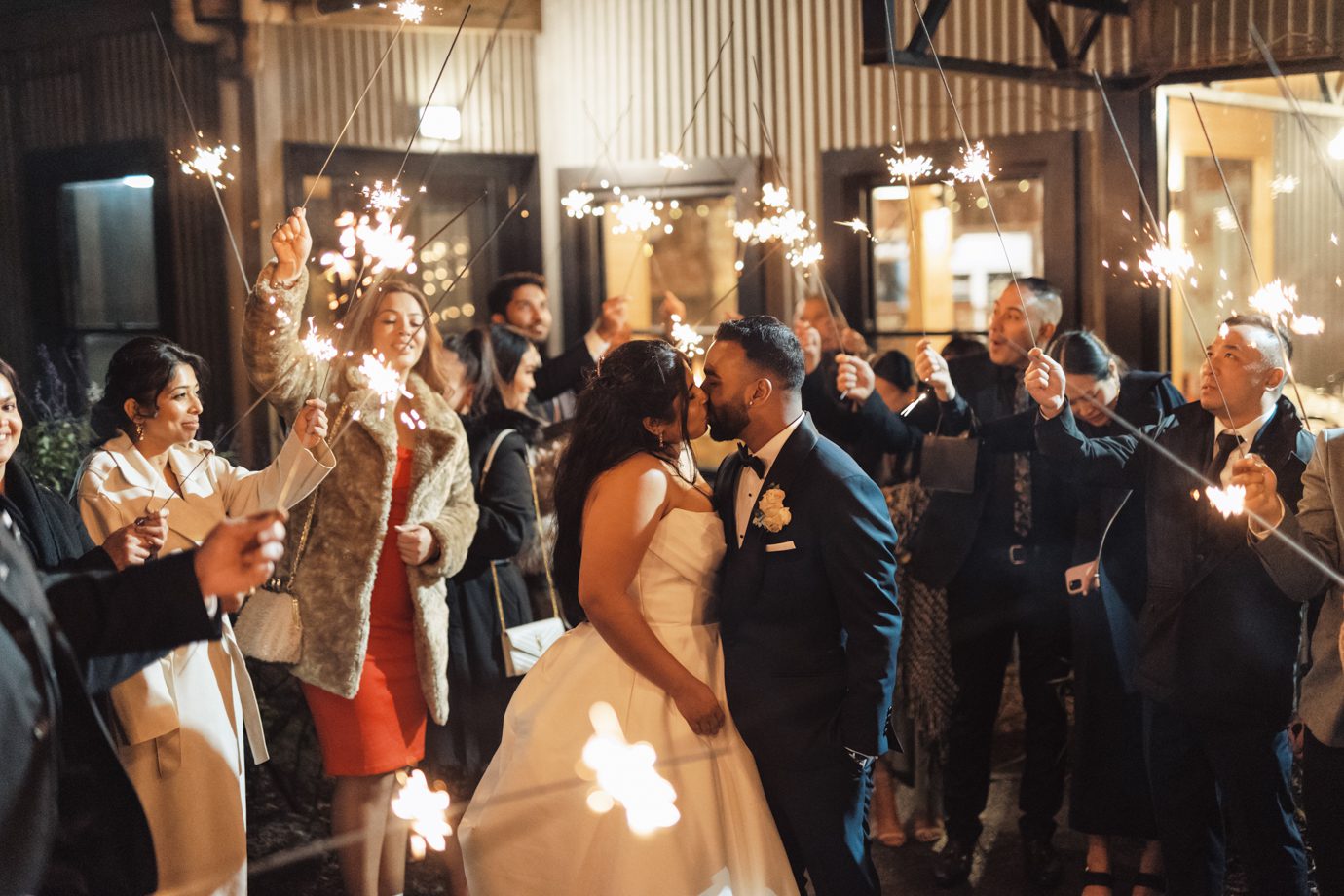
Melbourne wedding photography – creative shooting on the reflection of the lake surface
Melbourne Wedding Photography: Creative Reflections on Lakeside Backdrops
Melbourne’s lakes and waterways offer a magical canvas for wedding photography, where still waters mirror the sky, trees, and couples to create dreamy, symmetrical compositions. From urban oases to serene natural reserves, these locations invite photographers to play with light, symmetry, and movement, turning ordinary moments into extraordinary visual stories.
Urban Lakes: Modern Romance Meets Natural Beauty
Albert Park Lake, nestled near Melbourne’s CBD, combines urban sophistication with tranquil waters. Position the couple near the lake’s edge during golden hour, when the sun dips low and casts a warm glow on the water’s surface. Capture their reflection as they stand close, their silhouettes framed by the city’s skyline in the background. The juxtaposition of concrete and water adds depth, while the reflection creates a sense of duality—real and mirrored, present and eternal.
For a more dynamic shot, have the couple walk slowly along the promenade as ripples distort their reflection. Use a slightly slower shutter speed to blur the water slightly, emphasizing motion while keeping the subjects sharp. The lake’s calmness contrasts with the city’s energy, creating a balance that feels both modern and timeless.
Studley Park Boathouse, on the Yarra River’s edge, offers a quieter urban escape. The boathouse’s wooden dock and surrounding willows provide a rustic charm perfect for intimate portraits. Position the bride and groom at the end of the dock, their reflection stretching into the water below. Incorporate the boathouse’s reflection in the background for added context, or focus solely on the couple and their mirrored image for a minimalist, artistic feel. Early mornings minimize crowds, letting you capture the lake’s glassy surface undisturbed.
Natural Reserves: Untouched Landscapes for Ethereal Shots
Serendip Sanctuary, a short drive from Melbourne, is a haven for wildlife and peaceful lakeside scenes. The sanctuary’s walking trails wind past ponds and wetlands, offering endless opportunities for reflection photography. Find a spot where reeds or lily pads frame the water’s edge, and position the couple so their reflection sits neatly within the natural border. The sanctuary’s muted greens and browns create a soft, earthy palette, while the couple’s bright attire—a white dress, a bold suit—pops against the subdued background.
For a dramatic twist, visit after rain when puddles form on trails. Use these temporary mirrors to capture upside-down reflections of the couple walking or laughing. The ground’s texture—mud, gravel, leaves—adds grit, while the reflection creates a surreal, almost otherworldly effect. This technique works best in overcast light, which reduces glare and enhances color saturation.
Jells Park features a large lake surrounded by eucalyptus trees, making it ideal for wide-angle reflection shots. Position the couple near the water’s edge during sunrise or sunset, when the sky’s colors reflect vividly on the lake’s surface. Use the trees’ trunks to create vertical lines that draw the eye toward the couple, while their reflection anchors the composition. If wind picks up, embrace the distortion—rippled reflections add movement and energy, turning a static scene into a living painting.
Coastal Lakes: Where Freshwater Meets the Sea
Edithvale-Seaford Wetlands, a coastal reserve, offers a unique blend of saltwater and freshwater habitats. The wetlands’ shallow ponds and tidal flats create mirror-like surfaces at low tide, perfect for capturing couples walking hand-in-hand. The horizon line—where water meets sky—acts as a natural divider, with the couple’s reflection below and the real scene above. Incorporate migratory birds or distant ships into the background for scale, or focus on the couple’s interaction as seagulls glide overhead.
Ricketts Point Marine Sanctuary combines rocky shores with tidal pools that fill with seawater at high tide. Find a pool large enough to reflect the couple’s full bodies, and position them so the rocky edges frame the shot. The sanctuary’s rugged beauty—craggy cliffs, frothy waves—contrasts with the couple’s elegance, creating a visual tension that feels both raw and romantic. Time your shoot for blue hour, when the sky’s deep blue reflects on the water, adding a moody, cinematic quality.
For a playful take on coastal reflections, visit
St Kilda’s pier at dawn. The pier’s wooden planks often have small puddles after rain, which act as miniature mirrors. Have the couple kneel or sit near these puddles, capturing their reflection alongside the pier’s shadow. The juxtaposition of tiny reflections and the pier’s massive structure adds humor and perspective, reminding viewers that even the smallest moments hold significance.
Tips for Mastering Reflection Photography in Melbourne
- Check the Weather: Still, windless days create the clearest reflections. Overcast skies reduce glare, while sunrise/sunset light adds warmth.
- Use a Polarizing Filter: This cuts reflections on the water’s surface, allowing you to see through to the bottom—or embrace glare for artistic effect.
- Experiment with Angles: Shoot from a low angle to emphasize the reflection, or straight-on for a symmetrical, mirror-like look.
Melbourne’s lakes and waterways transform wedding photography into a dance between reality and reflection. By leveraging these natural mirrors, photographers can craft images that feel both grounded and dreamlike, capturing not just the couple’s likeness but the essence of their connection. Whether framed by urban skylines, wild wetlands, or coastal cliffs, these reflections remind us that love, like water, always finds a way to shine.