Melbourne cloudy-day wedding photography with soft focus and atmospheric effect shooting
Embracing the Gloom: Melbourne Overcast Wedding Photography for Soft, Romantic Imagery
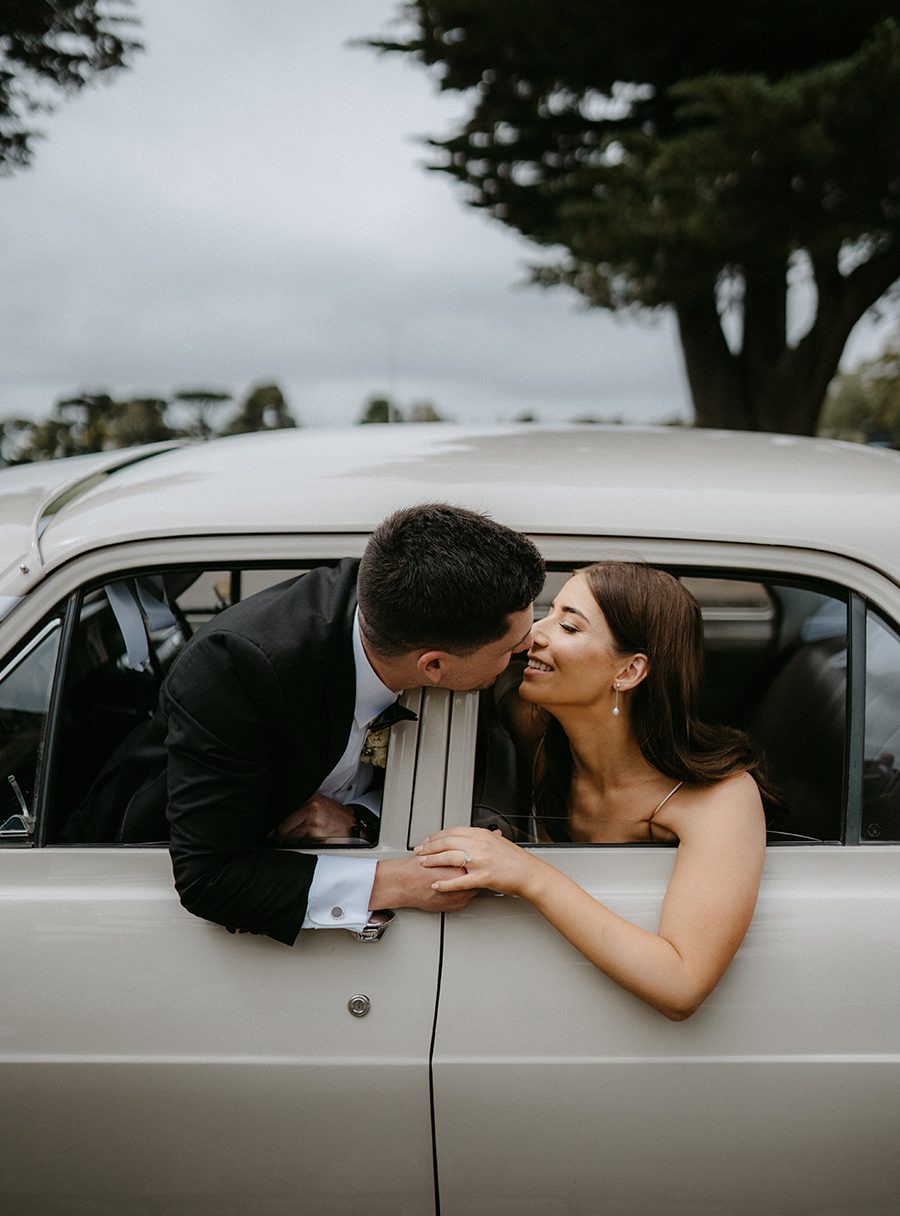
Melbourne’s overcast skies, often dismissed as gloomy, hold a unique charm for wedding photographers seeking to create images with a dreamy, ethereal quality. The diffused light of cloudy days eliminates harsh shadows, wraps subjects in a gentle glow, and transforms ordinary scenes into moody, romantic landscapes. Here’s how to craft wedding photos that thrive in the softness of Melbourne’s cloud cover, focusing on emotion, texture, and atmosphere.

The Magic of Diffused Light: Why Overcast Skies Work
On cloudy days, sunlight scatters through the atmosphere, creating even, flattering illumination that suits every skin tone and facial feature. Unlike sunny conditions, which force photographers to chase shadows or wait for golden hour, overcast light remains consistent throughout the day, offering flexibility in timing and location. This consistency is ideal for capturing candid moments, as couples can move freely without squinting or battling unflattering contrasts.
The lack of direct sunlight also enhances colors, making them appear richer and more saturated. Greens in parks or gardens look deeper, while neutral tones like stone or concrete take on a muted elegance. Use this to your advantage by choosing locations with varied textures—moss-covered walls, gravel paths, or weathered wooden fences—to add depth to compositions without overwhelming the couple.
Creating Depth with Foreground and Background Elements
Overcast skies provide a blank canvas, allowing foreground and background details to shine without competing with bright sunlight. Incorporate natural elements like falling leaves, wilted flowers, or mist rising from ponds to add a sense of season and movement. For urban shoots, use architectural features like arched doorways, wrought-iron gates, or rain-streaked windows to frame the couple, creating layers that draw the eye inward.
Experiment with depth of field by shooting with a wide aperture (f/1.8 to f/2.8) to blur distractions in the background while keeping the couple sharp. This technique works particularly well in busy areas like markets or street corners, where a soft, out-of-focus backdrop emphasizes intimacy. For a more artistic approach, position the couple near reflective surfaces like puddles or glass buildings to capture double exposures of their forms against the cloudy sky.
Soft Focus Techniques for a Timeless, Romantic Look
Achieving a柔焦 (soft focus) effect doesn’t require special lenses or filters—simple adjustments to shooting style and post-processing can create the same dreamy quality. Start by shooting with a shallow depth of field, as mentioned above, to naturally blur edges. Then, during editing, slightly reduce clarity or add a subtle grain to mimic the look of vintage film. Avoid overdoing it; the goal is to enhance the mood, not obscure details.
Another method is to use a diffusion filter or a piece of sheer fabric (like tulle or gauze) held in front of the lens. This scatters light, creating a gentle halo around the couple and softening harsh lines. For a hands-free approach, breathe on the lens or use a spray bottle to mist it lightly before taking the shot—the water droplets act as natural diffusers, adding a magical, impermanent quality to images.
Working with Rain and Mist for Atmospheric Shots
Melbourne’s overcast weather often brings light rain or mist, both of which can elevate wedding photos from ordinary to extraordinary. Raindrops clinging to flowers, umbrellas, or the couple’s hair add texture and movement, while mist creates a sense of mystery by obscuring distant objects. Embrace these elements by choosing locations with natural shelter—a covered porch, a glass greenhouse, or a tree-lined path—to keep gear dry while still capturing the mood.
For rain-specific shots, use a fast shutter speed (1/500s or higher) to freeze droplets in mid-air, or a slower speed (1/60s or lower) to blur them into streaks for a dynamic effect. Position the couple beneath a shared umbrella, letting the rain create a private, cocoon-like atmosphere, or have them kick up puddles for playful, spontaneous moments. If mist rolls in, shoot wide-angle shots of the couple walking through it, using the haze to simplify the background and focus attention on their forms.
Enhancing Mood Through Color Grading and Editing
Post-processing plays a crucial role in shaping the final look of overcast wedding photos. Start by adjusting white balance to counteract the cool tones of cloudy skies—a slight warming filter can add coziness without looking artificial. Then, tweak contrast and saturation to enhance the natural richness of colors while keeping the overall palette muted and harmonious.
For a vintage or film-inspired aesthetic, reduce blacks and shadows slightly to create a flat, matte look, then add a subtle vignette to draw the eye toward the center of the frame. If shooting in RAW, experiment with split toning to introduce warm hues (like peach or gold) into highlights and cool tones (like teal or gray) into shadows, creating a balanced, cinematic feel. Always keep edits subtle; the goal is to amplify the existing mood, not overpower it.
Final Touches: Incorporating Personal Details
Even in overcast conditions, personal touches can make wedding photos feel unique and meaningful. Encourage the couple to bring items like a handwritten vow book, a family heirloom, or a shared blanket to include in shots. These details add warmth and context, turning generic scenes into stories filled with significance.
For example, photograph the bride adjusting her veil while holding a locket passed down from her grandmother, or capture the groom’s hand resting on the couple’s dog’s head during a portrait session. These moments, though small, resonate deeply and make the images feel authentic and heartfelt.
By embracing Melbourne’s overcast skies and using them as a tool rather than a hindrance, photographers can create wedding galleries filled with softness, emotion, and timeless romance. The key lies in seeing beauty in the gloom and using light, texture, and mood to tell a story that feels both intimate and universal.