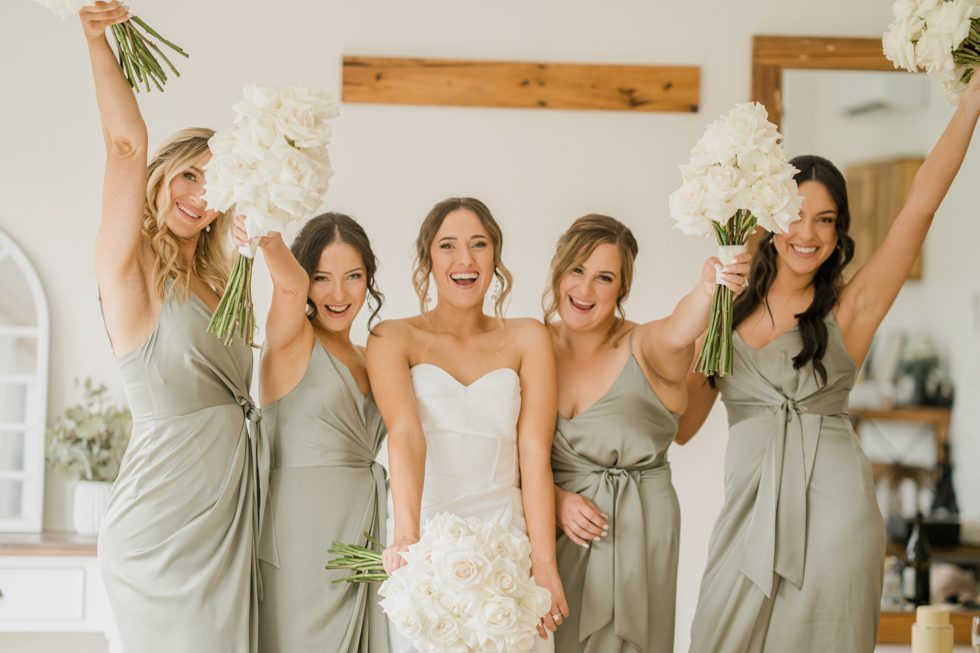
Lighting arrangement tips for interior studio wedding photography in Melbourne
Mastering Indoor Studio Lighting for Melbourne Wedding Photography
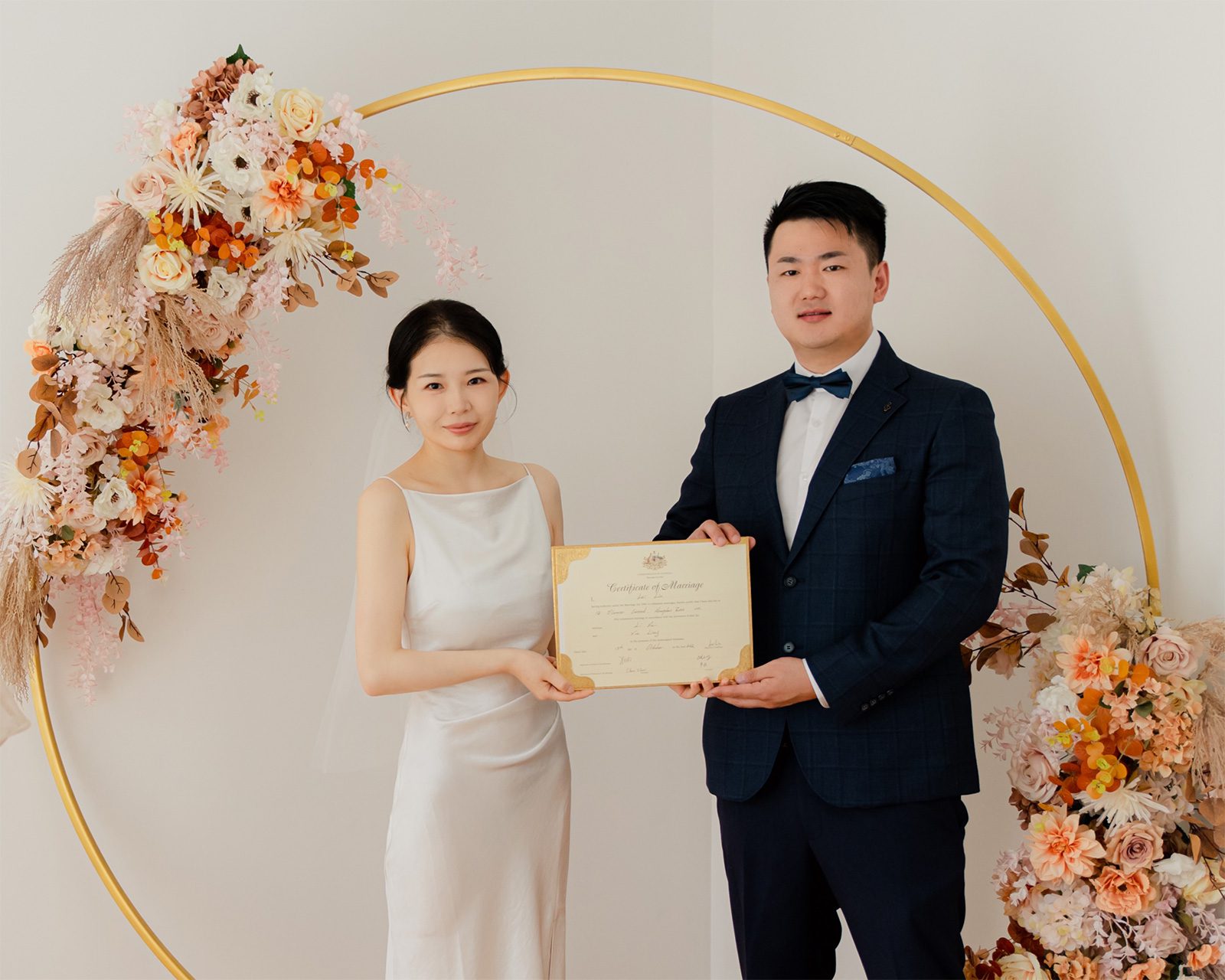
Creating timeless wedding portraits in Melbourne’s indoor studios hinges on strategic lighting setups that balance creativity with technical precision. Unlike outdoor shoots, studio environments demand meticulous control over light intensity, direction, and quality to achieve professional results. Here’s a guide to elevating your indoor wedding photography through advanced lighting techniques.
Understanding Core Lighting Principles
Every effective studio setup begins with mastering foundational lighting concepts. The interplay between
key light,
fill light, and
background light determines the mood, dimensionality, and overall aesthetic of your images.
Key Light: The Dominant Force
The key light serves as the primary illumination source, shaping the subject’s facial features and body contours. For wedding portraits, place the key light at a 45-degree angle to the subject’s face, slightly elevated to mimic natural sunlight. This angle creates gentle shadows that enhance depth without appearing harsh.
When working with couples, adjust the key light’s height to ensure both faces are evenly lit. For example, positioning the light 1.5 meters above ground level and angled downward prevents flat lighting, which can make subjects appear washed out.
Fill Light: Balancing Shadows
Fill light softens the shadows cast by the key light, preventing excessive contrast. Use a secondary light source—such as a softbox or reflector—placed opposite the key light at a lower intensity. The goal is to maintain a 2:1 or 3:1 light ratio (key light twice or three times brighter than fill light) for a natural, flattering effect.
In group shots, position fill lights at waist level to avoid overexposing facial details. A white foam board reflector can also serve as a cost-effective fill light alternative, bouncing ambient light onto darker areas of the frame.
Background Light: Setting the Scene
Background lighting isolates subjects from their surroundings, adding depth and context. For clean, minimalist portraits, use a single background light positioned behind the subject to create a subtle gradient. To emphasize texture, such as in bridal gown details, add a second background light at a 90-degree angle to highlight patterns or fabric folds.
When photographing couples against textured backdrops, like wooden panels or floral walls, adjust background light intensity to avoid overpowering the subject. A dimmer switch allows for real-time adjustments during the shoot.
Advanced Techniques for Dynamic Portraits
Beyond the basics, incorporating specialized lighting setups can transform ordinary shots into cinematic masterpieces.
Rim Lighting: Adding Drama
Rim lighting outlines the subject’s edges with a delicate glow, separating them from the background. Position a strip light or snooted flash behind the subject at a 135-degree angle to the camera. This technique works exceptionally well for bridal veil shots, where the light accentuates the fabric’s transparency and flow.
For couples, use rim lighting to highlight interaction details, such as intertwined hands or shared glances. Keep the rim light’s power 1–2 stops below the key light to maintain balance.
High-Key vs. Low-Key Lighting
High-key lighting produces bright, airy images with minimal shadows, ideal for cheerful, romantic themes. Achieve this by surrounding the subject with multiple softbox lights at equal intensity. Low-key lighting, conversely, uses deep shadows and focused illumination to convey intimacy or mystery. Position the key light close to the subject and eliminate fill light entirely for a moody effect.
When shooting in Melbourne’s compact studios, high-key setups require careful placement of lights to avoid spillage onto walls. Use black flags or barn doors to control light direction.
Creative Light Modifiers
Modifiers like grids, gels, and gobos add artistic flair. A grid attached to a softbox narrows the light beam, creating precise highlights on facial features or gown details. Colored gels can evoke seasonal themes—warm amber for autumn weddings or cool blue for winter ceremonies.
For a unique touch, project patterns onto the background using a gobo (a stencil placed over the light source). This technique works well for themed shoots, such as vintage or bohemian weddings.
Practical Tips for Melbourne Studios
Melbourne’s variable weather and studio sizes necessitate adaptable lighting strategies.
Adapting to Studio Size
In small studios (under 50 square meters), prioritize compact light sources like LED panels or portable strobes. Use bouncers or reflectors to maximize natural light from windows. For larger spaces, invest in ceiling-mounted lights to free up floor area and ensure consistent illumination.
Managing Mixed Lighting
Many Melbourne studios combine tungsten, fluorescent, and LED lights. To avoid color casts, set your camera’s white balance to “auto” or use a gray card for custom calibration. During post-processing, adjust highlights and shadows individually to maintain skin tone accuracy.
Client Communication
Before the shoot, discuss lighting preferences with the couple. Some may prefer soft, even lighting for a timeless look, while others might opt for dramatic contrasts. Show them mood boards or test shots to align expectations.
During the session, use a monitor or tethered shooting setup to review images in real time. This allows for immediate adjustments to lighting or composition, ensuring client satisfaction.
Final Considerations
- Test Your Setup: Conduct a lighting test before the shoot to identify and resolve issues like glare or uneven exposure.
- Safety First: Secure all lights and cables to prevent tripping hazards, especially in busy studios.
- Stay Flexible: Be prepared to tweak your setup based on the couple’s poses, expressions, or unexpected changes in weather (if shooting near windows).
By combining technical expertise with creative experimentation, you can craft indoor wedding portraits that capture the essence of Melbourne’s romantic charm. Whether you’re working in a cozy boutique studio or a spacious warehouse, these lighting techniques will elevate your craft and delight your clients.