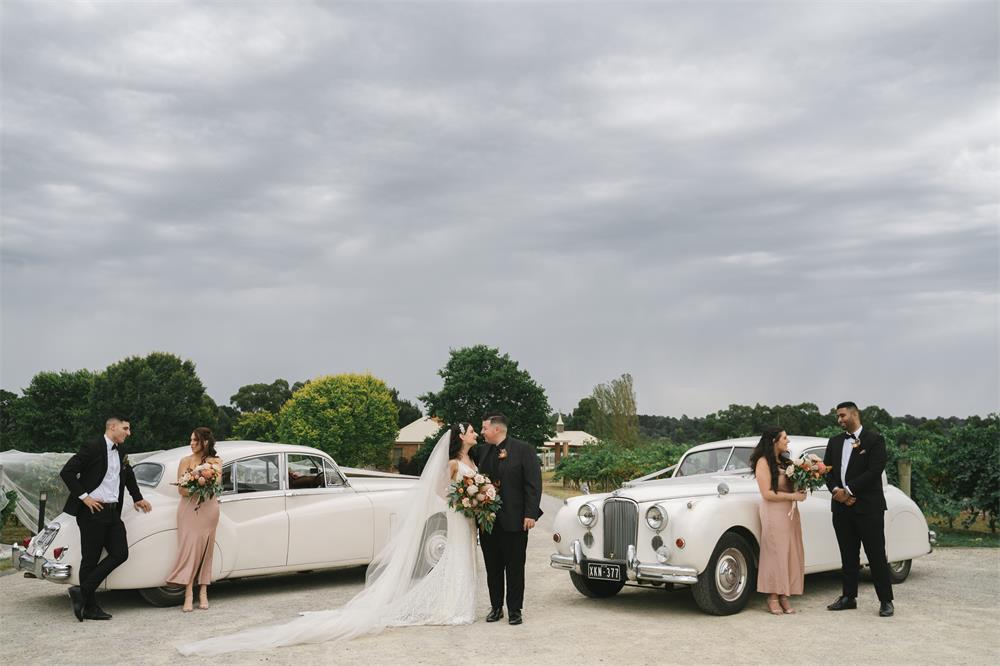
Time arrangement for changing and organizing wedding photography outfits in Melbourne
Time arrangement for changing and organizing wedding photography outfits in Melbourne
Melbourne Wedding Photography: Efficient Wardrobe Transition Timing for Bridal Sessions
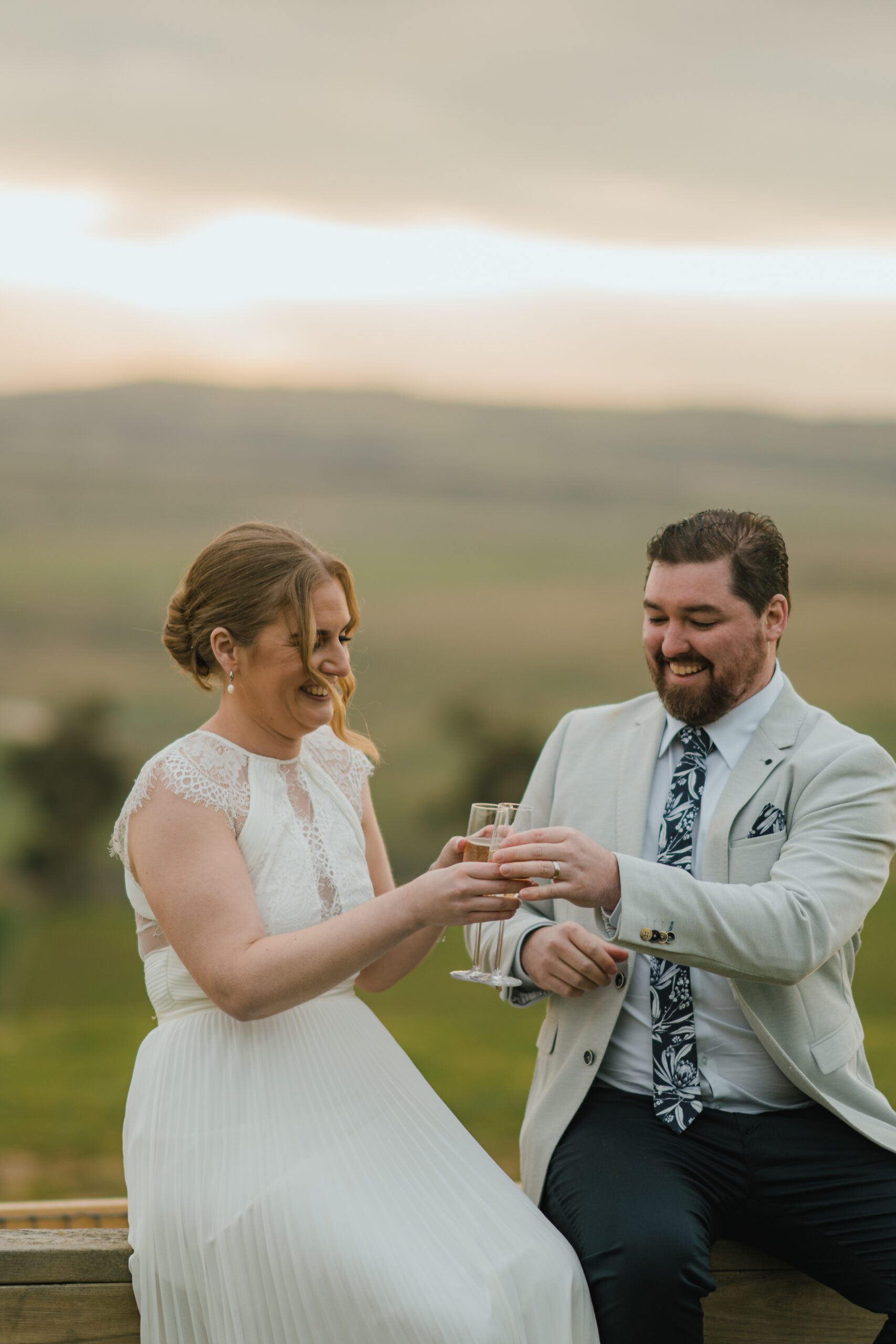
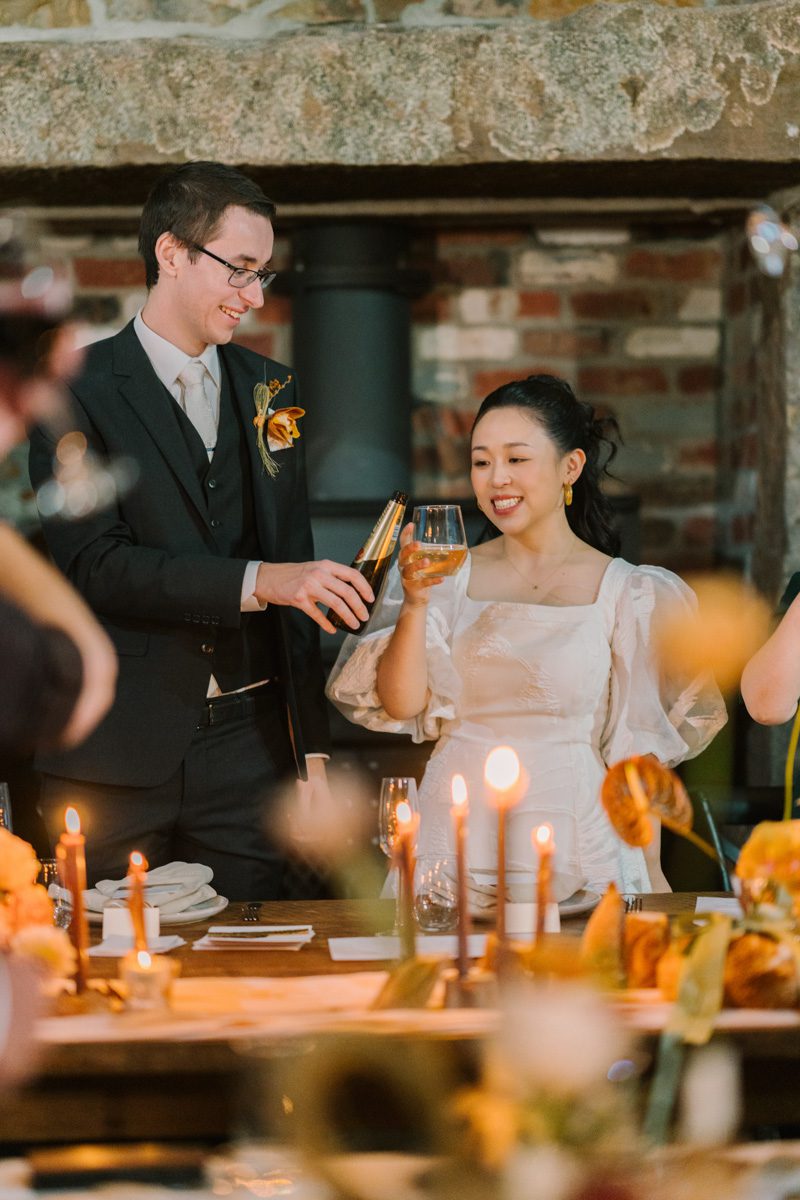
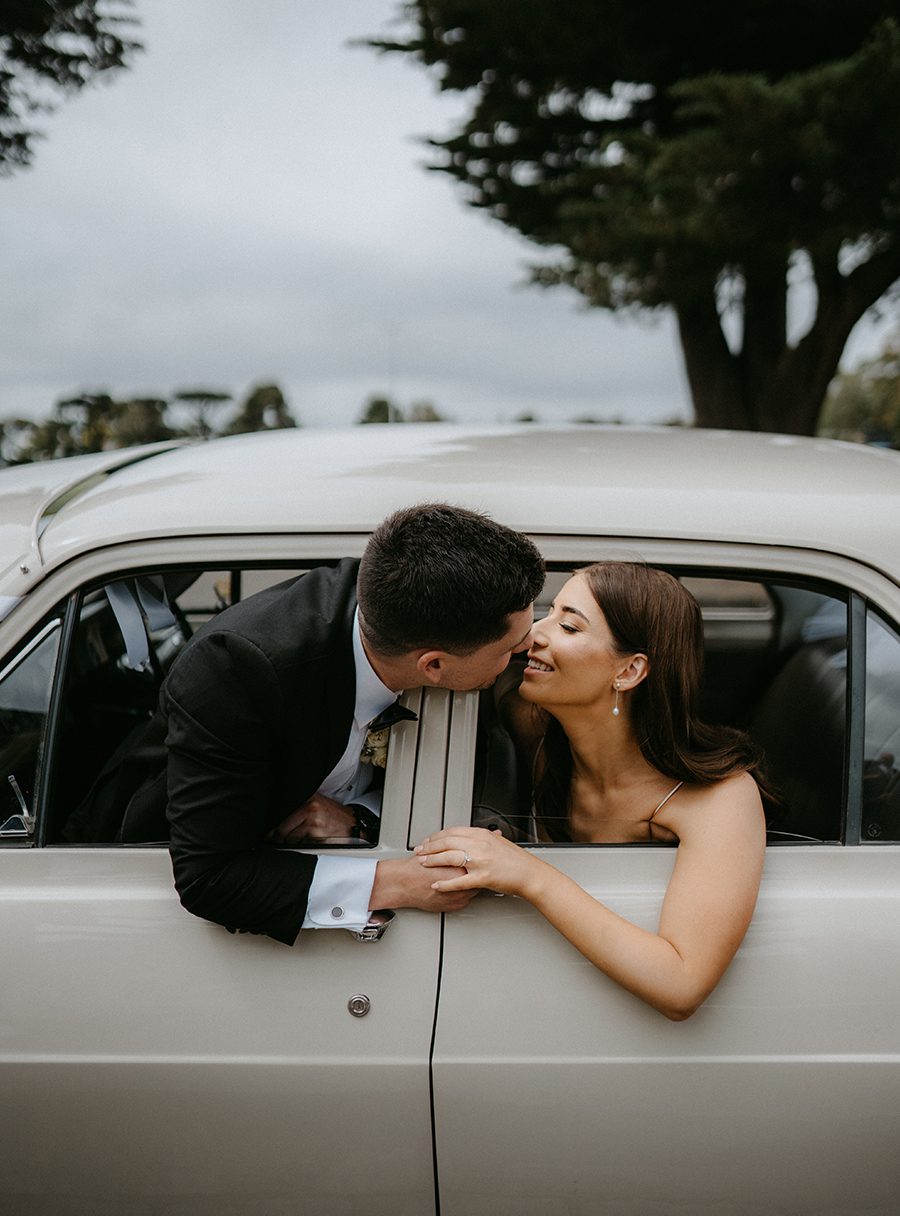
Managing outfit changes during a Melbourne wedding photoshoot requires precision to maintain the couple’s energy and keep the schedule on track. From coordinating with stylists to optimizing storage, strategic timing ensures seamless transitions between gowns, suits, and accessories.
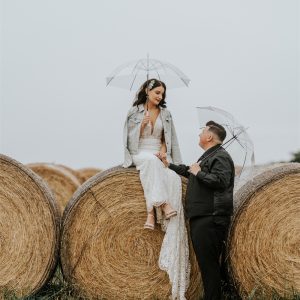
Pre-Shoot Organization: Streamlining Wardrobe Preparation
Thorough preparation minimizes chaos on the wedding day.
- Venue-Specific Storage Solutions: Assess the shooting location’s space to designate areas for clothing storage. For a Melbourne CBD rooftop shoot, use waterproof garment bags and portable racks to protect outfits from wind or rain. In a historic venue like Como House, utilize unused rooms or cloakrooms for secure storage.
- Outfit Sequencing Plan: Collaborate with the couple to prioritize outfits based on shooting order. A bride might wear a lightweight gown for outdoor shots first, followed by a heavier ball gown for indoor portraits. Label each outfit with tags indicating its sequence (e.g., “First Look,” “Reception”).
- Stylist-Photographer Briefing: Schedule a 20-minute meeting before the shoot to align on timing. The stylist should know when to have each outfit ready, while the photographer can plan lighting setups around transitions. For example, if a suit change requires cufflink adjustments, the stylist might start this during the bride’s gown alteration.
Example: During a 2024 St. Kilda beach photoshoot, the team used color-coded hangers to differentiate outfits, reducing setup time by 30% as the couple moved between casual and formal looks.
Day-Of Timing: Structuring Changes Around Key Moments
Efficient transitions depend on aligning wardrobe changes with the wedding timeline.
- Buffer Periods for Adjustments: Allocate 15–20 minutes between outfit changes to account for unexpected delays. If a gown’s zipper gets stuck, this buffer prevents rushing the couple or cutting into shooting time. A photographer might use this period to capture detail shots of rings or shoes.
- Client Comfort Breaks: Schedule changes during natural pauses, such as after a sunset shoot or before the reception. Offer the couple water, snacks, or a quiet space to rest while the team reorganizes. For a winter wedding, provide heated blankets during outdoor transitions.
- Team Role Distribution: Assign specific tasks to avoid bottlenecks. One team member might steam wrinkles while another assists with shoes or jewelry. At a Brighton Bathing Boxes shoot, an assistant carried a portable mirror to help the bride adjust her hair between outfits.
Case Study: At a 2025 Yarra Valley wedding, the team divided responsibilities: the stylist handled gown changes, the photographer scouted new angles, and the assistant packed used outfits. This分工 (role distribution) reduced downtime to under 10 minutes per transition.
Dynamic Problem-Solving: Adapting to On-Site Challenges
Unexpected issues demand quick thinking to keep the schedule intact.
- Weather Contingency Plans: If rain disrupts an outdoor shoot, pivot to indoor locations with accessible changing areas. Keep outfits in waterproof covers and use handheld steamers for quick touch-ups. For a Fitzroy Garden wedding, the team moved to a nearby café when storms hit.
- Last-Minute Alterations: Address fit issues immediately. If a suit jacket feels tight, the stylist might loosen buttons or adjust the hem while the couple poses. Keep a sewing kit and safety pins on hand for emergencies.
- Communication Protocols: Use walkie-talkies or group messaging to relay changes. If the bride decides to wear a different accessory, the stylist can notify the photographer to adjust lighting for the new look.
Pro Tip: Designate a “wardrobe lead” (often the stylist or assistant) to track time and guide the couple through changes. This person can say, “We have five minutes left—let’s finalize your veil!” to maintain urgency without stress.
Post-Change Verification: Ensuring Readiness for Shooting
Double-checking details prevents rework and maintains quality.
- Final Inspection Checklist: After each change, verify that outfits are wrinkle-free, accessories are secure, and shoes match the style. A photographer might ask, “Does the lapel pin feel loose?” to catch issues early.
- Client Feedback Loop: Encourage the couple to voice concerns. If a gown’s neckline feels uncomfortable, the stylist can adjust it while the photographer captures candid moments of the couple laughing.
- Gear and Prop Synchronization: Ensure shoes, veils, or boutonnieres align with the current outfit. For a beach shoot, the team might swap formal heels for sandals and adjust the lighting to highlight the new footwear.
Example: During a 2023 Carlton Gardens session, the bride noticed a loose thread on her dress. The stylist trimmed it while the photographer shifted focus to the groom’s cufflinks, avoiding a delay.
By prioritizing preparation, structured timing, adaptability, and verification, Melbourne wedding photography teams can manage wardrobe transitions smoothly, ensuring the couple feels confident and the schedule stays on course.