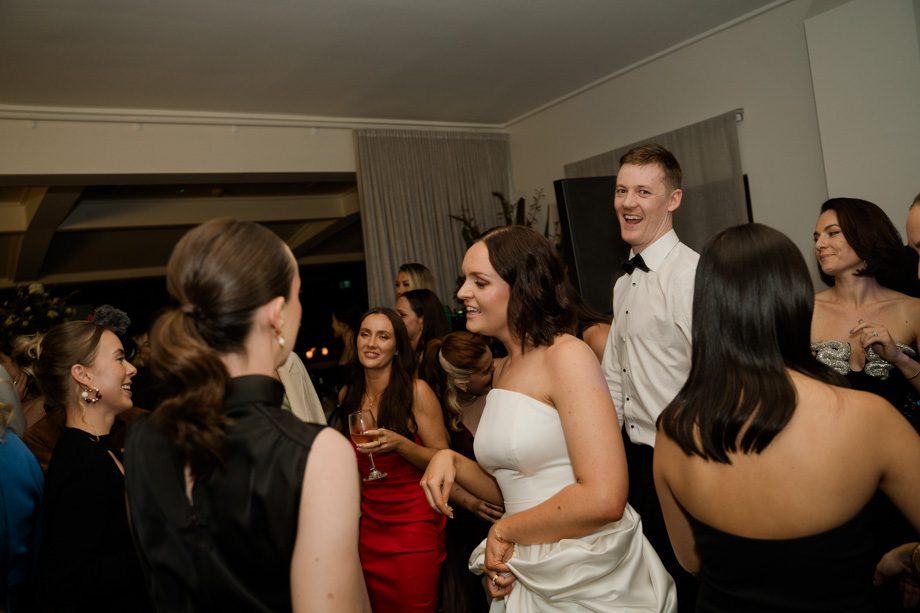
The process of scene switching for wedding photography in Melbourne
The process of scene switching for wedding photography in Melbourne
Melbourne Wedding Photoshoot Scene Transition Guide: Seamless Flow Between Locations
Capturing a wedding photoshoot across Melbourne’s varied landscapes requires strategic planning to ensure smooth transitions between scenes. From coastal stretches to urban landmarks, each location demands careful timing, outfit adjustments, and logistical coordination. This guide breaks down the process into actionable steps, helping couples and photographers navigate scene changes efficiently.

Preparing for Rapid Scene Shifts: Essential Checklists
Switching between outdoor and indoor settings—or moving between distant locations—requires preparation to avoid delays. Start by creating a detailed itinerary with allocated time slots for each scene, including buffer periods for unexpected issues like traffic or weather changes. Share this schedule with the entire team, including the photographer, stylist, and any assistants.
Pack a portable “transition kit” containing touch-up makeup, hairpins, fabric steamer, and spare accessories. This ensures quick fixes for wrinkled dresses, smudged lipstick, or loose veils during scene changes. If shooting in multiple outfits, organize garments on hangers with protective covers to prevent damage while traveling.
Pro Tip: Assign one team member to manage the kit and coordinate timing, acting as a liaison between the couple and photographer.
Moving Between Coastal and Urban Settings: Lighting and Timing
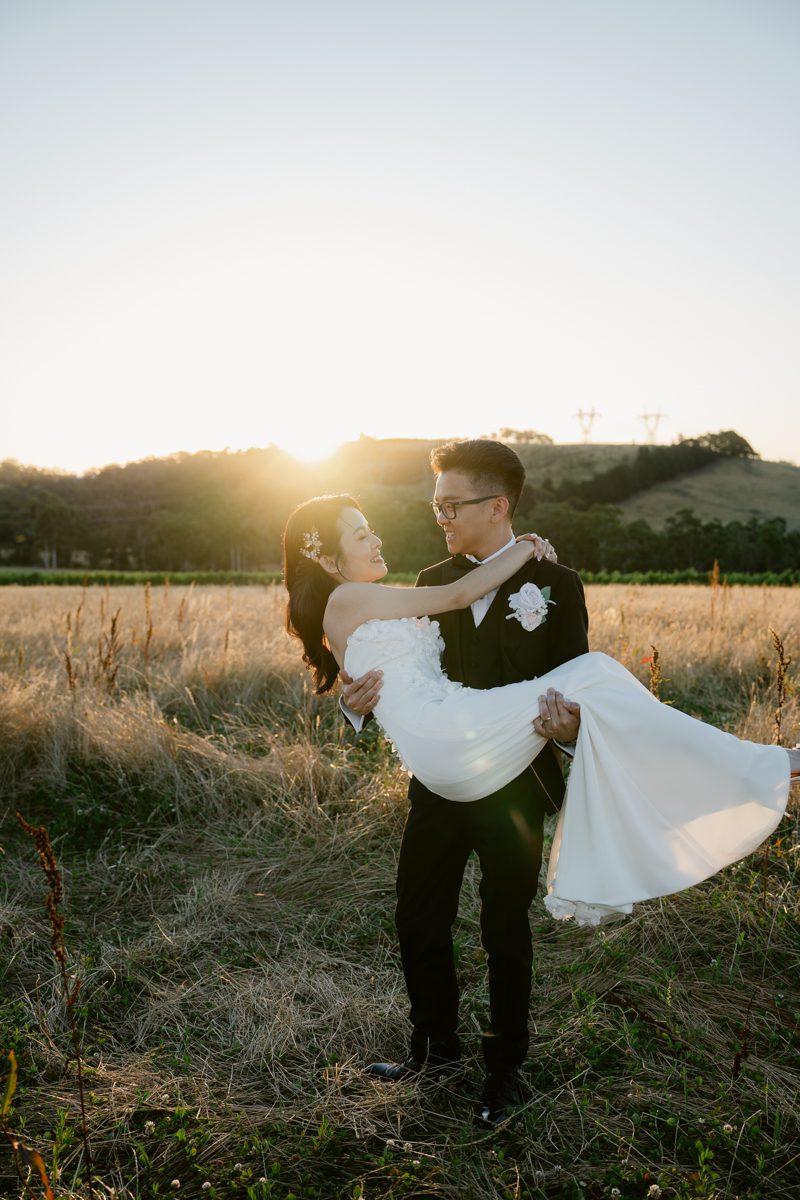
Melbourne’s coastal areas, like St Kilda Beach, and urban spots, such as Hosier Lane, offer contrasting backdrops but require different lighting approaches. When transitioning from a beach to a city street, prioritize natural light conditions. For example, shoot coastal scenes during golden hour for warm tones, then move to shaded urban alleys to avoid harsh midday sunlight.
If the next location is indoors, such as a café or gallery, use the travel time to adjust outfits. Swap open-toed sandals for closed shoes suitable for paved surfaces, or layer a lightweight jacket over a sleeveless dress for air-conditioned venues. Communicate with the photographer to align these changes with the desired mood of each scene—casual beachside laughter versus sophisticated urban elegance.
Safety Note: When shooting near busy roads or crowded areas, designate a safe zone for outfit changes and ensure the couple remains visible to the team.
Navigating Natural to Architectural Transitions: Props and Posing
Shifting from a natural setting like the Royal Botanic Gardens to an architectural landmark such as Flinders Street Station involves adapting props and posing styles. In gardens, use flowers, branches, or benches as organic elements to frame the couple. For station scenes, incorporate urban props like vintage suitcases, newspapers, or umbrellas to add context.
Posing should evolve with the environment. In nature, encourage fluid movements like walking hand-in-hand or sitting on grassy knolls. Near buildings, opt for structured poses—leaning against walls, standing on steps, or using columns as leading lines. The photographer should guide these adjustments while maintaining a consistent visual narrative across scenes.
Visual Continuity: Repeat a color or texture from one scene to the next, such as carrying a bouquet with hues matching the station’s brickwork, to create cohesion.
Handling Unexpected Delays: Flexibility in Scene Order
Weather disruptions or venue closures can force last-minute changes to the shoot itinerary. Build flexibility into the plan by ranking scenes by priority. For instance, if rain postpones an outdoor shoot, prioritize indoor locations with adjustable lighting, like studios or covered arcades.
During delays, use the time creatively. Capture candid moments of the couple interacting—sharing an umbrella or laughing at a mishap—to add authenticity to the album. If a location becomes inaccessible, research nearby alternatives with similar aesthetics. For example, if a beach is crowded, scout a quieter pier or rocky shoreline with comparable coastal charm.
Communication Strategy: Keep the couple informed about adjustments in real-time, explaining how changes enhance the final result rather than causing inconvenience.
Final Checks Before Wrapping Up
Before leaving each location, perform a quick review to ensure no details are overlooked. Check for lost accessories, tangled hair, or wardrobe malfunctions. Verify that the photographer has captured all requested shots, such as close-ups of rings or wide-angle views of the setting.
If transitioning to a final venue for sunset or nighttime shots, confirm lighting equipment is functional—extra batteries, flash units, or portable LED panels. Assign someone to gather all props and personal items, preventing items from being left behind in the rush.
Memory Keeping: Encourage the couple to take a moment to absorb each location’s ambiance, as these memories will enrich their photo album’s storytelling.
By following these steps, couples and photographers can navigate Melbourne’s diverse wedding photoshoot scenes with confidence, ensuring each transition enhances the overall narrative without sacrificing creativity or efficiency.