Melbourne wedding photography - Post-processing of blurred background
Melbourne wedding photography - Post-processing of blurred background
Mastering Background Blur in Melbourne Wedding Photography Post-Processing
Melbourne’s wedding venues range from historic architecture to lush gardens and modern urban spaces, each offering unique visual opportunities. However, not every background complements the couple perfectly. Background blur, or bokeh, is a powerful post-processing technique that isolates the subjects, draws attention to their emotions, and creates a dreamy, professional aesthetic. Whether you’re working with a busy cityscape or a distracting interior, understanding how to enhance or create background blur can elevate your wedding photos.
The Role of Background Blur in Wedding Storytelling
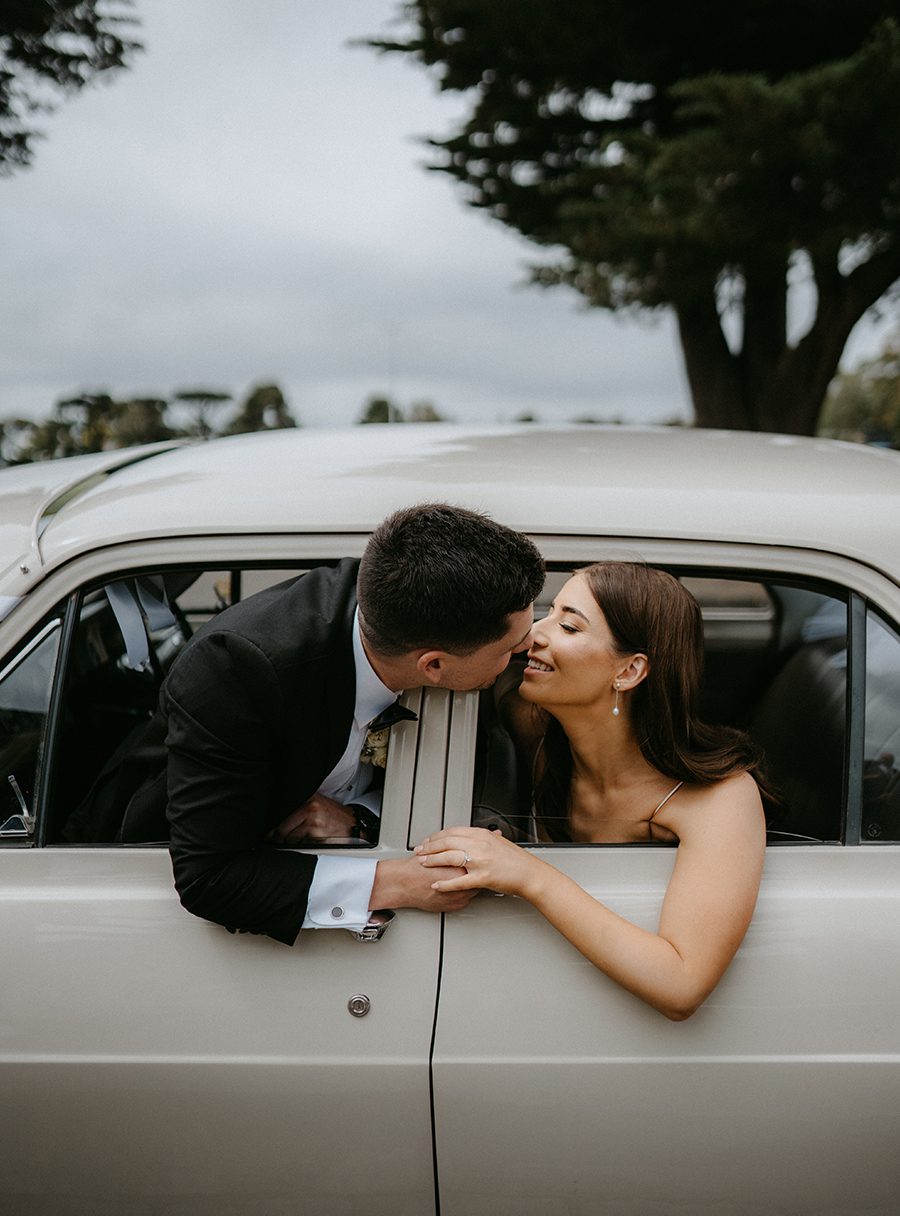
Background blur isn’t just about aesthetics—it’s a storytelling tool. By softening or removing distractions, you guide the viewer’s focus to the couple’s expressions, gestures, and connection. In Melbourne’s dynamic environments, this becomes especially important.
Creating Emotional Depth in Busy Settings
Melbourne’s CBD, with its towering buildings and bustling streets, can provide a dramatic backdrop for wedding photos. However, the chaos of traffic, pedestrians, or bright signs might overshadow the couple. Post-processing allows you to blur these elements, turning them into a soft, colorful haze that frames the subjects without competing for attention. For example, a photo taken near Federation Square can be transformed by blurring the crowd and architectural details, leaving the couple in sharp focus against a gentle, impressionistic background.
Enhancing Intimacy in Natural Environments
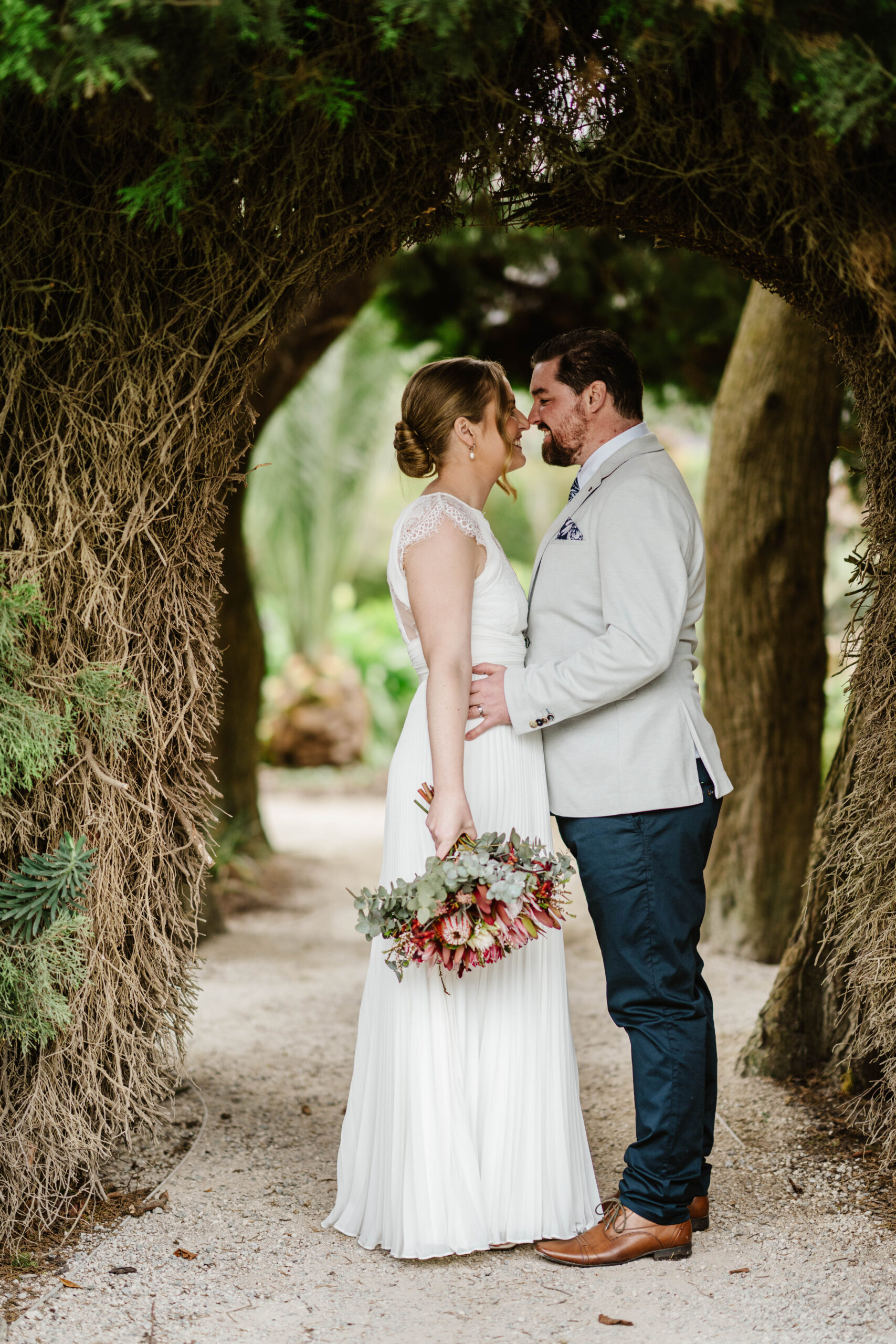
Lush parks like the Royal Botanic Gardens or coastal spots like St Kilda Beach offer stunning natural settings, but even these can have distracting elements—a stray branch, a passing cyclist, or uneven lighting. Background blur helps simplify the scene, emphasizing the couple’s bond. By adjusting the depth of field in post, you can turn a busy garden into a serene, romantic backdrop, with the bride and groom standing out as the clear focal point. This technique works particularly well for close-up portraits or candid moments where the environment plays a supporting role.
Techniques for Achieving Natural-Looking Background Blur
While some cameras can capture shallow depth of field in-camera, post-processing offers greater control, especially when working with mixed lighting or challenging conditions. Here’s how to refine background blur for a polished, professional result.
Using the Lens Blur Filter for Realistic Results
Many photo editing tools include a lens blur filter that mimics the optical properties of a high-end lens. This filter allows you to adjust the amount of blur, the shape of the bokeh (round, hexagonal, etc.), and even the light falloff. Start by creating a depth map—a grayscale image that identifies which areas should remain sharp (the couple) and which should blur (the background). Apply the lens blur filter to the background layer, refining the settings until the transition between sharp and soft areas looks natural. For a wedding photo taken in a warehouse venue, this method can turn harsh fluorescent lights into soft, glowing orbs in the background.
Refining Edges for Seamless Integration
One common issue with background blur is harsh edges around the subjects, especially if the original photo was taken with a wide aperture or in low light. To avoid this, use precise selection tools like the pen tool or quick selection brush to isolate the couple. Feather the edges of the selection by 1-2 pixels to create a smooth transition between the sharp and blurred areas. After applying blur to the background, zoom in to check for artifacts or halos around the subjects. Use the clone stamp or healing brush to clean up any imperfections, ensuring the blur looks organic and unforced.
Balancing Blur with Ambient Light
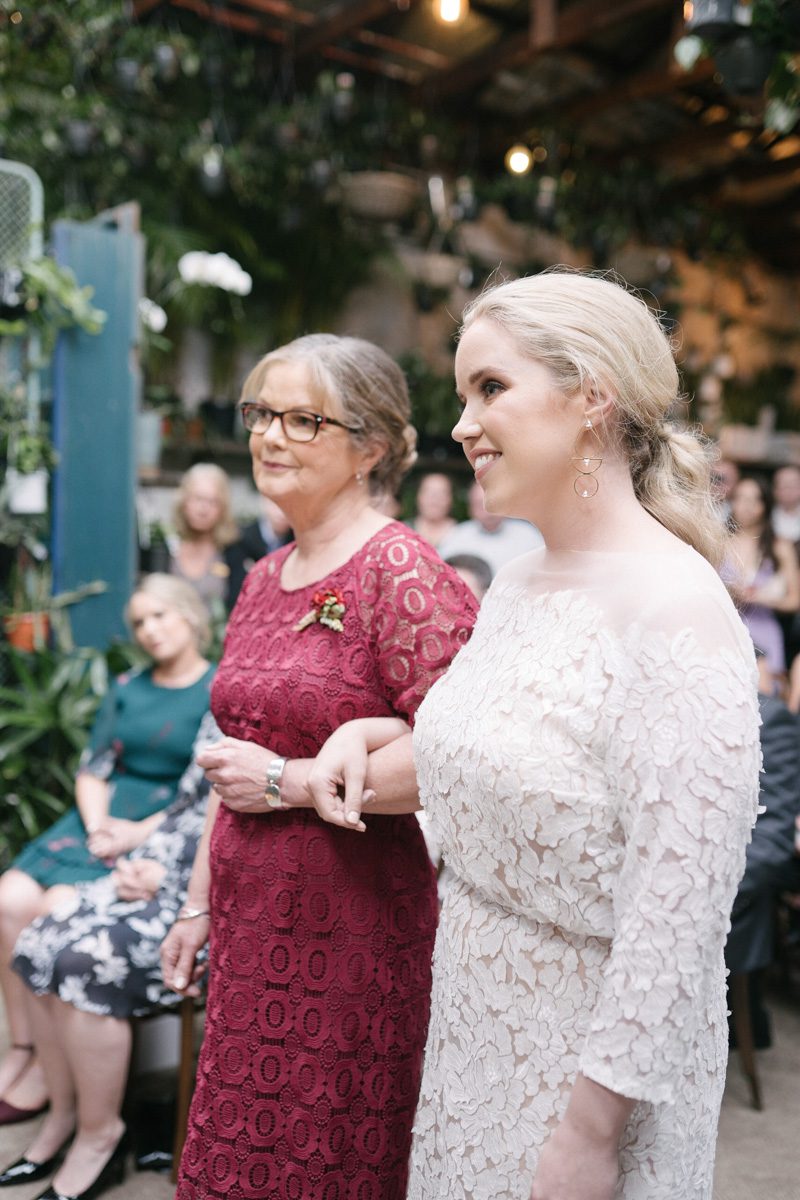
Background blur isn’t just about softness—it’s about maintaining the mood of the scene. If the original photo was taken during golden hour, the background should retain some of that warm, directional light even after blurring. Adjust the opacity or brightness of the blurred layer to ensure it doesn’t appear flat or disconnected from the subjects. For a nighttime wedding photo with string lights in the background, blurring the lights into soft bokeh spots can enhance the romantic atmosphere without losing the magic of the scene.
Advanced Tips for Customizing Background Blur
Every wedding photo is unique, and sometimes standard blur techniques need a creative twist. Here are some ways to tailor background blur to specific scenarios.
Adding Motion Blur for Dynamic Energy
In action shots—like the couple dancing or walking down the aisle—a completely static background might feel unnatural. Instead of uniform blur, consider adding subtle motion blur to the background elements. Use the radial blur filter in a direction that matches the couple’s movement, such as a slight swirl for a dancing photo or a horizontal streak for a walking shot. This creates a sense of motion while keeping the subjects crisp, adding energy to the image.
Creating Bokeh Overlays for Artistic Effects
For a truly customized look, you can create bokeh overlays from scratch. Take a photo of out-of-focus lights (like city lights at night or fairy lights) and blend them into your wedding photo as a new layer. Adjust the opacity and blending mode (such as screen or overlay) to integrate the bokeh naturally. This technique works well for adding a touch of whimsy to formal portraits or enhancing the festive feel of reception photos.
Using Gradient Masks for Gradual Blur
In some cases, you might want the background blur to increase with distance from the subjects—a effect that mimics how the human eye perceives depth. Create a gradient mask that applies more blur to the far background and less to the mid-ground. This is particularly useful for outdoor wedding photos with layers of scenery, such as a vineyard or mountain view. The gradual blur creates a sense of three-dimensionality, making the couple appear more prominent in the frame.
Conclusion: Elevating Melbourne Weddings with Thoughtful Background Blur
Background blur is more than a technical trick—it’s a way to highlight the couple’s story while managing the complexities of Melbourne’s diverse venues. By mastering post-processing techniques like lens blur filters, edge refinement, and creative overlays, you can transform distracting backgrounds into complementary elements that enhance the emotional impact of the photo. Whether you’re working with a grand cathedral or a hidden laneway, the right approach to background blur ensures the focus remains where it belongs: on the love and joy of the wedding day.