Key points for taking wedding photos in Melbourne’s natural scenic spots
Capturing Romance in Melbourne’s Natural Landscapes: Essential Tips for Wedding Photography
Melbourne’s diverse natural scenery—from rugged coastlines and lush rainforests to serene lakes and golden beaches—offers couples endless opportunities for breathtaking wedding portraits. Whether you’re drawn to the drama of the Great Ocean Road or the tranquility of the Yarra Valley, here’s how to make the most of Melbourne’s natural beauty in your wedding shoot.

Scouting Locations That Reflect Your Vision
Melbourne’s natural landscapes vary dramatically, so choose settings that align with your desired mood and style. Consider the time of year, as seasons transform even familiar spots into entirely new scenes.
Coastal Charm: The Great Ocean Road and Beyond
For couples seeking dramatic, windswept beauty, the Great Ocean Road is unmatched. Iconic spots like the Twelve Apostles or Loch Ard Gorge provide a striking backdrop of towering limestone stacks and turquoise waters. Early mornings minimize crowds and offer soft, diffused light, perfect for intimate portraits. If you prefer quieter shores, explore hidden beaches along the coast, where sand dunes and tidal pools create dynamic compositions. Remember to check tide times to avoid getting stranded or missing key shots.
Forest Serenity: The Dandenong Ranges and Yarra Valley
The Dandenong Ranges, just east of Melbourne, boast dense rainforests, fern-filled gullies, and towering mountain ash trees. Look for moss-covered logs, winding paths, and sunlight filtering through the canopy to add depth to your images. The Yarra Valley, famed for its vineyards, also offers rolling hills and reflective dams. Position the couple beneath a canopy of autumn leaves or beside a tranquil lake at sunset for a romantic, earthy vibe. Both regions are accessible year-round, though autumn’s golden hues or spring’s wildflowers add extra magic.
Urban Oases: Parks and Gardens Within the City
Melbourne’s urban parks blend natural beauty with convenience, ideal for couples who want a mix of greenery and city vibes. The Royal Botanic Gardens Victoria, with its manicured lawns, exotic plant collections, and ornamental lakes, provides a lush, romantic setting. For a wildflower-filled shoot, visit the Dandenong Ranges Botanic Garden in spring, when azaleas and rhododendrons burst into bloom. Even smaller parks like Fitzroy Gardens or Treasury Gardens offer quiet corners with heritage oaks and fountains, perfect for candid moments.
Lighting Techniques for Natural Settings
Natural light is your greatest asset in outdoor shoots, but mastering it requires planning and adaptability. Here’s how to use light to enhance your images.
Golden Hour: The Magic of Soft, Warm Light
Golden hour—the hour after sunrise or before sunset—casts a golden glow that flatters skin tones and adds warmth to landscapes. Schedule key shots during this time, positioning the couple to face the light or using it to backlight their silhouettes. For coastal shoots, golden hour light often reflects off the water, creating a shimmering effect. In forests, it filters through trees, highlighting textures like bark and foliage. Arrive early to set up, as this light fades quickly.
Overcast Skies: Even, Diffused Light for Subtlety
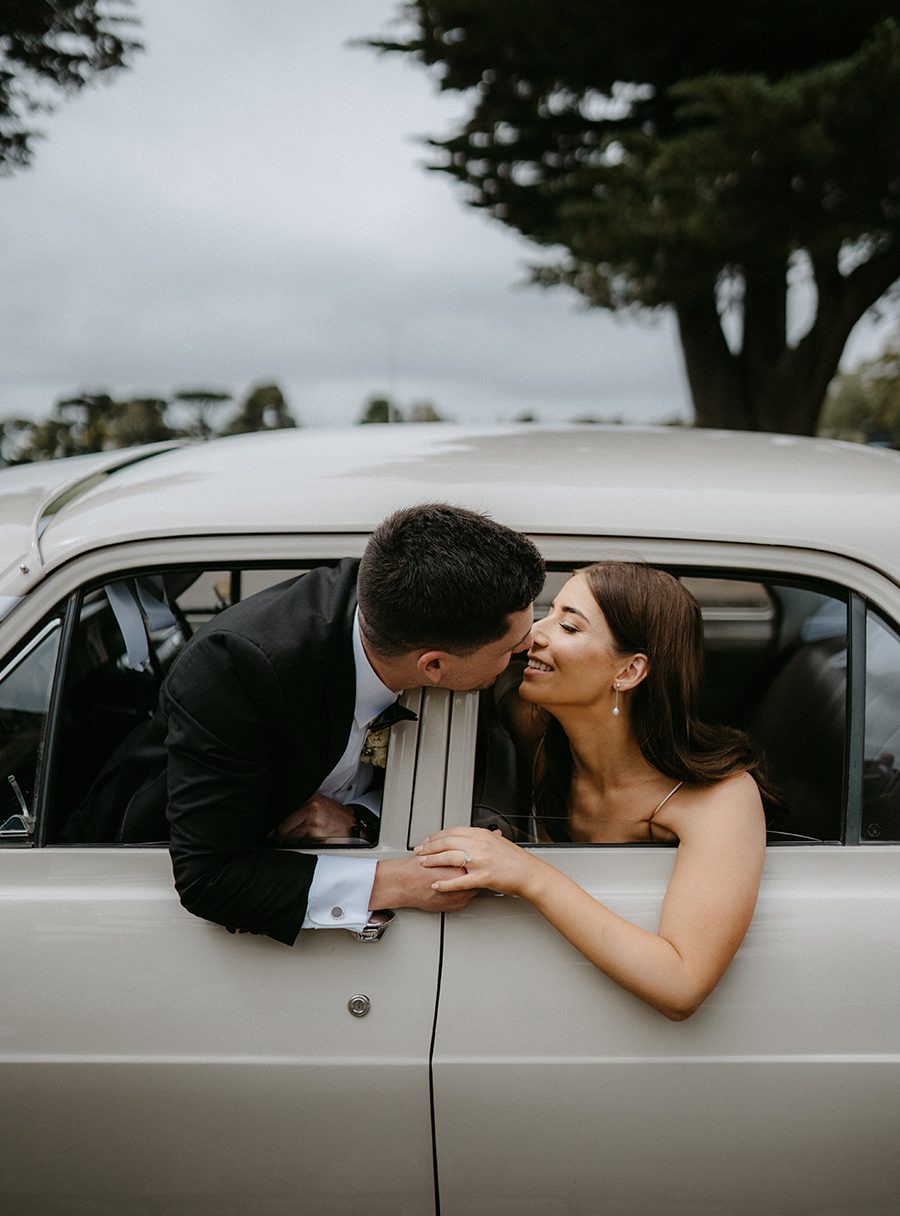
Cloudy days may seem gloomy, but they’re ideal for avoiding harsh shadows and blown-out highlights. Overcast light is soft and even, making it perfect for shooting in brightly lit areas like beaches or open fields. Use this time to focus on details like the bride’s lace veil or the groom’s boutonnière, or to capture the couple walking hand-in-hand without worrying about squinting. If the weather turns stormy, seek shelter under a tree canopy or beside a rocky outcrop to continue shooting.
Backlighting and Silhouettes for Dramatic Effect
Backlighting—placing the light source behind the subject—creates a halo effect that separates the couple from the background, adding depth and dimension. Use it during golden hour or sunset to highlight the bride’s veil or the groom’s jacket lapels. For a bolder approach, shoot silhouettes against a bright sky or reflective water surface. Have the couple stand close together, arms around each other, to emphasize their connection. This technique works best when the background is uncluttered, like an open beach or a clear lake.
Posing and Composition for Natural Elegance
Natural settings call for poses that feel relaxed yet intentional, blending the couple seamlessly into their surroundings. Here’s how to strike the right balance.
Embracing Movement for Authenticity
Static poses can feel stiff in outdoor settings. Encourage the couple to interact naturally—have the bride twirl her dress as she walks, or ask the groom to lift the bride slightly for a playful moment. Movement adds energy and life to images, especially in windy coastal or forest scenes. For a subtle approach, have the couple lean into each other or share a quiet laugh while resting against a tree trunk. These poses feel genuine and heartfelt, contrasting beautifully with the grandeur of nature.
Using the Environment to Frame the Couple
Natural elements like tree branches, rock formations, or archways can act as frames, drawing attention to the couple. Position them beneath a canopy of leaves, beside a moss-covered boulder, or within a doorway-like rock formation. This technique adds context and depth, making the images feel immersive. For beach shoots, use driftwood, sand dunes, or tidal pools to create leading lines that guide the viewer’s eye toward the couple. Always check the background for distractions like litter or overly busy textures that might compete for attention.
Capturing Candid Moments in Natural Light
Candid shots often become the most cherished images, as they capture genuine emotions and interactions. To encourage natural behavior, give the couple a simple prompt—like “whisper something funny to each other” or “hold each other tightly and close your eyes”—and let the camera catch the result. Shoot from a distance or use a long lens to avoid making them self-conscious. These moments feel especially powerful when set against a dramatic landscape, like a stormy sky or a vast ocean, emphasizing the couple’s connection amidst the vastness of nature.
Wardrobe and Accessory Tips for Outdoor Shoots
The couple’s attire should complement the natural setting without overpowering it. Here’s how to choose outfits that enhance the scenery.
Flowing Fabrics and Earthy Tones
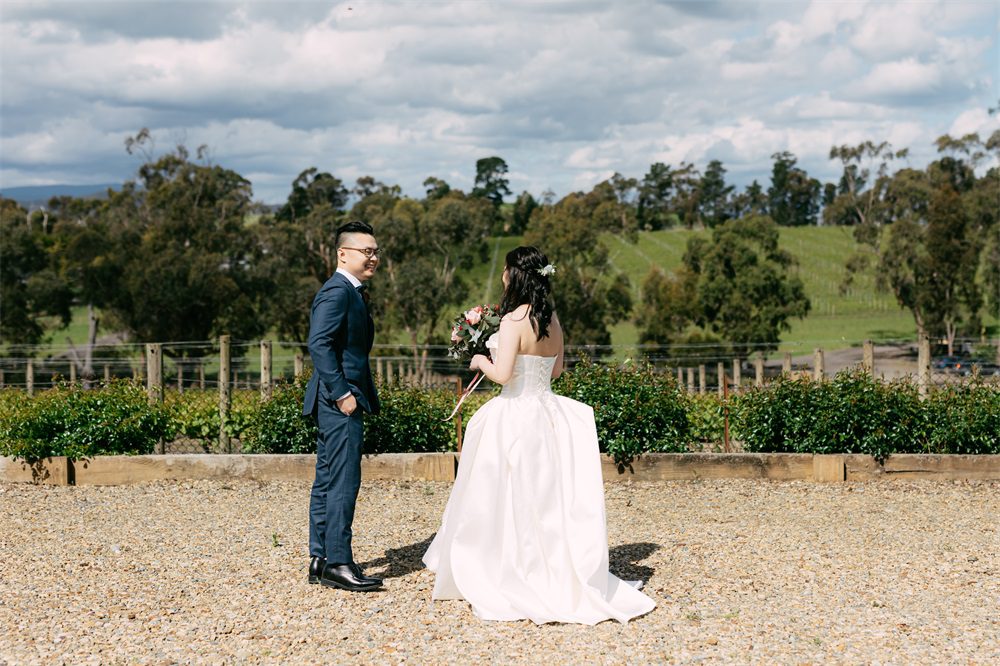
For the bride, a dress with lightweight, flowing fabric like chiffon or tulle moves beautifully in the breeze, adding dynamism to coastal or forest shots. Earthy tones like ivory, blush, or sage green blend harmoniously with natural backdrops, while bold colors can create striking contrasts—think a deep red gown against a sandy beach or a bright yellow dress amidst autumn foliage. The groom’s outfit should balance formality and comfort—a linen suit or tailored chinos in neutral tones like beige, navy, or gray pairs well with most settings, while a patterned tie or pocket square adds personality.
Accessories That Enhance the Scene
Accessories can tie the entire look together while reflecting the environment. The bride might wear a floral crown made of wildflowers or greenery for a bohemian vibe, or a delicate headpiece that catches the light. The groom could opt for a wooden boutonnière or a leather belt that matches his shoes. For beach shoots, consider barefoot portraits or ankle bracelets made of shells or beads. A parasol or picnic basket can add a playful, storybook element to forest or garden shots, making the images feel whimsical and romantic.
Footwear for Comfort and Style
Comfortable shoes are essential for outdoor shoots, as you’ll likely be walking on uneven terrain like sand, rocks, or grass. The bride might wear wedge heels or block sandals for beach shoots, as they’re less likely to sink into the sand than stilettos. For forest or mountain settings, flat ankle boots or elegant sneakers provide support without sacrificing style. The groom can choose loafers or brogues with rubber soles for grip. Bring a spare pair of comfortable shoes for walking between locations, and switch into dressier options for posed shots.
By combining Melbourne’s stunning natural landscapes with thoughtful posing, lighting, and wardrobe choices, you’ll create wedding images that feel both timeless and uniquely personal. Whether you’re capturing the drama of the coast or the tranquility of a forest glade, these tips will help you craft portraits that echo the romance of nature—right in the heart of Melbourne.