Capturing the Magic of Mornington’s Jelly Sea: A Photography Guide for Unforgettable Shots
Mornington Peninsula’s “jelly sea”—a term locals use to describe the crystal-clear, turquoise waters that shimmer like gelatin during calm weather—offers a dreamy, almost surreal setting for photography. Whether you’re shooting a portrait session, a family gathering, or a solo adventure, this coastal gem provides endless opportunities to create visually stunning images. Here’s how to make the most of this unique location.

Timing Your Shoot for Perfect Light and Tides
The jelly sea’s appearance shifts with the tides and time of day, so planning ahead is key to capturing its best features.
Low Tide: Revealing Hidden Textures
During low tide, the shallow waters expose rocky pools, sandbars, and intricate patterns in the seabed. These details add depth and interest to your compositions, especially when paired with the jelly sea’s vibrant hues. Position your subject near the water’s edge, using the exposed rocks or ripples in the sand as leading lines that draw the eye toward the horizon. If the tide is extremely low, look for tide pools filled with clear water—they can act as natural mirrors, reflecting the sky and creating symmetrical, ethereal shots. For a playful twist, have your subject wade into the ankle-deep water, capturing the way the light dances on their legs or the gentle ripples they create.
Mid-Tide: Balancing Clarity and Depth
As the tide rises, the water deepens slightly but remains translucent enough to showcase the seabed below. This is ideal for shots where you want to highlight both the subject and the underwater world. Use a polarizing filter to reduce glare on the water’s surface, enhancing the visibility of rocks or seaweed beneath. If your subject is comfortable in water, have them stand or sit in the shallows, with the jelly sea framing their silhouette. For a more artistic approach, try shooting from a low angle, just above the water’s surface, to emphasize the contrast between the clear liquid and the subject’s form. If the wind picks up, capture the way it creates tiny waves that distort the seabed’s reflection, adding a dynamic, textured effect.
Golden Hour: Softening the Scene with Warm Light
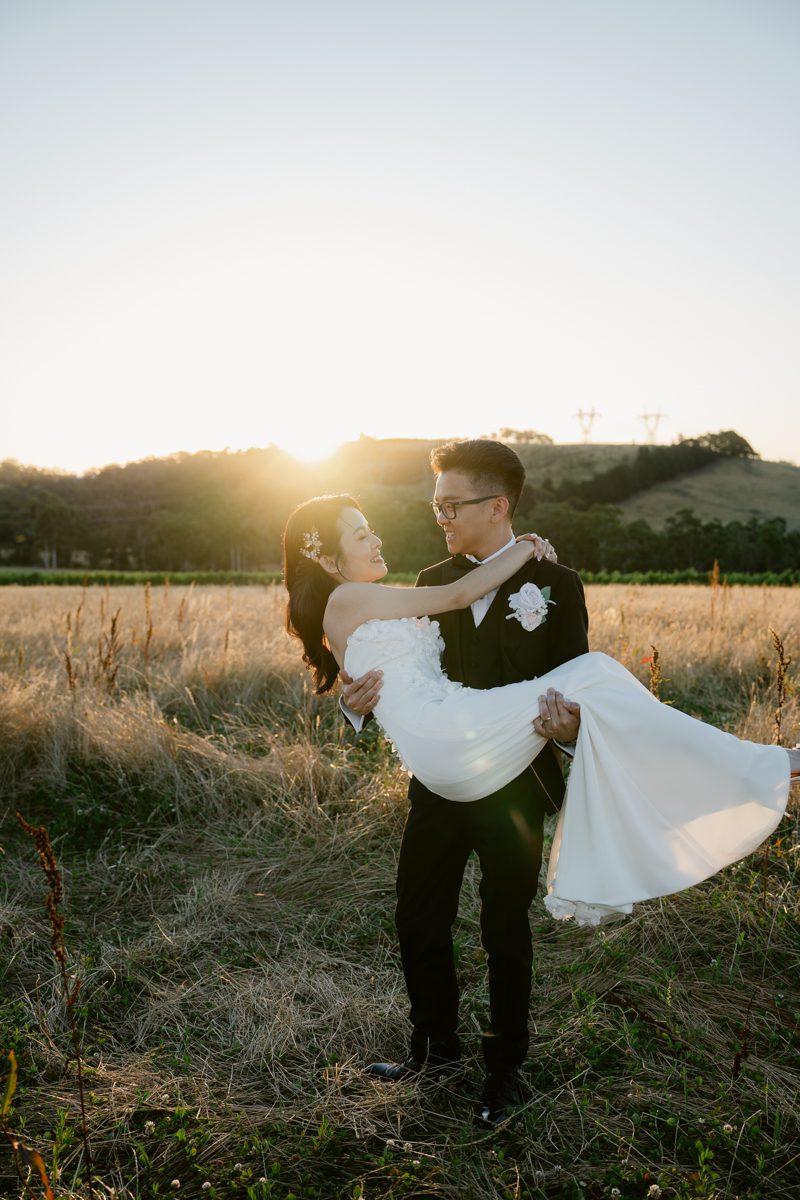
The hours around sunrise and sunset bathe the jelly sea in golden tones, transforming it into a warm, inviting canvas. During sunrise, the eastern sky often glows with pastel pinks and oranges, which reflect off the water’s surface, creating a gradient of colors. Position your subject facing the sun, using the light to highlight their features while the jelly sea provides a colorful backdrop. For sunset, the western horizon tends to erupt in fiery reds and deep purples, casting long shadows that add drama to your images. If the clouds are sparse, the sun’s rays will pierce through, creating streaks of light that dance across the water. To avoid harsh shadows on your subject’s face, use a reflector or have them turn slightly away from the sun, letting the jelly sea’s glow fill in the gaps.
Composing Shots That Celebrate the Jelly Sea’s Unique Beauty
The jelly sea’s clarity and color invite creative framing and storytelling through your lens.
Using Negative Space to Highlight the Subject
Negative space—the empty area around your subject—can amplify the jelly sea’s vastness and tranquility. Position your subject off-center, leaving the majority of the frame filled with the shimmering water or sky. This technique draws attention to the person while emphasizing the location’s serene, almost otherworldly quality. For example, have a solo subject stand at the edge of the water, with their back to the camera, gazing out at the horizon. The jelly sea’s empty expanse behind them will evoke a sense of contemplation or wonder. If shooting a couple, place them close together in the lower third of the frame, letting the water and sky dominate the upper two-thirds, creating a balanced, harmonious composition.
Incorporating Natural Frames for Depth
The Mornington Peninsula’s coastline is dotted with natural elements that can serve as frames for your shots. Look for rock formations, overhanging branches, or even clusters of seaweed to enclose your subject within the jelly sea’s embrace. For instance, shoot through a gap in a rocky outcrop, positioning your subject in the opening with the turquoise water stretching beyond them. This adds layers to your image, guiding the viewer’s eye from the foreground to the background. If there are no obvious frames nearby, create one by having your subject hold a transparent umbrella or a piece of fabric—the jelly sea’s light will filter through, adding a soft, dreamy quality to the shot.
Playing with Reflections and Symmetry
The jelly sea’s calm surface often acts as a mirror, reflecting the sky, clouds, and surrounding landscape. Use this to your advantage by positioning your subject near still patches of water, capturing their reflection for a symmetrical, visually striking image. For a more dynamic take, have them move slightly, creating ripples that distort the reflection, adding texture and movement. If the tide is low enough to expose wet sand, look for puddles that mirror the jelly sea itself—shooting downward into these miniature “mirrors” can produce abstract, artistic compositions. During windy conditions, the water’s surface will become textured with tiny waves, turning reflections into a mosaic of broken light and color, perfect for experimental photography.
Capturing Candid Moments and Emotional Connections
While posed shots are essential, candid interactions often reveal the true spirit of the location and the people in it.
Joyful Exploration and Playfulness
The jelly sea’s inviting waters and soft sand make it a natural playground for spontaneous moments. Encourage your subjects to interact with their surroundings—whether it’s splashing in the shallows, building sandcastles, or collecting seashells. These unscripted actions often lead to genuine smiles and laughter, resulting in images that feel lively and authentic. Position yourself slightly away from the action, using a telephoto lens to capture close-ups of expressions or a wide-angle lens to include the jelly sea’s backdrop. If children are present, let them lead the way—their curiosity and energy can inspire the entire group, creating a series of heartwarming, candid shots.
Quiet Contemplation and Connection
Not all moments at the jelly sea need to be loud—sometimes, the most powerful images come from quiet, shared experiences. Have your subjects sit or lie on the sand, facing the water, and capture the way they lean into each other or hold hands without speaking. The jelly sea’s stillness will amplify these subtle gestures, creating a sense of intimacy and peace. Use a shallow depth of field (f/2.8 or lower) to blur the background, keeping the focus on their connection. If the wind is gentle, ask them to close their eyes and take a deep breath—the serenity of the location will shine through in their relaxed postures and calm expressions. For solo subjects, shoot from a distance, letting the vastness of the jelly sea emphasize their solitude or introspection.
Group Dynamics and Shared Adventures
If you’re photographing a family or group of friends, use the jelly sea’s open space to create dynamic compositions that highlight their relationships. Arrange them in a loose line along the water’s edge, with the jelly sea stretching behind them, or have them gather in a circle, facing inward for a more intimate setup. Capture candid moments of hugging, high-fiving, or simply walking together, using the jelly sea’s colors and textures as a vibrant backdrop. For a fun twist, organize a group activity like a beach cleanup or a game of frisbee—the energy and teamwork on display will translate into engaging, lively images. Always be ready to snap shots of unexpected interactions, like a toddler chasing seagulls or a grandparent sharing a story with the group—these are the moments that truly bring a photo session to life.
Respecting the Environment and Staying Safe
The jelly sea’s beauty is fragile, so it’s crucial to photograph it responsibly to preserve its charm for future visitors.
Avoiding Disturbance to Marine Life
The shallow waters of the jelly sea are home to various small creatures, from crabs scuttling across the sand to fish darting beneath the surface. When shooting, be mindful of your movements to avoid stepping on or disturbing these animals. Refrain from picking up or relocating seashells, starfish, or other marine life—they play a role in the ecosystem and should be left undisturbed. If your subjects want to interact with the water, encourage them to observe quietly from a distance rather than chasing or touching wildlife.
Staying Aware of Tides and Weather Changes
The jelly sea’s calm appearance can be deceptive—tides and weather can shift rapidly, especially in coastal areas. Check local tide charts before your shoot and avoid scheduling during high tide if you plan to wade into the water. Sudden waves or rising tides can soak equipment or pose safety risks, so always keep a safe distance from the water’s edge if conditions are uncertain. Similarly, monitor weather forecasts for wind or storm warnings—strong gusts can make it difficult to stabilize your camera or keep hair and clothing in place, while lightning poses a serious danger. If the weather turns unfavorable, reschedule or move to a sheltered location nearby.
Leaving No Trace Behind
The Mornington Peninsula’s coastline is a protected natural area, so it’s essential to leave it as pristine as you found it. Pack out all trash, including food wrappers, bottle caps, and even biodegradable items like fruit peels, which can disrupt local wildlife. Avoid using glitter, confetti, or other non-natural props that could harm the environment. If your subjects bring props like blankets or signs, ensure they’re removed after the shoot. Refrain from carving names into rocks or sand dunes, and stick to designated paths to prevent erosion. By minimizing your impact, you help preserve the jelly sea’s magic for everyone to enjoy.
The jelly sea of Mornington Peninsula is a photographer’s dream, offering a blend of natural beauty, vibrant colors, and endless creative possibilities. By approaching your shoot with patience, creativity, and respect for the environment, you’ll capture images that not only showcase the location’s unique charm but also tell the story of the people who experienced it.