DSC02059

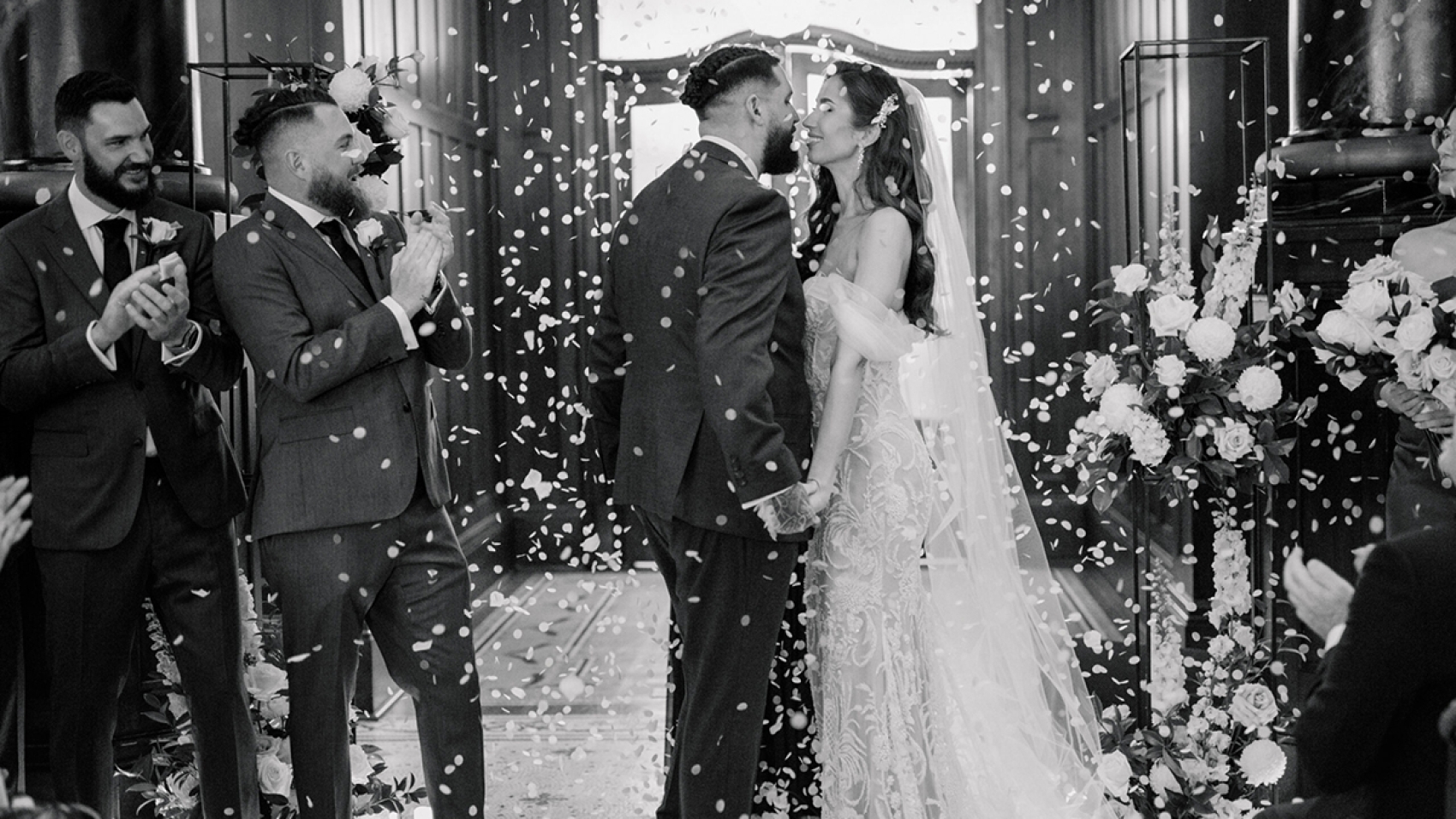
Fall wedding photography in Melbourne with a light and cool atmosphere

Early Autumn Elegance: Melbourne Wedding Photography with a Crisp, Cool Atmosphere

Melbourne’s early autumn brings a gentle shift in the air—a light chill, muted tones, and a sense of quiet transition that lends itself beautifully to wedding photography. The season’s soft light, falling leaves, and crisp breezes create a mood that’s both romantic and understated, perfect for couples seeking images that feel timeless and effortlessly chic. Here’s how to capture the essence of early autumn in Melbourne, focusing on atmosphere, texture, and emotion.
wedding photography melbourne

Embracing the Season’s Subtle Palette

Early autumn in Melbourne is marked by a quiet transformation in color. Greens fade into soft yellows and ochres, while skies take on a pale, milky blue. Instead of fighting these muted tones, use them to your advantage by choosing locations that complement the season’s aesthetic. Think moss-covered gardens, stone courtyards, or waterfront paths lined with drifting leaves. These settings provide a natural backdrop that enhances the cool, serene mood of your images.

When styling the shoot, encourage the couple to wear fabrics that reflect the season—linen, wool, or lightweight knits in earthy shades like taupe, rust, or sage. These textures add warmth without overwhelming the delicate balance of light and shadow. For bouquets, opt for dried flowers or muted blooms like dahlias, ranunculus, or astilbe, which echo the season’s understated beauty.

Working with Natural Light in Overcast Skies

Early autumn often brings overcast days, which may seem challenging but actually offer ideal conditions for soft, diffused lighting. Cloud cover acts as a natural diffuser, eliminating harsh shadows and wrapping subjects in a gentle glow. This light is especially flattering for portraits, as it smooths skin tones and highlights the couple’s features without creating unflattering contrasts.

Position the couple near windows or under open skies to maximize the effect of this even light. Use reflectors to bounce light onto their faces if needed, or embrace the moodiness of deeper shadows for a more dramatic look. If the sun breaks through the clouds, take advantage of the fleeting golden light by shooting quickly before it disappears, capturing the couple in warm, directional rays that add depth to the scene.

Capturing Movement with Falling Leaves and Breezes

Autumn’s light chill often brings gentle breezes, which can add a dynamic, organic feel to wedding photos. Use falling leaves as a natural prop by tossing handfuls into the air or letting the wind carry them past the couple. Capture these moments with a fast shutter speed (1/500s or higher) to freeze the leaves in mid-air, creating a sense of motion and spontaneity.

For a softer approach, use a slower shutter speed (1/60s or lower) to blur the leaves into streaks, adding a dreamy, ethereal quality to images. Position the couple beneath a tree with shaking branches, or have them walk through a path lined with drifting foliage, letting the breeze guide their movements. These shots feel lively and authentic, capturing the carefree spirit of the season.

Incorporating Seasonal Details for Depth and Context

Small touches can make a big difference in early autumn wedding photography. Look for ways to include seasonal elements like acorns, pinecones, or twigs in compositions, using them to frame the couple or add texture to flat surfaces. For example, place a handful of dried leaves at the base of a bouquet, or scatter pine needles around the couple’s feet during a portrait session.

Another way to add context is to incorporate the couple’s surroundings into the story. If shooting near a park, include a bench covered in fallen leaves or a wrought-iron gate draped with ivy. If by the water, capture reflections of autumn-colored trees in the ripples of a lake or river. These details ground the images in the season, making them feel specific and meaningful.

Using Depth of Field to Enhance Atmosphere

A shallow depth of field is a powerful tool for creating mood in early autumn photography. By shooting with a wide aperture (f/1.8 to f/2.8), you can blur distractions in the background while keeping the couple sharp, drawing attention to their expressions and interactions. This technique works particularly well in busy locations like markets or streets, where a soft, out-of-focus backdrop emphasizes intimacy.

For a more artistic approach, experiment with foreground blur by positioning elements like leaves or branches close to the lens. This creates a natural vignette effect, framing the couple in a halo of softness that enhances the dreamy, cool atmosphere of the season. Use this technique sparingly, though—too much blur can distract from the main subject.

Editing for a Cool, Timeless Look

Post-processing plays a crucial role in shaping the final mood of early autumn wedding photos. Start by adjusting white balance to counteract any unwanted warmth, aiming for a cool, neutral tone that reflects the season’s crispness. Then, tweak contrast and saturation to enhance the natural richness of colors without making them look oversaturated or artificial.

For a vintage or film-inspired aesthetic, reduce clarity slightly to soften edges and add a subtle grain, mimicking the look of analog photography. If shooting in RAW, experiment with split toning to introduce cool hues (like teal or gray) into shadows and warm tones (like peach or gold) into highlights, creating a balanced, cinematic feel. Always keep edits subtle—the goal is to amplify the existing atmosphere, not overpower it.

Final Touches: Adding Personal Elements to Autumn Shots

Even in cool conditions, personal details can make wedding photos feel unique and heartfelt. Encourage the couple to bring items like a handwritten vow book, a family heirloom, or a shared blanket to include in shots. These elements add warmth and context, turning generic scenes into stories filled with significance.

For example, photograph the bride adjusting her veil while holding a locket passed down from her grandmother, or capture the groom’s hand resting on the couple’s dog’s head during a portrait session. These moments, though small, resonate deeply and make the images feel authentic and memorable.

By embracing Melbourne’s early autumn and using light, texture, and seasonal details to tell a story, photographers can create wedding galleries that feel cool, elegant, and unforgettable. The key lies in seeing beauty in the season’s subtlety and using it to craft images that capture the quiet magic of love in transition.
wedding photography melbourne

Melbourne sunny wedding photography with clear and transparent lighting effects

Bright Beginnings: Melbourne Sunlit Wedding Photography for Luminous, Airy Imagery

Melbourne’s sunny days are a gift to wedding photographers, offering crisp light, vivid colors, and a sense of joy that translates beautifully into images. When the sun shines, the city’s architecture, gardens, and coastlines come alive with sharp contrasts and glowing highlights, creating the perfect backdrop for timeless, light-filled photos. Here’s how to harness Melbourne’s sunlight to craft wedding galleries that feel bright, authentic, and effortlessly romantic.

wedding photography melbourne

Mastering Golden Hour: The Sun’s Most Flattering Light

Golden hour—the period shortly after sunrise or before sunset—bathes everything in a warm, golden glow that flatters skin tones and adds a magical quality to images. In Melbourne, this light is particularly soft during summer mornings, when the sun rises early and casts long, gentle shadows. Schedule portrait sessions during these times to capture the couple in a halo of sunlight, with highlights dancing off their hair and clothing.

For sunset shoots, position the couple facing the sun to create a radiant backlight, then use a reflector or fill flash to balance exposure on their faces. If shooting into the sun, experiment with silhouettes or flare effects by allowing sunlight to stream directly into the lens. This technique works especially well for wide-angle shots of the couple standing against a blazing sky, emphasizing the grandeur of the moment.

Using Natural Light to Define Shapes and Textures

Sunny days highlight every detail, from the intricate lace on a wedding dress to the rough texture of stone walls. Use this to your advantage by choosing locations with varied surfaces—think cobblestone streets, wooden piers, or leafy gardens—to add depth and interest to compositions. Position the couple near these elements, letting sunlight accentuate their contours while creating a play of light and shadow on their forms.

For portraits, seek out open shade, such as under a tree or beside a building, to avoid harsh midday sunlight. This diffused light softens features while maintaining the vibrancy of colors, making it ideal for close-ups of the couple’s expressions or delicate details like rings or flowers. If shooting in direct sun, use a scrim or diffuser to soften the light, or ask the couple to turn slightly to the side to minimize unflattering shadows.

Creating Dynamic Compositions with Shadows and Highlights

Sunlight is a natural storyteller, casting shadows that add drama and movement to images. Look for patterns created by window frames, railings, or foliage, and use them to frame the couple or lead the eye toward them. For example, shoot through a wrought-iron gate to create a lattice of shadows across the bride’s dress, or position the couple beneath a pergola where dappled light falls in soft patches.

Experiment with high-contrast shots by placing the couple in areas of deep shadow next to brightly lit spaces. This technique works well in urban settings, where alleys or doorways create striking juxtapositions of light and dark. Use a spot metering mode to expose for the couple’s faces, allowing the background to fall into dramatic shadow or blow out into pure white for a minimalist effect.

Capturing Candid Moments in Natural Light

The spontaneity of sunny days lends itself to candid photography, as couples feel more relaxed and playful in the warmth. Encourage them to interact naturally—walking hand-in-hand, sharing a laugh, or stealing a kiss—while you capture the moment from a distance. Use a telephoto lens to stay unobtrusive, or a wide-angle lens to include the environment and convey a sense of place.

For action shots, like the bride tossing her bouquet or the couple dancing, use a fast shutter speed (1/1000s or higher) to freeze motion without blur. If the sun is low in the sky, position yourself so it backlight the subjects, creating a rim of light that separates them from the background. This adds a sense of energy and movement to images, making them feel alive and immediate.

Enhancing Colors with Sunlight and Post-Processing

Sunny days bring out the truest colors, from the azure of the sky to the emerald of gardens. To preserve this vibrancy, shoot in RAW format and adjust white balance to neutralize any unwanted warmth or coolness. In post-processing, boost saturation slightly to make greens and blues pop, but avoid oversaturating—natural-looking colors feel more timeless and authentic.

Use contrast and clarity sliders to enhance textures without making the image look harsh. For example, slightly increase clarity to bring out the details in a bride’s dress or the grooves in a stone wall, then reduce highlights to prevent the sky from becoming too bright. If shooting in harsh midday light, recover shadows in editing to reveal details hidden in dark areas, creating a balanced, well-exposed final image.

Final Touches: Adding Personal Elements to Sunlit Shots

Even in bright conditions, personal details can make wedding photos feel unique and meaningful. Incorporate items like a handwritten sign, a family heirloom, or a shared hobby into the shoot to add context and warmth. For example, photograph the couple reading their vows in a sunlit garden, or capture the groom adjusting the bride’s veil while holding a lucky charm from his childhood.

These moments, though small, resonate deeply and make the images feel authentic and heartfelt. Use sunlight to highlight these details—let it catch the edge of a lace handkerchief or illuminate the pages of a love letter—to create a connection between the couple and the viewer.

By embracing Melbourne’s sunny days and using light, shadow, and color to tell a story, photographers can create wedding galleries that feel bright, joyful, and unforgettable. The key lies in seeing sunlight not just as illumination, but as a tool for crafting images that capture the essence of love in its purest, most radiant form.

wedding photography melbourne

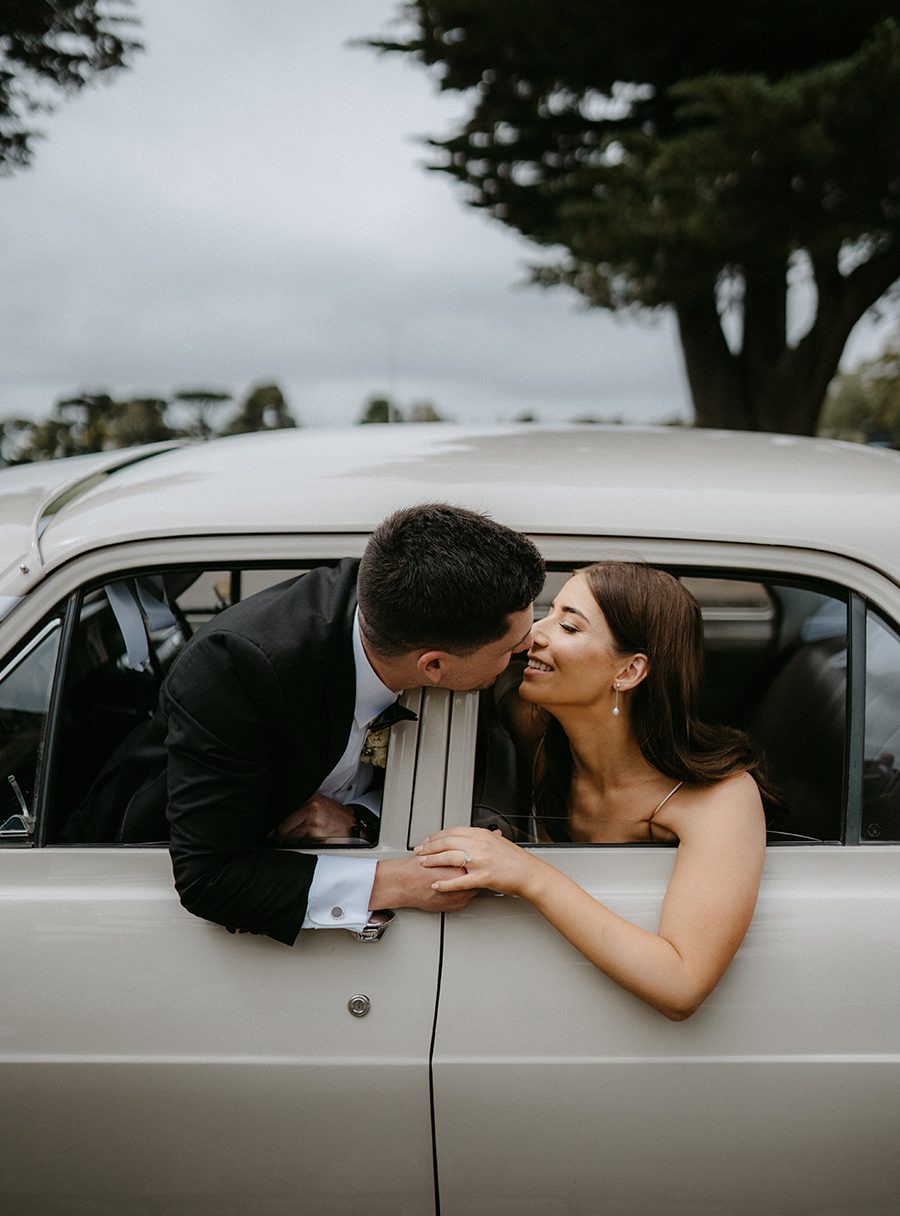
Melbourne cloudy-day wedding photography with soft focus and atmospheric effect shooting

Embracing the Gloom: Melbourne Overcast Wedding Photography for Soft, Romantic Imagery

Melbourne’s overcast skies, often dismissed as gloomy, hold a unique charm for wedding photographers seeking to create images with a dreamy, ethereal quality. The diffused light of cloudy days eliminates harsh shadows, wraps subjects in a gentle glow, and transforms ordinary scenes into moody, romantic landscapes. Here’s how to craft wedding photos that thrive in the softness of Melbourne’s cloud cover, focusing on emotion, texture, and atmosphere.

wedding photography melbourne

The Magic of Diffused Light: Why Overcast Skies Work

On cloudy days, sunlight scatters through the atmosphere, creating even, flattering illumination that suits every skin tone and facial feature. Unlike sunny conditions, which force photographers to chase shadows or wait for golden hour, overcast light remains consistent throughout the day, offering flexibility in timing and location. This consistency is ideal for capturing candid moments, as couples can move freely without squinting or battling unflattering contrasts.

The lack of direct sunlight also enhances colors, making them appear richer and more saturated. Greens in parks or gardens look deeper, while neutral tones like stone or concrete take on a muted elegance. Use this to your advantage by choosing locations with varied textures—moss-covered walls, gravel paths, or weathered wooden fences—to add depth to compositions without overwhelming the couple.

Creating Depth with Foreground and Background Elements

Overcast skies provide a blank canvas, allowing foreground and background details to shine without competing with bright sunlight. Incorporate natural elements like falling leaves, wilted flowers, or mist rising from ponds to add a sense of season and movement. For urban shoots, use architectural features like arched doorways, wrought-iron gates, or rain-streaked windows to frame the couple, creating layers that draw the eye inward.

Experiment with depth of field by shooting with a wide aperture (f/1.8 to f/2.8) to blur distractions in the background while keeping the couple sharp. This technique works particularly well in busy areas like markets or street corners, where a soft, out-of-focus backdrop emphasizes intimacy. For a more artistic approach, position the couple near reflective surfaces like puddles or glass buildings to capture double exposures of their forms against the cloudy sky.

Soft Focus Techniques for a Timeless, Romantic Look

Achieving a柔焦 (soft focus) effect doesn’t require special lenses or filters—simple adjustments to shooting style and post-processing can create the same dreamy quality. Start by shooting with a shallow depth of field, as mentioned above, to naturally blur edges. Then, during editing, slightly reduce clarity or add a subtle grain to mimic the look of vintage film. Avoid overdoing it; the goal is to enhance the mood, not obscure details.

Another method is to use a diffusion filter or a piece of sheer fabric (like tulle or gauze) held in front of the lens. This scatters light, creating a gentle halo around the couple and softening harsh lines. For a hands-free approach, breathe on the lens or use a spray bottle to mist it lightly before taking the shot—the water droplets act as natural diffusers, adding a magical, impermanent quality to images.

Working with Rain and Mist for Atmospheric Shots

Melbourne’s overcast weather often brings light rain or mist, both of which can elevate wedding photos from ordinary to extraordinary. Raindrops clinging to flowers, umbrellas, or the couple’s hair add texture and movement, while mist creates a sense of mystery by obscuring distant objects. Embrace these elements by choosing locations with natural shelter—a covered porch, a glass greenhouse, or a tree-lined path—to keep gear dry while still capturing the mood.

For rain-specific shots, use a fast shutter speed (1/500s or higher) to freeze droplets in mid-air, or a slower speed (1/60s or lower) to blur them into streaks for a dynamic effect. Position the couple beneath a shared umbrella, letting the rain create a private, cocoon-like atmosphere, or have them kick up puddles for playful, spontaneous moments. If mist rolls in, shoot wide-angle shots of the couple walking through it, using the haze to simplify the background and focus attention on their forms.

Enhancing Mood Through Color Grading and Editing

Post-processing plays a crucial role in shaping the final look of overcast wedding photos. Start by adjusting white balance to counteract the cool tones of cloudy skies—a slight warming filter can add coziness without looking artificial. Then, tweak contrast and saturation to enhance the natural richness of colors while keeping the overall palette muted and harmonious.

For a vintage or film-inspired aesthetic, reduce blacks and shadows slightly to create a flat, matte look, then add a subtle vignette to draw the eye toward the center of the frame. If shooting in RAW, experiment with split toning to introduce warm hues (like peach or gold) into highlights and cool tones (like teal or gray) into shadows, creating a balanced, cinematic feel. Always keep edits subtle; the goal is to amplify the existing mood, not overpower it.

Final Touches: Incorporating Personal Details

Even in overcast conditions, personal touches can make wedding photos feel unique and meaningful. Encourage the couple to bring items like a handwritten vow book, a family heirloom, or a shared blanket to include in shots. These details add warmth and context, turning generic scenes into stories filled with significance.

For example, photograph the bride adjusting her veil while holding a locket passed down from her grandmother, or capture the groom’s hand resting on the couple’s dog’s head during a portrait session. These moments, though small, resonate deeply and make the images feel authentic and heartfelt.

By embracing Melbourne’s overcast skies and using them as a tool rather than a hindrance, photographers can create wedding galleries filled with softness, emotion, and timeless romance. The key lies in seeing beauty in the gloom and using light, texture, and mood to tell a story that feels both intimate and universal.