DSC02958

Melbourne Sunrise Wedding Photography – Capturing the Coastal Sunrise Light

Dawn’s Embrace: Melbourne Beach Sunrise Wedding Photography Guide

Melbourne’s coastline at sunrise is a canvas of soft pastels and golden light, offering couples a breathtaking setting for wedding photography that feels both ethereal and timeless. From the first blush of dawn along the sandy shores to the way sunlight dances on gentle waves, the early morning hours transform beaches into romantic landscapes perfect for capturing love stories. Here’s how to craft images that harness the magic of sunrise while keeping the focus on the couple’s connection.
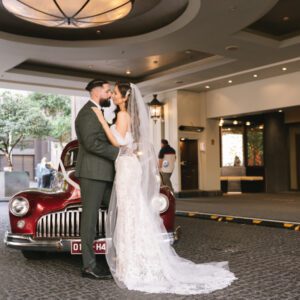
wedding photography melbourne

Timing the Perfect Sunrise Shoot

Melbourne’s sunrise times vary throughout the year, but early mornings—often just before 6 AM in summer and closer to 7:30 AM in winter—provide the best light for photography. Arrive at least 30 minutes before the sun peaks above the horizon to capture the pre-dawn glow, a period when the sky transitions from deep indigo to warm coral and pink. This time, known as the “blue hour,” offers a serene, diffused light ideal for intimate portraits and wide-angle shots of the beach.

As the sun rises, the light becomes more directional, casting long shadows and creating a golden hour effect that lasts roughly 45 minutes. Use this time to position the couple with the sun behind them for a radiant backlight or to the side for a balance of warmth and detail. Check local weather forecasts for cloud cover—a mix of clouds and clear sky can add drama to the sky’s colors, while overcast conditions create a softer, more muted palette.

Composing with the Elements of dawn

The beach at sunrise is alive with natural textures and movement, from the gentle curl of waves to the scatter of seashells along the shore. Incorporate these elements into compositions to add depth and context. For example, frame the couple between two rock formations or have them stand at the water’s edge, letting waves lap at their feet for a dynamic, lively feel. Use a wide-angle lens to capture the vastness of the ocean and sky, emphasizing the couple’s place within this grand setting.

Look for patterns in the sand, such as tidal pools or footprints leading toward the horizon, to create leading lines that draw the eye toward the couple. Include details like a bride’s flowing veil caught in the breeze or a groom’s hand holding a single bloom to add personal touches. For a dreamy effect, shoot through translucent materials like a sheer veil or a piece of tulle held between the camera and the couple, diffusing the light and softening edges.

Capturing candid moments in the soft morning light

While posed portraits are essential, candid shots often become the heart of a wedding gallery. Encourage the couple to walk hand-in-hand along the shore, pause to share a laugh, or steal a kiss as the first rays of sunlight hit their faces. These unscripted interactions feel genuine and evoke the joy of the moment. To capture them, stay mobile and anticipate movement—keep your camera settings ready with a fast shutter speed to freeze action without blur.

Use a telephoto lens to shoot from a distance, allowing the couple to relax and act naturally. For variety, switch to a close-up lens to focus on details like intertwined fingers, a strand of hair sticking to lipstick, or the way sunlight glints off a ring. Don’t be afraid to get low to the ground—shooting from a kneeling or lying position can add a unique perspective, making the couple appear larger-than-life against the vast sky.

Working with the tide and terrain

Melbourne’s beaches vary in terrain, from wide, sandy stretches to rocky coves with tidal pools. Research your chosen location beforehand to understand how the tide behaves during sunrise. Low tide reveals more of the shoreline, offering opportunities to photograph the couple standing amidst exposed rock formations or walking through shallow water. High tide, on the other hand, creates a more intimate setting, with waves crashing nearby and fewer distractions in the background.

If shooting near water, protect your gear with waterproof covers or plastic bags, and keep a towel handy to wipe away salt spray. Use a polarizing filter to reduce glare on the water’s surface and enhance the colors of the sky. For creative shots, ask the couple to stand still as a wave approaches, capturing the moment it breaks around their feet—this requires timing and patience but results in dramatic, memorable images.

Enhancing the mood with props and accessories

Props can add personality and warmth to sunrise beach photos without overwhelming the natural setting. Consider incorporating items like a woven picnic blanket for the couple to sit on, a vintage lantern for soft lighting, or a bouquet of local flowers that complement the coastal palette. A shared umbrella or a cozy throw blanket can also symbolize unity while providing practical warmth against the morning chill.

For a playful touch, include elements like a kite soaring in the breeze or a message in a bottle washed ashore. These details tell a story and make the images feel more lived-in. Keep props minimal and natural, ensuring they enhance rather than distract from the couple’s connection.

Final touches: editing for a sunrise glow

Post-processing should amplify the morning’s soft colors without making them look artificial. Adjust white balance to preserve the warmth of the golden hour while keeping skin tones natural. Boost oranges and pinks in the sky to make the sunrise pop, but avoid oversaturating—subtlety is key. Use a matte finish or slight vignette to add a romantic, timeless quality to images.

For portraits, soften skin slightly while retaining texture to keep faces looking authentic. Sharpen details like the bride’s eyelashes or the groom’s suit buttons to add clarity. Curate the gallery to tell a story—start with wide shots of the beach at dawn, transition to medium frames of the couple interacting with the environment, and finish with close-ups of details like a ring resting on a seashell or a single footprint in the sand.

By blending technical skill with a love for the ocean’s early morning beauty, you can turn Melbourne’s beaches into a stage for romance—one where love shines as brightly as the rising sun.
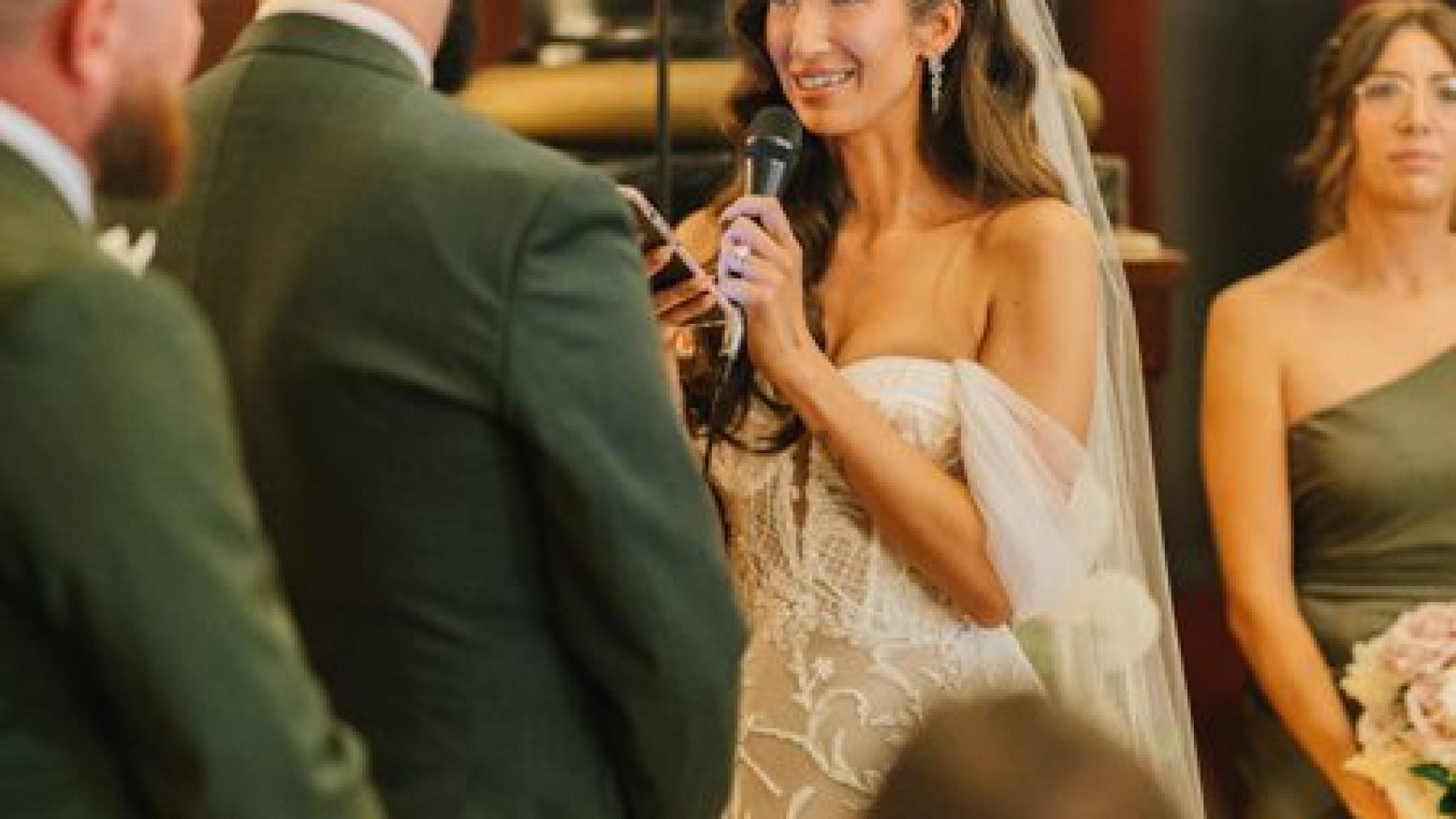

DSC02052

Winter wedding photography in Melbourne featuring warm tones

Winter Warmth in the City: Melbourne Urban Wedding Photography Guide

Melbourne’s winter cityscape offers a unique blend of cozy charm and architectural elegance, making it an ideal backdrop for wedding photography that feels both intimate and sophisticated. From misty mornings along the Yarra River to twilight scenes framed by glowing streetlights, the season’s cooler tones and softer light create opportunities to capture love stories with a warm, inviting glow. Here’s how to craft images that defy the chill and celebrate the magic of winter romance.

wedding photography melbourne

Harnessing Soft Winter Light for Gentle Portraits

Winter sunlight in Melbourne is diffused and low, casting a delicate, even illumination that minimizes harsh shadows. Midday light, though weaker than in summer, is perfect for flattering portraits near reflective surfaces like glass buildings or waterways. Position the couple near large windows or under covered walkways to use natural light as a soft, diffused source that highlights their features without overexposure.

For golden-hour warmth, shoot during the late afternoon when the sun sits lower in the sky. This time of day bathes the city in a honeyed glow, ideal for backlit shots of the couple walking hand-in-hand or sharing a quiet moment beneath a tree stripped of leaves. On overcast days, embrace the cloudy skies for moodier, more dramatic images—use a reflector to add a touch of brightness to faces while keeping the background muted and atmospheric.

Incorporating Urban Elements for Modern Romance

Melbourne’s winter cityscape is a mix of historic landmarks and contemporary design, offering endless inspiration for creative compositions. Use the geometric lines of bridges or the arches of train stations to frame the couple, adding depth and structure to shots. Incorporate seasonal details like bare branches, frosty railings, or steam rising from vents to hint at the time of year without overwhelming the scene.

For a playful twist, include elements of city life—a passing tram, a street performer’s hat, or a couple’s reflections in a puddle—to add energy and context. Position the bride and groom near cozy cafes with warm interior lighting spilling onto the sidewalk, or capture them laughing beneath a canopy of twinkling fairy lights strung across a laneway. These touches ground the images in reality while maintaining a dreamy, romantic tone.

Creating Intimacy in Public Spaces

Winter’s quieter streets and parks provide a sense of seclusion, even in bustling urban areas. Seek out lesser-known corners of the city—a hidden courtyard, a quiet alleyway, or a secluded bench by the river—to create private moments amidst the public backdrop. Encourage the couple to hold hands, share a whisper, or steal a kiss while wrapped in a shared blanket or scarf, using these props to add texture and warmth to the frame.

Use shallow depth of field to blur distractions like passing pedestrians or traffic, keeping the focus on the couple’s connection. For variety, switch to a wide-angle lens to include more of the environment, showing the scale of the city and the couple’s place within it. Don’t shy away from capturing candid interactions—a bride adjusting her veil, a groom brushing snowflakes from her hair, or both laughing at an inside joke—these unscripted moments feel authentic and heartfelt.

Embracing Winter’s Weather for Dramatic Effects

Melbourne’s winter weather can be unpredictable, but with creativity, it becomes a tool for stunning imagery. Light rain adds a reflective sheen to pavements, doubling the visual impact of city lights and creating mirror-like surfaces for portraits. Pack a clear umbrella for the couple to share or use waterproof boots to wade through shallow puddles for artistic reflections.

Foggy mornings soften the city’s edges, turning familiar landmarks into mysterious silhouettes. Use this atmosphere for ethereal shots of the couple walking through a misty park or standing beneath a bridge shrouded in vapor. If snow falls—a rare but magical occurrence—capture the joy of the moment by photographing the couple throwing snowflakes into the air or sharing a quiet embrace against a backdrop of white-dusted rooftops.

Timing Your Shoot for Twilight Magic

Winter’s early sunsets (around 5:30 PM in Melbourne) create a brief but breathtaking window for twilight photography. As the sky transitions from blue to indigo, city lights begin to twinkle, casting a warm glow on streets and buildings. Position the couple near streetlamps or neon signs to use artificial light as a natural spotlight, creating a balance of cool and warm tones in the frame.

For long-exposure shots, use a tripod to capture the blur of passing traffic or the streak of headlights on a bridge, adding movement to otherwise still scenes. Experiment with silhouettes by positioning the couple against a brightly lit window or storefront, letting their outlines stand out against the vibrant backdrop. Always carry spare batteries, as cold temperatures can drain camera gear quickly.

Final Touches: Editing for a Winter Glow

Post-processing should enhance the season’s cozy atmosphere without sacrificing natural tones. Adjust white balance to preserve the warmth of artificial lights while keeping skin tones neutral. Boost blues and cyans in the sky or water to contrast with the golden hues of streetlights or interior lighting, creating a visually appealing balance.

Use a matte finish or subtle grain to add a timeless, film-like quality to images. For portraits, soften skin slightly while retaining texture to keep faces looking natural. Curate the gallery to tell a story—start with wide shots of the city at dusk, transition to medium frames of the couple interacting in public spaces, and finish with close-ups of details like intertwined fingers, a shared latte, or the glint of a ring under a streetlamp.

By blending technical skill with a love for winter’s quiet beauty, you can turn Melbourne’s city streets into a stage for romance—one where love shines brighter than even the coldest day.

wedding photography melbourne

Melbourne Autumn Countryside Wedding Photography with Golden Scenery

Autumn’s Golden Embrace: Melbourne Countryside Wedding Photography Guide

Melbourne’s countryside transforms into a tapestry of amber and gold each autumn, offering couples a picturesque setting for wedding photography. From sprawling vineyards to ancient forests draped in fiery foliage, the season’s warm hues and soft light create a romantic atmosphere perfect for capturing timeless moments. Here’s how to make the most of autumn’s magic while crafting images that feel both authentic and enchanting.

wedding photography melbourne

Leveraging Autumn Light for Warm, Flattering Portraits

Autumn sunlight in Melbourne is softer and more golden than summer’s harsh rays, making it ideal for wedding photography. Mid-morning to early afternoon light filters through trees at a lower angle, casting a gentle glow that enhances skin tones and adds depth to images. Position the couple near open fields or vineyard rows to use the sun’s direction as a natural hair light, creating a subtle halo effect around their heads.

For backlit shots, wait until late afternoon when the sun dips lower, illuminating edges of leaves and casting long shadows. Use a reflector or fill flash to balance exposure on the couple’s faces while preserving the golden backlight. On overcast days, embrace the diffused light for even, muted tones that highlight autumn’s earthy palette without harsh contrasts.

Composing with Nature’s Autumn Palette

The countryside’s autumn landscape is a photographer’s dream, filled with textures and colors that tell a story. Incorporate fallen leaves into compositions by scattering them around the couple’s feet or tossing them into the air for a dynamic, playful effect. Frame shots through archways of branches or use vineyard trellises to create leading lines that draw the eye toward the horizon.

Look for contrasts in color and shape—pair a bride’s white gown with a backdrop of crimson maples or position the couple against a wall of golden wheat. Include natural elements like rustic fences, weathered barns, or stone bridges to add context and a sense of place. For intimate close-ups, focus on details like a groom’s boutonniere made of autumn blooms or a bride’s hands cradling a handful of leaves.

Capturing Candid Moments Amidst the Foliage

While posed portraits are essential, candid shots often become the heart of a wedding gallery. Encourage the couple to wander through orchards, share a laugh under a canopy of orange leaves, or steal a kiss beside a babbling creek. These unscripted interactions feel genuine and evoke the joy of the season. To capture them, stay mobile and anticipate movement—keep your camera settings ready with a fast shutter speed to freeze action without blur.

Use a telephoto lens to shoot from a distance, allowing the couple to relax and act naturally. For variety, switch to a wide-angle lens to include more of the environment in frames, showing the scale of the landscape and the couple’s place within it. Don’t forget to photograph the little things—a strand of hair stuck to lipstick, a leaf tucked into a veil, or the way sunlight dances on a ring—these details add depth and emotion to the story.

Embracing Autumn’s Unpredictable Weather

Autumn weather in Melbourne can shift quickly, from sunny skies to windy gusts or light rain. Instead of resisting these changes, use them to your advantage. Windy days create movement in dresses and hair, adding drama to portraits. Position the couple facing away from the wind to avoid hair covering their faces, or embrace the chaos by capturing a veil billowing behind them like a sail.

Rainy days bring a fresh, dewy quality to the countryside, making colors pop and surfaces glisten. Pack a clear umbrella for the couple to share or use waterproof boots to wade through puddles for reflective shots. If fog rolls in, take advantage of the moody atmosphere for ethereal, soft-focus images. Always carry lens cloths and microfiber towels to keep gear dry and clean.

Timing Your Shoot for Peak Foliage

Autumn’s color display varies depending on location and elevation. Research local parks, forests, or vineyards to find spots where foliage peaks in mid-to-late autumn. Arrive early in the day to avoid crowds and capture the landscape in its quietest, most serene state. Scout locations beforehand to identify the best vantage points, whether it’s a hilltop overlooking a valley of trees or a secluded grove bathed in morning light.

If shooting near sunset, use the golden hour to its fullest by positioning the couple with the sun behind them for a warm, radiant glow. As the light fades, experiment with long exposures to capture the subtle colors of twilight blending with the last hints of autumn gold.

Final Touches: Editing for an Autumnal Vibe

Post-processing should enhance the season’s warmth without overdoing it. Adjust white balance to preserve the golden tones of sunlight, and slightly boost saturation in reds, oranges, and yellows to make foliage pop. Use a matte finish or subtle vignette to add a timeless, romantic quality to images.

For action shots, sharpen details like moving leaves or strands of hair to convey energy. In portraits, soften skin tones slightly while retaining texture to keep faces looking natural. Curate the gallery to tell a story—start with wide shots of the landscape, transition to medium frames of the couple interacting, and finish with close-ups of details like rings nestled in leaves or a single maple seed floating in the air.

By blending technical skill with a love for autumn’s beauty, you can turn Melbourne’s countryside into a golden-hued paradise—one where love blooms as vibrantly as the leaves around it.