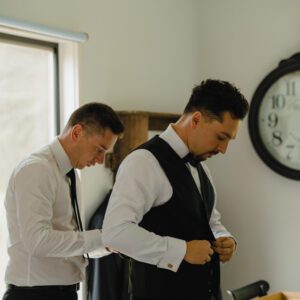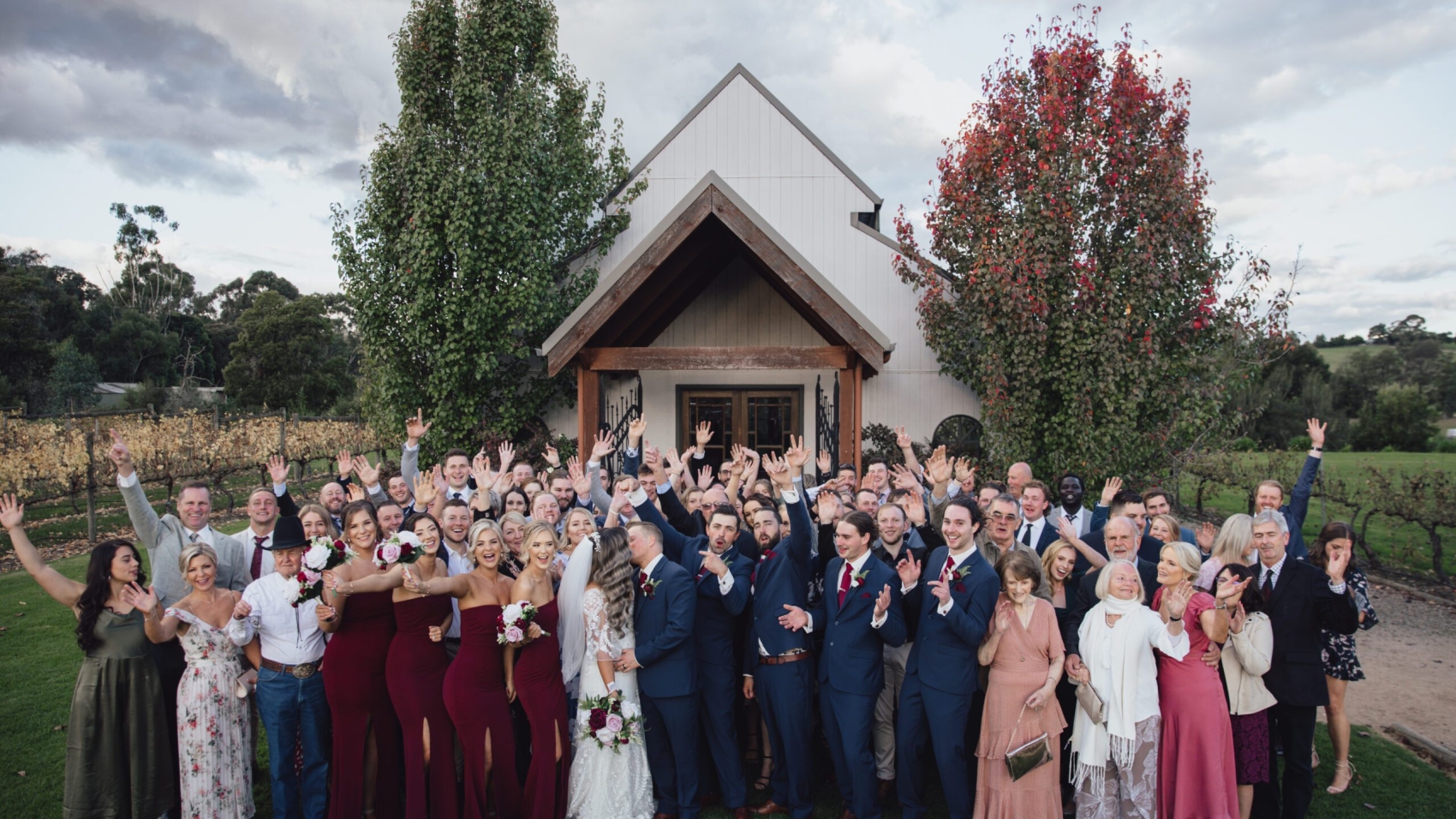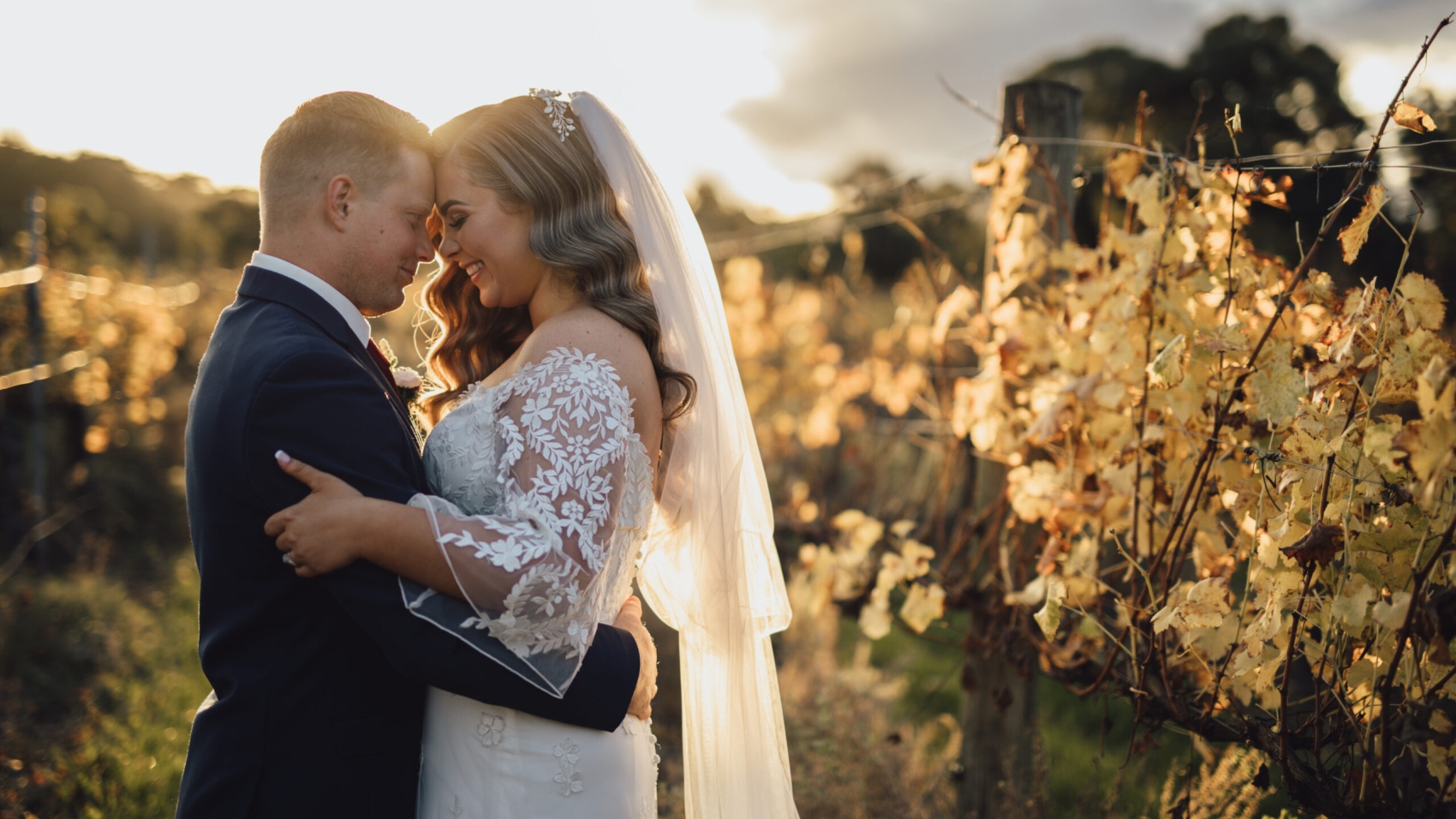
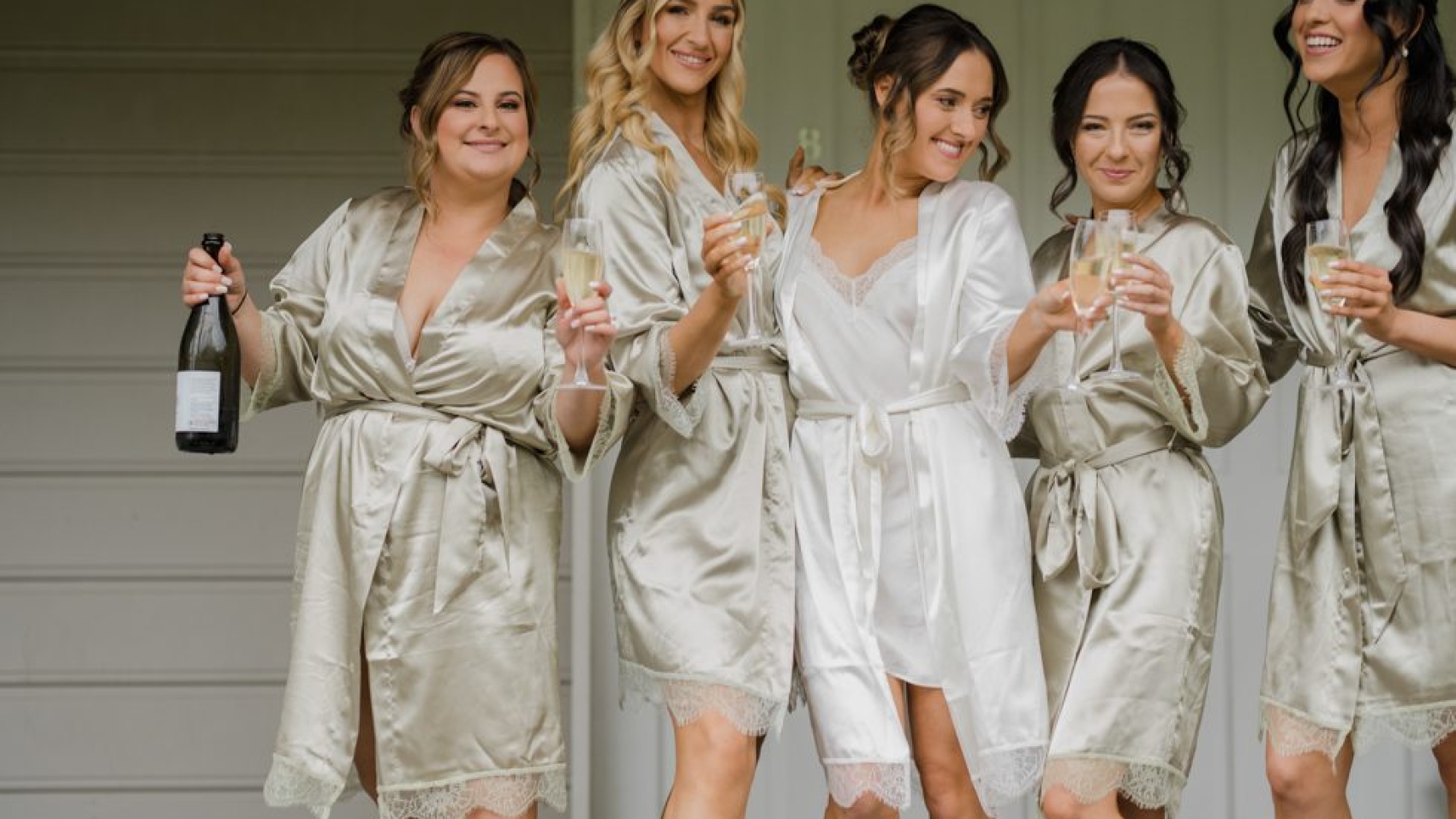
DSC03348

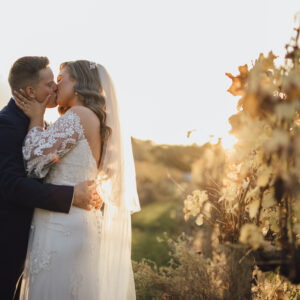
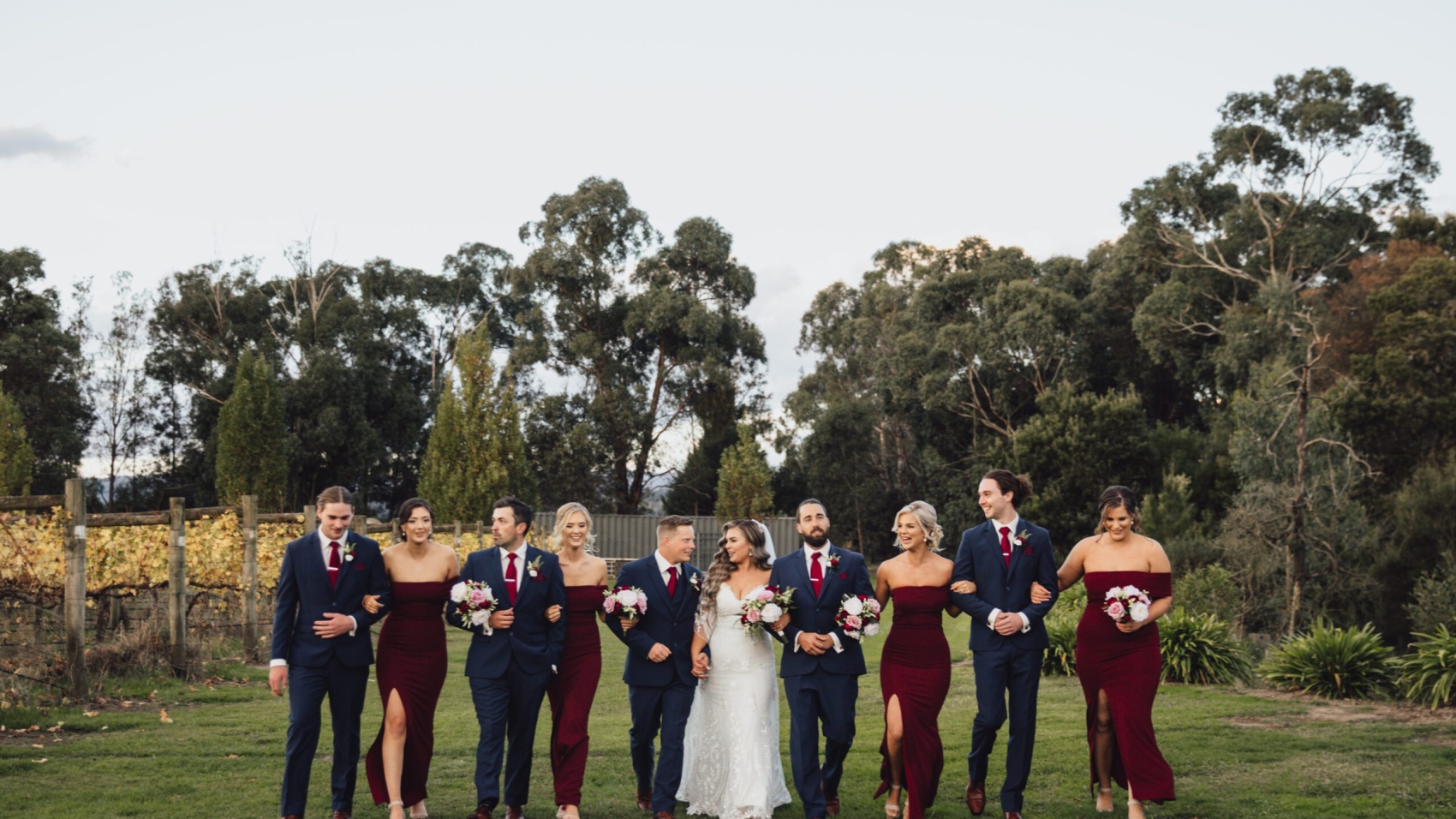
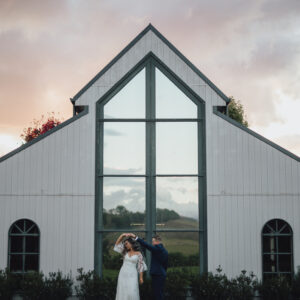
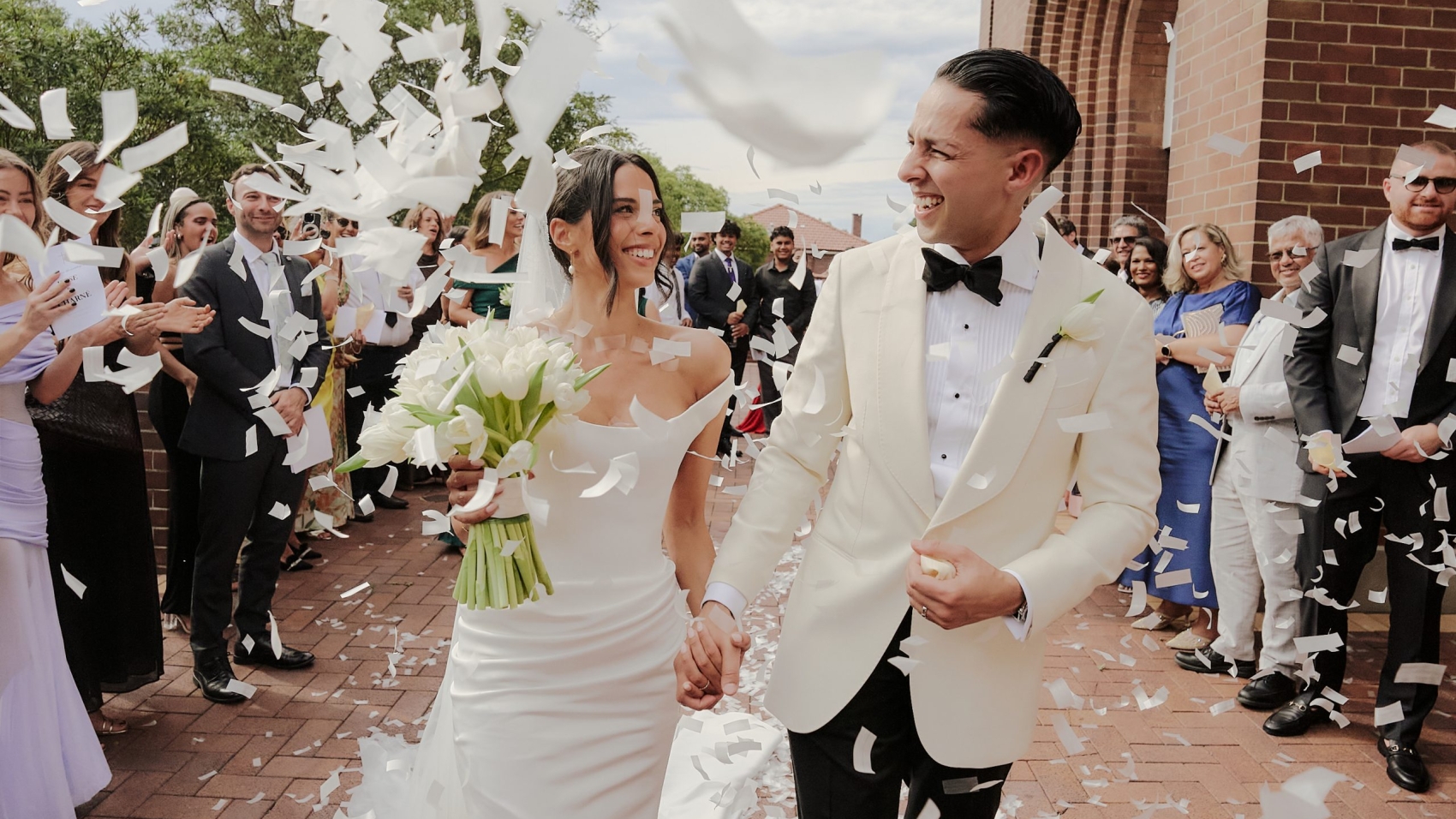
Melbourne wedding photography in a light retro film style

Timeless Elegance: Capturing Light Vintage Film-Inspired Wedding Photos in Melbourne

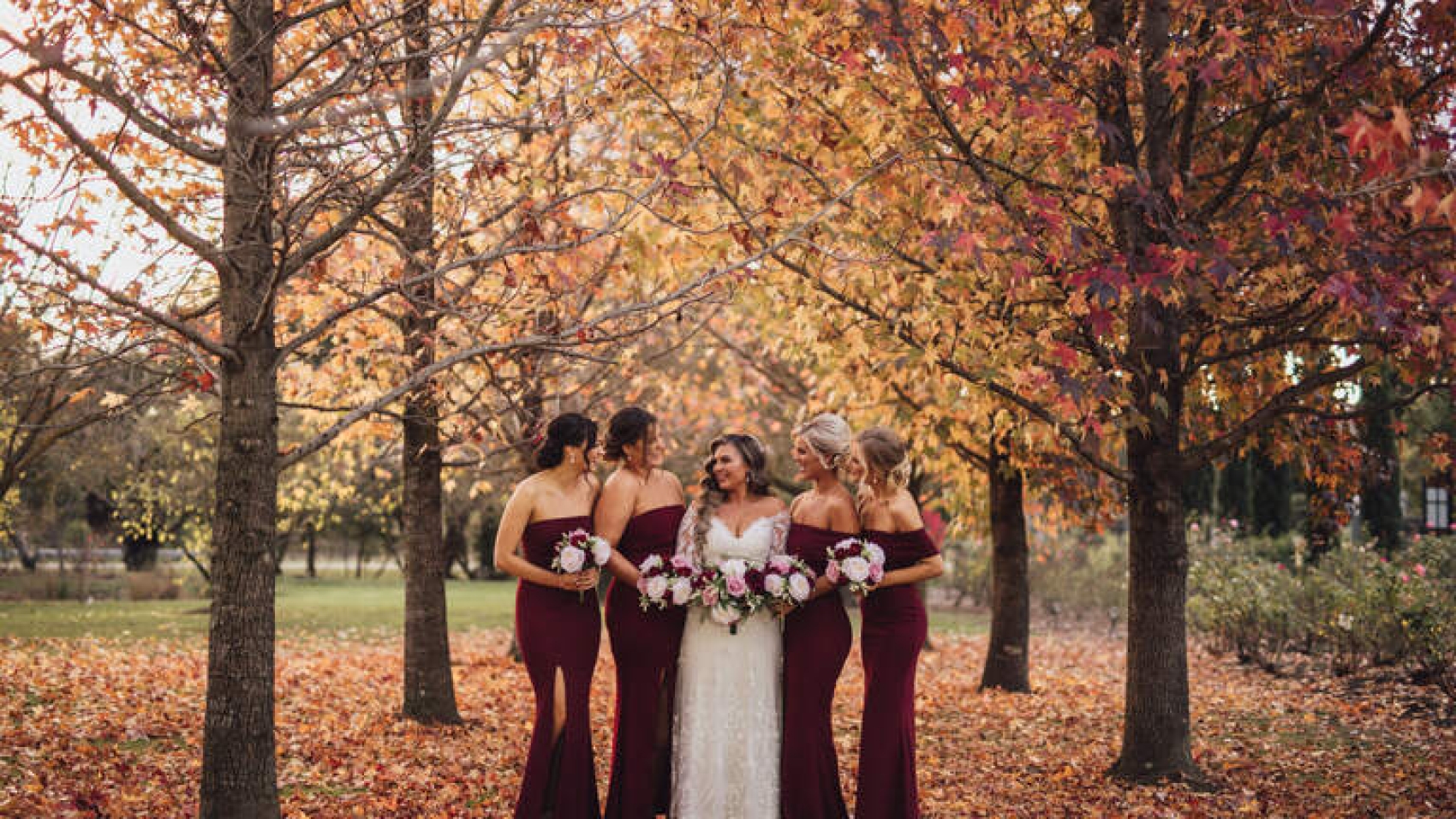
Melbourne’s blend of historic charm and modern creativity makes it an ideal backdrop for couples seeking a light vintage film aesthetic in their wedding photography. This style, characterized by soft tones, subtle grain, and a nostalgic mood, evokes the romance of bygone eras while keeping the imagery fresh and contemporary. By focusing on natural light, muted color palettes, and timeless compositions, photographers can create images that feel both classic and effortlessly chic. Here’s how to achieve this look in Melbourne’s most picturesque settings.
wedding photography melbourne

Choosing the Right Locations for a Vintage Vibe

Melbourne is home to countless spots that lend themselves beautifully to light vintage film photography. Historic neighborhoods like Fitzroy and Collingwood offer cobblestone streets, weathered brick buildings, and vintage storefronts that provide an authentic, timeless feel. The Fitzroy Gardens, with its lush greenery and ornate fountains, create a serene setting for portraits, while the grand architecture of the Royal Exhibition Building adds a touch of old-world grandeur to formal shots.

For a more industrial-chic aesthetic, head to the Docklands or the area around the Melbourne Central Station. Exposed brick, rusted metal, and large windows with diffused light create a moody, urban backdrop that pairs perfectly with a light vintage film style. Alternatively, the beachside suburbs of St Kilda or Brighton offer soft, golden light and sandy shores, ideal for capturing romantic, sun-drenched moments with a gentle, nostalgic edge.

When scouting locations, look for areas with a mix of textures and natural elements. Weathered wood, wrought iron, and aged stone all add depth and character to your images, while trees or foliage can provide soft, dappled light that enhances the vintage feel. Avoid overly modern or brightly colored settings, as these can clash with the muted, timeless aesthetic you’re aiming for.

Mastering Light and Color for a Soft, Nostalgic Look

Light vintage film photography relies heavily on natural light to create its signature softness. Golden hour, the period shortly after sunrise or before sunset, is ideal for this style, as the warm, diffused light casts a gentle glow that flatters skin tones and adds a romantic, dreamy quality to images. If shooting during midday, seek out shaded areas or use a diffuser to soften harsh sunlight and prevent harsh shadows.

Color plays a crucial role in achieving a light vintage film aesthetic. Aim for a muted, desaturated palette with subtle pastel tones, avoiding overly vibrant or saturated colors. Editing can help enhance this look by slightly reducing contrast and saturation, adding a hint of grain, and applying a warm, sepia-toned tint to certain areas of the image. Be careful not to overdo it—the goal is to create a timeless, understated feel rather than an overly stylized or artificial look.

Backlighting is another effective technique for adding depth and dimension to your images. Positioning the couple with the sun behind them can create a soft, halo-like effect that highlights their silhouettes and adds a sense of ethereal beauty. If shooting indoors, use large windows or skylights to let in natural light, and consider adding sheer curtains or blinds to diffuse the light and create a softer, more flattering glow.

Wardrobe and Styling Tips for a Vintage-Inspired Shoot

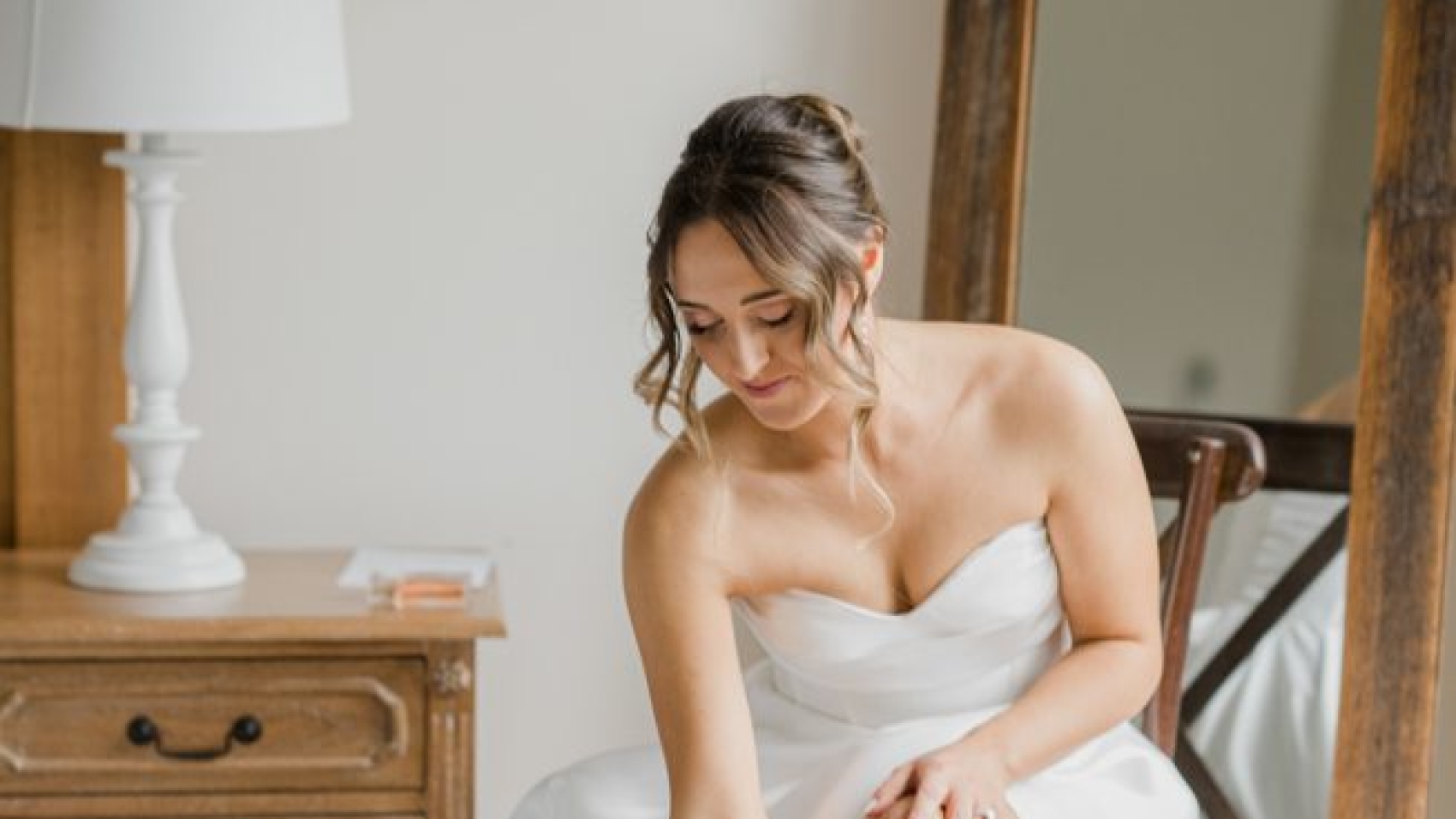
The couple’s attire and styling are key to achieving a cohesive light vintage film aesthetic. For the bride, consider a lace or silk gown with delicate details like beading or embroidery, which add a touch of old-world elegance. A simple, timeless hairstyle, such as loose waves or a low bun, complements the vintage look, while a soft, natural makeup palette enhances her features without appearing overly done.

The groom’s outfit should balance classic sophistication with a hint of modernity. A tailored suit in a neutral color like navy, gray, or beige pairs well with a crisp white shirt and a subtle patterned tie or bowtie. Accessories like a vintage pocket watch, cufflinks, or a boutonnière made of dried flowers or herbs can add a personal, nostalgic touch.

Props and accessories can also help reinforce the vintage theme. Consider incorporating antique furniture, vintage suitcases, or old books into your compositions, or have the couple hold a Polaroid camera or a handwritten love letter for a sentimental, timeless feel. Flowers play a crucial role as well—opt for arrangements with soft, muted colors like blush, ivory, or sage, and include elements like dried flowers or foliage for added texture and depth.

Composition and Posing for Timeless, Romantic Images

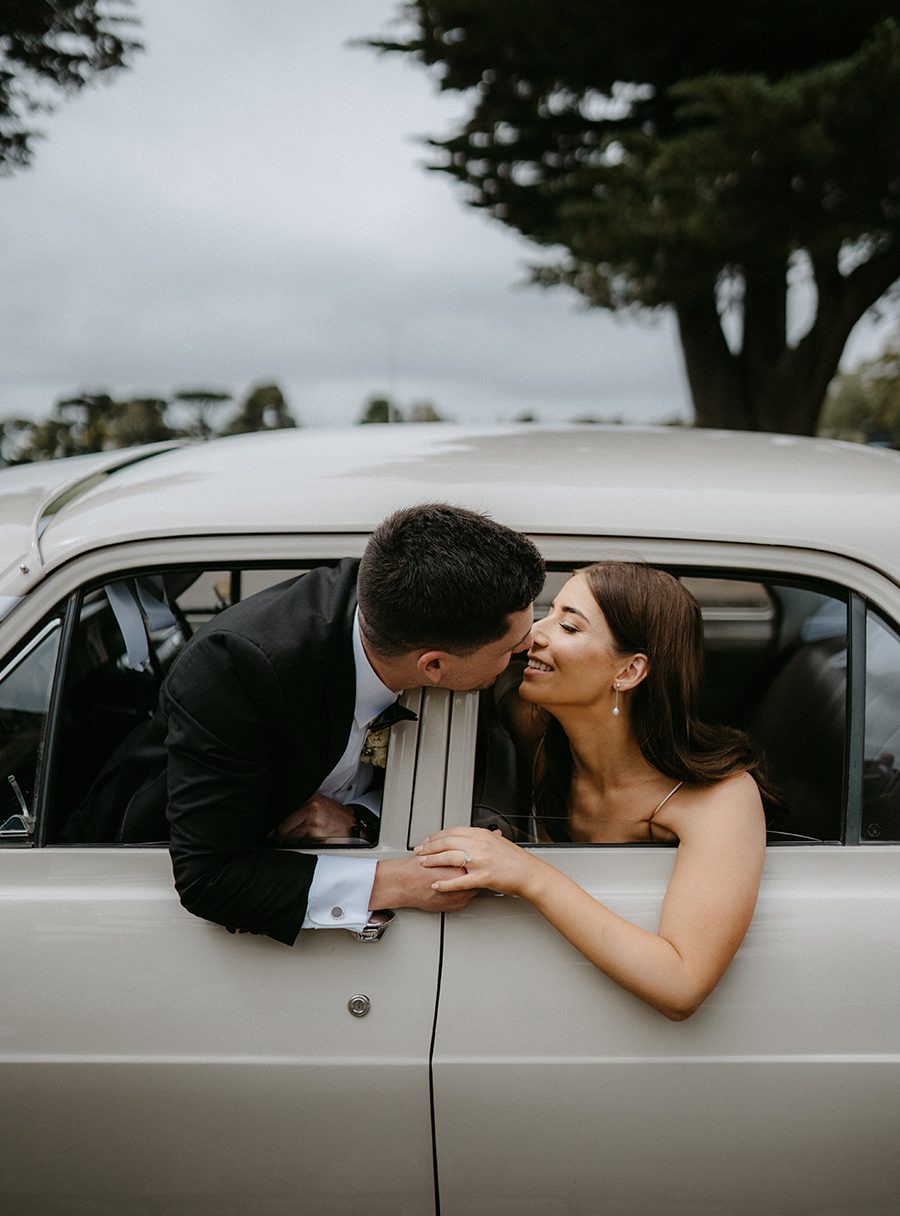
The key to capturing light vintage film-inspired wedding photos is creating compositions that feel effortless and natural. Avoid overly posed or stiff shots, and instead focus on capturing genuine moments of connection between the couple. Encourage them to interact with each other and their surroundings, whether it’s walking hand-in-hand down a cobblestone street, sharing a quiet laugh in a shaded garden, or stealing a kiss beneath a tree.

When framing your shots, look for ways to incorporate leading lines or natural frames that draw the viewer’s eye to the couple. A winding path, a row of trees, or an archway can all serve as effective compositional tools, adding depth and visual interest to your images. Experiment with different angles and perspectives as well—shooting from a low angle can make the couple appear more grand and imposing, while shooting from above can create a sense of intimacy and vulnerability.

Don’t be afraid to leave negative space in your compositions, as this can help emphasize the couple and create a more minimalist, timeless feel. A simple, uncluttered background allows the viewer to focus on the emotions and expressions in the image, rather than being distracted by busy details. Finally, be patient and observant—sometimes the most beautiful shots come from capturing a fleeting moment or a subtle gesture that tells a deeper story about the couple’s love.

Editing Techniques to Enhance the Vintage Film Aesthetic

Post-processing is where you can truly bring your light vintage film-inspired images to life. Start by adjusting the white balance to create a warm, slightly yellowed tone that mimics the look of old film. Reducing contrast and saturation can help achieve a softer, more muted palette, while adding a subtle grain effect can give the images a tactile, analog quality.

Split-toning is another useful tool for enhancing the vintage feel. Applying a warm tone to the highlights and a cool tone to the shadows can create a balanced, harmonious look that feels both timeless and modern. Be careful not to overdo it—a light touch is all that’s needed to achieve the desired effect.

Finally, consider adding a vignette or darkening the edges of the image slightly to draw the viewer’s eye to the center and create a more intimate, focused feel. This technique works especially well for portraits or close-up shots, where you want to emphasize the couple’s expressions and emotions. Remember, the goal of editing is to enhance the natural beauty of the scene and the couple’s connection, not to overwhelm the image with artificial effects.

Melbourne’s unique blend of history, culture, and natural beauty makes it the perfect canvas for light vintage film-inspired wedding photography. By choosing the right locations, mastering light and color, focusing on timeless styling and composition, and applying subtle editing techniques, you can create images that feel both classic and contemporary, capturing the essence of the couple’s love in a way that will be cherished for generations to come.
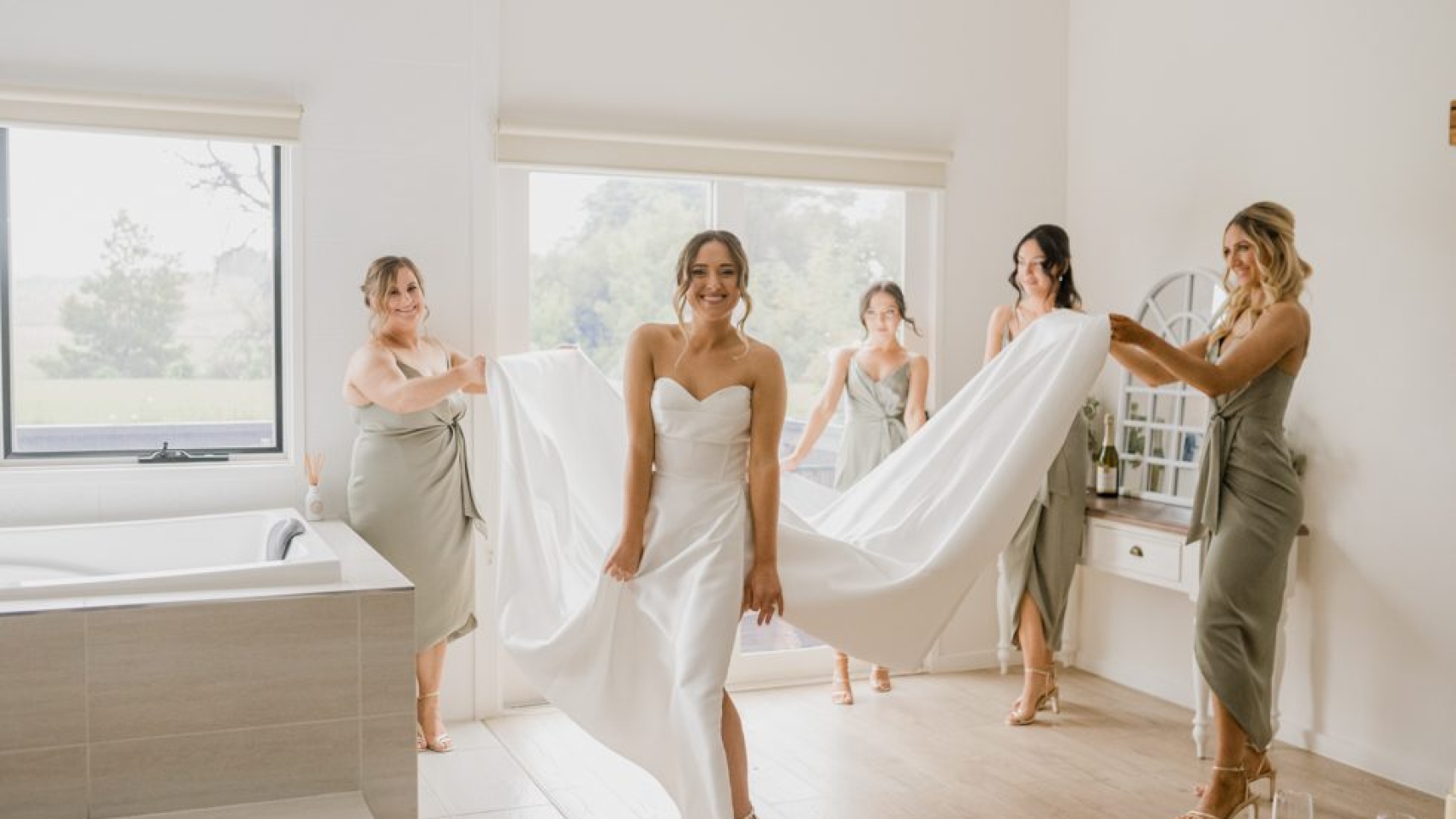
WUU00143

Melbourne Net’s “Red Staircase” Wedding Photography Creative Photo Booth

Instagram-Worthy Staircases: Creative Wedding Photography Spots in Melbourne

Melbourne’s urban landscape is dotted with staircases that double as stunning backdrops for wedding photos. From bold geometric designs to colorful mosaics, these spots offer a mix of modern flair and artistic charm, perfect for couples looking to add a creative edge to their album. By leveraging unique angles, dynamic poses, and the interplay of light and shadow, photographers can turn ordinary staircases into extraordinary frames for romantic moments. Here’s how to capture unforgettable shots at Melbourne’s most photogenic staircases.

wedding photography melbourne

Discovering Melbourne’s Most Iconic Staircases

Not all staircases are created equal when it comes to wedding photography. Look for locations with distinct architectural features, such as floating steps, curved lines, or vibrant tile work. The Hosier Lane staircase, known for its ever-changing street art, provides a dynamic canvas that shifts with the seasons, ensuring no two shoots are alike. Nearby, the AC/DC Lane staircase combines industrial textures with graffiti, offering a gritty yet romantic vibe for edgy couples.

For a touch of elegance, head to the State Library of Victoria, where the grand marble staircase exudes timeless sophistication. The natural light filtering through the domed ceiling creates a soft, ethereal glow, ideal for classic portraits. Alternatively, the Federation Square staircase, with its angular design and reflective surfaces, adds a contemporary twist to outdoor shots, especially when framed against Melbourne’s skyline.

Consider accessibility and crowd levels when planning your shoot. Popular spots like Hosier Lane can get busy, so arrive early to secure the best angles and avoid interruptions. If possible, scout the location beforehand to identify quieter corners or times of day when the staircase is less crowded, ensuring a more relaxed and intimate session.

Leveraging Light and Shadow for Dramatic Effects

Staircases are inherently geometric, and light can transform their lines into striking visual elements. Early morning or late afternoon sunlight casts long shadows that accentuate the staircase’s structure, creating depth and contrast in your images. Position the couple near the edge of the steps to capture their silhouettes against a bright sky, or have them stand in a shaft of light for a dramatic, high-contrast portrait.

Backlighting is another powerful tool. Shooting from a low angle with the sun behind the couple can create a halo effect, highlighting their outlines while keeping their faces softly illuminated. If the staircase has open railings or glass panels, use them to filter light, creating dappled patterns on the walls or floor that add texture and interest.

Don’t overlook artificial lighting, especially for evening shoots. String lights, lanterns, or even the staircase’s built-in fixtures can create a warm, inviting ambiance. Experiment with long exposures to capture light trails as the couple moves up or down the steps, adding a sense of motion and energy to the scene.

Posing and Composition Ideas for Standout Shots

The key to memorable staircase photos is using the structure to frame the couple and guide the viewer’s eye. Have the bride and groom stand on different steps to create a sense of depth, or position them at the center of a spiral staircase for a symmetrical, eye-catching composition. For a playful twist, capture them from above as they walk hand-in-hand down the steps, or from below as they lean over the railing for a candid, intimate moment.

Incorporate the staircase’s details into your shots. A close-up of the couple’s hands resting on a mosaic tile or their feet stepping on a colorful pattern can add a personal, artistic touch. Use the railing to create leading lines that draw attention to the couple, or frame them within an archway or window for added context.

Encourage the couple to interact naturally with the space. Have the bride sit on a step while the groom kneels beside her, or capture them laughing as they navigate a narrow flight of stairs. These unposed moments feel authentic and help the couple relax, resulting in more genuine expressions and gestures.

Navigating Practical Challenges for a Smooth Shoot

While staircases offer stunning visuals, they also come with logistical hurdles. Many urban staircases are narrow or steep, making it difficult to set up equipment or move around freely. Bring a lightweight tripod and a versatile lens, like a 35mm or 50mm prime, to navigate tight spaces without sacrificing image quality. If shooting with a second photographer, coordinate angles in advance to avoid getting in each other’s shots.

Safety is another priority. Ensure the staircase is stable and free of debris before having the couple pose on it. If the steps are slippery or uneven, advise the bride to wear practical shoes or bring a change of footwear for walking between shots. Be mindful of other pedestrians, especially in busy areas like Hosier Lane, and keep the session moving to minimize disruptions.

Weather can also impact your shoot. Rain or strong winds may force you to reschedule or find covered staircases, such as those in shopping centers or public buildings. If shooting in cold weather, have the couple bring layers or blankets to stay warm between takes, ensuring they remain comfortable and relaxed throughout the session.

Final Touches: Editing for a Cohesive, Artistic Look

Post-processing should enhance the staircase’s unique features without overpowering the natural beauty of the scene. Adjust contrast to deepen shadows and highlight textures, but avoid over-saturating colors, which can make the image look artificial. A slight vignette can draw attention to the center of the frame, while subtle desaturation of background elements can make the couple stand out.

Experiment with creative effects to match the staircase’s vibe. For street art-covered stairs, a grainy filter or split-toning can add a vintage, urban feel. For marble or industrial staircases, a matte finish or cool color palette can emphasize their sleek, modern aesthetic. Finally, ensure consistency across the album by applying similar edits to all images, creating a cohesive visual narrative that feels intentional and polished.

Melbourne’s staircases offer endless opportunities for creative wedding photography, blending urban energy with timeless romance. By choosing the right location, mastering light and composition, and focusing on genuine interactions, you’ll create images that are as unique and memorable as the couples themselves.

wedding photography melbourne

Countryside Farm Wedding Photography in Melbourne with a Rural Style Shot

Rustic Romance: Pastoral Wedding Photography on Melbourne’s Countryside Farms

Melbourne’s outskirts are dotted with charming farms that offer a peaceful escape from city life, making them perfect for couples seeking a laid-back, nature-inspired wedding photo session. With rolling fields, rustic barns, and blooming wildflowers, these settings evoke a sense of timeless simplicity and warmth. By focusing on natural textures, soft lighting, and genuine interactions, photographers can capture images that feel both intimate and effortlessly elegant. Here’s how to create a pastoral wedding album that celebrates the beauty of the countryside and the couple’s connection.

wedding photography melbourne

Choosing Farms with Timeless Rural Charm

Not all farms are equally suited to pastoral photography. Look for venues with a mix of open fields, weathered wooden structures, and seasonal elements like sunflower patches or lavender rows. The Yarra Valley region, just outside Melbourne, is home to many working farms with picturesque landscapes, while the Mornington Peninsula offers coastal farms with ocean views in the distance.

Consider the farm’s layout and accessibility when planning your shoot. A property with a mix of flat fields and gently sloping hills provides variety in compositions, while a historic barn or stone cottage adds character to background shots. If possible, visit the farm beforehand to identify the best spots for portraits, such as a shaded oak tree, a rustic fence line, or a blooming garden. Check for any restrictions, like private areas or livestock schedules, to avoid disruptions during the session.

Seasonal timing is key. Spring brings vibrant greenery and wildflowers, while autumn offers warm tones and golden light. Summer’s long days provide flexibility, but be mindful of heat and harsh midday sun. Early mornings or late afternoons are ideal for soft, flattering lighting that enhances the farm’s textures without creating harsh shadows.

Wardrobe Selection for a Natural, Relaxed Vibe

Pastoral photography thrives on authenticity, and the couple’s attire should feel comfortable and in harmony with the rural setting. For the bride, a flowing, lightweight gown in a soft fabric like cotton or linen moves beautifully in the breeze and adds a touch of whimsy. Avoid stiff, formal dresses that look out of place in a field; instead, opt for a style with a simple silhouette and minimal embellishments.

The groom can pair tailored chinos or well-fitted jeans with a crisp, unbuttoned shirt or a lightweight sweater. A vest or a casual blazer adds polish without feeling overly formal. Accessories should be understated—think a woven belt, a leather watch, or a felt hat for the groom, and delicate jewelry or a floral crown for the bride. Even small details, like the bride’s bare feet or the groom’s rolled-up sleeves, contribute to the relaxed, earthy aesthetic.

Encourage the couple to wear something they’d choose for a day spent outdoors together. Avoid bright, neon colors that might clash with the natural palette of greens, browns, and golds. Instead, stick to muted tones like ivory, beige, or soft pastels, which blend seamlessly into the countryside and keep the focus on their expressions and interactions.

Capturing Candid Moments Amid the Farm’s Scenery

The best pastoral photos often come from spontaneous, unposed moments. Start by having the couple engage in activities they enjoy, like walking hand-in-hand through a field, sharing a picnic under a tree, or feeding chickens if the farm allows it. These interactions feel genuine and help the couple relax in front of the camera, resulting in more natural smiles and gestures.

Use the farm’s elements to add visual interest to your shots. Frame the couple against a backdrop of swaying wheat or position them near a rustic wooden gate for depth. Incorporate props like a vintage suitcase, a wicker basket, or a bouquet of freshly picked flowers to create relatable, lived-in scenes. For a playful twist, capture the bride tossing her bouquet into the air or the groom spinning her around—actions that feel fun and authentic.

Don’t overlook the power of close-ups. A shot of the couple’s intertwined fingers, the bride’s laughter as she feels grass between her toes, or the groom’s smile as he watches her can convey emotion more powerfully than a full-body portrait. Mix wide shots of the landscape with tight frames of these details to create a balanced, dynamic album that tells a story.

Navigating Practicalities for a Stress-Free Shoot

While farms offer stunning visuals, they also come with logistical challenges. Many rural properties have uneven terrain, so wear comfortable shoes and bring a small first-aid kit for minor scrapes or insect bites. Check the weather forecast in advance and dress accordingly—a light jacket or shawl can keep the couple warm during chilly mornings or evenings.

If the farm has livestock, be respectful of their space and schedules. Avoid disturbing animals during feeding times or breeding seasons, and keep a safe distance to prevent stress or aggression. Some farms may require permission to access certain areas, so confirm details with the owners beforehand to avoid surprises on the day of the shoot.

Transportation is another consideration. Many farms are located down dirt roads or gravel paths, so a vehicle with good clearance is advisable. Bring practical essentials like water, snacks, and sunscreen, especially if shooting during warmer months. Allow extra time for travel and setup to ensure the session runs smoothly without feeling rushed.

Final Touches: Enhancing the Pastoral Aesthetic in Editing

Post-processing should complement the farm’s natural beauty without altering its authenticity. Adjust brightness and contrast to highlight the vibrant greens of the fields and the warm tones of wooden structures, but avoid over-saturating colors, which can make images look artificial. A slight matte finish can reduce glare and create a timeless, romantic mood, while subtle desaturation of background elements can draw attention to the couple.

Experiment with gentle vignettes or soft focus effects to frame the couple within the broader scene, adding depth without distracting from the main subject. If shooting in bright conditions, a slight reduction in highlights can prevent overexposure and preserve detail in the sky or foliage. Finally, ensure consistency across the album by applying similar edits to all images, creating a cohesive visual narrative that transports viewers to the countryside.

A pastoral wedding photo session on Melbourne’s farms is a celebration of love, simplicity, and the beauty of nature. By choosing the right location, focusing on natural wardrobe choices, and capturing genuine moments, you’ll create images that feel as warm and timeless as the rural landscapes themselves.

DSC03360

Melbourne glass building wedding photography with simple and elegant settings

Timeless Elegance: Minimalist Wedding Photography in Melbourne’s Glass Architecture

Melbourne’s modern glass buildings offer a striking contrast to traditional wedding backdrops, blending sleek lines, reflective surfaces, and abundant natural light. For couples seeking a sophisticated, understated aesthetic, these structures provide a canvas of clean geometry and contemporary charm. By focusing on simplicity, symmetry, and the interplay of light and shadow, photographers can create images that feel both modern and timeless. Here’s how to craft a minimalist wedding photo session that highlights the beauty of glass architecture while keeping the focus on the couple’s connection.

wedding photography melbourne

Selecting Glass Structures That Embody Minimalist Design

Not all glass buildings are equally suited to minimalist photography. Look for venues with uncluttered facades, expansive windows, and open interiors that allow light to flood the space. The Melbourne Skydeck, with its floor-to-ceiling windows and panoramic city views, offers a dramatic setting for high-contrast portraits. Alternatively, the Melbourne Museum’s glass atrium, with its clean lines and neutral tones, provides a quieter, more intimate environment.

Consider the time of day when planning your shoot. Early morning or late afternoon light casts soft shadows and warm tones, enhancing the building’s textures without overwhelming the scene. Midday sunlight, while harsher, can create striking reflections and high-key images if used thoughtfully. If possible, visit the location beforehand to identify areas with the best light and minimal distractions, such as busy walkways or cluttered decor.

Wardrobe Choices for a Cohesive, Understated Look

Minimalist photography thrives on simplicity, and the couple’s attire should reflect this principle. Opt for clean, monochromatic outfits in neutral tones like white, cream, or soft gray, which complement the glass backdrop without competing for attention. A bride in a sleek, column-style gown or a jumpsuit with minimal embellishment will blend seamlessly into the architectural setting, while a groom in a tailored suit with a subtle pattern or solid color maintains a refined, modern edge.

Accessories should be kept to a minimum. Choose delicate jewelry, such as a simple pendant or thin cuff bracelet, and avoid bold statement pieces. For the bride, a classic updo or loose waves add elegance without fuss, while the groom’s grooming—a clean shave or neatly trimmed beard—keeps the focus on his facial expressions. Even small details, like the bride’s bare nails or the groom’s understated watch, contribute to the overall sense of refinement.

Encourage the couple to wear something they feel comfortable and confident in, as this authenticity will shine through in the photos. Avoid overly trendy or busy patterns that might clash with the building’s clean lines, and prioritize fabrics that drape smoothly and photograph well, such as silk, satin, or lightweight wool.

Capturing the Interplay of Light, Shadow, and Reflection

Glass buildings are dynamic environments, with light constantly shifting throughout the day. Use this to your advantage by experimenting with angles and compositions that highlight reflections, transparency, and geometric patterns. Position the couple near large windows to capture their silhouettes against the skyline, or frame them within the building’s grid-like structure for a sense of scale and depth.

Look for opportunities to incorporate reflections into your shots. A mirror-like glass surface can double the visual impact of a pose, creating a symmetrical, almost abstract image. Similarly, shooting through glass panels or doors can add layers of texture and intrigue, blurring the line between the subject and the background.

Don’t overlook the power of negative space. Leave ample room around the couple in your frames to emphasize the building’s architecture and create a sense of calm. A shot of the bride standing alone in a vast, sunlit atrium, for example, conveys both solitude and strength, while a close-up of the couple’s hands intertwined against a glass wall focuses on intimacy without distraction.

Navigating Practical Considerations for a Seamless Shoot

While glass buildings offer stunning visuals, they also present logistical challenges. Many venues have strict rules about photography permits, especially in public or commercial spaces. Contact the building’s management in advance to confirm permissions, shooting hours, and any restricted areas. Some locations may require liability insurance or a fee, so factor this into your planning.

Lighting can be tricky in glass environments, particularly if the space is dimly lit or backlit. Bring portable reflectors or diffusers to soften harsh shadows, and consider using a tripod for stability in low-light conditions. If shooting during peak hours, be mindful of other visitors or employees and prioritize quick, unobtrusive setups to minimize disruptions.

Weather is another factor to consider. Rain or fog can create a moody, atmospheric backdrop, but they may also limit your ability to shoot outdoors or near open windows. Have a backup plan in place, such as focusing on interior shots or rescheduling if necessary, to ensure the session runs smoothly.

Final Touches: Editing for a Polished, Minimalist Aesthetic

Post-processing should enhance the minimalist feel of your images without altering their natural beauty. Adjust contrast to deepen shadows and highlight the building’s textures, but avoid over-saturating colors, which can detract from the clean, modern vibe. A slight matte finish can reduce glare and create a timeless, romantic mood, while subtle desaturation of background elements can draw attention to the couple.

Experiment with cropping to emphasize symmetry and balance. A square or vertical crop can highlight the building’s vertical lines, while a panoramic shot showcases its scale. If shooting reflections, consider flipping or rotating the image for a more abstract, artistic effect. Finally, ensure consistency across the album by applying similar edits to all images, creating a cohesive visual narrative that feels both intentional and effortless.

A minimalist wedding photo session in Melbourne’s glass architecture is a celebration of simplicity, light, and modern design. By choosing the right location, focusing on clean wardrobe choices, and embracing the dynamic interplay of light and reflection, you’ll create images that are as elegant and enduring as the buildings themselves.

DSC03365

Melbourne Coastal Walk Wedding Photography in a Casual Style

Embracing Laid-Back Elegance: Casual Wedding Photography on Melbourne’s Coastal Walks

Melbourne’s coastal walkways offer a serene blend of ocean views, sandy shores, and urban charm, making them an ideal setting for couples seeking a relaxed, natural vibe in their wedding photos. With endless stretches of beach, rocky cliffs, and vibrant sunsets, these locations provide a versatile canvas to capture candid moments and genuine connections. Here’s how to craft a photo session that feels effortless yet unforgettable, blending the beauty of the coastline with the couple’s authentic personalities.

wedding photography melbourne

Choosing the Right Coastal Spot for a Relaxed Atmosphere

Not all coastal walks are created equal, and selecting a location that aligns with your vision of “casual” is essential. St Kilda Beach, with its lively pier and bustling promenade, suits couples who want a mix of urban energy and ocean tranquility. For a quieter, more secluded feel, Brighton Beach’s colorful bathing boxes or the rugged cliffs of Point Nepean offer privacy and picturesque scenery.

Consider the time of day to avoid crowds and harsh lighting. Early mornings provide soft, golden light and empty shores, perfect for intimate portraits. Sunset hours, while busier, cast a warm, romantic glow that enhances the coastline’s natural beauty. If possible, visit potential spots beforehand to gauge foot traffic and identify hidden gems, like a quiet cove or a driftwood-strewn stretch of sand.

Dressing Down for Authenticity: Wardrobe Tips for Casual Chic

The key to achieving a laid-back look is choosing attire that feels comfortable yet stylish. For the bride, a flowy, bohemian-style dress in lightweight fabric like linen or chiffon moves beautifully in the breeze and adds a touch of whimsy. Opt for bare feet or simple sandals to embrace the beachy vibe. The groom can pair tailored chinos or linen trousers with a crisp, unbuttoned shirt or a lightweight sweater, avoiding stiff suits that feel out of place in this setting.

Accessories should enhance the casual theme without overwhelming it. Think straw hats, sunglasses, or a woven tote bag for the bride, and a leather watch or a casual tie for the groom. Even small details, like the bride’s loose waves or the groom’s rolled-up sleeves, contribute to the effortless aesthetic. Encourage the couple to wear something they’d choose for a day out together, ensuring they feel at ease and true to themselves.

Capturing Candid Moments Amid the Coastal Scenery

Casual wedding photography thrives on spontaneity, so focus on documenting the couple’s natural interactions rather than posed shots. Start with activities they enjoy, like walking hand-in-hand along the shore, sharing a picnic on a blanket, or dipping their toes in the water. These moments often yield the most heartfelt images, reflecting their joy and connection.

Use the environment to add visual interest. Frame the couple against the vast ocean or position them near tidal pools reflecting the sky. Incorporate props like a vintage camera, a book, or a bottle of sparkling water to create relatable, lived-in scenes. For a playful twist, capture the bride tossing her veil in the wind or the groom spinning her around—actions that feel genuine and fun.

Don’t overlook the power of close-ups. A shot of the couple’s intertwined fingers, the bride’s laughter as she feels sand between her toes, or the groom’s smile as he watches her can convey emotion more powerfully than a full-body portrait. Mix wide shots of the landscape with tight frames of these details to create a balanced, dynamic album.

Navigating Practicalities for a Stress-Free Shoot

While coastal walks are inherently relaxed, they come with logistical challenges. Check the weather forecast and tide times in advance to avoid unexpected rain or being cut off by rising water. Bring practical essentials like sunscreen, insect repellent, and a first-aid kit for minor scrapes. If shooting during warmer months, schedule breaks in the shade to keep the couple comfortable.

Transportation is another consideration. Some coastal areas, like the Bayside Trail, are easily accessible by bike or on foot, while others may require a short drive. Plan your route to minimize walking with heavy equipment and ensure you have permission to shoot in certain areas, especially near private properties or protected landmarks.

Timing is crucial. Allow extra time for unexpected delays, like a detour or a spontaneous stop to watch the waves. If working with a tight schedule, prioritize the “must-have” shots early in the session, leaving room for creativity as the light changes.

Final Touches: Enhancing the Coastal Vibe in Editing

Post-processing should complement the casual, natural feel of your images without altering their authenticity. Adjust brightness and contrast to highlight the vibrant blues of the ocean and the soft tones of the sand. A slight matte finish can reduce glare and create a timeless, romantic mood, while subtle desaturation of greens or yellows can unify the color palette.

Experiment with gentle vignettes or soft focus effects to draw attention to the couple while framing them within the broader scene. If shooting in bright conditions, a slight reduction in highlights can prevent overexposure and preserve detail in the sky or water. Finally, ensure consistency across the album by applying similar edits to all images, creating a cohesive visual narrative that transports viewers to the coast.

A coastal walk wedding photo session in Melbourne is a celebration of love, freedom, and the beauty of simplicity. By embracing the location’s natural charm, focusing on genuine moments, and keeping practicalities in mind, you’ll create images that feel as relaxed and joyful as the day itself.

81688-Sample-110

Melbourne steam train wedding photography with a retro theme setting

Crafting Timeless Romance: Vintage-Themed Wedding Photography on Melbourne’s Steam Trains

Melbourne’s historic steam trains offer a nostalgic escape into the past, making them an enchanting backdrop for couples seeking a vintage-inspired wedding photo session. With their rustic charm, billowing steam, and period-specific details, these locomotives evoke a sense of old-world romance that pairs beautifully with classic wedding attire. From the rhythmic chug of the engine to the scenic routes through lush landscapes, here’s how to capture the magic of a bygone era while creating unforgettable images.

wedding photography melbourne

Selecting the Right Steam Train Route for Authenticity

Not all steam train journeys are created equal, and choosing a route that complements your vintage theme is key. Look for lines that traverse picturesque settings, such as dense forests, rolling hills, or quaint countryside stations. The Puffing Billy Railway, for example, winds through the Dandenong Ranges, offering lush greenery and charming tunnels that feel straight out of a storybook. Alternatively, routes passing through heritage towns or historic bridges can add layers of visual interest and context to your photos.

Consider the time of year and weather when planning your shoot. Autumn foliage or spring blossoms can enhance the vintage aesthetic, while soft, diffused light on overcast days reduces harsh shadows and creates a dreamy atmosphere. If possible, schedule your session during weekdays or off-peak hours to avoid crowds, ensuring the couple has ample space to pose and interact naturally.

Styling the Couple to Match the Vintage Vibe

The success of a steam train wedding photo session hinges on aligning the couple’s attire with the era you’re evoking. For a classic 1920s look, think flapper-style dresses, beaded headbands, and tailored suits with pocket watches. The 1950s offer inspiration with full-skirted gowns, cat-eye sunglasses, and sharp tuxedos, while the 1970s lend themselves to bohemian lace, floral prints, and wide-brimmed hats.

Accessories play a crucial role in solidifying the theme. Vintage luggage, parasols, or a picnic basket filled with period-appropriate treats (like sandwiches wrapped in twine or a thermos of tea) add authenticity. Even small details, such as the bride’s hairstyle—finger waves, victory rolls, or loose curls—or the groom’s boutonniere featuring dried flowers, can tie the entire look together.

Encourage the couple to bring personal items that reflect their story, such as a love letter, a family heirloom, or a shared hobby. These props not only add depth to the photos but also create emotional connections that resonate in the final images.

Capturing Motion and Emotion Amid the Steam and Scenery

Steam trains are inherently dynamic, with movement, sound, and changing light creating a living, breathing backdrop. Use this to your advantage by capturing candid moments as the couple interacts with their surroundings. A shot of the bride laughing as steam billows around her, or the groom helping her step onto the train, adds spontaneity and energy to the album.

For more posed images, leverage the train’s features. Frame the couple through a window, with steam or scenery blurred in the background, to create depth. Use the train’s benches or compartments for intimate portraits, focusing on details like intertwined hands or a shared glance. If the train stops at a station, incorporate architectural elements like old signage, ticket booths, or cobblestone paths to enhance the vintage narrative.

Don’t forget to photograph the train itself—its weathered paint, brass fixtures, and glowing lanterns are rich with character. Close-ups of these details, juxtaposed with the couple’s modern love story, create a compelling contrast that highlights the timelessness of their bond.

Navigating Practical Considerations for a Smooth Shoot

While steam trains provide a unique setting, they also come with logistical challenges. Coordinate with the railway operator in advance to confirm schedules, permitted photography areas, and any restrictions. Some trains may have specific rules about movement during the journey or access to certain carriages, so clarity upfront prevents surprises on the day.

Dress for comfort and safety. The couple should wear practical shoes for walking on uneven surfaces or climbing steps, and bring layers to stay warm if the journey includes open-air sections. As the photographer, protect your equipment from steam, dust, and vibrations by using lens hoods, camera bags, and stabilizing straps.

Timing is critical. Steam trains often run on fixed schedules, so arrive early to scout locations and test lighting. If shooting during peak hours, be mindful of other passengers and prioritize quick, unobtrusive setups to minimize disruptions.

Final Touches: Enhancing the Vintage Aesthetic in Post-Production

Post-processing should amplify the nostalgic feel of your images without overpowering their natural beauty. Adjust contrast to deepen shadows and highlight textures, such as the grain of wooden benches or the patina of metal fixtures. Subtle desaturation or a sepia tone can evoke a vintage film look, while maintaining skin tones that appear natural and flattering.

Experiment with vignettes or soft focus effects to draw attention to the couple while framing them within the broader scene. If shooting in bright conditions, a slight matte finish can reduce glare and create a timeless, romantic mood. Finally, ensure consistency across the album by applying similar edits to all images, creating a cohesive visual narrative that transports viewers to another era.

A steam train wedding photo session in Melbourne is a celebration of love, history, and adventure. By embracing the venue’s unique charm, respecting its practicalities, and focusing on genuine emotions, you’ll craft images that are as enduring and captivating as the trains themselves.

81688-Sample-114

Melbourne Golf Course Wedding Photography – Lawn Scenery Shooting

Elevating Wedding Photography with Melbourne’s Golf Course Greens

Melbourne’s golf courses are renowned for their meticulously maintained lawns, rolling hills, and serene landscapes, making them an idyllic setting for wedding photography. For couples seeking a blend of elegance and natural beauty, these venues offer a timeless canvas to capture their love story. From the soft glow of dawn to the golden hues of sunset, here’s how to craft a photo session that highlights the lush greenery and romantic ambiance of Melbourne’s golf courses.

wedding photography melbourne

Choosing the Perfect Time of Day for Soft Lighting

The key to stunning golf course photography lies in leveraging natural light to enhance the scene’s tranquility. Early mornings, shortly after sunrise, provide a gentle, diffused glow that flatters skin tones and minimizes harsh shadows. This time also offers the advantage of fewer crowds, allowing the couple to move freely across the grounds without interruptions. Alternatively, the hour before sunset—often called the “golden hour”—bathes the landscape in warm, amber tones, creating a romantic, dreamlike atmosphere.

Midday lighting can be challenging due to its intensity, but golf courses often feature shaded areas under trees or near clubhouses. Positioning the couple in these spots can soften the light and add depth to the images. If shooting in bright sunlight is unavoidable, use reflectors or diffusers to balance the exposure and maintain a natural look.

Incorporating Natural Elements for Dynamic Composition

Golf courses are rich with visual elements that can elevate your photos. Use the undulating fairways to create leading lines that draw the eye toward the couple, emphasizing their connection amid the vast landscape. Frame shots with overhanging branches, blooming flowers, or strategically placed bunkers to add texture and context. For a touch of whimsy, incorporate props like vintage picnic baskets, blankets, or even a bottle of champagne to celebrate the occasion.

Water features, such as ponds or fountains, offer reflective surfaces that double the visual impact of the scene. Capture the couple’s reflection in still water or use moving ripples to add a dynamic, artistic flair. If the course has a bridge or arched walkway, use these structures to create symmetry or frame the couple within a natural arch, adding a sense of grandeur to the composition.

Navigating Golf Course Etiquette and Logistics

While golf courses provide a picturesque backdrop, they are also active venues with specific rules and schedules. Before the shoot, coordinate with the course management to secure permission and understand any restrictions, such as designated photo areas or time limits. Avoid scheduling sessions during peak playing hours to prevent disruptions and ensure the couple’s safety.

Dress code is another consideration. Golf courses often have dress standards, so advise the couple to choose attire that aligns with the venue’s guidelines while still reflecting their personal style. Lightweight, flowing fabrics work well in outdoor settings, moving gracefully with the breeze and adding a sense of movement to the photos.

Transportation across the course may require golf carts or walking, so plan accordingly. Wear comfortable shoes and carry essentials like water, sunscreen, and insect repellent to keep the couple at ease throughout the session. If the course allows, bring a small team to help carry equipment and manage logistics, ensuring a smooth, stress-free experience.

Capturing Candid Moments Amid the Greenery

The true magic of golf course wedding photography lies in capturing genuine emotions and interactions. Encourage the couple to explore the grounds hand-in-hand, pause to admire the view, or share a quiet moment under a tree. These unscripted instances often yield the most heartfelt images, reflecting the couple’s joy and intimacy.

Use the expansive setting to experiment with perspective. Shoot from a low angle to emphasize the vastness of the fairways or climb a hill for a panoramic view that showcases the course’s beauty. For close-up portraits, focus on details like the bride’s bouquet, the groom’s boutonniere, or their intertwined fingers, grounding the grand landscape in personal, relatable moments.

Final Touches: Enhancing the Natural Palette

Golf courses offer a predominantly green palette, which can be complemented by the couple’s attire and accessories. Soft neutrals like ivory, beige, or blush pair beautifully with the lush surroundings, while bold colors like navy or emerald add contrast without overwhelming the scene. Incorporate floral elements that match the course’s natural flora, such as wildflowers or grasses, to create a cohesive, organic look.

Post-processing should enhance the images without altering their authenticity. Adjust contrast and brightness to highlight the vibrancy of the greens, and fine-tune colors to ensure they appear natural and balanced. A subtle vignette or matte finish can add a timeless, romantic quality, while preserving the clarity and detail of the original scene.

A golf course wedding photo session in Melbourne is a celebration of love, nature, and elegance. By embracing the venue’s natural beauty, respecting its rules, and focusing on genuine moments, you’ll create images that are as timeless and serene as the landscape itself.

81688-Sample-130

Melbourne Open-air Market Wedding Photography with Fireworks Atmosphere

Capturing the Vibrant Essence of Melbourne’s Open-Air Markets in Wedding Photography

Melbourne’s open-air markets are a treasure trove of color, culture, and lively energy, making them an unconventional yet captivating backdrop for wedding photography. For couples seeking to infuse their albums with a sense of local charm and spontaneity, these bustling hubs offer endless opportunities to create images that feel both timeless and dynamic. From the rustic stalls of Queen Victoria Market to the artistic lanes of Degraves Street, here’s how to craft a photo session that celebrates Melbourne’s unique “smoky” and vibrant atmosphere.

wedding photography melbourne

Embracing the Market’s Dynamic Atmosphere

Open-air markets are inherently unpredictable, with shifting light, moving crowds, and ever-changing displays. This unpredictability can work to your advantage if you approach the shoot with flexibility. Early mornings or late afternoons are ideal, as the softer light complements the market’s textures—think weathered wooden stalls, wrought-iron details, and colorful awnings. Encourage the couple to interact naturally with their surroundings: sipping coffee from a local vendor, browsing handmade crafts, or sharing a laugh over fresh produce. These candid moments, framed by the market’s lively energy, will add authenticity to the photos.

To enhance the “smoky” aesthetic, consider incorporating elements that create atmospheric diffusion. For example, shooting during golden hour allows sunlight to filter through the market’s canopy, casting a warm, ethereal glow. Alternatively, if the weather permits, a gentle haze from nearby food stalls or street performers can add a dreamy quality to the images. The key is to balance spontaneity with intentional composition, ensuring the couple remains the focal point amid the market’s chaos.

Creative Use of Color and Props

Melbourne’s markets are a visual feast of bold hues and eclectic patterns. Use this to your advantage by selecting a color palette that complements the couple’s wedding theme while harmonizing with the market’s vibrant surroundings. For instance, if the bride’s bouquet features soft pastels, position her near stalls with complementary tones, such as fresh flowers or artisanal textiles. Conversely, a couple embracing a bolder aesthetic might pose against a backdrop of bright umbrellas or fruit displays, creating a striking contrast.

Props can also elevate the narrative. A vintage suitcase filled with local treats, a handwritten sign with a romantic quote, or even a shared ice cream cone can add layers of storytelling. For a touch of whimsy, incorporate elements like balloons or lanterns, which float effortlessly against the market’s skyline. These details not only personalize the shoot but also create visual interest, guiding the viewer’s eye through the frame.

Navigating Challenges and Safety Considerations

While open-air markets offer unparalleled charm, they also present logistical hurdles. Crowds, noise, and limited space require careful planning. Scout the location in advance to identify quieter corners or times when foot traffic is lighter. Communicate with vendors to secure permission for photoshoots, and be mindful of their operations—avoid blocking stalls or disrupting customers.

Safety is paramount, especially when incorporating elements like smoke or fire for artistic effect. If using colored smoke bombs (a popular choice for creating dramatic backdrops), choose outdoor areas with good ventilation and minimal wind. Position the couple upwind to prevent smoke from obscuring their faces, and keep a safe distance from flammable materials. Always have a backup plan in case of unexpected weather changes or venue restrictions.

For couples hesitant about pyrotechnics, alternative methods can mimic the smoky aesthetic. Post-processing techniques, such as adjusting contrast or adding a subtle haze filter, can create a similar mood without physical props. Discuss these options with your photographer to align expectations with practicality.

Final Touches: Telling a Story Through Details

The magic of market-based wedding photography lies in its ability to capture not just moments, but emotions. Focus on the small interactions—a shared glance, a gentle touch, or a burst of laughter—that reveal the couple’s connection. Frame these details against the market’s textures: the grain of a wooden table, the pattern of a tiled floor, or the glow of string lights overhead.

Incorporate wide-angle shots to showcase the market’s scale, then zoom in for intimate portraits that feel personal and timeless. By blending grand vistas with close-up details, you’ll create a narrative that feels both epic and intimate, celebrating the couple’s love against the backdrop of Melbourne’s vibrant soul.

A wedding photo session at Melbourne’s open-air markets is a celebration of love, local culture, and spontaneous beauty. With careful planning, creativity, and a willingness to embrace the unexpected, you’ll craft images that are as lively and unforgettable as the city itself.

81688-Sample-160

Melbourne Retro Alley Wedding Photography – Nostalgic Street Scenery

Vintage Alley Wedding Photography in Melbourne: Capturing Nostalgic Streetscapes

Melbourne’s labyrinth of narrow lanes and historic streets offers a treasure trove of locations for couples seeking a nostalgic, retro-inspired wedding photography experience. From weathered brick facades to cobblestone paths and vintage signage, the city’s hidden alleys provide a charming backdrop for timeless images. Here’s a guide to the most evocative spots for capturing the romance of yesteryear.

wedding photography melbourne

Degraves Street: A Blend of Old-World Charm and Urban Energy

Café Culture Meets Heritage Architecture

Degraves Street, a bustling laneway in the heart of Melbourne’s CBD, is synonymous with vintage charm. Its cobblestone pavement, wrought-iron balconies, and rows of quaint cafés create a lively yet intimate atmosphere perfect for candid shots. Couples often pose beside antique street lamps or in front of mosaic-tiled walls, while the area’s iconic espresso machines and chalkboard menus add a touch of everyday authenticity. Early mornings or weekday afternoons are ideal for avoiding crowds and capturing the lane’s quiet, romantic side.

Hidden Artistic Details

Beyond the cafés, Degraves Street hides a wealth of artistic touches. Look for faded murals, peeling posters, and ornate doorways framed by climbing vines. These elements provide unique textures and colors for close-up portraits, allowing photographers to play with depth and contrast. The laneway’s narrow perspective also lends itself to dramatic compositions, with leading lines drawing the eye toward the couple or distant landmarks like Flinders Street Station.

Hosier Lane: Street Art Meets Vintage Aesthetics

A Canvas of Ever-Changing Art

Hosier Lane is Melbourne’s most famous street art destination, but its ever-evolving murals also make it a dynamic backdrop for wedding photography. While the art changes frequently, certain themes—like retro portraits, floral motifs, and geometric patterns—often recur, offering a mix of classic and contemporary styles. Couples can pose against bold, colorful walls or beside intricate stencils, with the lane’s graffiti-covered shutters and rusted fire escapes adding an industrial edge to the scene.

Lighting and Timing Tips

Natural light can be tricky in narrow alleys, but Hosier Lane’s high walls create interesting patterns of shade and sunlight. Photographers often use golden hour or overcast days to soften harsh shadows and highlight textures. For a more dramatic effect, try shooting at dusk when the lane’s neon signs and streetlights begin to flicker, casting a warm glow over the couple. Bringing a reflector or off-camera flash can help balance exposure in darker corners.

Centre Place: Whimsy and Romance in a Tiny Package

A Pocket-Sized Paradise

Tucked between Swanston and Elizabeth Streets, Centre Place is a petite laneway that packs a punch with its vintage signage, hanging lanterns, and mosaic floors. Its narrow width and low ceilings create a cozy, enclosed feel, making it perfect for intimate portraits. Couples often lean against weathered brick walls or sit on wrought-iron benches, with the lane’s string lights and potted plants adding a touch of whimsy. The area’s quiet atmosphere—especially on weekdays—allows for uninterrupted shooting sessions.

Incorporating Props and Details

To enhance the retro vibe, consider bringing props like vintage suitcases, old-fashioned cameras, or lace parasols. These items can be placed beside the couple or used as interactive elements in the shoot. Additionally, focus on capturing small details like peeling paint, rusted hinges, or cracked tiles—these textures add depth and character to the final images, evoking a sense of history and timelessness.

Hardware Lane: Industrial Heritage with a Romantic Twist

A Mix of Old and New

Hardware Lane, with its exposed brickwork, cast-iron columns, and modern dining venues, offers a unique blend of industrial heritage and contemporary flair. The laneway’s cobblestone paths and vintage street signs provide a classic foundation, while its trendy bars and restaurants add a splash of color and energy. Couples can pose beside antique fire hydrants or under the lane’s iconic wrought-iron archway, with the surrounding buildings framing them in a natural vignette.

Seasonal Highlights

Hardware Lane transforms with the seasons, offering different moods throughout the year. In autumn, fallen leaves scatter across the cobblestones, adding warmth to the scene. Winter brings a crisp, clean look, with frost highlighting the lane’s textures. Spring and summer see blooming flowers and lush greenery spilling over balconies, creating a vibrant, lively backdrop. Photographers can leverage these seasonal changes to tell a story through their images, reflecting the passage of time and the enduring nature of love.

Tips for Nailing the Vintage Look

  • Wardrobe Choices: Opt for timeless styles like lace dresses, suspenders, or bow ties to complement the retro setting.
  • Color Palette: Stick to muted tones like sepia, olive green, or dusty pink to enhance the nostalgic feel.
  • Post-Processing: Use editing techniques like grain, vignetting, or faded contrast to mimic the look of old film photographs.
  • Movement and Interaction: Encourage couples to walk, laugh, or dance in the lanes—natural movement adds life and authenticity to the images.

Melbourne’s vintage alleys offer a wealth of opportunities for couples seeking a unique, story-driven wedding photography experience. Whether framed by street art, cobblestones, or industrial details, these locations promise images that are as rich in character as they are in romance.