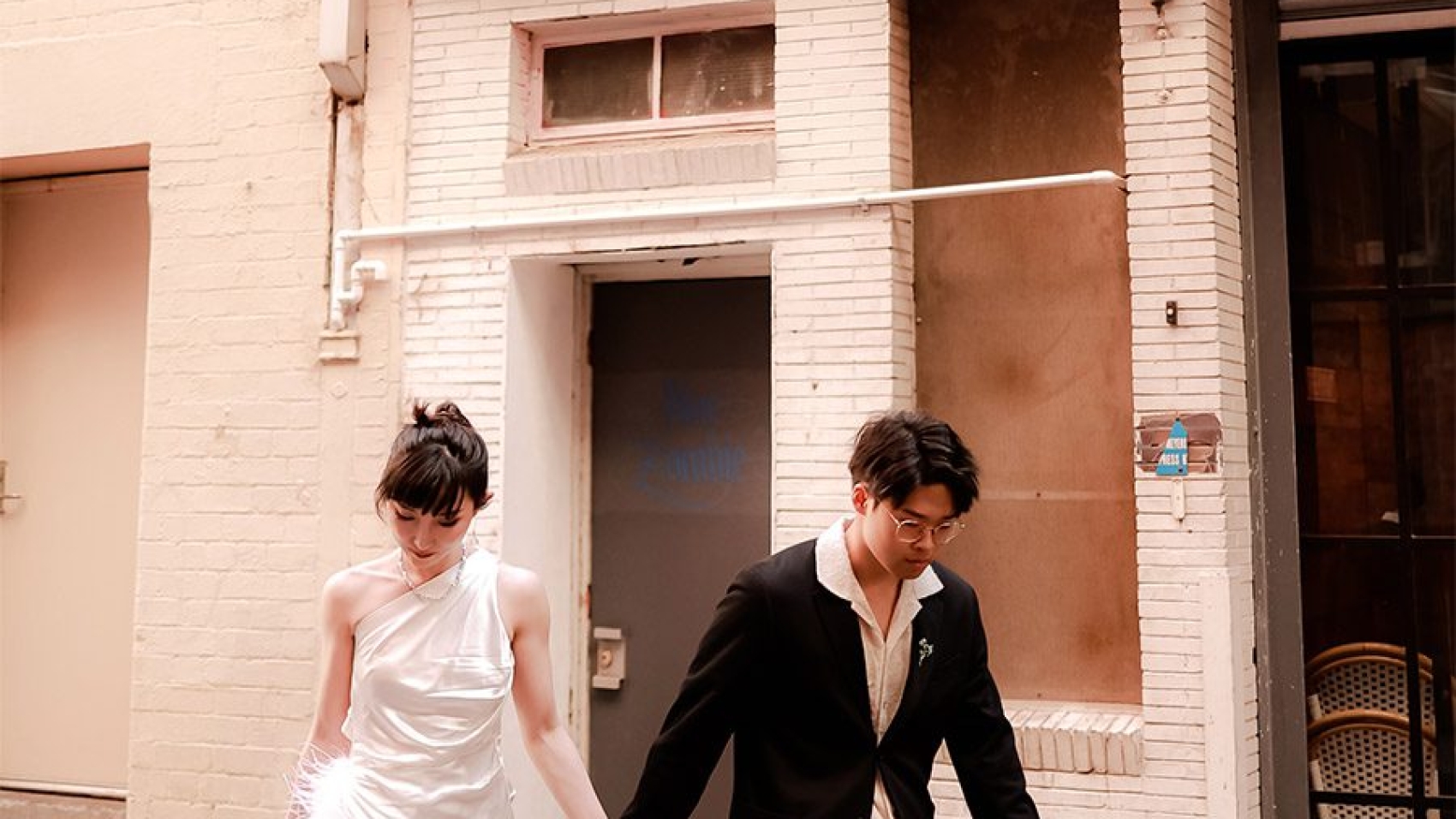
IMG_6417

Personalized elements of wedding photography are integrated into Melbourne.

Incorporating Personalized Elements into Melbourne Wedding Photography

Wedding photography in Melbourne thrives when it reflects the unique story, style, and personality of each couple. Beyond generic poses and predictable settings, personalized elements elevate images into timeless keepsakes. Here’s how to infuse your Melbourne wedding photos with authenticity and meaning.
wedding photography melbourne

Reflecting Your Relationship’s Story

Choosing Locations with Sentimental Value

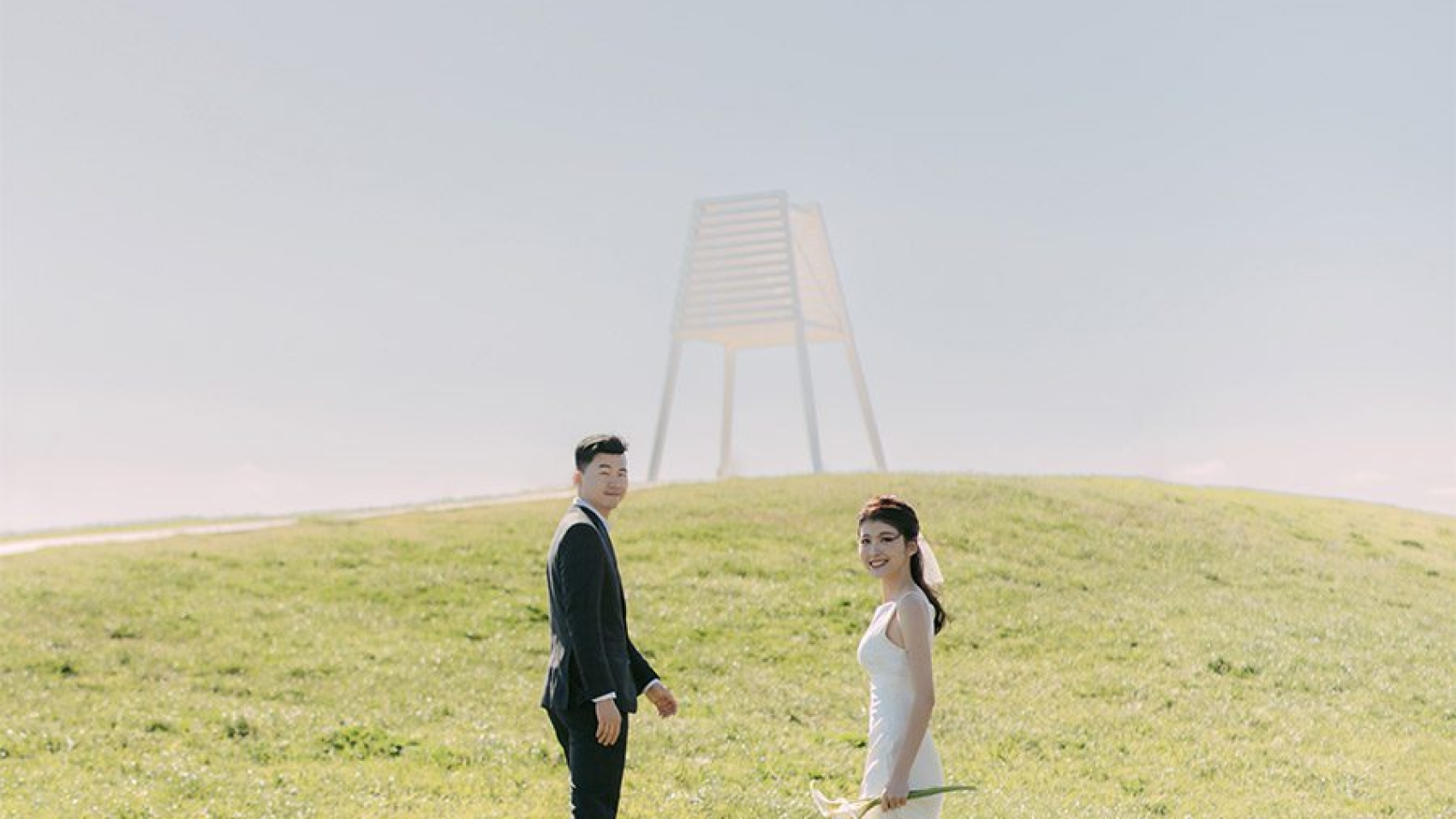
Select venues that hold significance in your journey together. A first-date café, a park where you shared a picnic, or a street where you walked hand-in-hand can add emotional depth. For example, if you met at a Melbourne art gallery, incorporate its architecture or sculptures into your shoot. A photographer familiar with the city’s hidden gems can suggest spots like the Royal Botanic Gardens or the Yarra River’s serene banks for romantic backdrops.

Incorporating Shared Hobbies or Passions

Turn your interests into visual storytelling tools. If you both love music, include instruments like guitars or vinyl records in your photos. For book lovers, stack vintage novels or capture a quiet moment reading together. A couple who enjoys hiking might pose against Melbourne’s skyline from a lookout point, blending urban and natural elements. These details make your album feel uniquely yours.

Infusing Cultural or Family Traditions

Celebrating Heritage Through Attire or Rituals

Cultural symbols—whether through clothing, jewelry, or ceremonies—add layers of meaning. A bride might wear a family heirloom necklace, or a groom could incorporate traditional patterns into his suit. If your heritage involves specific rituals, like lighting candles or exchanging symbolic gifts, document these moments authentically. A photographer skilled in capturing candid emotions will ensure these traditions shine without feeling staged.

Blending Multiple Cultural Backgrounds

For multicultural couples, merging traditions creates a rich narrative. Combine elements like a fusion ceremony setup or a portrait session featuring attire from both cultures. For instance, a couple with Indian and Australian roots might pose in front of Melbourne’s Federation Square, wearing a sari and a tailored suit, with vibrant flowers or spices as props. This approach celebrates diversity while creating visually striking images.

Adding Creative Touches Through Props and Styling

Using Meaningful Objects as Props

Props don’t have to be elaborate—small, personal items can tell a story. A framed ultrasound photo for expecting parents, a love letter, or a map marking your travels together can serve as focal points. For a playful twist, use quirky items like vintage cameras, balloons, or even pets. A photographer with an eye for detail will arrange these elements naturally, ensuring they enhance rather than overwhelm the scene.

Experimenting with Styling and Themes

Themes tied to your personalities can guide your shoot’s aesthetic. A couple who loves vintage charm might opt for retro outfits and a location like a historic Melbourne pub. For a modern, minimalist vibe, choose clean lines, neutral tones, and urban settings like street art lanes. Even weather can inspire a theme—a rainy-day shoot with transparent umbrellas or a sunset session with golden-hour lighting adds drama and mood.

Capturing Candid Moments That Define You

Letting Your Personalities Shine

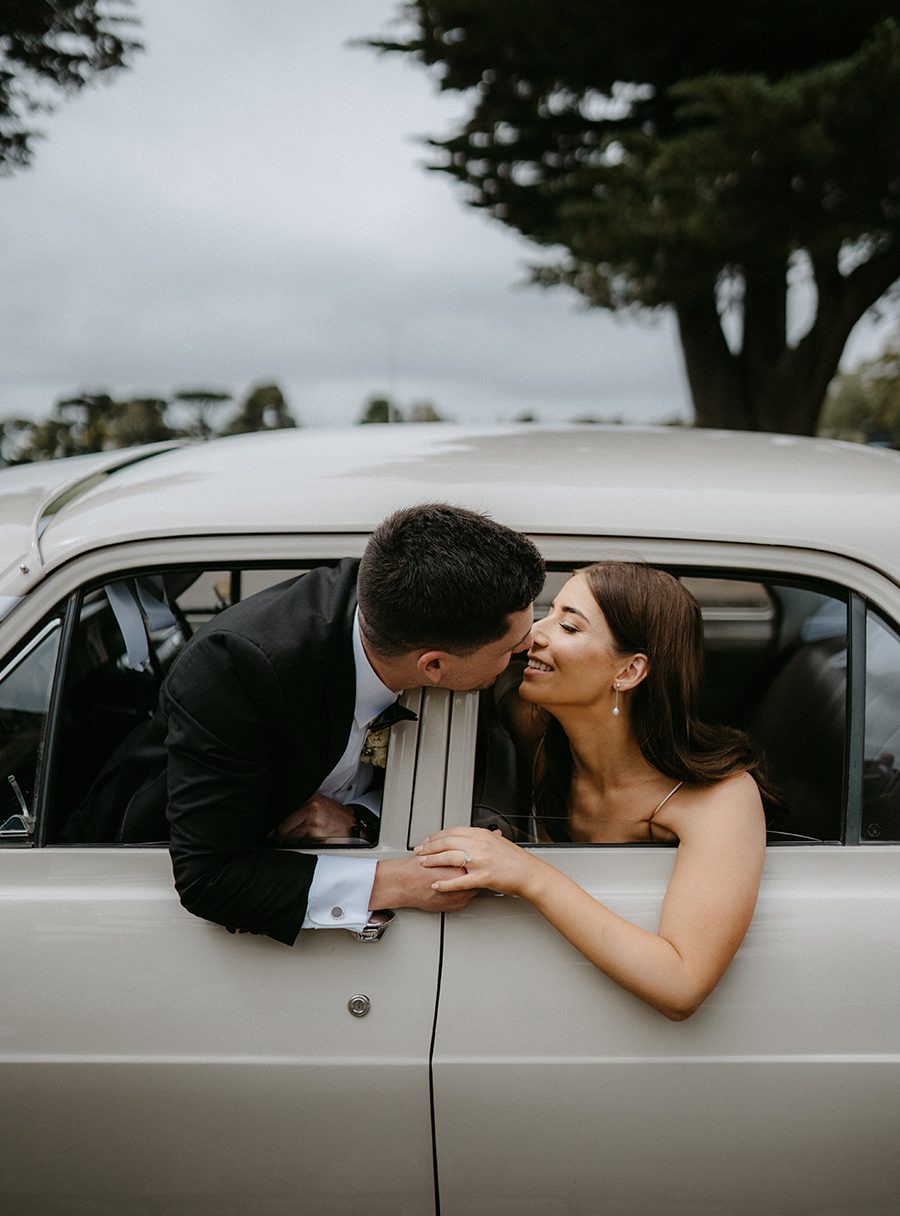
The best photos happen when couples forget the camera exists. Encourage interactions that feel genuine, like sharing a joke, stealing a kiss, or dancing to your favorite song. A photographer who prioritizes candid shots will capture these fleeting moments, turning them into heartfelt memories. For example, a couple who loves board games might pose mid-laugh over a Scrabble match, their joy radiating through the lens.

Documenting Unplanned Surprises

Embrace the unexpected—a sudden gust of wind, a passing street performer, or a spontaneous group hug can create magical photos. Stay open to improvisation during your shoot. If a friend crashes your portrait session with a silly prop or a vendor offers an impromptu dance, roll with it. These unscripted moments often become the most cherished images in your album.

Personalizing Your Photo Display and Sharing

Curating a Narrative-Driven Album

Instead of organizing photos chronologically, arrange them to tell your story. Start with your proposal, move through shared milestones, and end with your wedding day. Include captions or quotes that explain the significance of each image. For example, a photo of you both laughing during speeches could be paired with a line from your vows. This approach transforms your album into a visual love letter.

Sharing Your Story Online

When posting photos on social media or wedding websites, add context to engage viewers. Write short anecdotes about the locations, traditions, or props featured in your shoot. Use hashtags like #MelbourneWedding or #PersonalizedLoveStory to reach couples seeking inspiration. A photographer who understands storytelling can help craft captions that highlight the emotional resonance of each image.

By weaving personalized elements into every aspect of your Melbourne wedding photography—from location choices to candid interactions—you’ll create a collection of images that feels authentically, unforgettably yours. These details don’t just decorate your photos; they anchor them in the love, laughter, and unique bond you share.
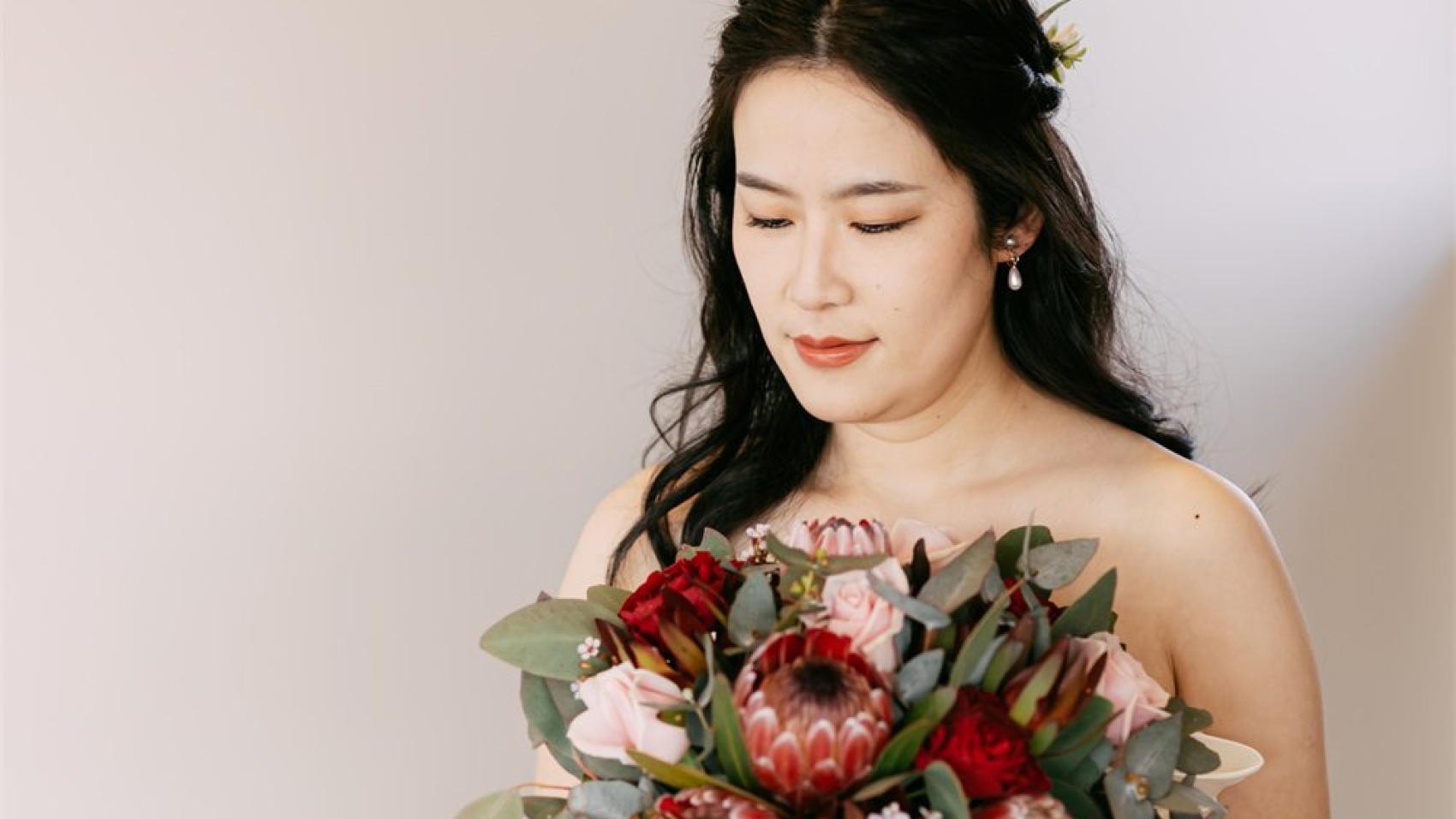
z&d-sp-0040

Key Points for Communication and Cooperation in Melbourne Wedding Photography Sessions

Essential Communication and Coordination Tips for Melbourne Wedding Photography

Capturing timeless moments during a wedding in Melbourne requires more than technical skill—it hinges on seamless communication and coordination between couples, photographers, and vendors. From navigating unpredictable weather to ensuring natural poses, here’s how to foster collaboration for stunning results.

wedding photography melbourne

Building Trust Through Clear Communication

Pre-Shoot Consultations: Setting Expectations

Start with a detailed discussion about your vision, preferred styles, and must-have shots. Share inspiration boards or examples of lighting and compositions you admire. For instance, if you want golden-hour portraits, specify timelines to align with the sun’s position. Discuss logistical details like venue access, parking, and backup plans for rain or wind. A photographer experienced in Melbourne’s climate will recommend covered walkways or indoor alternatives if strong winds are forecast.

Real-Time Adjustments During the Shoot

Flexibility is key. If a sudden downpour disrupts outdoor plans, pivot to a nearby café or stylish building with natural light. Use weather apps to monitor conditions 48 hours in advance and adjust schedules accordingly. For example, scheduling the bride’s preparation photos an hour earlier can avoid midday harsh shadows. Keep communication lines open—if you feel awkward in a pose, speak up. A skilled photographer will guide you into flattering angles while maintaining a relaxed vibe.

Timing and Preparation: The Foundation of Success

Streamlining the Getting-Ready Phase

For brides, allocate 1.5–2 hours for preparation photos. Ensure all bridesmaids finish makeup before the photographer arrives to avoid delays. Encourage matching robes or pajamas for cohesive “behind-the-scenes” shots. For grooms, 45–60 minutes suffices—focus on accessories like cufflinks or watches for 5–10 minutes, then capture candid moments with groomsmen. A 35mm or 50mm prime lens works wonders for softening backgrounds and creating bokeh effects.

Leveraging Natural Light

Melbourne’s unpredictable weather demands adaptability. For outdoor ceremonies, aim for late afternoon when the sun is lower, casting a warm glow. If shooting indoors, use fully drawn curtains for high-key romantic lighting or partially closed ones for moody portraits. Pro tip: Place a large mirror strategically to reflect light and add depth to shots.

Capturing Authentic Moments: Beyond Posed Photos

Encouraging Candid Interactions

The best wedding photos often happen when couples forget the camera exists. Create a relaxed environment by playing music, sharing a drink, or reminiscing about your relationship. A photographer who specializes in candid shots will subtly direct you into natural poses—like holding hands or linking arms—while capturing genuine smiles. For group photos, use props like vintage signs or personalized items to tell your story.

Documenting Details That Matter

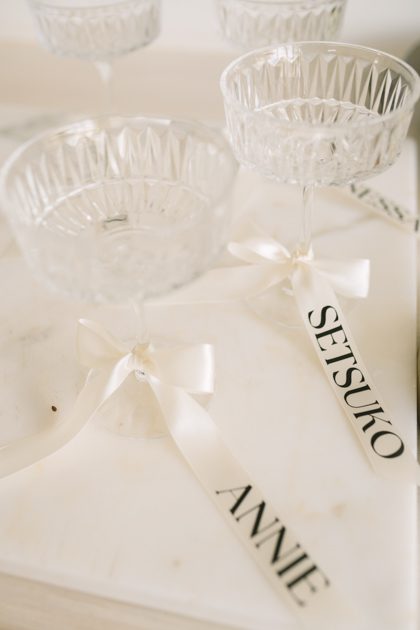
Small elements elevate your album. Ask the photographer to focus on rings, bouquets, table settings, or venue architecture. These shots add context and emotion, turning a collection of images into a narrative. For example, a close-up of the bride’s shoes peeking out from under her dress can symbolize readiness for the day ahead.

Weather-Proofing Your Shoot

Rain: Embrace the Drama

Don’t let rain dampen spirits—it can add magic to photos. Work with your photographer to find sheltered spots with interesting textures, like mossy walls or glass atriums. Use clear umbrellas as props or capture reflections in puddles. A pro tip: Pack wet wipes, tissues, and a compact mirror for quick touch-ups.

Wind: Staying Poised

Strong gusts can wreak havoc on hair and dresses. Opt for updos or pinned hairstyles and avoid flowy skirts if high winds are expected. Use double-sided tape to secure veils or lapels. If shooting outdoors, position the couple facing away from the wind to prevent flyaways.

Post-Shoot Follow-Up: Nurturing Relationships

Staying Connected After the Big Day

A photographer’s job doesn’t end with the last click. Send a heartfelt thank-you note or holiday greeting to maintain rapport. Share sneak peeks of edited photos to keep excitement alive and ask for feedback to improve future shoots. This builds trust and encourages referrals—a win-win for both parties.

Delivering on Promises

Set clear timelines for photo delivery and stick to them. If delays occur, communicate proactively and offer updates. Transparency fosters patience and understanding, ensuring couples remain enthusiastic about their final gallery.

By prioritizing communication, preparation, and adaptability, you’ll transform your Melbourne wedding photos into a cherished visual legacy. Remember: the goal isn’t just to document the day but to capture the love, joy, and authenticity that make it unforgettable.

wedding photography melbourne

Melbourne Wedding Photography Time Planning Tips

Melbourne Wedding Photography Timing Strategies: Crafting a Stress-Free Schedule for Your Big Day

Planning wedding photography in Melbourne requires meticulous timing to balance creativity, comfort, and logistical efficiency. From navigating the city’s unpredictable weather to coordinating with vendors, every minute counts. Below are actionable strategies to optimize your photography timeline, ensuring every moment is captured flawlessly.

wedding photography melbourne

Understanding Melbourne’s Light Patterns

Melbourne’s latitude and climate create distinct lighting conditions throughout the year, influencing the quality and mood of your photos. Mastering these patterns helps you schedule shoots during peak aesthetic windows.

Golden Hour Dynamics:
The golden hour—the period shortly after sunrise or before sunset—offers soft, diffused light that flatters skin tones and reduces harsh shadows. In Melbourne, this window shifts dramatically across seasons:

  • Summer (December–February): Golden hour begins as early as 5:30 AM and lasts until 8:30 pm, providing flexibility for late-afternoon shoots.
  • Winter (June–August): The sun rises around 7:30 am and sets by 5:00 pm, requiring earlier starts to capture golden light.

Overcast Advantages:
Cloudy days, common in autumn and winter, create even lighting ideal for portraits. Use this time for group shots or indoor sessions to avoid washed-out colors or squinting expressions.

Midday Challenges:
Direct sunlight between 11 am and 3 pm can create unflattering shadows, especially on faces. If scheduling outdoor shoots during this period, seek shaded areas like under trees or architectural overhangs.

Building a Realistic Photography Timeline

A well-structured timeline prevents rushed sessions and ensures all key moments are documented. Break your day into segments, allocating buffer time for unexpected delays.

Pre-Ceremony Preparations:

  • Getting Ready: Allocate 1.5–2 hours for hair, makeup, and attire adjustments. Start this block 3–4 hours before the ceremony to avoid last-minute stress.
  • Detail Shots: Capture rings, invitations, and accessories during this period. Ask your photographer to arrive 30 minutes early to style these elements.

Ceremony Coverage:

  • Arrival Time: Photographers should arrive 30 minutes before guests to capture venue setups and guest arrivals.
  • Duration: Allow 30–45 minutes for the ceremony itself, plus 15 minutes for post-ceremony congratulations and group shots.

Post-Ceremony Shoots:

  • Family Portraits: Schedule these immediately after the ceremony, when guests are still gathered. Limit groups to 5–6 people per shot to stay on track.
  • Couple’s Session: Reserve 1–1.5 hours for romantic portraits. Choose locations with varied backdrops (e.g., gardens, streets, waterfronts) to add visual interest.

Reception Highlights:

  • Entrances and Speeches: Coordinate with your MC to alert the photographer before key moments, such as first dances or cake cutting.
  • Dancing and Candids: Keep the photographer on-site until 1–2 hours into the reception to capture lively dancefloor shots and spontaneous interactions.

Accounting for Melbourne’s Weather Variability

Melbourne’s “four seasons in one day” reputation demands flexible planning. Develop contingency strategies to adapt to sudden changes without sacrificing photo quality.

Rain Preparedness:

  • Backup Locations: Identify indoor venues near your outdoor site (e.g., cafes, galleries, or covered walkways) for emergency shoots.
  • Waterproof Gear: Ensure your photographer has weather-sealed equipment and clear umbrellas for outdoor portraits in light rain.
  • Mood Adjustment: Embrace rainy-day aesthetics by incorporating wet surfaces for reflective shots or using umbrellas as props for playful imagery.

Wind Management:

  • Hair and Veil Styling: Opt for updos or pinned veils to prevent flyaways. Provide hairspray or pins for touch-ups during shoots.
  • Location Selection: Avoid open fields or coastal areas on windy days. Sheltered spots like courtyards or forests offer calmer conditions.

Extreme Temperatures:

  • Summer Heat: Schedule outdoor shoots early morning or late afternoon. Provide portable fans or cold towels for guests during group photos.
  • Winter Chill: Layer clothing and use hand warmers for outdoor sessions. Limit exposure to cold by rotating between indoor and outdoor locations.

Coordinating with Vendors and Guests

Smooth communication ensures everyone aligns with your photography schedule, minimizing disruptions.

Vendor Timelines:

  • Florists and Decorators: Confirm setup completion times to ensure venues are photo-ready before your arrival.
  • Caterers: Share your reception timeline to coordinate meal service with key photo moments (e.g., speeches or cake cutting).

Guest Management:

  • Group Shot Lists: Provide your photographer with a prioritized list of family groupings to streamline the process. Assign a relative to help gather guests.
  • Unplugged Ceremonies: Request guests avoid phone use during the ceremony to prevent distractions in photos. Display signs or include notes in programs to reinforce this.

Photographer Collaboration:

  • Shot Lists: Share a detailed list of must-have photos, including cultural traditions or sentimental moments. Include backup ideas in case of weather or time constraints.
  • Style Alignment: Discuss aesthetic preferences (e.g., candid vs. posed, bright vs. moody) during pre-wedding consultations to ensure consistency.

By mastering Melbourne’s lighting, building a flexible timeline, preparing for weather shifts, and coordinating effectively, you’ll create a photography schedule that captures every cherished moment with ease. Remember: adaptability is key, and a well-informed team can turn unexpected challenges into unique, memorable shots.