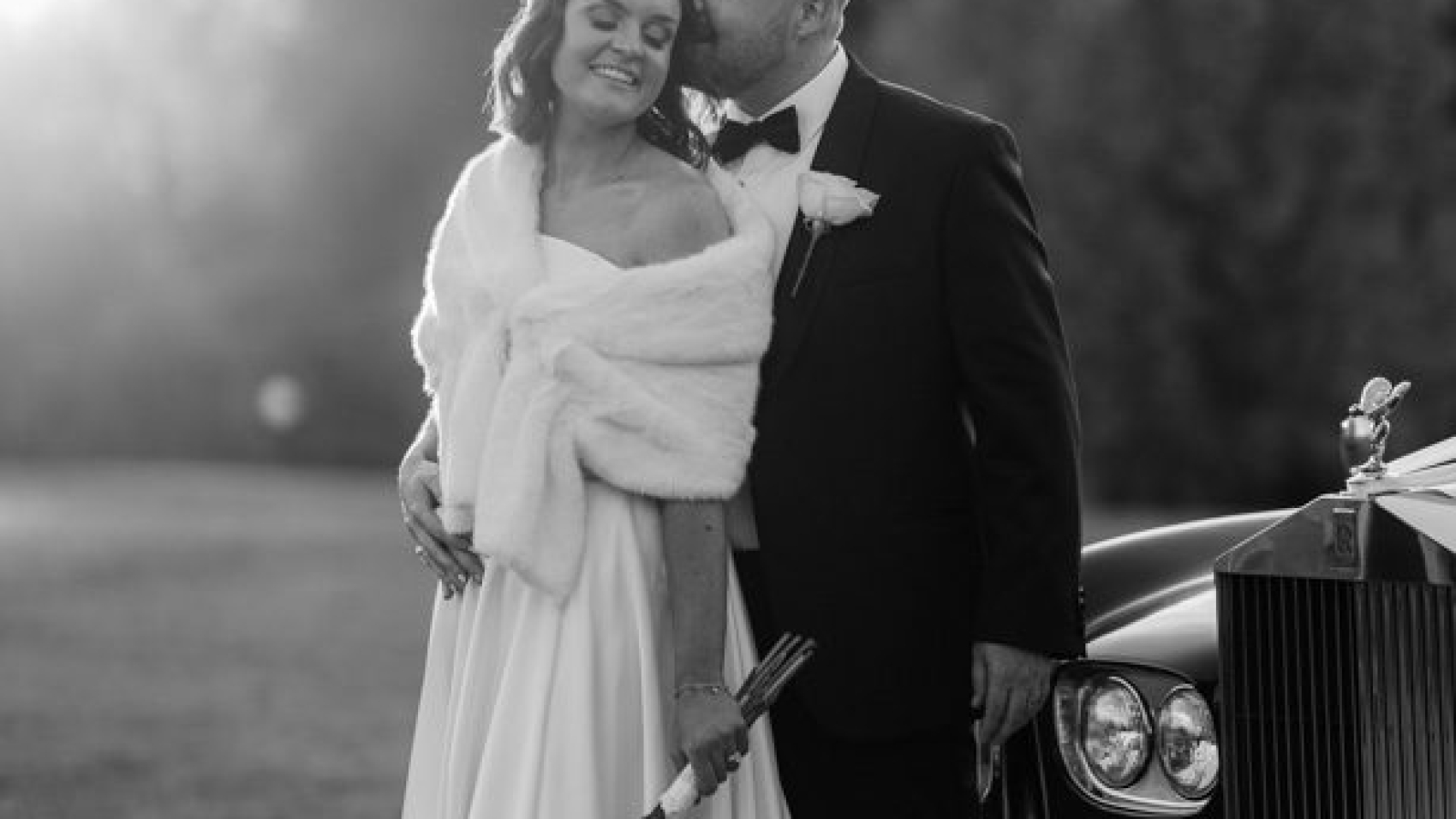
wedding photography melbourne

Planning of outdoor wedding photography routes in Melbourne

Melbourne Outdoor Wedding Photoshoot Route Planning: A Comprehensive Guide

Melbourne’s diverse landscapes—from coastal vistas to historic architecture—make it an ideal destination for outdoor wedding photoshoots. To ensure a seamless experience, couples should carefully plan their route, considering lighting, accessibility, and seasonal factors. This guide outlines a strategic itinerary for capturing Melbourne’s beauty through a lens of romance.
wedding photography melbourne

Coastal Charm: Brighton Beach to St Kilda Pier

Brighton Beach is renowned for its iconic colorful bathing boxes, offering a vibrant backdrop for playful, candid shots. Begin the shoot here during the golden hour, when soft sunlight enhances the pastel hues of the boxes. Couples can pose in front of their favorite box or stroll along the shoreline, capturing the rhythmic waves and sandy textures.

Next, head to St Kilda Pier, a 20-minute drive west. The pier’s wooden planks and distant city skyline create a dramatic contrast to Brighton’s whimsy. Position the couple near the pier’s end for a silhouette shot against the setting sun, or incorporate the historic Luna Park entrance for a nostalgic touch. If time permits, visit the nearby St Kilda Botanical Gardens for lush greenery and floral arrangements.

Safety Tip: Check tide schedules to avoid wet feet or unstable terrain. Wear sturdy shoes for rocky shorelines.

Urban Elegance: Flinders Street Station to Federation Square

For couples seeking a blend of history and modernity, Flinders Street Station is a must-visit. Its grand arches and bustling atmosphere provide a dynamic setting for street-style portraits. Capture the couple walking hand-in-hand across the station’s iconic steps or posing beneath the clock tower.

A short walk east leads to Federation Square, a cultural hub with geometric facades and open plazas. Use the square’s angular structures to frame the couple, or photograph them against the Yarra River’s reflective surface. During weekends, street performers add lively energy to the scene—consider incorporating them into the shoot for a spontaneous vibe.

Lighting Advice: Midday sunlight can be harsh; seek shade under trees or use reflectors to soften shadows.

Natural Serenity: Royal Botanic Gardens Victoria to Dandenong Ranges

The Royal Botanic Gardens Victoria, located near the CBD, offers endless opportunities for ethereal, nature-inspired shots. Wander through manicured lawns, rose gardens, and fern gullies, using foliage to frame the couple. For a romantic touch, photograph them beneath the arches of the Palm House or near the lake’s edge at sunrise.

To escape the city’s hustle, venture 40 minutes east to the Dandenong Ranges. The lush forests and misty valleys here create a fairytale-like ambiance. Visit the Alfred Nicholas Memorial Gardens for its tranquil lake and Japanese-inspired bridges, or explore the Sherbrooke Forest for towering trees and birdlife. Couples can pose on winding trails or share a quiet moment on a wooden bench overlooking the hills.

Seasonal Considerations: Autumn (March–May) transforms the ranges into a golden wonderland, while spring (September–November) brings blooming wildflowers.

Architectural Grandeur: St Patrick’s Cathedral to Eureka Skydeck

St Patrick’s Cathedral, a Gothic masterpiece, exudes timeless elegance. Its soaring spires and intricate stained-glass windows provide a regal setting for formal portraits. Schedule the shoot during early morning or late afternoon to avoid crowds and capture the interior’s warm, filtered light.

For a modern twist, conclude the day at Eureka Skydeck, Southbank’s 88th-floor observation deck. The 360-degree views of Melbourne’s skyline offer a breathtaking conclusion to the shoot. Time the visit for sunset to witness the city transition from day to night, with twinkling lights reflecting off the Yarra River.

Logistical Note: Eureka Skydeck closes at 10 PM; confirm operating hours in advance.

Practical Tips for a Smooth Shoot

  • Weather Preparedness: Melbourne’s climate is unpredictable; carry a lightweight jacket or umbrella.
  • Footwear: Opt for comfortable shoes for walking between locations.
  • Permits: Some venues, like botanical gardens, may require prior permission for commercial shoots.
  • Transportation: Use ride-sharing services or rent a car for flexibility, especially when visiting distant sites like the Dandenong Ranges.

By thoughtfully combining Melbourne’s coastal, urban, and natural landscapes, couples can craft a wedding photoshoot itinerary that tells their unique love story. Each location offers distinct visual elements, ensuring a diverse and memorable collection of images.
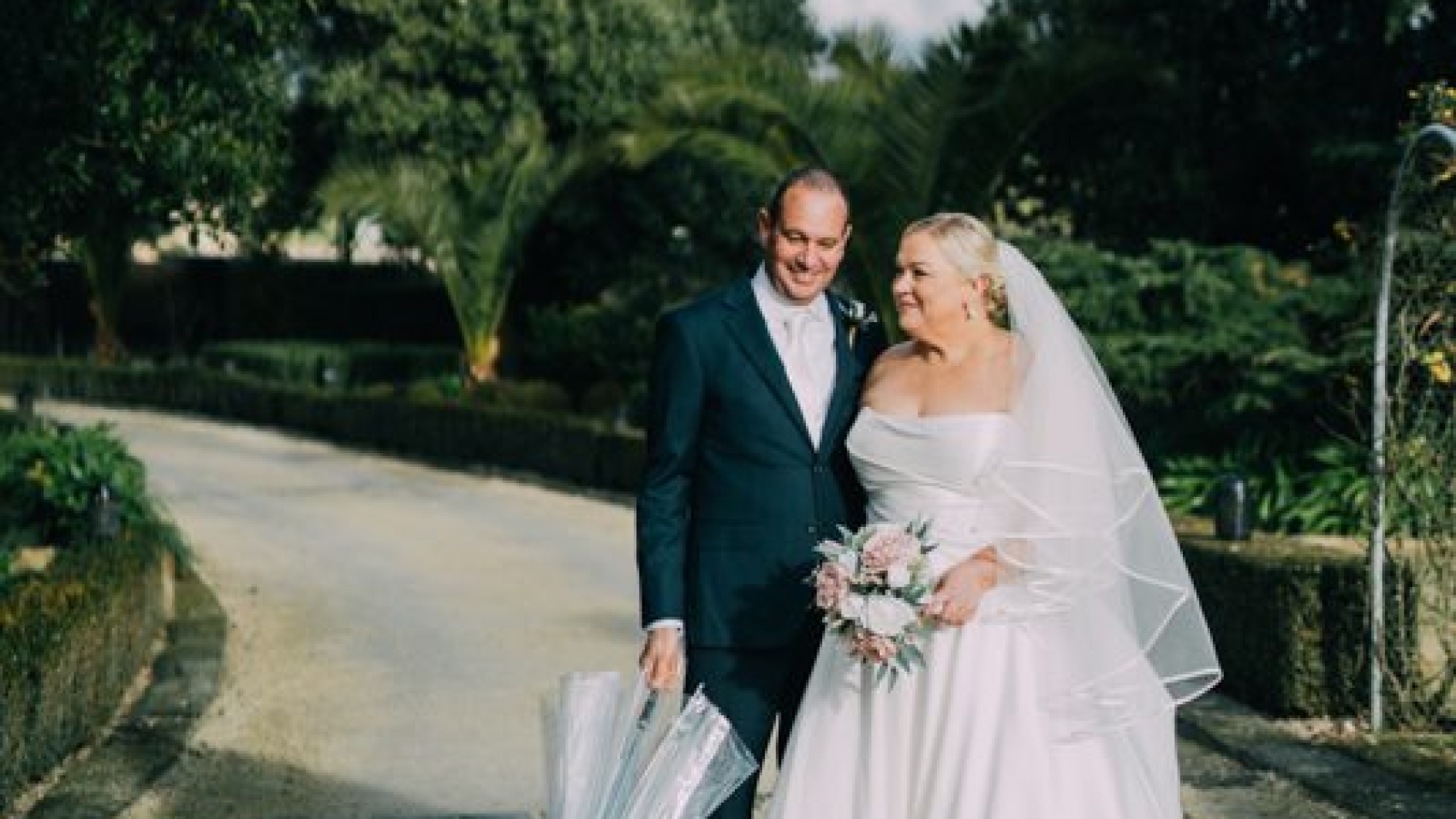
DSC02404

The process of interior wedding photography in Melbourne

Melbourne Indoor Wedding Photoshoot Process: A Step-by-Step Guide

Planning an indoor wedding photoshoot in Melbourne requires careful coordination of styling, location, and timing. Unlike outdoor shoots, indoor sessions offer controlled lighting and weather-independent settings, making them ideal for couples seeking a polished, intimate atmosphere. This guide breaks down the process into manageable steps, from initial preparations to final touches, ensuring a seamless experience.

wedding photography melbourne

Selecting the Right Indoor Venue and Theme

Indoor venues in Melbourne range from historic studios to modern lofts, each offering unique aesthetic opportunities. When choosing a location, consider factors like ceiling height, natural light access, and decor flexibility. For example, a studio with exposed brick walls and large windows suits rustic or bohemian themes, while a minimalist white space complements contemporary or elegant styles.

Discuss your vision with the photographer to align the venue with your desired mood. If you envision a romantic ambiance, opt for soft lighting and neutral tones. For a bold, artistic look, prioritize venues with geometric patterns or vibrant backdrops. Always visit the space beforehand to assess its suitability for your chosen outfits and poses.

Coordinating Outfits and Accessories for Indoor Settings

Indoor lighting, whether natural or artificial, interacts differently with fabrics and colors than outdoor sunlight. Choose materials like silk, satin, or velvet that reflect light elegantly, avoiding heavy textures that may appear dull under studio lamps. For formal portraits, opt for classic silhouettes like ball gowns or tailored suits, while casual themes allow for flowy dresses or relaxed separates.

Accessories should enhance the theme without overwhelming the frame. Delicate jewelry or a simple veil works well for traditional settings, while statement pieces like bold earrings or a patterned tie add personality to modern shoots. Bring versatile items like a shawl or jacket to adapt to temperature changes in air-conditioned studios.

Timing and Logistics for a Smooth Indoor Shoot

Indoor shoots typically follow a structured timeline to maximize efficiency. Begin by arriving early to finalize outfit selections and hair styling, which often take longer than expected. Allocate 30–45 minutes per look for adjustments, ensuring each ensemble is photographed from multiple angles.

Work with your photographer to create a shot list, prioritizing must-have poses and groupings. For example, schedule couple portraits during the golden hour if the studio has windows, or use artificial lighting for dramatic effects later in the day. Break the session into segments—individual shots, partner interactions, and family portraits—to maintain focus and energy.

Managing Lighting and Posing in Confined Spaces

Indoor lighting requires strategic planning to avoid harsh shadows or uneven exposure. Natural light from windows is ideal for soft, flattering images, but studios often rely on artificial setups. Discuss lighting preferences with your photographer beforehand, whether you prefer warm tones for a cozy feel or cool hues for a modern edge.

Posing indoors differs from outdoor shoots due to limited space. Focus on intimate, close-up shots that highlight emotions rather than sweeping landscapes. Experiment with angles—sit on a staircase for depth, lean against a wall for a casual vibe, or use furniture to create dynamic compositions. Encourage natural interactions, like whispering or holding hands, to capture genuine chemistry.

Final Checks and Post-Shoot Considerations

Before wrapping up, review the day’s shots with your photographer to ensure no key moments were missed. Check for wardrobe malfunctions, such as loose straps or wrinkled fabric, and touch up makeup if needed. If the studio offers immediate previews, use this time to confirm satisfaction with the results.

After the shoot, communicate with your photographer about delivery timelines for digital proofs and edited images. Specify preferences for retouching, such as skin smoothing or background adjustments, to align the final product with your vision. Store digital files securely and consider printing favorites for display at home or as gifts for family.

By following these steps, couples can navigate Melbourne’s indoor wedding photoshoot process with confidence, resulting in timeless images that reflect their unique style and love story.

DSC02594

Melbourne wedding dress shooting, makeup and styling schedule

Crafting a Timely Makeup and Styling Schedule for Melbourne Wedding Photoshoots

A well-planned makeup and styling timeline ensures couples look their best without rushing or delays during a Melbourne wedding photoshoot. The city’s unpredictable weather, varying locations, and long shooting hours demand a structured approach to beauty preparations. By aligning styling sessions with photoshoot logistics, couples can achieve polished looks that withstand the demands of the day. Here’s how to organize your schedule effectively.

wedding photography melbourne

Aligning Beauty Preparations with Photoshoot Logistics

Start by confirming the photoshoot’s start time and location. If the session begins early in the morning at a remote spot like the Dandenong Ranges, schedule hair and makeup to finish at least an hour before departure. This buffer accounts for travel time and last-minute adjustments. For urban shoots in the CBD, factor in parking or public transport delays, especially during peak hours.

Discuss the number of outfit changes with your stylist. Each look may require different hair and makeup adjustments, such as switching from a bold red lip to a nude shade or transforming loose waves into an elegant updo. Allocate 30–45 minutes per outfit change for styling tweaks, ensuring transitions are smooth and stress-free. If the shoot includes multiple locations, prioritize versatile styles that adapt easily—for example, a half-up hairstyle that can be pinned up or left down.

Consider the shoot’s duration when planning beauty touch-ups. A full-day session spanning 8–10 hours will need midday refreshes to combat shine, smudged lipstick, or frizzy hair. Schedule a 15–20 minute break halfway through the shoot for quick fixes, like reapplying powder or adjusting accessories. Communicate these needs to your photographer so they can plan the itinerary around these pauses.

Structuring the Morning Beauty Routine for Efficiency

Begin the day with a clean, moisturized face to ensure makeup applies evenly. If you’re prone to oily skin, use a mattifying primer; dry skin types benefit from a hydrating base. Schedule makeup application first, as it often takes longer than hair styling—especially if you’re opting for intricate eye looks or contouring. Allow 45–60 minutes for a full face of makeup, depending on complexity.

While makeup is being applied, start hair preparations if possible. For updos or elaborate styles, wash and dry hair the night before to save time. If freshly washed hair is necessary, use a volumizing mousse or texturizing spray to add grip for styling. Hair styling typically takes 30–45 minutes, depending on the look. Simple curls or straightened locks require less time than braided crowns or chignons.

Coordinate with your partner’s styling timeline if you’re getting ready together. Stagger schedules slightly to avoid overlapping at the styling station—for example, have one partner start makeup while the other begins hair. This prevents bottlenecks and ensures both are ready on time. If you’re working with separate stylists, confirm their arrival times and setup needs in advance.

Planning for Mid-Shoot Touch-Ups and Style Adjustments

Melbourne’s weather can shift unexpectedly, affecting hair and makeup. For outdoor shoots, carry blotting papers, travel-sized hairspray, and lipstick for quick fixes. If it’s windy, secure loose strands with bobby pins or a headband to prevent flyaways. Humid conditions may require anti-frizz serum or a stronger-hold hairspray to maintain styles.

Schedule touch-ups during outfit changes or location transitions. Use these moments to refresh makeup, re-curl stubborn hair sections, or adjust accessories like veils or hairpins. If you’re shooting in direct sunlight, reapply SPF to prevent sunburn without disturbing makeup—opt for a mineral powder formula that sits well over foundation.

For multi-location shoots, discuss style adaptability with your stylist. A beach look might feature loose waves and dewy skin, while a CBD session could call for a sleek ponytail and matte makeup. Pack versatile products like a tinted moisturizer for natural coverage or a cream blush that doubles as lip color to streamline adjustments. Let your photographer know about planned style shifts so they can capture each look effectively.

Finalizing the Schedule and Communicating with Your Team

Create a detailed timeline outlining each beauty and styling step, including start times, durations, and responsibilities. Share this with your stylist, photographer, and wedding party to ensure everyone is aware of the plan. Include contingency time for unexpected delays, like traffic or styling hiccups, to avoid rushing later.

Confirm your stylist’s availability for the entire shoot duration if touch-ups are needed. Some stylists offer half-day or full-day packages, while others charge hourly. Clarify their policy on breaks or additional fees for extended sessions. If you’re self-styling, practice your routine beforehand to gauge timing and identify potential issues.

On the shoot day, arrive early to set up your styling station with all necessary tools and products. Keep essentials like bobby pins, hair ties, and lipstick within reach for quick fixes. Stay hydrated and avoid heavy meals before styling to prevent bloating or discomfort. By organizing your beauty schedule thoughtfully, you’ll achieve a flawless look that lasts throughout your Melbourne wedding photoshoot.

DSC02847

The process of selecting wedding photography clothing in Melbourne

Navigating the Wedding Attire Selection Process for Melbourne Photoshoots

Choosing the right outfits for a Melbourne wedding photoshoot involves balancing personal style, location aesthetics, and practical considerations. The city’s diverse settings—from coastal beaches to urban streets—demand attire that complements the backdrop while reflecting the couple’s vision. A structured approach to outfit selection ensures harmony between clothing, environment, and mood, resulting in photos that feel cohesive and authentic. Here’s a step-by-step guide to simplifying the process.

wedding photography melbourne

Understanding the Photoshoot’s Aesthetic and Location

Begin by revisiting the agreed-upon style and locations for the shoot. A beach session in St Kilda calls for lightweight, flowing fabrics that move with the breeze, such as linen or chiffon, while a historic venue like Como House might suit elegant, structured silhouettes like tailored suits or ball gowns. Discuss how each location’s colors and textures will interact with the outfits. For example, earthy tones blend seamlessly into the Yarra Valley’s greenery, whereas bold hues pop against the CBD’s neutral concrete.

Consider the time of day and weather conditions. Morning shoots in the Royal Botanic Gardens may require layers to stay warm, while midday beach sessions demand breathable materials to avoid discomfort. If the shoot spans multiple locations, prioritize versatile pieces that transition well between settings. A jumpsuit or a dress with detachable sleeves can adapt to changing environments without requiring full wardrobe changes.

Finally, align outfits with the shoot’s overall mood. Soft, romantic themes pair well with delicate lace or pastel shades, while edgy, modern vibes suit monochromatic palettes or unconventional cuts. Share inspiration images with your photographer to ensure your choices resonate with the visual narrative you’ve planned.

Coordinating Outfits Between Partners Without Matching Exactly

Striking a balance between coordination and individuality is key to creating visually appealing photos. Instead of identical outfits, focus on complementary elements like color palettes, fabric textures, or style themes. For instance, if one partner wears a floral-patterned dress, the other could opt for a solid-colored suit in a shade pulled from the print. This creates harmony without sacrificing personal flair.

Pay attention to formalities. If one partner chooses a formal gown, the other should avoid overly casual attire like jeans or sneakers. A tailored suit or a dressy jumpsuit maintains equilibrium while allowing room for personal expression. Discuss accessories, too—a statement necklace or a patterned tie can tie two looks together subtly.

Consider the shoot’s narrative when coordinating outfits. If the theme is “timeless elegance,” both partners might lean toward classic silhouettes in neutral tones. For a “bohemian adventure” vibe, flowy fabrics and earthy colors can unify the looks. Share your ideas with your photographer, who can offer insights on how outfits will photograph together and suggest adjustments if needed.

Prioritizing Comfort and Practicality for Long Sessions

A wedding photoshoot often lasts several hours, so comfort is non-negotiable. Avoid stiff, restrictive clothing that limits movement or causes discomfort. Opt for breathable, stretchy fabrics that allow you to sit, walk, and pose freely. For example, a mermaid-style gown with a flexible waistband might be more comfortable than a corseted design for a day-long shoot.

Test outfits beforehand by wearing them around the house or for a short outing. Notice how they feel during activities like sitting, bending, or dancing. If a dress rides up or a suit jacket feels scratchy, reconsider the choice. Bring backup options like a shawl or a cardigan for outdoor shoots in cooler weather, and ensure shoes are broken in to prevent blisters.

Practicality extends to logistics, too. Choose outfits that are easy to change into if the shoot involves multiple locations. Dresses with zippers or suits with elasticated waistbands simplify quick transitions. If you’re wearing heels, pack flats for walking between sites to avoid fatigue. Let your photographer know about any practical concerns so they can plan shoot locations and timing accordingly.

Finalizing Choices and Planning for Contingencies

Once you’ve narrowed down your options, do a trial run with hair, makeup, and accessories to see how everything comes together. Photograph yourself in natural light to assess how colors and textures appear on camera. Share these trial photos with your photographer for feedback—they might suggest tweaks like adjusting a hemline or swapping a belt for better visual balance.

Create a checklist of all outfit components, including undergarments, shoes, and accessories, to avoid last-minute omissions. Pack extras like safety pins, fabric tape, or a sewing kit for minor repairs on the day. If you’re renting or borrowing items, confirm return policies and insurance coverage in case of damage.

Finally, discuss contingency plans with your photographer. Weather changes or unexpected wardrobe malfunctions might require adjustments, like moving an outdoor shoot indoors or switching to backup outfits. Flexibility ensures the shoot stays on track, even if plans shift. By prioritizing comfort, coordination, and practicality, you’ll create a wardrobe that enhances your Melbourne wedding photoshoot without overshadowing the moment.

Evermore_weddings_Jack_Rabbit_Winery-80

Communication steps for wedding photography styles in Melbourne

Effective Communication Steps for Defining Wedding Photoshoot Styles in Melbourne

Capturing a couple’s vision for their Melbourne wedding photoshoot requires clear, collaborative communication about style preferences. From coastal elegance to urban edginess, the city’s diverse backdrops demand alignment on aesthetics, mood, and practical details. Miscommunication can lead to mismatched expectations, so structuring conversations around key themes ensures both clients and photographers stay on the same page. Here’s how to navigate style discussions for a seamless experience.

wedding photography melbourne

Initiating the Conversation with Inspiration Gathering

Start by encouraging couples to collect visual references that resonate with them. Suggest they browse platforms like Pinterest, Instagram, or wedding blogs to curate mood boards featuring colors, poses, and settings they love. For example, a board might include soft pastel hues for a romantic vibe or bold contrasts for a modern look. These references act as a visual starting point, helping photographers grasp the couple’s tastes without relying on vague descriptions like “dreamy” or “classic.”

Ask clients to note specific elements they admire in each image. Do they prefer candid moments or posed shots? Are they drawn to natural light or dramatic studio lighting? Highlighting these details helps narrow down styles—such as documentary-style photography versus fine art—and ensures both parties prioritize the same features. Encourage couples to share images that don’t appeal to them, too, to avoid missteps.

Finally, discuss the couple’s personalities and relationship dynamics. A playful, outgoing pair might thrive in dynamic, action-packed shots, while introverted clients may prefer quiet, intimate compositions. Linking style choices to their unique bond ensures photos feel authentic and reflective of their story.

Exploring Melbourne’s Unique Settings and Their Stylistic Impact

Melbourne’s geography offers a wealth of stylistic opportunities, from coastal landscapes to urban grit. Guide couples through how different locations influence a photoshoot’s aesthetic. For instance, a beach shoot in St Kilda lends itself to airy, light-filled images with soft sand and ocean blues, while a CBD session in Degraves Street’s laneways creates a moody, artistic vibe with graffiti and textured brickwork.

Discuss how weather and time of day shape each location’s mood. Early morning light in the Royal Botanic Gardens casts a golden glow perfect for romantic portraits, while sunset at Brighton Beach adds warmth to candid moments. Conversely, overcast skies in the Dandenong Ranges can create dramatic, moody tones for couples seeking a bold, editorial look. Aligning location choices with desired aesthetics ensures consistency across shots.

Encourage couples to consider practical factors like crowd levels and accessibility. Popular spots like Flinders Street Station may require strategic timing to avoid tourists, while remote areas like the Mornington Peninsula offer privacy but demand travel planning. Balancing stylistic preferences with logistical ease prevents stress on the wedding day.

Refining Details: Poses, Lighting, and Post-Production Preferences

Once the overarching style is clear, dive into specifics like posing, lighting, and editing. Ask clients how they envision interacting during the shoot—do they want structured, guided poses or spontaneous, natural interactions? Some couples may prefer traditional, timeless compositions, while others might crave quirky, playful arrangements that showcase their chemistry.

Lighting plays a pivotal role in defining mood. Discuss preferences for natural light versus artificial setups. A couple aiming for a soft, ethereal look might prioritize golden hour shoots, while those seeking high-contrast, dramatic images could opt for indoor studio sessions with controlled lighting. For outdoor shoots, plan backup strategies for unexpected weather, like using reflectors or diffusers to manage harsh sunlight.

Post-production editing is another critical area. Clarify expectations around color grading, contrast, and retouching. Some clients prefer vibrant, saturated tones for a lively feel, while others lean toward muted, desaturated palettes for a vintage or minimalist aesthetic. Address retouching boundaries, too—whether to preserve natural skin textures or smooth imperfections—to ensure the final images align with the couple’s vision.

Finalizing Agreements and Setting Expectations

After discussing styles, poses, and editing, summarize key decisions in writing. Outline the agreed-upon aesthetic, locations, timing, and any special requests (e.g., incorporating heirloom props or pets). This document serves as a reference point to prevent misunderstandings and ensures both parties are accountable for their roles.

Encourage open dialogue throughout the process. Let clients know they can voice concerns or adjust preferences as the wedding date approaches. Flexibility is key, especially if weather or unforeseen circumstances force changes to the plan. Reassure them that minor tweaks won’t compromise the overall style but will enhance the final results.

Finally, schedule a pre-wedding consultation to review the plan and address last-minute questions. This meeting builds trust and confirms everyone is aligned before the big day. By prioritizing communication at every stage, couples and photographers can collaborate to create wedding photos that truly reflect their unique love story in Melbourne’s vibrant setting.

71407_Farm_Vigano_SELECTION_0007

The pre-scene investigation process for wedding photography in Melbourne

Pre-Wedding Photoshoot Location Scouting Process in Melbourne

Planning a wedding photoshoot in Melbourne requires meticulous location scouting to ensure every frame captures the city’s unique charm. From coastal vistas to urban landmarks, Melbourne offers diverse backdrops, but each site demands careful evaluation for logistics, lighting, and aesthetic appeal. A structured scouting process helps couples and photographers identify ideal spots while anticipating challenges like weather, permits, or crowd control. Here’s a step-by-step guide to navigating Melbourne’s most picturesque locales.

wedding photography melbourne

Identifying Potential Locations Based on Themes and Vibes

Start by defining the photoshoot’s aesthetic goals. Do you envision romantic coastal scenes, urban chic portraits, or rustic natural settings? Melbourne’s districts cater to varied themes: St Kilda Beach suits breezy, casual vibes, while the CBD’s historic laneways offer gritty, artistic backdrops. For lush greenery, the Royal Botanic Gardens or Dandenong Ranges provide serene options. List 3–5 primary locations that align with your vision, then research their accessibility and restrictions.

Consider the time of year and day for each site. Summer shoots in Brighton Beach might face harsh midday sunlight, while autumn in the Yarra Valley offers soft, golden light. Early mornings or late afternoons often yield the best lighting, but some locations (e.g., popular landmarks) may be crowded during these times. Scout each spot at your intended shoot time to assess crowd levels and lighting conditions.

Finally, evaluate the emotional resonance of each location. A spot with personal significance—like where the couple met or a favorite café—adds authenticity to photos. Balance sentimentality with practicality; a meaningful but noisy location might require backup plans for quieter shots.

Assessing Logistical Feasibility and Accessibility

Once you’ve shortlisted locations, dive into logistics. Check parking availability, especially in busy districts like Carlton or Southbank. Limited parking can delay setup or force gear-heavy teams to haul equipment long distances. For beach shoots, verify whether vehicles can access sandy areas or if you’ll need to carry gear from parking lots.

Public transport accessibility is crucial for clients or teams relying on trains or trams. Locations near stations (e.g., Flinders Street Station for urban shoots) simplify travel, but remote areas like the Mornington Peninsula may require ride-sharing services. Note transit schedules, especially for weekend shoots when services might be reduced.

Permits and regulations vary by location. Public parks like Fitzroy Gardens may require booking permits for professional photography, while historic sites like St Paul’s Cathedral have strict rules about tripods or commercial use. Contact local councils or property managers in advance to avoid last-minute cancellations. Some beaches also restrict photography during peak tourist seasons or events.

Evaluating Lighting, Weather, and Environmental Factors

Melbourne’s climate demands flexible planning. Coastal areas like Williamstown are prone to sudden wind gusts that can disrupt hair or fabrics, while inland districts like the Dandenong Ranges experience cooler temperatures year-round. Check weather forecasts a week before scouting and have indoor backup venues in mind if rain is likely.

Lighting quality varies dramatically across districts. Open spaces like Albert Park Lake offer even, natural light, but urban shoots in narrow laneways may struggle with harsh shadows. Scout locations during your intended shoot time to see how sunlight interacts with surfaces—brick walls, for example, can create warm reflections or deep contrasts.

Environmental noise is another consideration. Busy areas like Degraves Street or Bourke Street Mall have constant background chatter, which might affect audio recordings if you plan to capture vows or interviews. For quieter shots, explore lesser-known alleys or early-morning sessions before crowds arrive.

Testing Gear and Composition at Each Site

Bring a basic camera setup during scouting to test framing and angles. Capture test shots at different times of day to see how light shifts across the scene. For example, a spot facing west might look flat in the morning but glow during sunset. Note any obstructions like power lines, trees, or construction that could ruin shots later.

Experiment with compositions that highlight the location’s unique features. A bench in a park can serve as a prop for intimate moments, while a graffiti wall in Hosier Lane adds urban edge. Consider how clients will move through the space—wide pathways allow for dynamic walking shots, while cramped areas might limit poses.

Finally, assess the site’s versatility. Can it accommodate multiple outfit changes or theme shifts? A single location with varied backdrops (e.g., a garden with a pond, a stone archway, and open lawns) reduces travel time between shots. If a site feels too one-dimensional, prioritize others that offer creative flexibility.

Finalizing Locations and Creating a Contingency Plan

After scouting, narrow your list to 2–3 primary locations and 1–2 backups. Share options with clients, highlighting pros and cons like lighting, crowd levels, and travel time. Once selections are made, draft a detailed itinerary with addresses, parking tips, and permit details.

Develop a contingency plan for bad weather or unexpected closures. Indoor venues like galleries, cafés, or studios can mimic outdoor themes (e.g., a rustic café for a countryside vibe). Keep a list of emergency contacts, including local transport services or nearby vendors who can provide last-minute assistance.

By following this structured scouting process, couples and photographers can transform Melbourne’s diverse landscapes into timeless wedding memories. Thorough preparation ensures every shot reflects the city’s beauty while minimizing stress on the big day.

71407_Farm_Vigano_SELECTION_0060

Emergency touch-up tools for wedding photography in Melbourne

Essential Emergency Touch-Up Tools for Melbourne Wedding Photoshoots

A Melbourne wedding photoshoot demands flawless makeup that withstands the city’s unpredictable weather, from coastal breezes to urban humidity. Even with professional application, factors like tears, sweat, or sudden rain can disrupt your look. Carrying a compact, versatile emergency makeup kit ensures you stay camera-ready throughout the day, whether shooting by the Yarra River or atop a CBD rooftop. Here’s how to assemble a practical, climate-proof touch-up arsenal.

wedding photography melbourne

Building a Weather-Resistant Base Layer

Melbourne’s variable climate means your foundation must adapt to shifting conditions. Opt for a long-wear, matte formula that resists oil and humidity, ideal for summer shoots in districts like St Kilda or Southbank. For cooler, windier days in areas such as the Dandenong Ranges, choose a hydrating foundation with a dewy finish to prevent flakiness. Pack a small, travel-sized bottle of setting spray to lock in your base—a matte spray combats shine, while a hydrating mist refreshes dry patches without disturbing makeup.

Concealer is another critical tool for hiding blemishes, dark circles, or redness. Select a creamy, high-coverage formula that blends seamlessly and stays put under masks or headpieces. A tiny jar of color-correcting concealer (e.g., green for redness, peach for dark circles) can neutralize stubborn discoloration before applying foundation. Keep both concealers in your kit for quick fixes during transitions between locations.

Powder plays a dual role in controlling shine and setting makeup. A translucent loose powder is ideal for most skin tones, as it doesn’t alter your foundation’s color. For oily skin, a pressed powder with oil-absorbing properties can touch up T-zone areas without caking. Use a small, fluffy brush to apply powder lightly—overdoing it can create a dry, aged appearance in photos.

Tackling Common Makeup Mishaps On the Go

Tears of joy or windy conditions can smudge eyeliner or mascara, requiring immediate attention. Pack waterproof eyeliner and mascara to minimize smudging, but keep a cotton swab dipped in micellar water for quick corrections. For raccoon eyes, gently swipe the inner corners of your lids to remove excess product without ruining the rest of your eye makeup.

Lip color fading or transferring onto teeth is another frequent issue. Choose long-wearing lip stains or matte liquid lipsticks that resist feathering and drinking. A lip liner in a matching shade can prevent color from bleeding outside the lip line. Carry a small mirror and a tissue to blot lips after eating or drinking, then reapply color sparingly to maintain a natural finish.

Blush and bronzer can disappear after hours of shooting, especially in cold or windy weather. Cream blushes blend seamlessly into the skin and last longer than powders, but a powder blush in a similar shade can refresh your look without adding shine. For bronzer, a matte formula with a neutral undertone complements most skin tones and adds warmth without looking muddy. Use a small, angled brush to apply blush to the apples of your cheeks and bronzer to the hollows of your cheeks for a sculpted effect.

Adapting to Melbourne’s Unique Environmental Challenges

Coastal shoots near Brighton Beach or Williamstown expose skin to saltwater spray and sand, which can cling to makeup and cause irritation. A gentle, fragrance-free facial mist can hydrate skin and remove debris without stripping makeup. Pack a pack of oil-absorbing sheets to blot excess oil without disturbing your base, especially in humid conditions.

Urban shoots in the CBD or Fitzroy often involve walking between locations, leading to sweat or friction from clothing. Antiperspirant wipes can keep underarms dry, while a small tube of hand cream prevents chapped skin from frequent hand washing. For shoots in grassy areas like the Royal Botanic Gardens, carry a travel-sized insect repellent to avoid bites that could swell or itch in photos.

If shooting in windy districts like the Docklands or along the Maribyrnong River, secure hairpieces or veils with strong bobby pins or hairspray to prevent them from shifting. A small comb and hairspray can tame flyaways or restyle hair after helmet or hat removal for bike-themed shoots.

Organizing Your Kit for Efficiency and Accessibility

A well-organized emergency kit saves time during touch-ups. Use a clear, zippered pouch to store liquids and powders, separating them from brushes and tools to avoid spills. Label each compartment or use small, resealable bags to group similar items (e.g., eye products, lip tools, skincare).

Include a compact mirror with magnification for precise application, especially when fixing eyeliner or lipstick. A set of travel-sized brushes (blush, eyeshadow, powder) ensures you can apply products evenly without using fingers, which can transfer oils onto the skin. Disposable sponges or wedges are handy for blending concealer or foundation in a pinch.

Finally, pack a few essential skincare items to address sudden dryness or irritation. A travel-sized moisturizer, lip balm, and soothing facial wipes can refresh skin between shots without requiring a full skincare routine. If you have sensitive skin, include a small tube of hydrocortisone cream for unexpected rashes or bites.

By assembling a thoughtful, climate-proof emergency makeup kit, you’ll stay confident and camera-ready throughout your Melbourne wedding photoshoot. Prioritize multi-use products, organize tools efficiently, and adapt to the city’s environmental quirks to ensure every shot captures your best self.

71407_Farm_Vigano_SELECTION_0035

Reserve time for cross-regional shooting in Melbourne

Planning Time Buffers for Cross-District Photoshoots in Melbourne

Capturing Melbourne’s diverse landscapes—from the bustling CBD to the serene Dandenong Ranges—requires meticulous scheduling to account for travel delays, lighting changes, and unexpected challenges. Cross-district photoshoots often involve navigating traffic, public transport gaps, or weather shifts, all of which can disrupt timelines. By strategically allocating time buffers, photographers and clients can ensure a smooth experience without sacrificing creative flexibility. Here’s how to optimize your schedule for Melbourne’s unique geography.

wedding photography melbourne

Understanding Melbourne’s Traffic and Transit Patterns

Melbourne’s layout spans sprawling suburbs connected by a mix of highways, trams, and trains, each with its own peak-hour quirks. The CBD and inner-city areas like Southbank or Docklands experience heavy congestion during morning and evening rush hours (7–9 AM and 4–6 PM), which can double travel times between locations. If your shoot includes stops in these zones, plan to arrive early or reschedule sensitive segments (e.g., golden-hour portraits) to avoid delays.

Public transport, while reliable, isn’t immune to disruptions. Tram and train lines occasionally face delays due to maintenance or signal issues, especially on weekends. For shoots relying on trains to reach outer districts like Brighton or Williamstown, check real-time updates via Melbourne’s official transit apps and add a 15–20 minute buffer to account for potential holdups.

Accounting for Lighting and Weather Variability

Melbourne’s infamous “four seasons in one day” climate demands adaptive scheduling. Sudden rain showers or cloud cover can alter lighting conditions, forcing you to rethink shot lists or locations. For example, a shoot planned for St Kilda Beach at sunset might need a backup indoor spot nearby if storm clouds roll in. Always scout backup venues close to your primary locations to minimize travel time during weather shifts.

Lighting changes throughout the day also impact your timeline. Midday sunlight in districts like Carlton or Fitzroy can create harsh shadows, requiring diffusers or repositioning subjects. If you’re shooting in multiple districts with varying sunlight exposure (e.g., shaded parks vs. open streets), allocate extra time to adjust equipment or wait for softer light. For golden-hour shots, arrive at least 30 minutes early to set up, as the sun sets faster near the coast or in elevated areas like the Yarra Valley.

Managing Setup and Transition Times Between Locations

Every location change involves packing gear, traveling, and unpacking—tasks that often take longer than anticipated. Factor in 10–15 minutes per transition for small teams or 20–30 minutes for larger setups with lighting equipment or props. For example, moving from a CBD rooftop to a hidden laneway in Degraves Street requires descending buildings, navigating crowds, and repositioning tripods, all of which eat into your shooting window.

If your shoot involves multiple outfits or themes, build in buffer time for costume changes or hair/makeup touch-ups. A 10-minute gap between looks prevents rushed transitions, especially if clients need to change in public spaces or vehicles. For elaborate setups (e.g., drone shots or large group arrangements), add an extra 20–30 minutes to account for technical adjustments or reshoots.

Navigating Melbourne’s Hidden Geographic Challenges

Some districts pose unexpected logistical hurdles. The Yarra River’s winding paths, for instance, can add 10–15 minutes to walks between shoot spots, even if they seem close on a map. Similarly, the Dandenong Ranges’ narrow, winding roads slow down travel, especially during tourist seasons. Research route alternatives in advance and avoid roads prone to closures (e.g., those near construction zones or events like the Melbourne Grand Prix).

Parking availability also varies by district. The CBD and trendy areas like Brunswick often have limited street parking, forcing you to circle blocks or use paid lots. If shooting in these zones, arrive 15 minutes early to secure parking or use ride-sharing services to drop off gear before parking elsewhere. For beachside districts like Elwood, check parking restrictions during peak summer months to avoid fines or delays.

Communicating Clearly With Clients and Teams

Transparent communication is vital for managing expectations. Share your timeline with clients upfront, highlighting buffer periods and potential risks (e.g., “We’ve allocated 30 minutes for travel between the CBD and St Kilda, but traffic may extend this to 45 minutes”). Use shared calendars or scheduling tools to keep everyone informed of updates, especially if delays occur.

For team shoots involving assistants or stylists, assign roles in advance to streamline transitions. Designate someone to pack gear while others scout the next location or assist clients with changes. A well-coordinated team can shave minutes off each transition, freeing up time for creative flexibility.

By anticipating Melbourne’s traffic, weather, and geographic quirks, you can create a realistic schedule that accommodates the unexpected. Flexibility is key—leave room for spontaneous shots or extended sessions at favorite spots without derailing the entire itinerary. With careful planning, cross-district shoots can capture the best of Melbourne’s contrasts without the stress of tight timelines.

wedding photography melbourne

Skin moisturizing preparation for wedding photography in Melbourne

Essential Skin Hydration Tips for Melbourne Wedding Photoshoots

A wedding photoshoot in Melbourne demands flawless, glowing skin to complement the city’s picturesque backdrops, from the Yarra River’s shimmering waters to the historic lanes of the CBD. However, Melbourne’s unpredictable weather—ranging from dry winds to sudden humidity—can leave skin dehydrated, causing flakiness, dullness, or uneven texture. Proper hydration is key to achieving a radiant complexion that looks natural under harsh sunlight or soft evening light. Here’s how to prepare your skin for a stress-free, camera-ready glow.

wedding photography melbourne

Prioritize Long-Term Hydration Habits

Healthy skin starts with consistent care, not last-minute fixes. Begin a hydration-focused routine at least a month before your shoot to strengthen your skin’s moisture barrier. Drinking enough water daily is foundational, but topical hydration plays an equally vital role. Opt for lightweight, non-comedogenic moisturizers that lock in water without clogging pores. For dry skin types, layer a hydrating serum beneath your moisturizer to deliver active ingredients like hyaluronic acid, which attracts and retains moisture.

Exfoliation is another critical step, but avoid overdoing it. Gentle exfoliants, such as chemical exfoliators with lactic or glycolic acid, remove dead skin cells without irritating sensitive areas. Limit exfoliation to 1–2 times a week to prevent redness or peeling, especially if you’ll be shooting outdoors in Melbourne’s variable climate.

Adjust Your Routine for Melbourne’s Weather Conditions

Melbourne’s weather can shift dramatically, impacting your skin’s hydration needs. On windy days, such as those common along St Kilda Beach, windburn can strip moisture, leaving skin tight and irritated. Combat this by applying a thicker, occlusive moisturizer or balm to exposed areas like cheeks and lips before heading out. For humid conditions, like those near the Royal Botanic Gardens, switch to a gel-based moisturizer to prevent a greasy finish that might reflect light unflatteringly in photos.

Sun protection is non-negotiable, even on cloudy days. UV rays penetrate clouds and can dehydrate skin, leading to premature aging or uneven tone. Use a broad-spectrum SPF 30+ sunscreen daily, reapplying every two hours if shooting outdoors. For sensitive skin, mineral-based sunscreens with zinc oxide or titanium dioxide are less likely to cause irritation.

Pre-Shoot Skin Prep for a Flawless Finish

The day before your wedding photoshoot, focus on reinforcing hydration without overloading your skin. Avoid trying new products that might trigger breakouts or allergies. Instead, stick to familiar, gentle formulas. A hydrating sheet mask or overnight sleeping mask can provide an extra boost, plumping fine lines and smoothing texture. However, limit usage to once a week to prevent dependency.

On the morning of the shoot, cleanse your face with a mild, pH-balanced cleanser to remove impurities without stripping natural oils. Follow with a lightweight moisturizer and let it absorb fully before applying makeup. If your skin feels tight or dry, mist with a facial spray containing soothing ingredients like rosewater or aloe vera to refresh and hydrate without disturbing makeup.

Address Specific Skin Concerns Without Compromising Hydration

Blemishes or redness can disrupt an otherwise perfect complexion. Treat acne with spot treatments containing salicylic acid or benzoyl peroxide, but use them sparingly to avoid drying out surrounding skin. For under-eye circles or puffiness, apply a cooling eye gel with caffeine or cucumber extract to reduce swelling and brighten the area.

If you have oily skin, don’t skip moisturizer—dehydration can trigger excess oil production. Instead, use oil-free, mattifying formulas that control shine without clogging pores. For combination skin, target dry patches with a richer cream while keeping oilier zones balanced with a lightweight gel.

Stay Hydrated From the Inside Out

Skin health isn’t just about topical products—diet and lifestyle play significant roles. Eat water-rich foods like cucumbers, berries, and leafy greens to boost hydration internally. Avoid excessive caffeine or alcohol, which can dehydrate skin and lead to puffiness. Prioritize sleep in the weeks leading up to your shoot; lack of rest can dull your complexion and exacerbate fine lines.

On the shoot day, bring a reusable water bottle to stay hydrated between locations. Snack on hydrating fruits or nuts to maintain energy levels and prevent skin from looking tired. If you’re shooting in cold weather, like near Mount Dandenong, wear a scarf to protect your face from harsh winds, and apply lip balm frequently to prevent chapping.

By following these tailored hydration strategies, you’ll ensure your skin looks its best in every Melbourne setting, from urban rooftops to coastal cliffs. Consistency is key—start early, adapt to the weather, and prioritize gentle, nourishing products to achieve a luminous, camera-ready complexion.

71407_Farm_Vigano_SELECTION_0055

Tips for avoiding squinting when shooting against the light in Melbourne

How to Avoid Squinting in Backlit Photography in Melbourne

Backlit photography in Melbourne offers a unique opportunity to capture the city’s golden-hour glow, but the intense sunlight can often leave subjects squinting or with harsh shadows. Whether you’re photographing portraits, landscapes, or street scenes, mastering light control is key to achieving natural, flattering results. Here are practical techniques to minimize squinting and enhance your backlit images.

wedding photography melbourne

Adjust Your Shooting Angle to Soften Light

The most straightforward way to avoid squinting is to reposition your subject relative to the light source. Instead of shooting directly into the sun, angle your camera so the light comes from the side (side-backlighting) or slightly behind the subject. This creates a “split lighting” effect, where one side of the face is illuminated while the other remains in shadow, adding depth without forcing the subject to look into harsh light. For example, in Melbourne’s Fitzroy Gardens, position your model with the sun at a 45-degree angle to their face, letting their hair or shoulders catch the light while their eyes remain relaxed.

If shooting at sunrise or sunset, use the low-angle sun to your advantage. The softer, diffused light during these times reduces glare and creates a warm, ethereal glow. In St Kilda Beach, for instance, frame your subject with the sun just above the horizon, casting a golden rim around their silhouette while keeping their facial features visible.

Use Physical Barriers to Block Direct Light

When repositioning isn’t possible, shield your subject from direct sunlight using natural or man-made objects. Trees, buildings, or even a hat can act as diffusers, scattering light and reducing intensity. In Melbourne’s laneways, have your subject stand under an awning or beside a brick wall, letting reflected light fill in shadows without causing squinting. For a more creative approach, use a semi-transparent material like a sheer scarf or umbrella to filter light, creating a soft, dreamy effect.

Another effective method is to position your subject’s body between the camera and the sun. For example, in the Royal Botanic Gardens, ask them to turn slightly sideways, letting their shoulder or arm block the light while their face remains in shadow. This technique also creates a natural “halo” effect around their hair, adding drama to portraits.

Employ Reflectors or Fill Light to Balance Exposure

Backlighting often leaves subjects underexposed, but adding fill light can brighten their face without altering the background’s mood. A reflector is a simple, cost-effective tool for bouncing sunlight back onto the subject. In Melbourne’s Brighton Beach, use a silver or white reflector to direct light onto your model’s face, reducing the contrast between bright backgrounds and dark foregrounds. For a softer look, angle the reflector slightly away from the subject to diffuse the light.

If natural light isn’t sufficient, incorporate artificial fill light. During overcast days in the Melbourne CBD, use a continuous LED light or a camera flash with a diffuser to brighten shadows. Position the light source at a low angle to mimic natural sunlight, avoiding harsh, flat illumination. For nighttime shots, such as along the Yarra River, pair a small LED panel with a softbox to create a gentle glow that complements streetlights or neon signs.

Optimize Camera Settings for Backlit Scenes

Proper camera settings are crucial for managing backlit conditions. Start by switching to manual mode to control exposure independently. For portraits, use spot metering to measure light from the subject’s face, ensuring accurate exposure even if the background is overexposed. If shooting landscapes, switch to matrix metering to balance highlights and shadows across the frame.

Aperture choice also plays a role. A wide aperture (e.g., f/2.8) creates a shallow depth of field, blurring distracting backgrounds while keeping the subject sharp. This works well for portraits in Melbourne’s Degraves Street, where bokeh from string lights or café windows adds ambiance. For landscapes, a narrower aperture (e.g., f/11) ensures sharpness throughout the scene, though you may need a neutral density filter to prevent overexposure during bright daylight.

Shutter speed adjustments help freeze motion or create motion blur. In dynamic settings like Queen Victoria Market, use a faster shutter (1/500s or higher) to capture sharp images of moving subjects. For artistic effects, such as flowing water in the Yarra River, slow the shutter to 1/15s or longer, pairing it with a tripod to avoid camera shake.

Time Your Shoots for Optimal Light

The golden hour—the period shortly after sunrise or before sunset—offers the best light for backlit photography. During these times, the sun’s low angle produces warm tones and long shadows, minimizing glare and squinting. In Melbourne, plan shoots at locations like the Shrine of Remembrance or the Melbourne Cricket Ground during these windows to leverage the soft, directional light.

If shooting midday, seek shaded areas or use diffusers to soften harsh sunlight. In Federation Square, position your subject under a covered walkway or beside a reflective surface to reduce direct exposure. Alternatively, embrace the intensity of midday light by creating high-contrast images, using the sun as a dramatic backlight for silhouettes or abstract compositions.

By combining strategic positioning, light manipulation, and camera adjustments, you can capture stunning backlit images in Melbourne without compromising your subject’s comfort. Experiment with these techniques to find what works best for your style, and let the city’s unique light inspire your creativity.