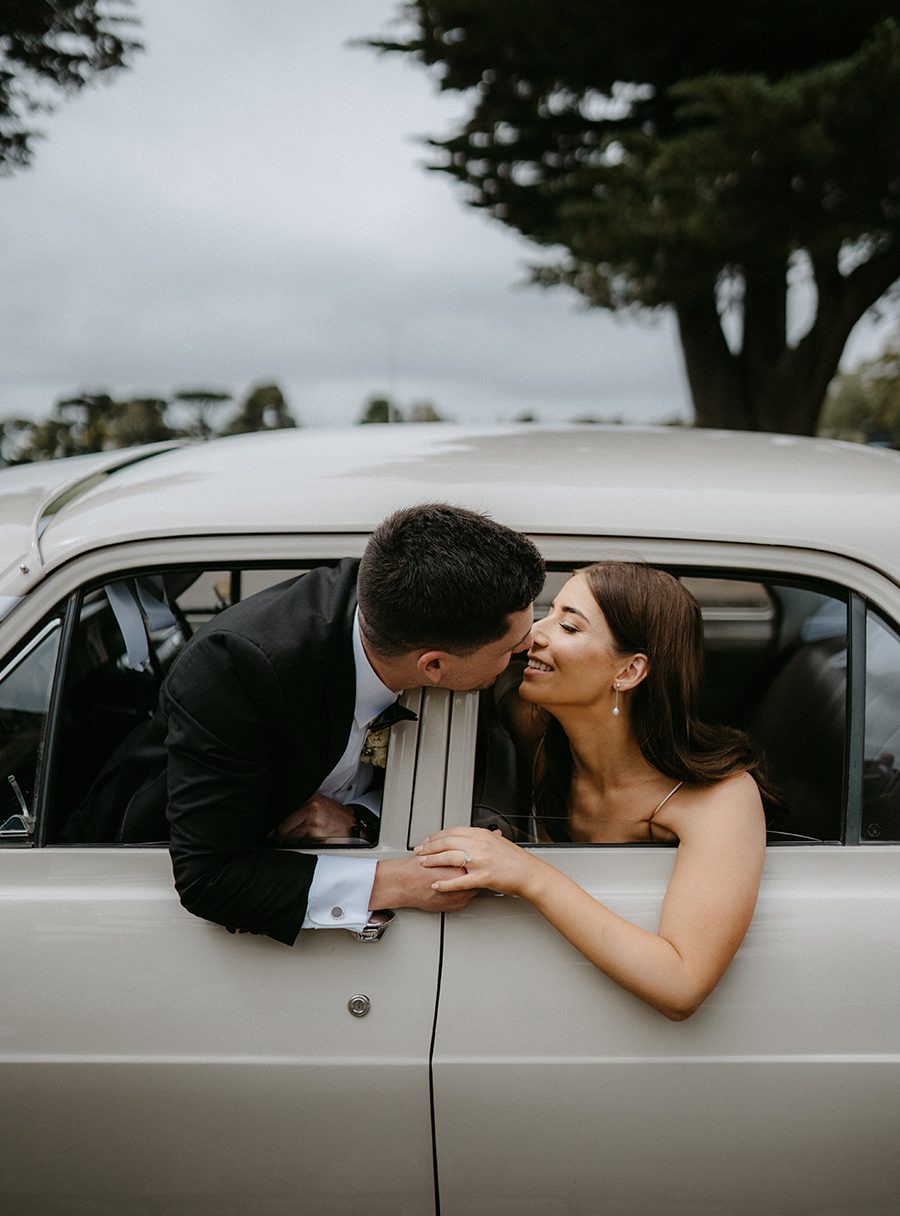

WUU00550

Sunset shooting at Point Ormond, Melbourne

Capturing the Magic of Sunset at Melbourne’s Point Ormond

Point Ormond, a scenic lookout in Melbourne’s Elwood neighborhood, offers breathtaking panoramic views of Port Phillip Bay and the city skyline. As the sun dips below the horizon, the sky transforms into a canvas of warm oranges, pinks, and purples, making it a dream location for sunset photography. Here’s how to make the most of your shoot at this iconic spot.

wedding photography melbourne

Timing Your Visit for the Perfect Light

The key to stunning sunset photos lies in arriving early and staying late to capture the full spectrum of colors.

Arriving Before Sunset:

Plan to arrive at least 30 minutes before the official sunset time to set up your equipment and scout locations. This allows you to photograph the pre-sunset glow, when the sky begins to warm up with soft golden tones. Use this time to test compositions and adjust settings, ensuring you’re ready when the main event begins.

The Golden Hour and Beyond:

The golden hour—the period shortly after sunrise or before sunset—casts a magical, diffused light that enhances textures and colors. At Point Ormond, this light bathes the bay in a warm glow, creating long shadows and a serene atmosphere. After the sun dips below the horizon, don’t pack up immediately; the blue hour (the twilight phase) offers cool, moody tones that contrast beautifully with the remaining warmth in the sky.

Checking Weather Conditions:

Clear skies are ideal for vibrant sunsets, but don’t dismiss partly cloudy days. Clouds act as natural diffusers, scattering sunlight and creating dramatic patterns in the sky. Use weather apps or online forecasts to track cloud cover and plan accordingly. Even on overcast days, the horizon can erupt in unexpected bursts of color during the final minutes of sunlight.

Composing Shots with the Skyline and Bay

Point Ormond’s elevated vantage point lets you incorporate Melbourne’s skyline, the bay, and the coastline into your compositions.

Balancing Foreground and Background:

Include elements like rocks, benches, or coastal vegetation in the foreground to add depth and scale to your images. For example, position a rock formation in the lower third of the frame, with the skyline and sunset visible in the background. This technique anchors the viewer’s eye while showcasing the vastness of the scene.

Using Leading Lines:

The curved pathways and fences at Point Ormond create natural leading lines that draw the eye toward the horizon. Stand at the edge of a pathway or align your camera with a fence to emphasize perspective and guide the viewer’s gaze toward the sunset. This works particularly well when the sun is low, as the lines converge at the vanishing point.

Experimenting with Silhouettes:

Silhouettes add drama and mystery to sunset photos. Position subjects (such as people, trees, or structures) between your camera and the sun to capture their dark outlines against the bright sky. For best results, expose for the sky, letting the foreground fall into shadow. This technique works wonders with the Melbourne skyline, highlighting its iconic buildings as stark, striking shapes.

Capturing Movement and Reflections

The bay’s gentle waves and occasional boats provide opportunities to photograph motion and reflections.

Long Exposures for Smooth Water:

Use a tripod and a slow shutter speed (1/15th of a second or slower) to blur the movement of waves, creating a silky, mirror-like effect on the water’s surface. This technique emphasizes the calmness of the scene and contrasts with the dynamic colors of the sky. If shooting during twilight, adjust your ISO and aperture to compensate for lower light levels.

Freezing Action with Fast Shutter Speeds:

If you want to capture the sparkle of sunlight on the water or the splash of waves, switch to a faster shutter speed (1/500th of a second or higher). This freezes motion, preserving crisp details in the ripples and reflections. Look for patterns in the water, such as the wake from a passing boat, to add visual interest to your shots.

Reflective Surfaces and Symmetry:

Wet sand or still pockets of water near the shore can act as natural mirrors, reflecting the sky and skyline. Position your camera low to the ground to emphasize these reflections, creating symmetrical compositions that double the impact of the sunset. If the tide is out, walk along the water’s edge to find the best reflective spots.

Respecting the Space and Staying Safe

Point Ormond is a popular spot for locals and tourists alike, so it’s important to photograph responsibly and safely.

Staying on Designated Paths:

Stick to marked walkways and viewing areas to avoid damaging coastal vegetation or eroding the landscape. Some sections of the cliff may be unstable, so avoid venturing too close to the edge, especially when carrying equipment. Respect any “No Trespassing” signs or barriers put in place for safety.

Being Mindful of Others:

Sunset at Point Ormond can draw crowds, so be patient and courteous when setting up your shot. Avoid blocking pathways or obstructing others’ views of the sunset. If shooting portraits or timed exposures, work quickly to minimize your time in high-traffic zones.

Packing Out Trash and Leaving No Trace:

Bring a bag to collect any trash you generate, and pick up litter left by others if possible. Avoid leaving props or equipment behind, and refrain from moving rocks or driftwood for your shots. By preserving the area’s natural beauty, you help ensure it remains a pristine location for future photographers.

By following these tips, you’ll capture the enchanting beauty of Point Ormond’s sunsets, creating images that reflect both the vibrancy of Melbourne’s coastline and the tranquility of the moment. Whether you’re focusing on landscapes, cityscapes, or creative compositions, a thoughtful approach ensures your photos stand out.


wedding photography melbourne

Photographed at the Rainbow House in Brighton, Melbourne

Capturing Vibrant Moments at Melbourne’s Brighton Bathing Boxes

Melbourne’s Brighton Bathing Boxes, a row of colorful wooden huts lining the beach, offer a playful and iconic backdrop for photography. With their bright hues, sandy shores, and endless ocean views, these structures provide endless creative opportunities. Here’s how to make the most of your shoot at this beloved coastal spot.

wedding photography melbourne

Choosing the Right Time of Day for Lighting

The quality of light can transform the mood of your photos, so timing your visit to Brighton Bathing Boxes is key.

Golden Hour Magic:

Shoot during sunrise or sunset for soft, warm lighting that enhances the colors of the bathing boxes. The low angle of the sun creates long shadows, adding depth and dimension to your compositions. Position your subjects with the sun behind them for a gentle backlight effect, or face them toward the light for a radiant glow.

Midday Challenges and Solutions:

Midday sunlight can be harsh, casting strong shadows and washing out colors. To mitigate this, look for shaded areas near the bathing boxes, such as under awnings or beside taller structures. Alternatively, use a reflector to bounce light onto your subjects’ faces, balancing the exposure. If shooting portraits, ask your subjects to turn slightly away from the sun to avoid squinting.

Overcast Days for Even Tones:

Cloudy skies diffuse sunlight, creating soft, flattering light with minimal shadows. This is ideal for capturing detailed shots of the bathing boxes’ textures and patterns without worrying about harsh contrasts. Overcast weather also allows you to shoot at any time of day without adjusting settings drastically, making it a versatile option.

Composing Shots with Color and Pattern

The bathing boxes’ vibrant palette and uniform rows offer endless ways to play with color and composition.

Leading Lines and Perspective:

Use the line of bathing boxes to guide the viewer’s eye through the image. Stand at one end of the row and shoot straight down the line, emphasizing their repetition and symmetry. For a dynamic twist, shoot from a low angle to make the boxes appear taller, or from a high vantage point to showcase their arrangement against the ocean.

Framing with Doors and Windows:

Many bathing boxes feature unique doors, windows, or decorations. Use these elements to frame your subjects or focal points. For example, position a couple inside an open doorway, with the beach visible in the background, or capture a detail shot through a colorful window frame. This adds layers and context to your photos.

Playing with Color Contrast:

Highlight the vibrancy of the bathing boxes by positioning subjects in contrasting outfits. For instance, a person in a white dress will stand out against a bold-colored box, while a red outfit can pop against a neutral-toned background. Experiment with complementary colors (e.g., blue and orange) to create visually striking images.

Incorporating the Beach and Ocean into Your Shots

The sandy shore and endless horizon provide natural elements to enhance your compositions.

Foreground Interest:

Add depth to your photos by including beach elements in the foreground, such as seashells, driftwood, or footprints in the sand. Position these items near the bottom of your frame to draw the eye into the scene. For a creative touch, use a wide-angle lens to exaggerate the size of foreground objects relative to the bathing boxes.

Dynamic Water Shots:

If the tide is in, capture the ocean’s movement by using a slower shutter speed (1/30th of a second or slower) to create a silky, blurred effect on the waves. This technique adds a sense of calm and fluidity to your images. For sharper water shots, use a faster shutter speed (1/500th of a second or higher) to freeze the action of crashing waves.

Horizon Placement:

When including the ocean in your shots, be mindful of horizon placement. For a balanced composition, position the horizon one-third of the way up or down the frame, following the rule of thirds. Avoid placing the horizon in the center, as this can make the image feel static. If the sky is particularly dramatic (e.g., during sunset), give it more space in the frame to emphasize its beauty.

Respecting the Space and Local Rules

Brighton Bathing Boxes are a cherished part of Melbourne’s coastal heritage, so it’s important to photograph them respectfully.

Staying on Public Paths:

Stick to designated walkways and public areas when moving around the bathing boxes. Avoid climbing on or entering private boxes unless explicitly permitted, as many are owned by individuals or families. Respect any “No Trespassing” signs or barriers to preserve the site’s integrity.

Minimizing Disruption:

Be mindful of others enjoying the beach, whether they’re tourists, locals, or photographers. Keep noise levels down, avoid blocking pathways, and be patient if waiting for a clear shot. If shooting portraits, work quickly and efficiently to minimize your time in high-traffic areas.

Leaving No Trace:

Pack out all trash, including food wrappers, water bottles, and any props you bring. Avoid moving or rearranging beach elements like rocks or driftwood for your shots, as this can disrupt the natural environment. By leaving the area as you found it, you help protect Brighton’s beauty for future visitors.

By following these tips, you’ll create vibrant, memorable photos at Brighton Bathing Boxes that capture both their colorful charm and coastal serenity. Whether you’re focusing on architecture, portraits, or landscapes, a thoughtful approach ensures your images honor this iconic Melbourne landmark.

WUU00328

Notes for shooting St. Paul’s Cathedral in Melbourne

Essential Tips for Photographing Melbourne’s St. Paul’s Cathedral

Melbourne’s St. Paul’s Cathedral, with its Gothic Revival architecture and stunning stained-glass windows, is a breathtaking location for photography. Whether you’re capturing a wedding, a portrait session, or architectural details, understanding the best practices for shooting here ensures your images stand out. Here’s what to keep in mind.

wedding photography melbourne

Lighting Considerations for Interior Shots

The cathedral’s interior is dimly lit, relying heavily on natural light filtering through stained glass and artificial chandeliers. To avoid overly dark or grainy photos, adjust your camera settings accordingly.

Maximizing Natural Light:

Shoot during daylight hours when sunlight streams through the windows, casting colorful patterns on the floors and walls. Position your subjects near these light sources to highlight their features while maintaining the cathedral’s ambient mood. Avoid using flash, as it can disrupt the serene atmosphere and create harsh reflections on glass surfaces.

Balancing Exposure:

The contrast between bright windows and shadowy corners can challenge your camera’s dynamic range. Use exposure bracketing to capture multiple shots at different exposure levels, then blend them in post-processing for a balanced result. Alternatively, manually adjust your ISO and aperture to retain detail in both highlights and shadows.

Low-Light Techniques:

If shooting in dimmer areas, stabilize your camera with a tripod to prevent blur from slow shutter speeds. Increase your ISO slightly, but be mindful of noise—modern cameras handle higher ISOs better than older models. For handheld shots, opt for a wider aperture (e.g., f/2.8 or lower) to let in more light while keeping the subject sharp.

Composing with Architectural Elements

St. Paul’s Cathedral is rich with intricate details, from soaring arches to ornate carvings. Use these features to frame your shots and add depth to your compositions.

Leading Lines and Symmetry:

The cathedral’s nave and aisles create natural leading lines that draw the eye toward the altar or a focal point. Stand at the center of the aisle and shoot straight ahead to emphasize the space’s grandeur. For symmetry, position your subject equidistant from pillars or arches, creating a balanced, harmonious image.

Framing with Doorways and Windows:

Use the cathedral’s doorways, arches, or stained-glass windows as frames for your subjects. For example, place the couple inside a doorway, with the cathedral’s exterior visible in the background, or capture a portrait through a window to add layers and context. This technique adds visual interest and connects the subject to the setting.

Capturing Details:

Zoom in on smaller elements like carved stone faces, wooden pews, or patterned floor tiles. These shots tell a story of the cathedral’s history and craftsmanship. Use a macro lens or your camera’s macro mode to capture fine textures, and shoot from a low angle to emphasize their scale.

Respecting the Space and Its Rules

St. Paul’s Cathedral is a place of worship, so it’s crucial to photograph respectfully and adhere to any guidelines provided by staff.

Quiet and Discreet Shooting:

Keep noise to a minimum, especially during services or events. Avoid using loud equipment or moving furniture, and be mindful of others praying or touring the space. If using a tripod, set it up quickly and avoid blocking pathways.

Permission for Commercial Use:

If you plan to use your photos for commercial purposes (e.g., selling prints, advertising, or publishing in a magazine), check whether you need permission from the cathedral’s administration. Some religious sites restrict commercial photography to protect their intellectual property and privacy.

Dress Code and Behavior:

Dress modestly out of respect for the cathedral’s sacred nature. Avoid revealing clothing or accessories that might distract from the setting. Similarly, refrain from eating, drinking, or smoking inside, and dispose of trash properly.

Timing Your Visit for Optimal Conditions

The time of day and week can significantly impact your photography experience at St. Paul’s Cathedral.

Avoiding Crowds:

Early mornings or weekdays are often less busy than weekends or holidays, giving you more space to compose shots without interruptions. If shooting during peak hours, be patient and wait for gaps in foot traffic to capture cleaner images.

Weather and Lighting Outside:

For exterior shots, overcast days provide soft, even lighting that minimizes harsh shadows and highlights. If shooting in sunlight, position your subjects in shade or use a reflector to bounce light onto their faces. Sunset and sunrise offer warm, golden tones that enhance the cathedral’s stone facade.

Special Events and Closures:

Check the cathedral’s calendar for events like concerts, weddings, or religious ceremonies, as these may restrict photography access. Similarly, confirm opening hours, as some areas might be closed for restoration or private functions.

By following these tips, you’ll capture stunning, respectful images of St. Paul’s Cathedral that highlight its architectural beauty and spiritual significance. Whether you’re focusing on grand vistas or intimate details, a thoughtful approach ensures your photos honor both the space and its purpose.