wedding photography melbourne

Wedding photography tips at Carlton Garden in Melbourne

Mastering Wedding Photography in Melbourne’s Carlton Gardens: A Guide to Timeless Shots

Carlton Gardens, a UNESCO World Heritage Site nestled in Melbourne’s urban heart, offers a blend of Victorian grandeur and lush natural beauty. Its iconic Royal Exhibition Building, serene lakes, and symmetrical tree-lined avenues make it a top choice for couples seeking romantic, story-driven wedding imagery. To capture its magic, photographers must balance technical precision with creative spontaneity. Here’s how to elevate your shots in this historic landscape.
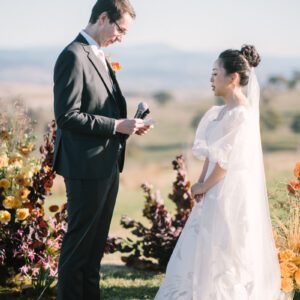
wedding photography melbourne
PixCake

Leverage the Garden’s Architectural Backdrops

The Royal Exhibition Building’s domed structure and intricate facades provide a dramatic contrast to soft, natural elements. Position couples near the building’s grand staircase or under its arched colonnades during golden hour for silhouettes framed by warm sunlight. For dynamic compositions, use the building’s symmetry as a guide—place the couple off-center to add depth, or capture reflections in nearby puddles after rain.

During midday, seek shade under the building’s porticos to avoid harsh shadows. Alternatively, use the fountain adjacent to the structure as a focal point, incorporating its cascading water into candid moments of laughter or shared glances. The interplay of stone and water creates a timeless, elegant atmosphere.

Embrace the Gardens’ Natural Elements

Carlton Gardens’ 26 hectares of greenery offer endless opportunities for organic storytelling. The avenues of mature elm trees create natural tunnels of light, perfect for leading lines that draw the eye toward the couple. Encourage them to walk hand-in-hand down these paths, capturing motion blur for a dreamy effect.

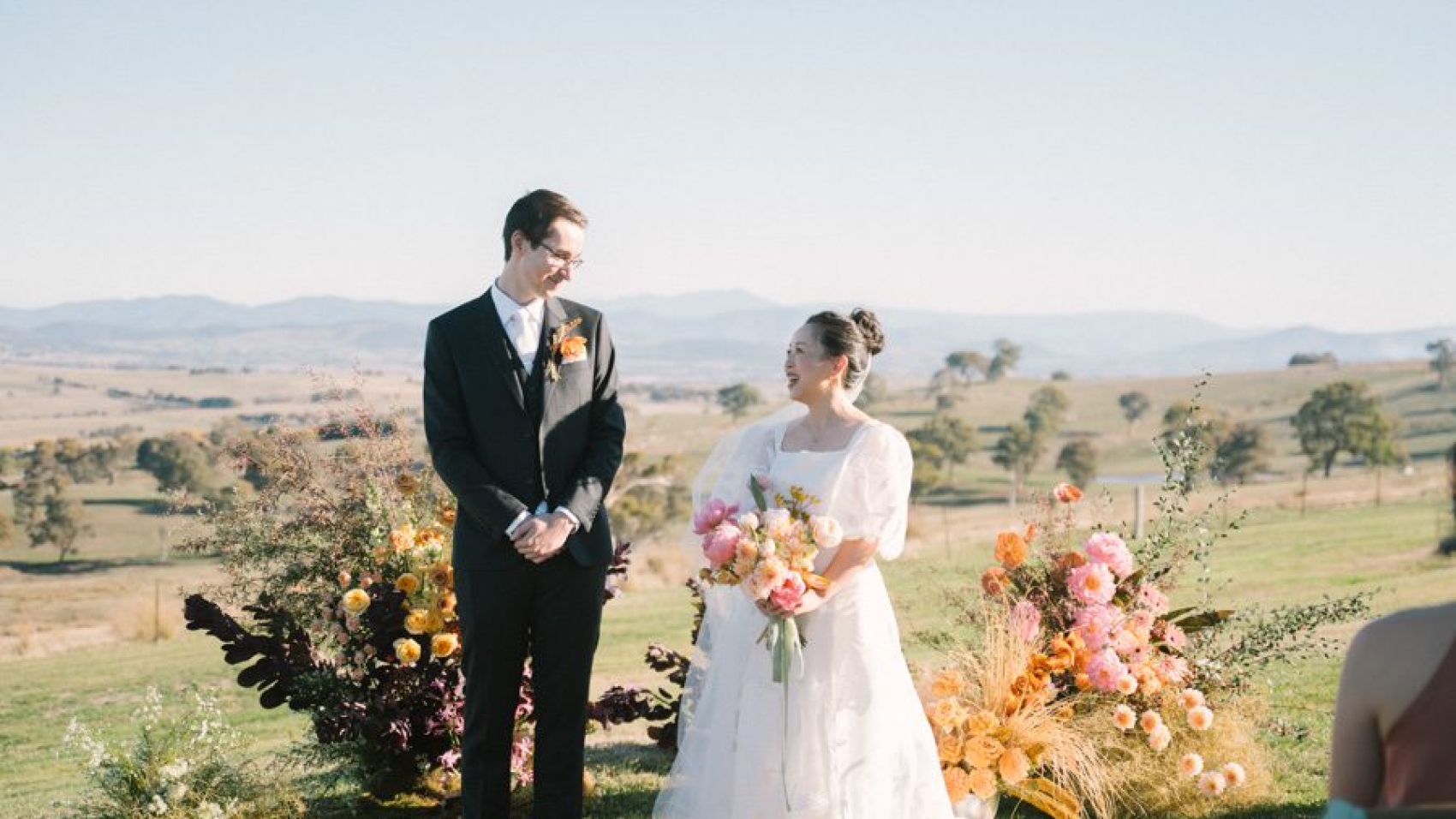
In spring, the gardens burst with blooming flowers, while autumn’s golden foliage adds warmth to portraits. Use macro lenses to highlight delicate petals or dew drops on leaves, weaving these details into the broader narrative. For a playful twist, incorporate props like vintage bicycles or parasols, blending whimsy with the garden’s classic charm.

Timing and Lighting Strategies

Early mornings offer soft, diffused light ideal for intimate portraits, while late afternoons cast a golden glow over the landscape. Avoid midday sun, which can create harsh contrasts; instead, use reflectors or diffusers to balance exposure. On overcast days, embrace the moodier tones, focusing on emotional close-ups rather than expansive vistas.

Capture Candid Moments Amidst the Scenery

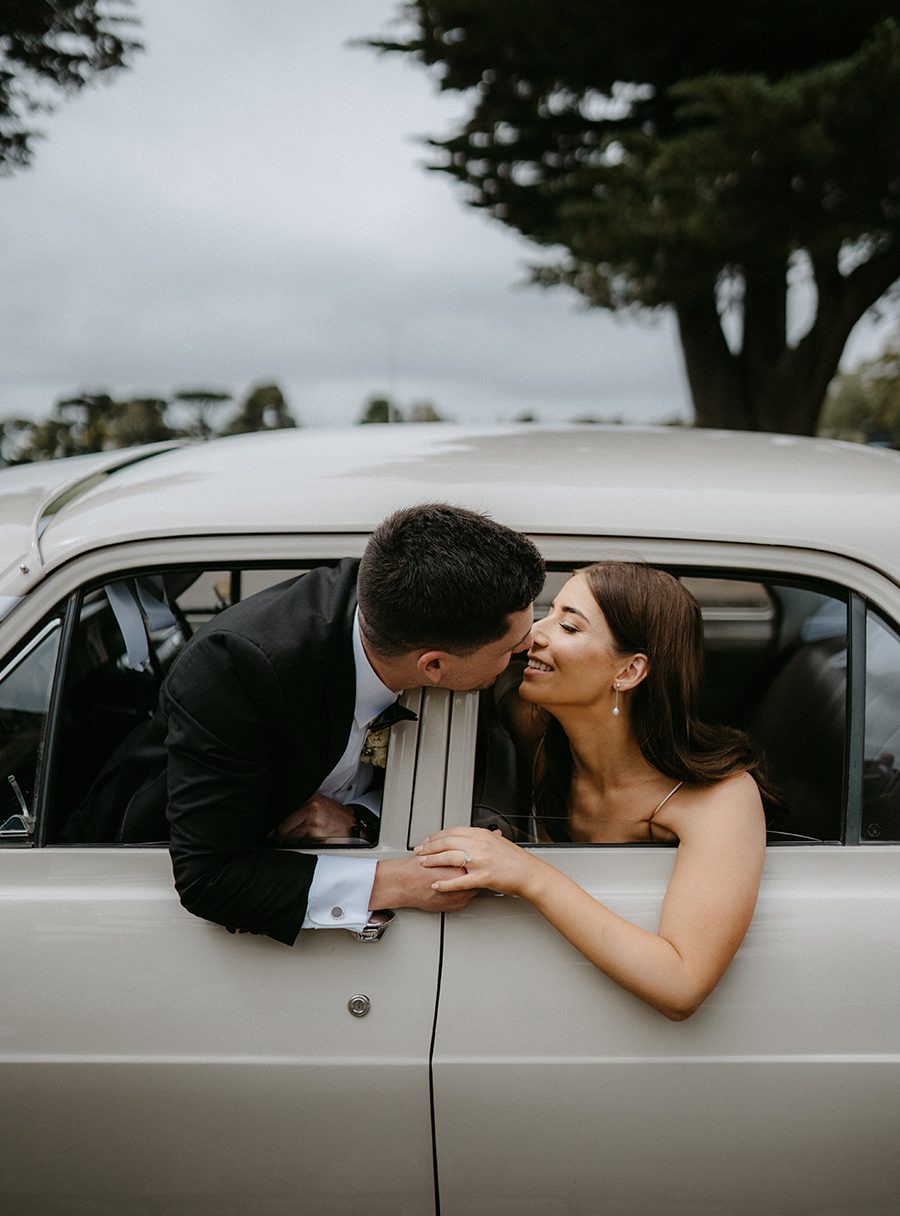
The gardens’ tranquil ambiance encourages genuine interactions. Position the couple near the ornamental lake, capturing stolen kisses as ducks glide by, or photograph them sharing a quiet moment on a bench beneath a canopy of leaves. These unscripted shots often become the most cherished memories.

For group photos, use the garden’s open lawns to arrange the bridal party in relaxed formations. Incorporate movement by asking them to toss confetti or dance, freezing the joy mid-air. During receptions, wander the gardens with a second shooter to document guests exploring the grounds, creating a candid album of shared laughter and exploration.

Navigating Challenges in Outdoor Shoots

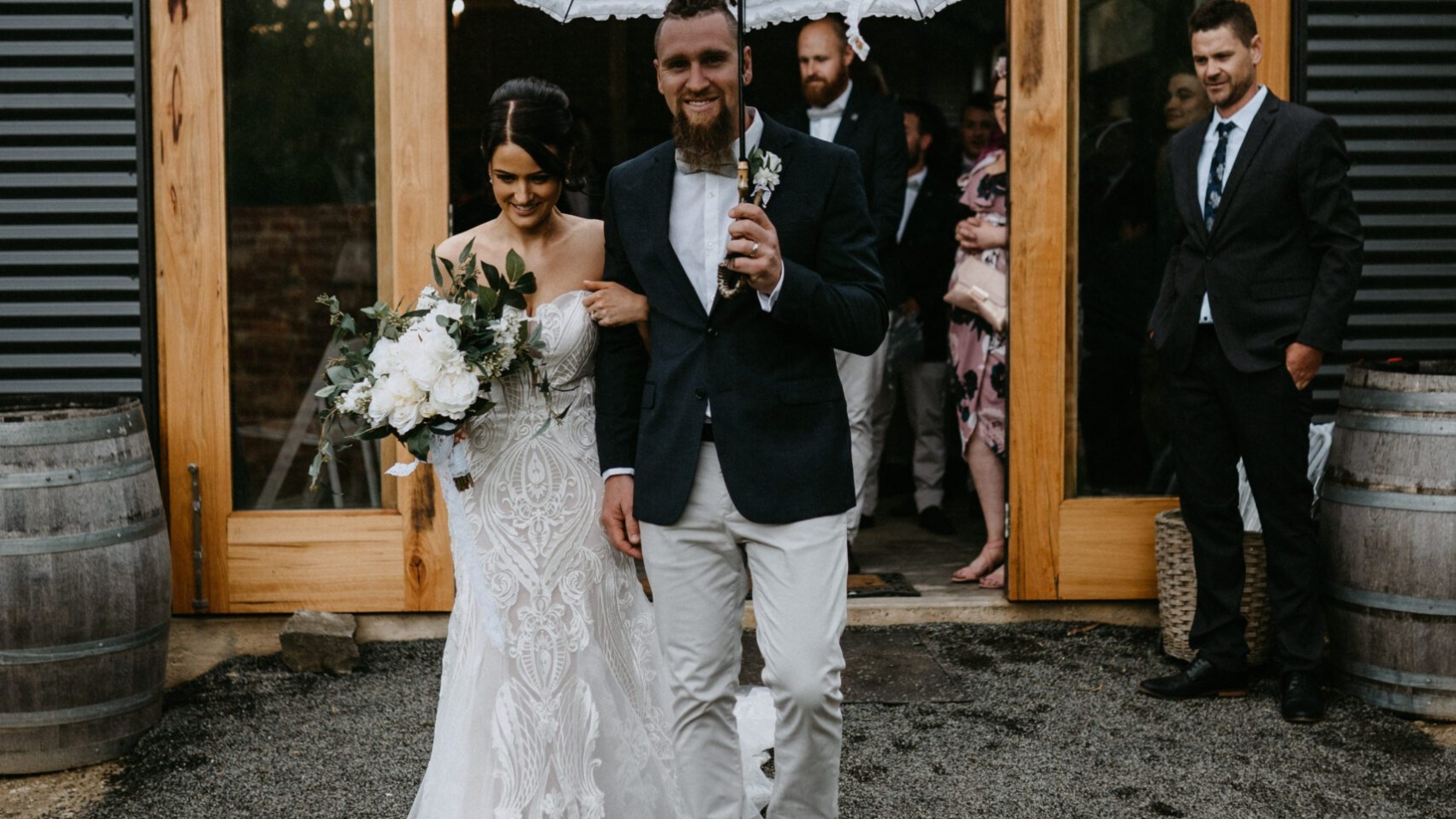
Weather can be unpredictable, so always have a backup plan. Umbrellas double as props and protection, while transparent canopies add a romantic touch to rainy-day shots. In winter, keep spare batteries warm to prevent drainage, and use the crisp air to your advantage—steam from breath or bundled-up attire can add texture to images.

For high-traffic periods, arrive early to secure prime spots near the fountain or building. Communicate with garden staff to respect any photography restrictions, ensuring a smooth session.

Final Thoughts: Crafting a Narrative Through Scenery

Carlton Gardens’ beauty lies in its ability to adapt to any vision, whether grand or understated. By blending its architectural marvels with natural serenity, photographers can craft albums that feel both timeless and deeply personal. The key is to observe, adapt, and let the garden’s spirit guide the lens—transforming each click into a chapter of love’s enduring story.
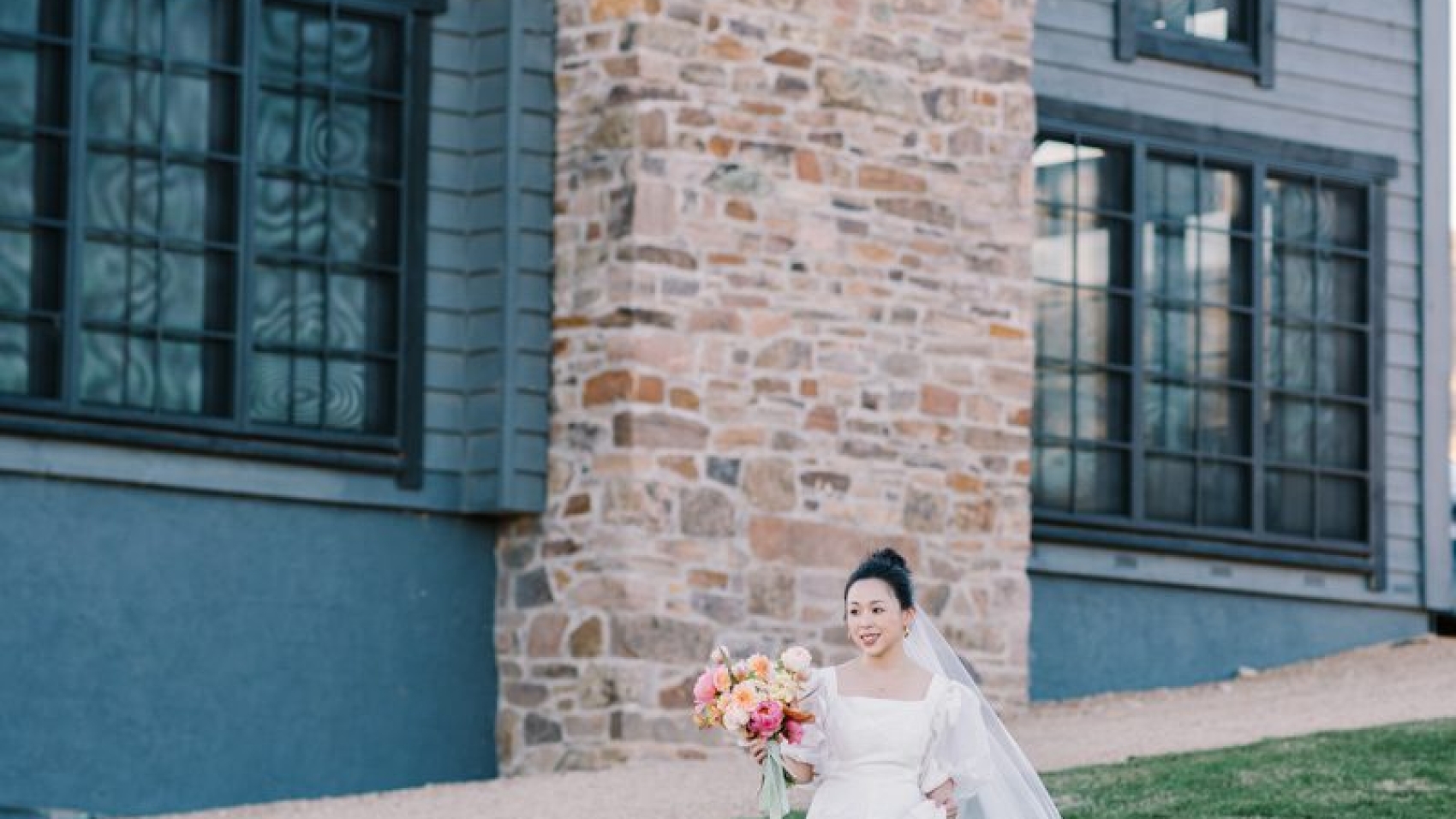
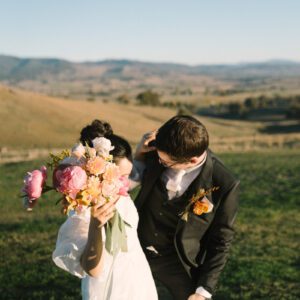
wedding photography melbourne

Progress control of wedding photography in Melbourne

Managing Wedding Photography Timelines in Melbourne: A Strategic Approach

Wedding photography in Melbourne demands precision, adaptability, and clear communication to ensure every moment is captured without delays. From coordinating with vendors to adjusting to unpredictable weather, effective timeline management is critical. Here’s how to structure your workflow for seamless execution.

wedding photography melbourne

Creating a Detailed Pre-Event Schedule

A well-planned timeline starts days before the wedding, aligning with the couple’s vision and logistical needs.

Initial Consultation and Itinerary Drafting

Begin by discussing the couple’s priorities, such as must-have shots, family groupings, and cultural traditions. Use this information to draft a preliminary timeline that includes key milestones:

  • Getting-Ready Coverage: Allocate time for hair, makeup, and candid moments in both locations.
  • Ceremony Timing: Confirm start and end times, accounting for religious or cultural rituals.
  • Portrait Sessions: Schedule blocks for formal portraits, bridal party photos, and couple shots, ensuring ample time for creativity.
  • Reception Flow: Map out speeches, dances, cake cutting, and other events to avoid missing critical moments.

Venue Scouting and Lighting Analysis

Visit the ceremony and reception venues ahead of time to assess lighting conditions and spatial constraints:

  • Natural Light Patterns: Note the direction and intensity of sunlight during key hours, especially for outdoor ceremonies or portraits.
  • Indoor Lighting Challenges: Identify areas with harsh fluorescent lighting or low ambient light, planning for supplemental gear like flashes or LED panels.
  • Backup Plans: Prepare for inclement weather by scouting indoor alternatives or tent setups for outdoor events.

Day-Of Coordination and Flexibility

On the wedding day, adaptability is key. Unforeseen circumstances—like traffic delays or last-minute schedule changes—require quick thinking to keep the timeline on track.

Streamlining Transitions Between Locations

Minimize downtime by optimizing travel routes and loading equipment efficiently:

  • Transportation Logistics: Coordinate with drivers or rideshare services to ensure punctual arrival at each venue.
  • Equipment Prep: Pack gear in labeled bags for easy access during transitions, prioritizing lenses, batteries, and memory cards.
  • Buffer Time: Build 15–20-minute buffers between segments to accommodate delays without stressing the schedule.

Real-Time Adjustments for Lighting and Crowds

Monitor environmental factors and crowd dynamics to maintain shot quality:

  • Golden Hour Timing: If planning sunset portraits, track the exact time of sunset and adjust the itinerary to maximize soft, warm light.
  • Crowd Management: Guide family members and guests during group photos to keep sessions organized and efficient.
  • Noise Control: For video recordings, position microphones strategically to avoid background chatter during vows or speeches.

Post-Wedding Workflow Optimization

After the event, efficient post-production processes ensure timely delivery of final images without compromising quality.

Organized File Management and Backup

Protect your work by implementing a systematic approach to storing and editing photos:

  • Immediate Backups: Transfer files to multiple external drives or cloud storage upon returning from the wedding.
  • Culling Strategy: Quickly sort through images, marking favorites and discarding duplicates to streamline editing.
  • Edit Consistency: Use presets or action sets to maintain a cohesive aesthetic across all photos, reducing time spent on individual adjustments.

Client Communication and Delivery Timelines

Set clear expectations for when couples can expect their photos or videos:

  • Sneak Peeks: Share a handful of edited images within 48 hours to keep clients excited and engaged.
  • Final Gallery Deadlines: Provide a realistic timeframe for delivering the complete gallery, typically 4–6 weeks post-wedding.
  • Feedback Loops: Encourage clients to review and request minor edits promptly to avoid last-minute revisions.

Learning and Improving for Future Shoots

Reflect on each wedding to refine your approach for future events:

  • Post-Event Debrief: Note what worked well and what could be improved, such as timing adjustments or gear upgrades.
  • Client Surveys: Gather feedback to understand their experience and identify areas for growth.
  • Industry Trends: Stay updated on new techniques or tools that could enhance efficiency, such as AI-assisted culling software or faster editing workflows.

By prioritizing preparation, adaptability, and post-event organization, Melbourne wedding photographers can deliver exceptional results while maintaining stress-free timelines. This structured approach ensures every couple receives a beautiful, timeless collection of memories.

80883-Wu-1097

The debugging process of wedding photography equipment in Melbourne

Melbourne Wedding Photography Equipment Setup and Adjustment Guide

Preparing for a wedding shoot in Melbourne requires meticulous attention to equipment setup and adjustment. From ensuring stable footage to capturing natural lighting, every detail contributes to creating timeless memories. Below is a step-by-step guide to optimizing your gear for wedding photography and videography.

wedding photography melbourne

Pre-Shoot Equipment Checklist

Before arriving at the venue, verify that all devices are fully functional and properly configured. This minimizes delays and ensures seamless operation during critical moments.

Camera and Lens Configuration

  • Battery and Storage: Charge all batteries and carry spares. Insert high-capacity memory cards formatted to avoid errors during recording.
  • Lens Selection: Pack a versatile lens combination, such as a wide-angle zoom for capturing group shots and dynamic environments, and a telephoto prime for intimate close-ups. Ensure lenses are clean and free of dust or smudges.
  • Sensor Cleaning: Use a blower brush to remove debris from the camera sensor, preventing spots or blemishes in photos.

Stabilization Systems

  • Tripod Setup: For static shots, such as ceremony coverage or posed portraits, use a sturdy tripod with adjustable legs. Test its stability on uneven surfaces to avoid wobbling.
  • Gimbal or Steadicam: When shooting handheld or moving sequences, enable electronic image stabilization (EIS) or mechanical stabilization systems. Adjust balance settings to suit the camera’s weight distribution.
  • External Monitor: Connect a portable monitor to check framing and focus accuracy, especially in bright outdoor conditions where the camera’s LCD may be hard to see.

Lighting and Exposure Adjustments

Wedding venues often transition between indoor and outdoor settings, requiring flexible lighting solutions to maintain consistent image quality.

Natural Light Optimization

  • White Balance Calibration: Switch to manual white balance mode and adjust settings based on the dominant light source (e.g., daylight, tungsten, or fluorescent). Use a gray card for precise calibration.
  • Exposure Triangle: Balance aperture, shutter speed, and ISO to achieve optimal exposure. For outdoor ceremonies, prioritize a fast shutter speed (1/500s or higher) to freeze motion, while indoor receptions may require wider apertures (f/2.8–f/4) to compensate for lower light.
  • Dynamic Range Management: Enable HDR mode if available to retain details in high-contrast scenes, such as brides in white gowns against dark backgrounds.

Artificial Lighting Techniques

  • Continuous LED Lights: Position portable LED panels to fill shadows or highlight key subjects. Use diffusers to soften harsh light and create a flattering glow.
  • Flash Synchronization: When using off-camera flashes, sync them with the camera’s shutter speed to avoid black bands in photos. Test TTL (Through-The-Lens) metering for automatic exposure adjustments.
  • Reflectors and Bounce Cards: Redirect natural light onto subjects’ faces using white or silver reflectors. For indoor shoots, bounce flash off ceilings or walls to mimic ambient lighting.

Audio and Recording Setup

Clear audio is essential for wedding videos, especially during vows, speeches, and interviews. Proper microphone placement and noise reduction techniques enhance clarity.

Microphone Configuration

  • Lavalier Mics: Clip wireless lavalier microphones onto the groom’s lapel and bride’s bouquet for discreet, high-quality audio. Test signal strength and battery levels before the ceremony.
  • Shotgun Mics: Mount shotgun microphones on cameras or boom poles to capture directional sound, such as the officiant’s voice during the ceremony. Position them close to the sound source while avoiding visual obstruction.
  • External Recorders: Use portable audio recorders with XLR inputs for backup tracks. Sync audio with video during post-production using timecode or clapperboards.

Wind and Background Noise Reduction

  • Windscreens: Attach foam windscreens to microphones to minimize wind interference during outdoor shoots. For extreme conditions, use furry “deadcat” covers.
  • Ambient Noise Monitoring: Wear headphones to monitor audio levels in real-time. Adjust gain settings to prevent clipping or distortion, especially in noisy environments like receptions.

Final System Integration and Testing

Before the wedding begins, conduct a full system test to ensure all components work harmoniously. This step prevents technical glitches during critical moments.

Multi-Camera Synchronization

  • Timecode Integration: If using multiple cameras, enable timecode synchronization to align footage during editing. This is crucial for seamless cuts between angles.
  • Framing Consistency: Check that all cameras share similar framing styles (e.g., headroom, eye-level perspectives) to maintain visual coherence across shots.

Backup and Redundancy

  • Dual Memory Cards: Configure cameras to record simultaneously to two memory cards, safeguarding against data loss due to corruption or accidental formatting.
  • Secondary Gear: Pack backup batteries, lenses, and cables in a separate bag. Label equipment clearly to avoid confusion during quick changes.

Real-World Simulation

  • Dry Run: Rehearse key sequences, such as the processional or first dance, to test equipment performance under pressure. Adjust settings as needed based on lighting changes or movement patterns.

By following this guide, Melbourne wedding photographers and videographers can ensure their equipment is optimized for any scenario, from sunlit outdoor ceremonies to dimly lit reception halls. Attention to detail during setup translates to flawless execution on the big day.