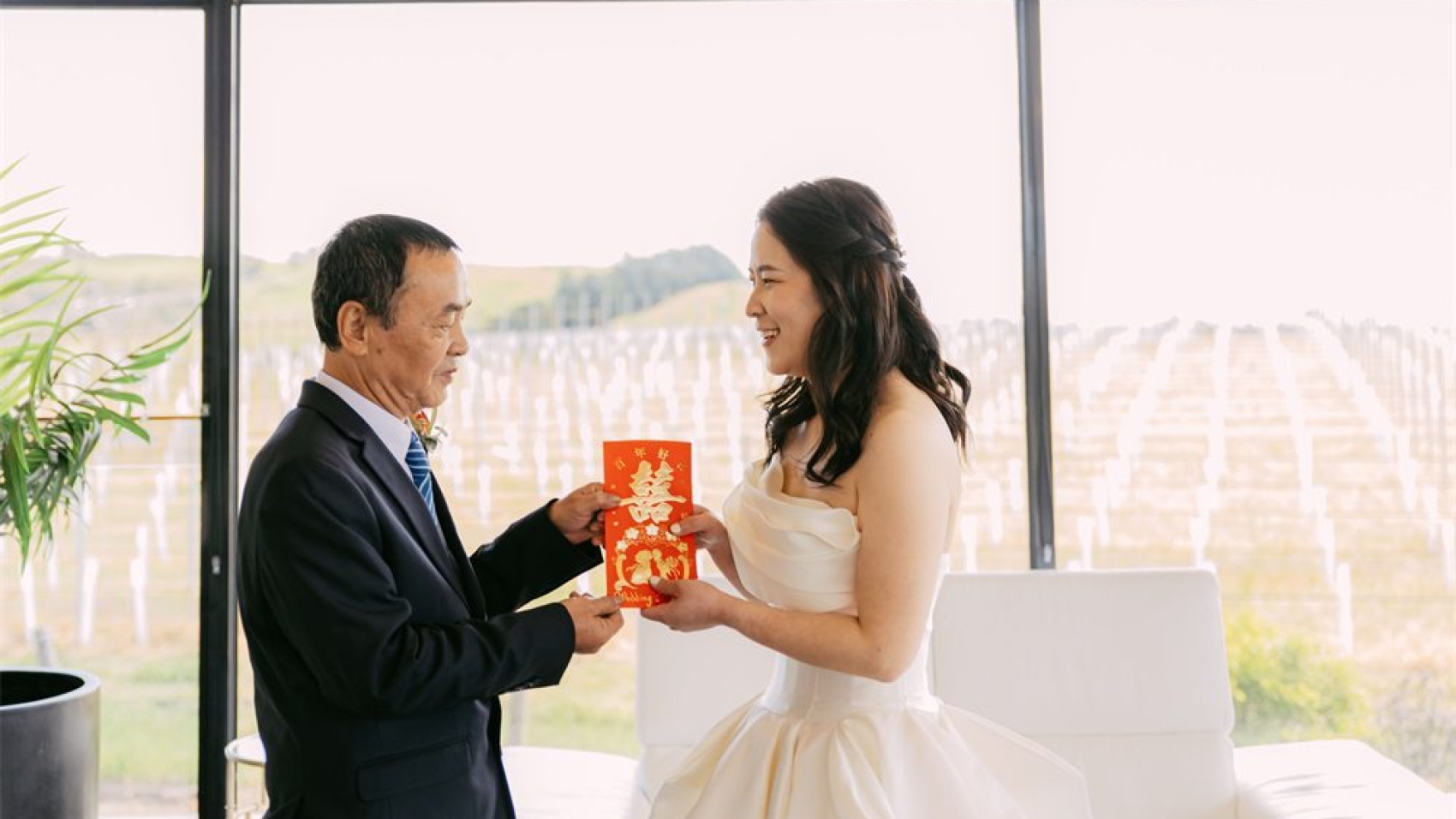
z&d-sp-0059

Get ready for the outdoor wedding shoot in Melbourne

Preparing for Your Melbourne Outdoor Wedding Photoshoot: Essential Steps for a Smooth Experience

An outdoor wedding photoshoot in Melbourne offers stunning backdrops, from coastal vistas to urban landscapes. However, unpredictable weather and logistical challenges can disrupt your plans if you’re unprepared. To ensure your session runs seamlessly, focus on practical preparations that address comfort, timing, and creativity. Here’s how to get ready for a memorable day.
wedding photography melbourne

Packing the Right Essentials

Outdoor shoots require thoughtful packing to handle Melbourne’s variable climate and ensure you look your best throughout the session.

Clothing and Accessories

  • Layered Outfits: Melbourne’s weather can shift quickly. Bring lightweight jackets, shawls, or cardigans to stay warm during chilly breezes without compromising style.
  • Comfortable Footwear: Opt for shoes that blend style and practicality. Wedges or low heels work better on uneven terrain (like grass or sand) than stilettos.
  • Backup Attire: Pack a spare outfit or accessories in case of unexpected spills, tears, or sudden rain.

Key Consideration: If your shoot includes multiple locations, choose outfits that transition easily—for example, a dress that looks elegant in a park and chic by the waterfront.

Beauty and Grooming

  • Touch-Up Kit: Include blotting papers, lipstick, powder, and hairspray to manage shine or flyaways between shots.
  • Sun Protection: Apply waterproof sunscreen before the shoot and carry a travel-sized bottle for reapplication, especially if you’ll be in direct sunlight.
  • Hydration and Snacks: Stay energized with water bottles and light snacks like nuts or fruit to avoid fatigue during long sessions.

Pro Tip: Avoid trying new skincare or hair products the day before your shoot to prevent irritation or unexpected reactions.

Timing and Location Logistics

Melbourne’s lighting and crowds vary by time of day and location, so plan strategically to maximize your photos’ quality.

Golden Hour Scheduling

  • Early Morning or Late Afternoon: These periods offer soft, flattering light that minimizes harsh shadows. Discuss timing with your photographer to align with their creative vision.
  • Seasonal Adjustments: In winter, golden hour may occur earlier; in summer, it lasts longer. Use a sun calculator app to track exact times for your shoot date.

Scouting Locations in Advance

  • Visit Sites Beforehand: Walk through your chosen locations to identify ideal spots for portraits, group shots, and creative angles.
  • Check Permits: Some Melbourne parks or private venues require photography permits. Confirm requirements with local councils or property managers.
  • Traffic and Parking: Plan routes to avoid peak-hour congestion, especially if shooting in busy areas like St Kilda or the CBD.

Case Study: One couple scheduled their shoot at a popular beach but arrived early to secure parking and scout less-crowded areas for intimate portraits.

Contingency Plans for Weather

  • Rain Backup: Choose an indoor venue (like a café or studio) as a fallback if rain is forecast. Share this plan with your photographer in advance.
  • Wind Management: Bring hair clips or ties to keep locks in place during breezy conditions. Avoid lightweight fabrics that may billow unflatteringly.
  • Extreme Heat: If shooting in summer, schedule breaks in shaded areas and carry portable fans or cooling towels.

Pro Tip: Embrace Melbourne’s weather as part of your story—rain can add drama, while wind can create dynamic, movement-filled shots.

Collaborating With Your Photographer

Clear communication with your photographer ensures your vision aligns with their approach, leading to photos that feel authentic and intentional.

Sharing Your Inspiration

  • Mood Boards: Create a Pinterest board or folder with images that reflect your preferred style, color palettes, and poses.
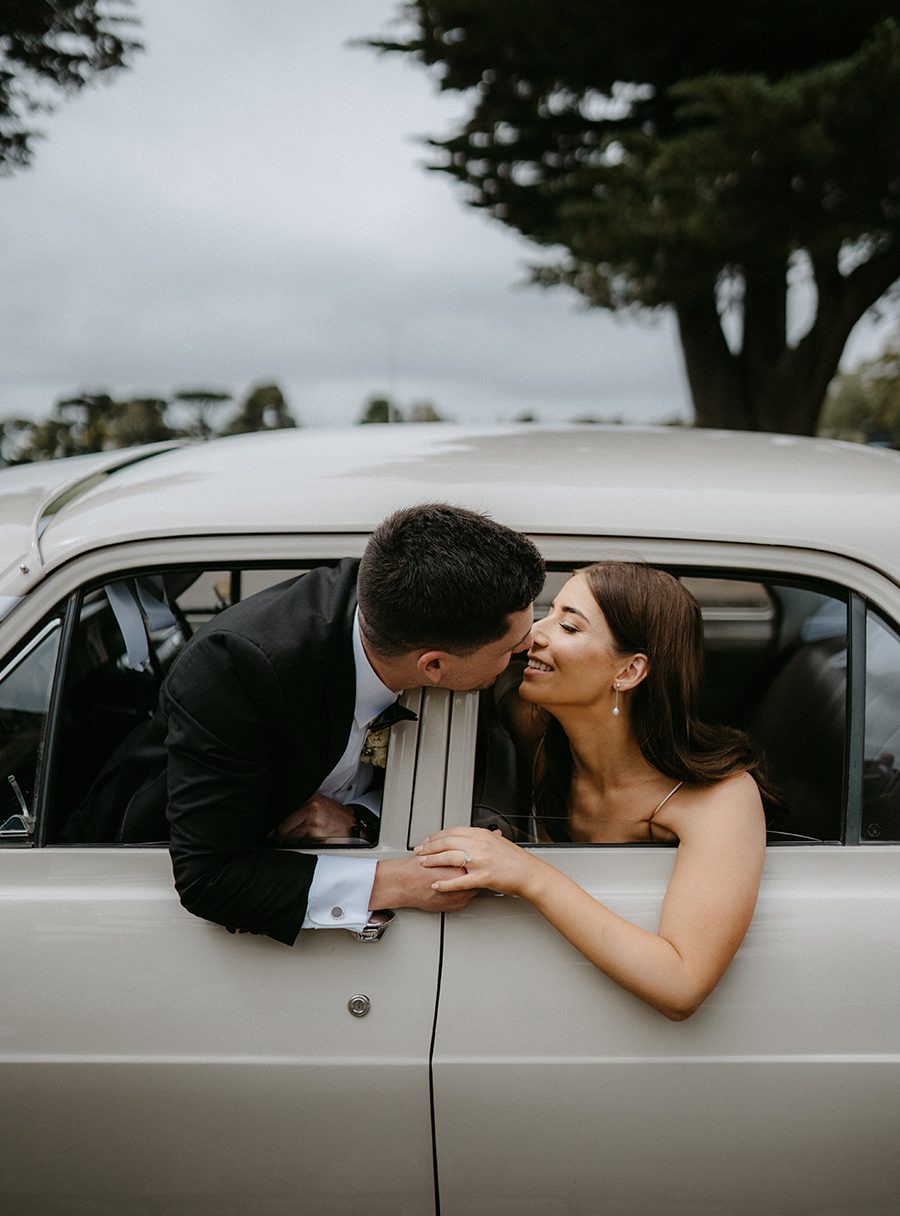
  • Storytelling Elements: Discuss meaningful details to incorporate, like a prop (e.g., a vintage car or heirloom jewelry) or a location with sentimental value.
  • Shot List: Prioritize “must-have” photos (e.g., a sunset silhouette or a candid laugh) to guide the session’s flow.

Understanding Their Process

  • Posing Guidance: Ask how your photographer directs couples—some prefer structured poses, while others encourage natural interaction.
  • Equipment Needs: Confirm if they’ll bring additional gear (like reflectors or drones) for creative shots and whether you need to provide anything (e.g., power outlets for charging).
  • Editing Style: Clarify their approach to retouching (e.g., natural skin tones vs. artistic filters) to ensure alignment with your expectations.

Example: A couple who wanted candid, documentary-style photos communicated this to their photographer, who then focused on capturing unscripted moments during their beach shoot.

Building Rapport Before the Shoot

  • Pre-Session Meeting: Schedule a video call or in-person chat to discuss logistics, share ideas, and ease nerves.
  • Trust Their Expertise: While it’s okay to voice preferences, remain open to their suggestions—they know how to work with Melbourne’s lighting and landscapes.
  • Relax and Have Fun: A stressed couple shows in photos. Treat the session as an adventure, and let your photographer capture genuine joy.

Final Check: Exchange contact details with your photographer and confirm their arrival time, especially if shooting at multiple locations.

By following these steps, you’ll arrive at your Melbourne outdoor wedding photoshoot prepared, confident, and ready to create timeless images. With the right essentials, timing, and collaboration, your photos will reflect the beauty of your love—and the unique charm of Melbourne’s landscapes.
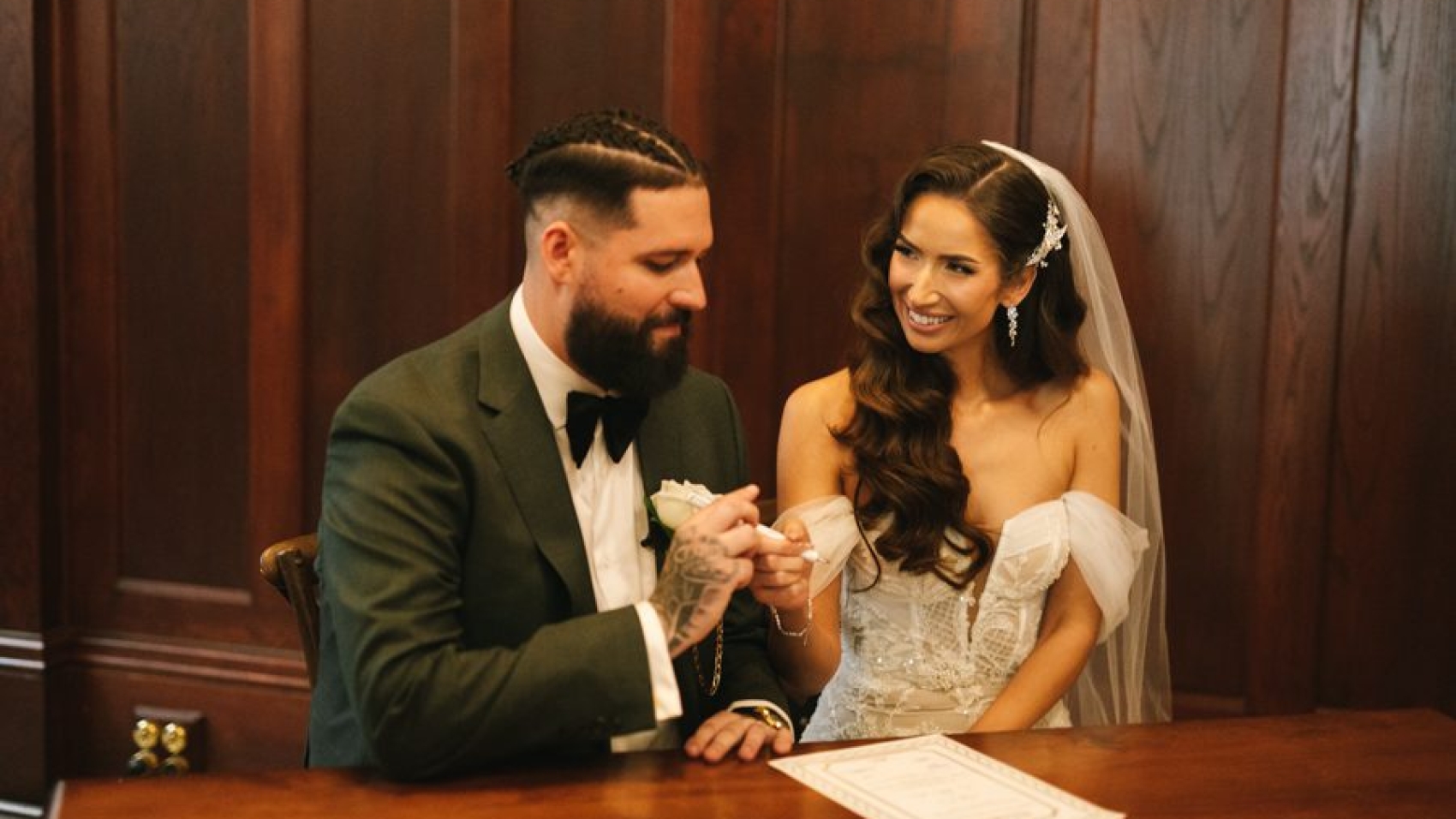
DSC02092

The confirmation process of a wedding photography contract in Melbourne

Finalizing Your Melbourne Wedding Photography Contract: A Clear, Step-by-Step Process

Signing a wedding photography contract is a critical step in securing your Melbourne wedding memories. This document outlines expectations, protects both parties, and ensures your vision is brought to life. To avoid misunderstandings, approach the confirmation process methodically. Here’s how to navigate each stage with confidence.

wedding photography melbourne

Reviewing the Initial Draft Thoroughly

Before agreeing to terms, read the contract carefully from start to finish. Pay attention to sections that define:

Scope of Services

  • Coverage Hours: Confirm the number of hours included and whether overtime is allowed (and how it’s billed).
  • Deliverables: Check what’s promised—e.g., number of edited photos, format (digital files, prints, or albums), and turnaround time.
  • Additional Services: Note if extras like second shooters, engagement sessions, or travel fees are included or require separate fees.

Key Consideration: If any service is vague, ask for clarification. For example, “edited photos” could mean basic color correction or advanced retouching—define this upfront.

Logistical Details

  • Date and Venue: Verify the contract lists your correct wedding date and venue address.
  • Backup Plans: Ensure there’s a clause addressing what happens if the photographer is ill or unable to shoot (e.g., a replacement with similar style).
  • Weather Contingencies: For outdoor shoots, confirm protocols for rescheduling due to rain or extreme weather.

Pro Tip: If your venue has specific rules (e.g., photography restrictions during ceremonies), share these with the photographer to avoid conflicts.

Clarifying Legal and Financial Terms

Contracts exist to protect both you and the photographer, so understand every clause before signing.

Payment Structure

  • Deposit Requirements: Check the amount needed to secure your date and whether it’s refundable under certain conditions.
  • Final Payment Deadline: Note when the remaining balance is due (e.g., 30 days before the wedding or on the day).
  • Late Fees: Confirm if penalties apply for missed payments and how they’re calculated.

Cancellation and Rescheduling Policies

  • Client-Initiated Changes: Understand fees or penalties for postponing or canceling your wedding.
  • Photographer-Initiated Changes: Review terms if the photographer needs to reschedule (e.g., due to double-booking or emergencies).

Case Study: One couple avoided stress by discussing cancellation policies upfront. When their venue closed unexpectedly, they rescheduled with minimal hassle because their contract included a flexible rebooking clause.

Discussing Creative and Editorial Control

Your photos should reflect your style, so clarify how much input you’ll have during the process.

Editing and Retouching

  • Style Preferences: Share your vision for edits (e.g., “We prefer warm tones” or “Keep skin textures natural”).
  • Approval Process: Ask if you’ll review a selection of edits before final delivery or if the photographer has full creative control.
  • Revisions: Confirm how many rounds of edits are included and what constitutes an “extra revision” (and its cost).

Usage Rights

  • Personal Use: Ensure you can print, share, and post photos freely on social media or with family.
  • Commercial Use: If you plan to use images for business purposes (e.g., a joint venture), clarify whether this requires additional permissions.

Pro Tip: If you’re uncomfortable with the photographer using your images for promotional purposes, request a clause that limits or prohibits this.

Finalizing and Signing the Agreement

Once all terms are clear and agreed upon, proceed with signing.

Double-Checking Details

  • Names and Contact Information: Verify spelling and accuracy of both parties’ details.
  • Signatures: Ensure all required signatures (yours, your partner’s, and the photographer’s) are present.
  • Date: Confirm the signing date is recorded correctly.

Keeping Records

  • Copies for Both Parties: Request a digital or physical copy of the signed contract for your records.
  • Email Confirmation: Ask the photographer to send a confirmation email summarizing key terms (e.g., date, deliverables, payment schedule).

Final Check: Store the contract in a safe place (e.g., a shared folder with your partner) and reference it if questions arise later, such as payment deadlines or edit requests.

By following these steps, you’ll finalize your Melbourne wedding photography contract with clarity and confidence. A well-drafted agreement ensures your day is captured exactly as you envision it—without unexpected surprises.

wedding photography melbourne

Steps for exploring the demand for wedding photography in Melbourne

Uncovering Your Wedding Photography Needs in Melbourne: A Step-by-Step Guide

Your wedding photos are more than just images—they’re a timeless record of your love story. To ensure your Melbourne wedding photography captures every meaningful detail, start by digging deep into your preferences, priorities, and practical requirements. This guide walks you through the process of identifying what truly matters to you, helping you communicate effectively with photographers and create a vision that feels authentic.

wedding photography melbourne

Reflecting on Your Personal Style and Vision

Before meeting photographers, take time to understand what resonates with you aesthetically. Browse wedding galleries online, save inspiration from platforms like Instagram or Pinterest, and note recurring themes. Ask yourself:

  • Do you prefer candid, unscripted moments or structured, posed portraits?
  • Are you drawn to bright, vibrant colors or soft, muted tones?
  • Do you want your photos to feel timeless or trendy?

Key Consideration: Your style doesn’t have to fit into one category. Many couples blend elements—like mixing documentary-style ceremony shots with creative portraits during golden hour.

Identifying Emotional Priorities

Think beyond aesthetics to the emotions you want your photos to evoke. For example:

  • If family bonds are central to your story, you might prioritize group shots that capture genuine laughter or tears.
  • If your relationship thrives on adventure, you may want images that reflect spontaneity, like exploring Melbourne’s laneways or coastal spots.

Pro Tip: Share these insights with photographers during consultations. A skilled artist will tailor their approach to highlight what matters most to you.

Assessing Logistical and Practical Needs

Photography involves more than creativity—it requires planning. Consider these logistical factors to avoid surprises:

Venue and Timing Constraints

  • Indoor vs. Outdoor: Does your venue have ample natural light, or will you need a photographer experienced in low-light settings?
  • Timeline Flexibility: If your ceremony runs late, will your photographer stay longer (and how does that affect deliverables)?
  • Weather Backup Plans: For outdoor shoots, discuss alternatives like covered locations or indoor portrait sessions if rain is forecast.

Case Study: One couple planned an outdoor ceremony at a Melbourne park but included a nearby indoor venue in their contract as a weather backup. Their photographer adjusted the timeline seamlessly when rain threatened, ensuring no moments were missed.

Technical and Creative Support

  • Second Shooter: Do you want multiple angles of key moments (e.g., the bride walking down the aisle and the groom’s reaction)?
  • Equipment Needs: If you’re hosting a large guest list, ask if the photographer brings additional lighting or lenses to handle crowd shots.
  • Post-Production Style: Clarify how much editing you expect—from basic color correction to advanced retouching of blemishes or backgrounds.

Pro Tip: Be honest about your comfort level with technical jargon. A good photographer will explain options in layman’s terms.

Aligning With Your Partner’s Expectations

Wedding planning is a partnership, so involve your significant other in the photography discussion. Schedule a quiet moment to:

Comparing Notes on Preferences

  • Share inspiration images and note similarities or differences in your tastes.
  • Discuss “must-have” shots (e.g., a portrait with grandparents) versus “nice-to-haves” (e.g., artistic shots of your shoes).
  • Agree on a budget range for photography services, even if it’s flexible.

Resolving Potential Conflicts

If one of you prioritizes candid shots while the other wants traditional portraits, look for photographers who excel in both styles. Many artists blend approaches, offering a mix of documentary and posed imagery.

Example: A couple who disagreed on portrait styles compromised by booking a photographer known for “creative candid” work—capturing natural interactions during portraits while incorporating unique angles and lighting.

Communicating Clearly With Photographers

Once you’ve defined your needs, articulate them clearly during consultations. Use specific language to avoid misunderstandings:

  • Instead of saying, “We want natural photos,” say, “We’d like images that feel unposed, like we’re not even aware of the camera.”
  • If you’re concerned about skin tones, mention, “We want portraits where our skin looks authentic, not overly smoothed or airbrushed.”

Asking Targeted Questions

  • “How do you handle couples who have different photography preferences?”
  • “Can you share examples of weddings with similar logistical challenges to ours?”
  • “What’s your process for incorporating our feedback during editing?”

Final Check: After meetings, jot down notes about each photographer’s style, responsiveness, and ability to address your concerns. This helps compare options later.

By following these steps, you’ll clarify your wedding photography needs and find a Melbourne photographer who aligns with your vision. The result? Photos that feel as unique and genuine as your love story.