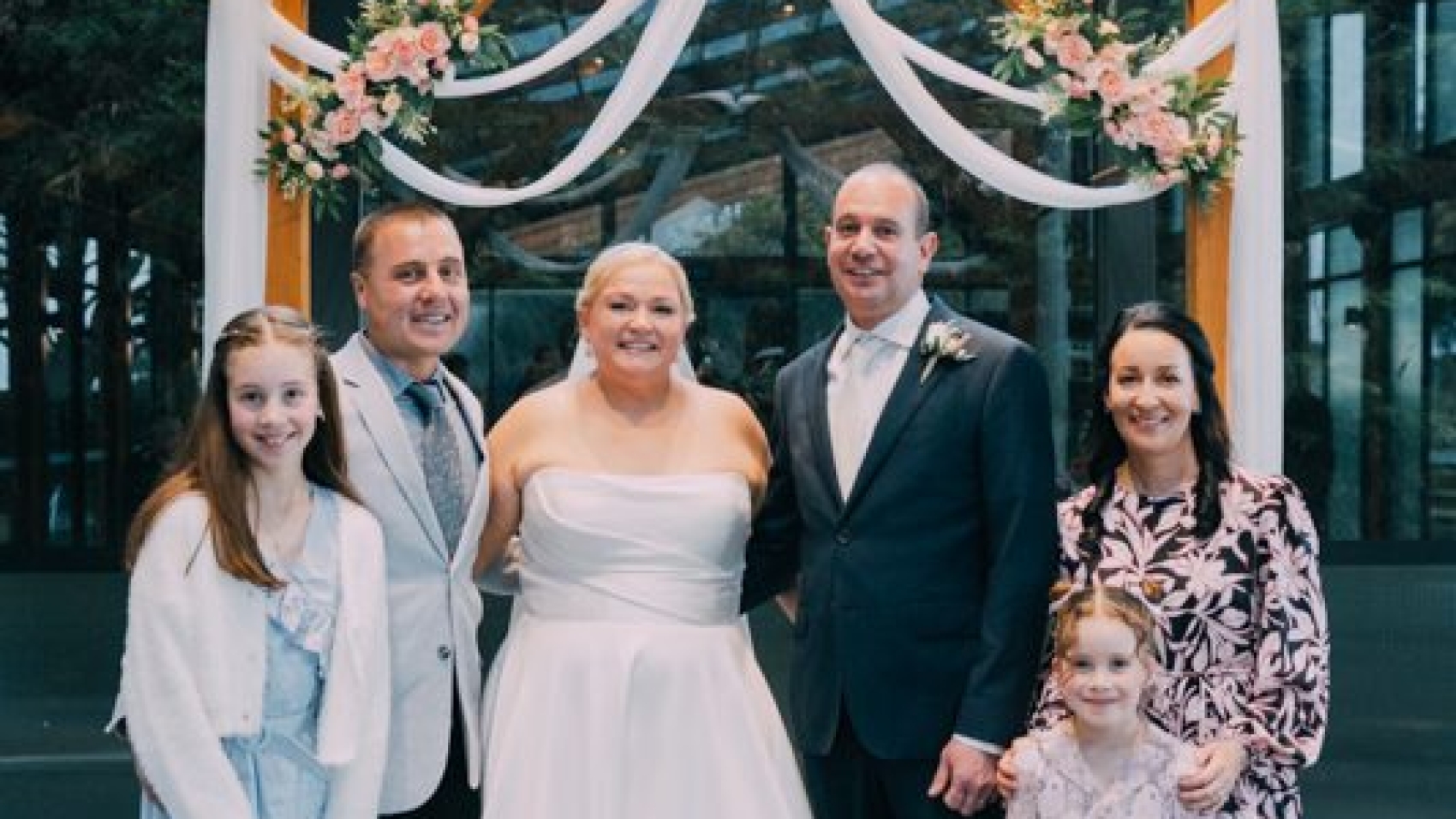
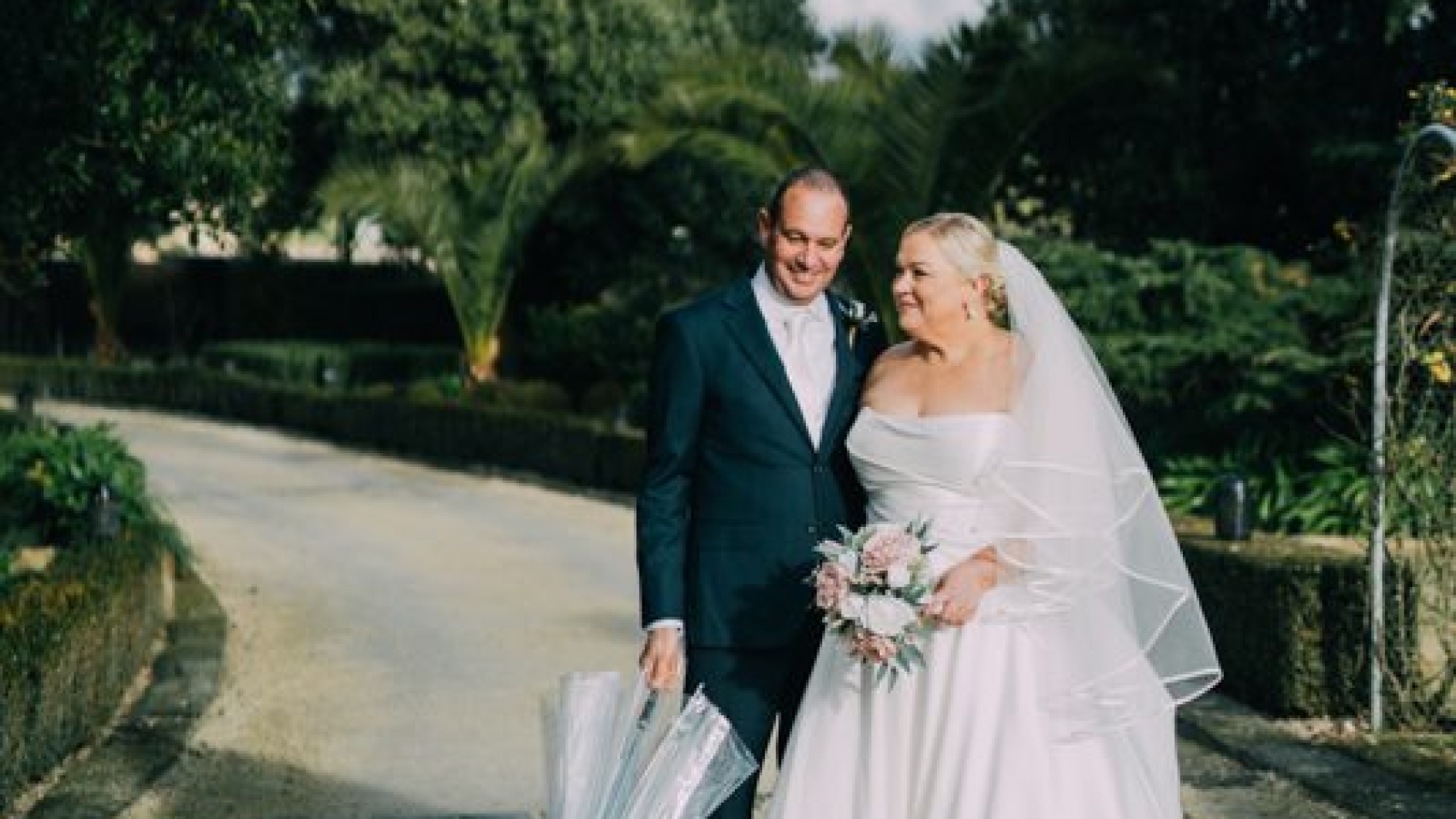
DSC02404

The process of interior wedding photography in Melbourne

Melbourne Indoor Wedding Photoshoot Process: A Step-by-Step Guide

Planning an indoor wedding photoshoot in Melbourne requires careful coordination of styling, location, and timing. Unlike outdoor shoots, indoor sessions offer controlled lighting and weather-independent settings, making them ideal for couples seeking a polished, intimate atmosphere. This guide breaks down the process into manageable steps, from initial preparations to final touches, ensuring a seamless experience.

wedding photography melbourne

Selecting the Right Indoor Venue and Theme

Indoor venues in Melbourne range from historic studios to modern lofts, each offering unique aesthetic opportunities. When choosing a location, consider factors like ceiling height, natural light access, and decor flexibility. For example, a studio with exposed brick walls and large windows suits rustic or bohemian themes, while a minimalist white space complements contemporary or elegant styles.

Discuss your vision with the photographer to align the venue with your desired mood. If you envision a romantic ambiance, opt for soft lighting and neutral tones. For a bold, artistic look, prioritize venues with geometric patterns or vibrant backdrops. Always visit the space beforehand to assess its suitability for your chosen outfits and poses.

Coordinating Outfits and Accessories for Indoor Settings

Indoor lighting, whether natural or artificial, interacts differently with fabrics and colors than outdoor sunlight. Choose materials like silk, satin, or velvet that reflect light elegantly, avoiding heavy textures that may appear dull under studio lamps. For formal portraits, opt for classic silhouettes like ball gowns or tailored suits, while casual themes allow for flowy dresses or relaxed separates.

Accessories should enhance the theme without overwhelming the frame. Delicate jewelry or a simple veil works well for traditional settings, while statement pieces like bold earrings or a patterned tie add personality to modern shoots. Bring versatile items like a shawl or jacket to adapt to temperature changes in air-conditioned studios.

Timing and Logistics for a Smooth Indoor Shoot

Indoor shoots typically follow a structured timeline to maximize efficiency. Begin by arriving early to finalize outfit selections and hair styling, which often take longer than expected. Allocate 30–45 minutes per look for adjustments, ensuring each ensemble is photographed from multiple angles.

Work with your photographer to create a shot list, prioritizing must-have poses and groupings. For example, schedule couple portraits during the golden hour if the studio has windows, or use artificial lighting for dramatic effects later in the day. Break the session into segments—individual shots, partner interactions, and family portraits—to maintain focus and energy.

Managing Lighting and Posing in Confined Spaces

Indoor lighting requires strategic planning to avoid harsh shadows or uneven exposure. Natural light from windows is ideal for soft, flattering images, but studios often rely on artificial setups. Discuss lighting preferences with your photographer beforehand, whether you prefer warm tones for a cozy feel or cool hues for a modern edge.

Posing indoors differs from outdoor shoots due to limited space. Focus on intimate, close-up shots that highlight emotions rather than sweeping landscapes. Experiment with angles—sit on a staircase for depth, lean against a wall for a casual vibe, or use furniture to create dynamic compositions. Encourage natural interactions, like whispering or holding hands, to capture genuine chemistry.

Final Checks and Post-Shoot Considerations

Before wrapping up, review the day’s shots with your photographer to ensure no key moments were missed. Check for wardrobe malfunctions, such as loose straps or wrinkled fabric, and touch up makeup if needed. If the studio offers immediate previews, use this time to confirm satisfaction with the results.

After the shoot, communicate with your photographer about delivery timelines for digital proofs and edited images. Specify preferences for retouching, such as skin smoothing or background adjustments, to align the final product with your vision. Store digital files securely and consider printing favorites for display at home or as gifts for family.

By following these steps, couples can navigate Melbourne’s indoor wedding photoshoot process with confidence, resulting in timeless images that reflect their unique style and love story.
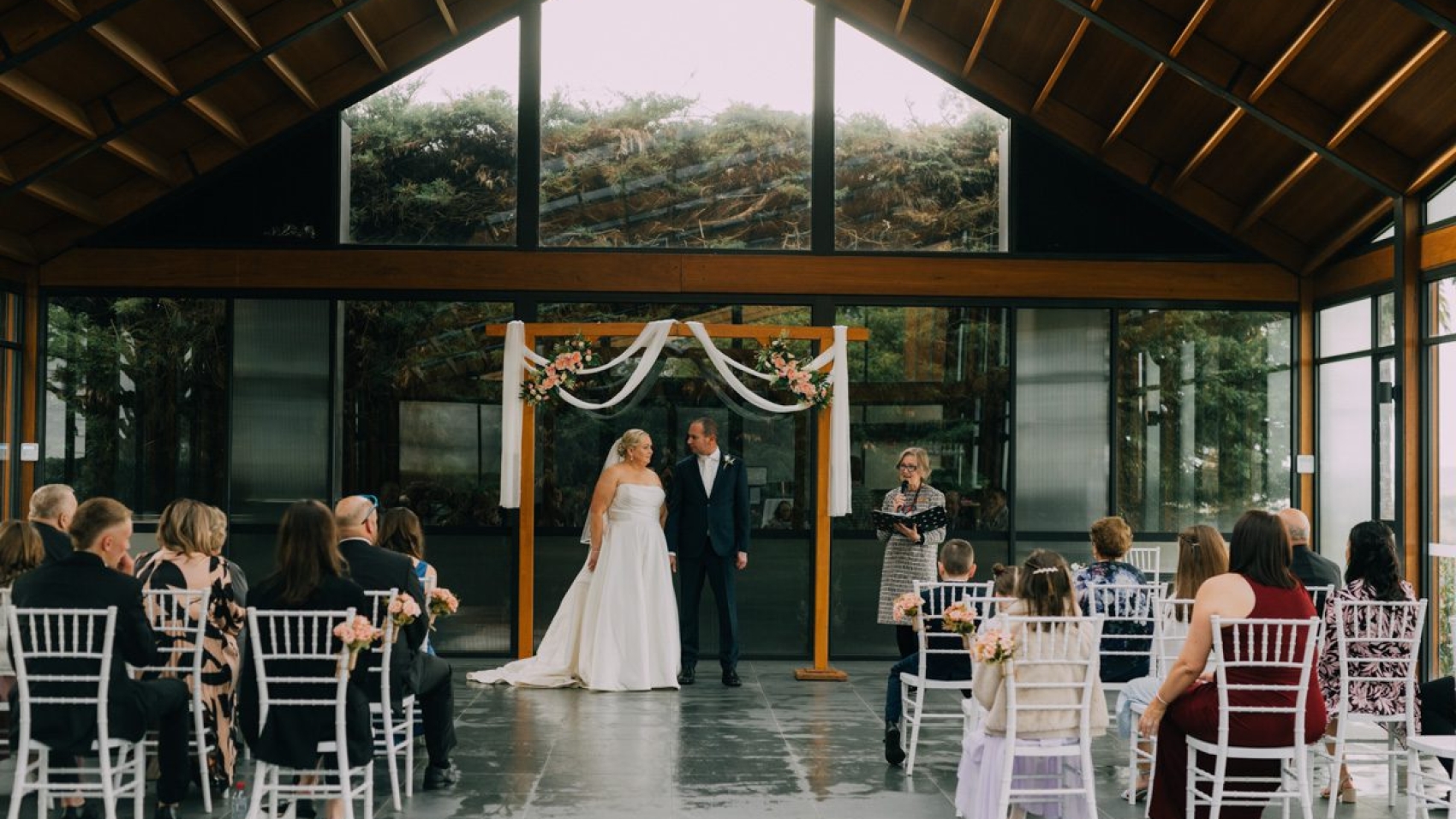
DSC02594

Melbourne wedding dress shooting, makeup and styling schedule

Crafting a Timely Makeup and Styling Schedule for Melbourne Wedding Photoshoots

A well-planned makeup and styling timeline ensures couples look their best without rushing or delays during a Melbourne wedding photoshoot. The city’s unpredictable weather, varying locations, and long shooting hours demand a structured approach to beauty preparations. By aligning styling sessions with photoshoot logistics, couples can achieve polished looks that withstand the demands of the day. Here’s how to organize your schedule effectively.

wedding photography melbourne

Aligning Beauty Preparations with Photoshoot Logistics

Start by confirming the photoshoot’s start time and location. If the session begins early in the morning at a remote spot like the Dandenong Ranges, schedule hair and makeup to finish at least an hour before departure. This buffer accounts for travel time and last-minute adjustments. For urban shoots in the CBD, factor in parking or public transport delays, especially during peak hours.

Discuss the number of outfit changes with your stylist. Each look may require different hair and makeup adjustments, such as switching from a bold red lip to a nude shade or transforming loose waves into an elegant updo. Allocate 30–45 minutes per outfit change for styling tweaks, ensuring transitions are smooth and stress-free. If the shoot includes multiple locations, prioritize versatile styles that adapt easily—for example, a half-up hairstyle that can be pinned up or left down.

Consider the shoot’s duration when planning beauty touch-ups. A full-day session spanning 8–10 hours will need midday refreshes to combat shine, smudged lipstick, or frizzy hair. Schedule a 15–20 minute break halfway through the shoot for quick fixes, like reapplying powder or adjusting accessories. Communicate these needs to your photographer so they can plan the itinerary around these pauses.

Structuring the Morning Beauty Routine for Efficiency

Begin the day with a clean, moisturized face to ensure makeup applies evenly. If you’re prone to oily skin, use a mattifying primer; dry skin types benefit from a hydrating base. Schedule makeup application first, as it often takes longer than hair styling—especially if you’re opting for intricate eye looks or contouring. Allow 45–60 minutes for a full face of makeup, depending on complexity.

While makeup is being applied, start hair preparations if possible. For updos or elaborate styles, wash and dry hair the night before to save time. If freshly washed hair is necessary, use a volumizing mousse or texturizing spray to add grip for styling. Hair styling typically takes 30–45 minutes, depending on the look. Simple curls or straightened locks require less time than braided crowns or chignons.

Coordinate with your partner’s styling timeline if you’re getting ready together. Stagger schedules slightly to avoid overlapping at the styling station—for example, have one partner start makeup while the other begins hair. This prevents bottlenecks and ensures both are ready on time. If you’re working with separate stylists, confirm their arrival times and setup needs in advance.

Planning for Mid-Shoot Touch-Ups and Style Adjustments

Melbourne’s weather can shift unexpectedly, affecting hair and makeup. For outdoor shoots, carry blotting papers, travel-sized hairspray, and lipstick for quick fixes. If it’s windy, secure loose strands with bobby pins or a headband to prevent flyaways. Humid conditions may require anti-frizz serum or a stronger-hold hairspray to maintain styles.

Schedule touch-ups during outfit changes or location transitions. Use these moments to refresh makeup, re-curl stubborn hair sections, or adjust accessories like veils or hairpins. If you’re shooting in direct sunlight, reapply SPF to prevent sunburn without disturbing makeup—opt for a mineral powder formula that sits well over foundation.

For multi-location shoots, discuss style adaptability with your stylist. A beach look might feature loose waves and dewy skin, while a CBD session could call for a sleek ponytail and matte makeup. Pack versatile products like a tinted moisturizer for natural coverage or a cream blush that doubles as lip color to streamline adjustments. Let your photographer know about planned style shifts so they can capture each look effectively.

Finalizing the Schedule and Communicating with Your Team

Create a detailed timeline outlining each beauty and styling step, including start times, durations, and responsibilities. Share this with your stylist, photographer, and wedding party to ensure everyone is aware of the plan. Include contingency time for unexpected delays, like traffic or styling hiccups, to avoid rushing later.

Confirm your stylist’s availability for the entire shoot duration if touch-ups are needed. Some stylists offer half-day or full-day packages, while others charge hourly. Clarify their policy on breaks or additional fees for extended sessions. If you’re self-styling, practice your routine beforehand to gauge timing and identify potential issues.

On the shoot day, arrive early to set up your styling station with all necessary tools and products. Keep essentials like bobby pins, hair ties, and lipstick within reach for quick fixes. Stay hydrated and avoid heavy meals before styling to prevent bloating or discomfort. By organizing your beauty schedule thoughtfully, you’ll achieve a flawless look that lasts throughout your Melbourne wedding photoshoot.

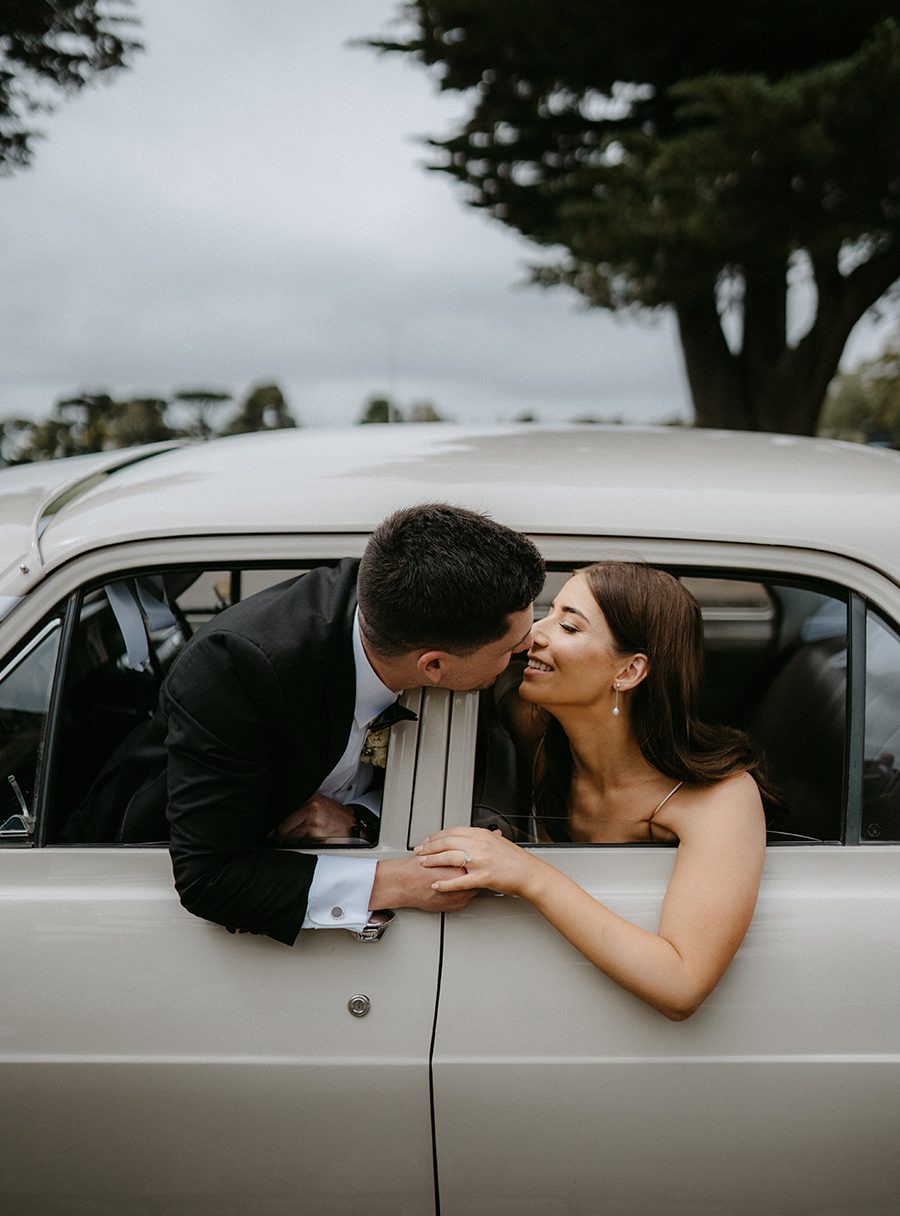
DSC02847

The process of selecting wedding photography clothing in Melbourne

Navigating the Wedding Attire Selection Process for Melbourne Photoshoots

Choosing the right outfits for a Melbourne wedding photoshoot involves balancing personal style, location aesthetics, and practical considerations. The city’s diverse settings—from coastal beaches to urban streets—demand attire that complements the backdrop while reflecting the couple’s vision. A structured approach to outfit selection ensures harmony between clothing, environment, and mood, resulting in photos that feel cohesive and authentic. Here’s a step-by-step guide to simplifying the process.

wedding photography melbourne

Understanding the Photoshoot’s Aesthetic and Location

Begin by revisiting the agreed-upon style and locations for the shoot. A beach session in St Kilda calls for lightweight, flowing fabrics that move with the breeze, such as linen or chiffon, while a historic venue like Como House might suit elegant, structured silhouettes like tailored suits or ball gowns. Discuss how each location’s colors and textures will interact with the outfits. For example, earthy tones blend seamlessly into the Yarra Valley’s greenery, whereas bold hues pop against the CBD’s neutral concrete.

Consider the time of day and weather conditions. Morning shoots in the Royal Botanic Gardens may require layers to stay warm, while midday beach sessions demand breathable materials to avoid discomfort. If the shoot spans multiple locations, prioritize versatile pieces that transition well between settings. A jumpsuit or a dress with detachable sleeves can adapt to changing environments without requiring full wardrobe changes.

Finally, align outfits with the shoot’s overall mood. Soft, romantic themes pair well with delicate lace or pastel shades, while edgy, modern vibes suit monochromatic palettes or unconventional cuts. Share inspiration images with your photographer to ensure your choices resonate with the visual narrative you’ve planned.

Coordinating Outfits Between Partners Without Matching Exactly

Striking a balance between coordination and individuality is key to creating visually appealing photos. Instead of identical outfits, focus on complementary elements like color palettes, fabric textures, or style themes. For instance, if one partner wears a floral-patterned dress, the other could opt for a solid-colored suit in a shade pulled from the print. This creates harmony without sacrificing personal flair.

Pay attention to formalities. If one partner chooses a formal gown, the other should avoid overly casual attire like jeans or sneakers. A tailored suit or a dressy jumpsuit maintains equilibrium while allowing room for personal expression. Discuss accessories, too—a statement necklace or a patterned tie can tie two looks together subtly.

Consider the shoot’s narrative when coordinating outfits. If the theme is “timeless elegance,” both partners might lean toward classic silhouettes in neutral tones. For a “bohemian adventure” vibe, flowy fabrics and earthy colors can unify the looks. Share your ideas with your photographer, who can offer insights on how outfits will photograph together and suggest adjustments if needed.

Prioritizing Comfort and Practicality for Long Sessions

A wedding photoshoot often lasts several hours, so comfort is non-negotiable. Avoid stiff, restrictive clothing that limits movement or causes discomfort. Opt for breathable, stretchy fabrics that allow you to sit, walk, and pose freely. For example, a mermaid-style gown with a flexible waistband might be more comfortable than a corseted design for a day-long shoot.

Test outfits beforehand by wearing them around the house or for a short outing. Notice how they feel during activities like sitting, bending, or dancing. If a dress rides up or a suit jacket feels scratchy, reconsider the choice. Bring backup options like a shawl or a cardigan for outdoor shoots in cooler weather, and ensure shoes are broken in to prevent blisters.

Practicality extends to logistics, too. Choose outfits that are easy to change into if the shoot involves multiple locations. Dresses with zippers or suits with elasticated waistbands simplify quick transitions. If you’re wearing heels, pack flats for walking between sites to avoid fatigue. Let your photographer know about any practical concerns so they can plan shoot locations and timing accordingly.

Finalizing Choices and Planning for Contingencies

Once you’ve narrowed down your options, do a trial run with hair, makeup, and accessories to see how everything comes together. Photograph yourself in natural light to assess how colors and textures appear on camera. Share these trial photos with your photographer for feedback—they might suggest tweaks like adjusting a hemline or swapping a belt for better visual balance.

Create a checklist of all outfit components, including undergarments, shoes, and accessories, to avoid last-minute omissions. Pack extras like safety pins, fabric tape, or a sewing kit for minor repairs on the day. If you’re renting or borrowing items, confirm return policies and insurance coverage in case of damage.

Finally, discuss contingency plans with your photographer. Weather changes or unexpected wardrobe malfunctions might require adjustments, like moving an outdoor shoot indoors or switching to backup outfits. Flexibility ensures the shoot stays on track, even if plans shift. By prioritizing comfort, coordination, and practicality, you’ll create a wardrobe that enhances your Melbourne wedding photoshoot without overshadowing the moment.