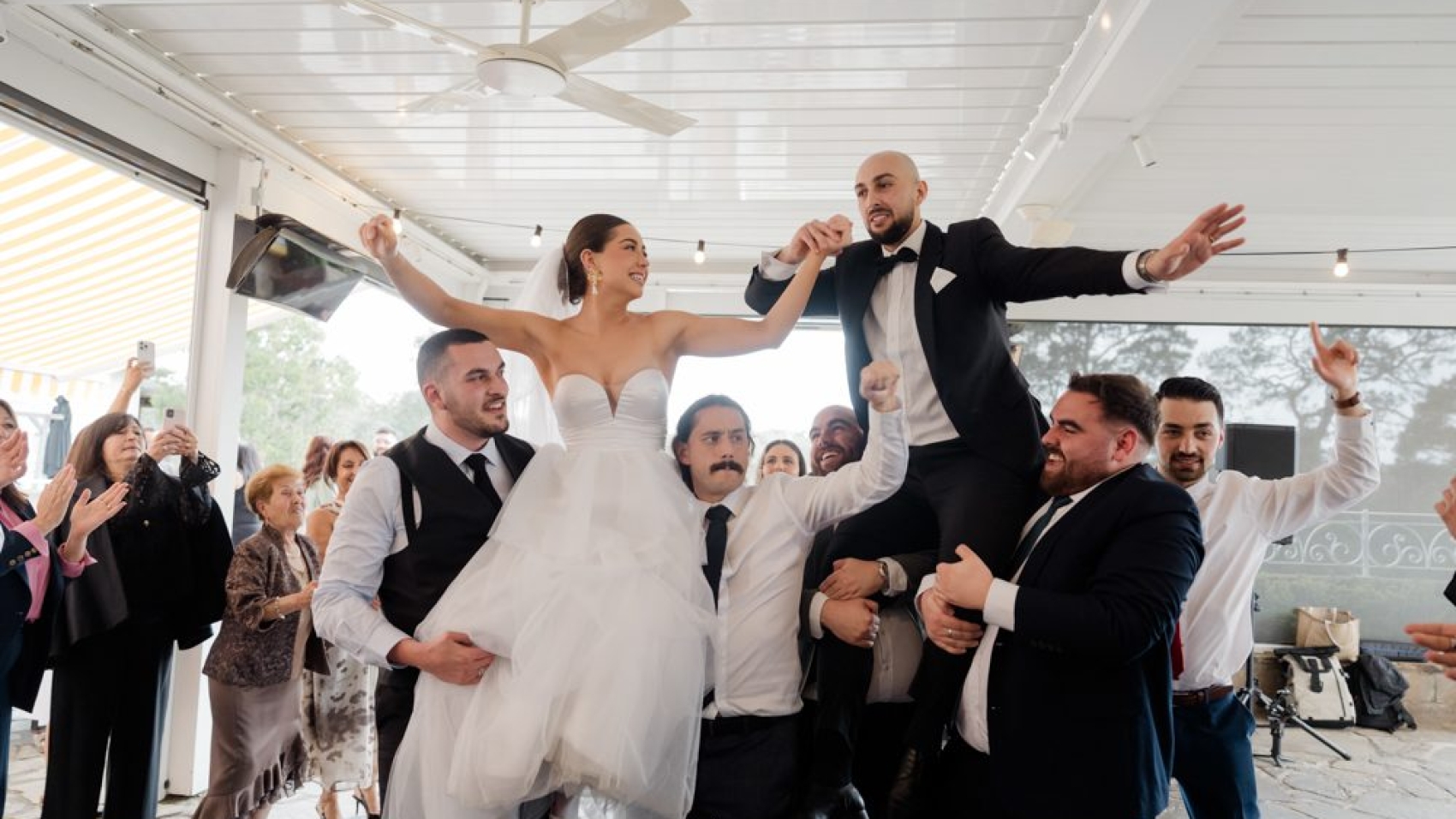
Evermore_weddings_Jack_Rabbit_Winery-80

Communication steps for wedding photography styles in Melbourne

Effective Communication Steps for Defining Wedding Photoshoot Styles in Melbourne

Capturing a couple’s vision for their Melbourne wedding photoshoot requires clear, collaborative communication about style preferences. From coastal elegance to urban edginess, the city’s diverse backdrops demand alignment on aesthetics, mood, and practical details. Miscommunication can lead to mismatched expectations, so structuring conversations around key themes ensures both clients and photographers stay on the same page. Here’s how to navigate style discussions for a seamless experience.
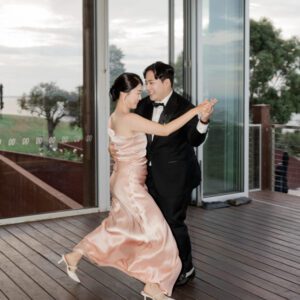
wedding photography melbourne

Initiating the Conversation with Inspiration Gathering

Start by encouraging couples to collect visual references that resonate with them. Suggest they browse platforms like Pinterest, Instagram, or wedding blogs to curate mood boards featuring colors, poses, and settings they love. For example, a board might include soft pastel hues for a romantic vibe or bold contrasts for a modern look. These references act as a visual starting point, helping photographers grasp the couple’s tastes without relying on vague descriptions like “dreamy” or “classic.”

Ask clients to note specific elements they admire in each image. Do they prefer candid moments or posed shots? Are they drawn to natural light or dramatic studio lighting? Highlighting these details helps narrow down styles—such as documentary-style photography versus fine art—and ensures both parties prioritize the same features. Encourage couples to share images that don’t appeal to them, too, to avoid missteps.

Finally, discuss the couple’s personalities and relationship dynamics. A playful, outgoing pair might thrive in dynamic, action-packed shots, while introverted clients may prefer quiet, intimate compositions. Linking style choices to their unique bond ensures photos feel authentic and reflective of their story.

Exploring Melbourne’s Unique Settings and Their Stylistic Impact

Melbourne’s geography offers a wealth of stylistic opportunities, from coastal landscapes to urban grit. Guide couples through how different locations influence a photoshoot’s aesthetic. For instance, a beach shoot in St Kilda lends itself to airy, light-filled images with soft sand and ocean blues, while a CBD session in Degraves Street’s laneways creates a moody, artistic vibe with graffiti and textured brickwork.

Discuss how weather and time of day shape each location’s mood. Early morning light in the Royal Botanic Gardens casts a golden glow perfect for romantic portraits, while sunset at Brighton Beach adds warmth to candid moments. Conversely, overcast skies in the Dandenong Ranges can create dramatic, moody tones for couples seeking a bold, editorial look. Aligning location choices with desired aesthetics ensures consistency across shots.

Encourage couples to consider practical factors like crowd levels and accessibility. Popular spots like Flinders Street Station may require strategic timing to avoid tourists, while remote areas like the Mornington Peninsula offer privacy but demand travel planning. Balancing stylistic preferences with logistical ease prevents stress on the wedding day.

Refining Details: Poses, Lighting, and Post-Production Preferences

Once the overarching style is clear, dive into specifics like posing, lighting, and editing. Ask clients how they envision interacting during the shoot—do they want structured, guided poses or spontaneous, natural interactions? Some couples may prefer traditional, timeless compositions, while others might crave quirky, playful arrangements that showcase their chemistry.

Lighting plays a pivotal role in defining mood. Discuss preferences for natural light versus artificial setups. A couple aiming for a soft, ethereal look might prioritize golden hour shoots, while those seeking high-contrast, dramatic images could opt for indoor studio sessions with controlled lighting. For outdoor shoots, plan backup strategies for unexpected weather, like using reflectors or diffusers to manage harsh sunlight.

Post-production editing is another critical area. Clarify expectations around color grading, contrast, and retouching. Some clients prefer vibrant, saturated tones for a lively feel, while others lean toward muted, desaturated palettes for a vintage or minimalist aesthetic. Address retouching boundaries, too—whether to preserve natural skin textures or smooth imperfections—to ensure the final images align with the couple’s vision.

Finalizing Agreements and Setting Expectations

After discussing styles, poses, and editing, summarize key decisions in writing. Outline the agreed-upon aesthetic, locations, timing, and any special requests (e.g., incorporating heirloom props or pets). This document serves as a reference point to prevent misunderstandings and ensures both parties are accountable for their roles.

Encourage open dialogue throughout the process. Let clients know they can voice concerns or adjust preferences as the wedding date approaches. Flexibility is key, especially if weather or unforeseen circumstances force changes to the plan. Reassure them that minor tweaks won’t compromise the overall style but will enhance the final results.

Finally, schedule a pre-wedding consultation to review the plan and address last-minute questions. This meeting builds trust and confirms everyone is aligned before the big day. By prioritizing communication at every stage, couples and photographers can collaborate to create wedding photos that truly reflect their unique love story in Melbourne’s vibrant setting.
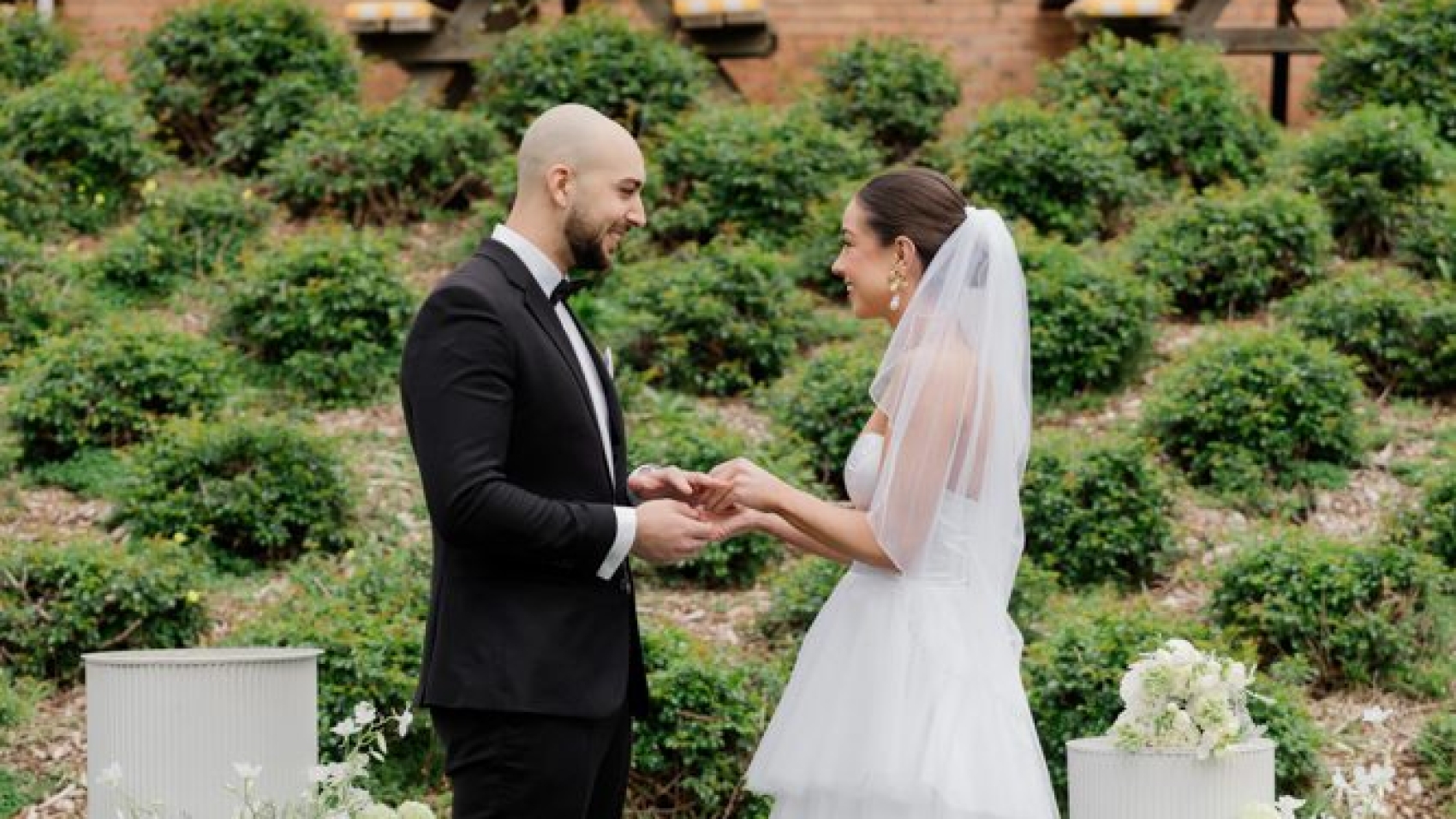
71407_Farm_Vigano_SELECTION_0007

The pre-scene investigation process for wedding photography in Melbourne

Pre-Wedding Photoshoot Location Scouting Process in Melbourne

Planning a wedding photoshoot in Melbourne requires meticulous location scouting to ensure every frame captures the city’s unique charm. From coastal vistas to urban landmarks, Melbourne offers diverse backdrops, but each site demands careful evaluation for logistics, lighting, and aesthetic appeal. A structured scouting process helps couples and photographers identify ideal spots while anticipating challenges like weather, permits, or crowd control. Here’s a step-by-step guide to navigating Melbourne’s most picturesque locales.

wedding photography melbourne

Identifying Potential Locations Based on Themes and Vibes

Start by defining the photoshoot’s aesthetic goals. Do you envision romantic coastal scenes, urban chic portraits, or rustic natural settings? Melbourne’s districts cater to varied themes: St Kilda Beach suits breezy, casual vibes, while the CBD’s historic laneways offer gritty, artistic backdrops. For lush greenery, the Royal Botanic Gardens or Dandenong Ranges provide serene options. List 3–5 primary locations that align with your vision, then research their accessibility and restrictions.

Consider the time of year and day for each site. Summer shoots in Brighton Beach might face harsh midday sunlight, while autumn in the Yarra Valley offers soft, golden light. Early mornings or late afternoons often yield the best lighting, but some locations (e.g., popular landmarks) may be crowded during these times. Scout each spot at your intended shoot time to assess crowd levels and lighting conditions.

Finally, evaluate the emotional resonance of each location. A spot with personal significance—like where the couple met or a favorite café—adds authenticity to photos. Balance sentimentality with practicality; a meaningful but noisy location might require backup plans for quieter shots.

Assessing Logistical Feasibility and Accessibility

Once you’ve shortlisted locations, dive into logistics. Check parking availability, especially in busy districts like Carlton or Southbank. Limited parking can delay setup or force gear-heavy teams to haul equipment long distances. For beach shoots, verify whether vehicles can access sandy areas or if you’ll need to carry gear from parking lots.

Public transport accessibility is crucial for clients or teams relying on trains or trams. Locations near stations (e.g., Flinders Street Station for urban shoots) simplify travel, but remote areas like the Mornington Peninsula may require ride-sharing services. Note transit schedules, especially for weekend shoots when services might be reduced.

Permits and regulations vary by location. Public parks like Fitzroy Gardens may require booking permits for professional photography, while historic sites like St Paul’s Cathedral have strict rules about tripods or commercial use. Contact local councils or property managers in advance to avoid last-minute cancellations. Some beaches also restrict photography during peak tourist seasons or events.

Evaluating Lighting, Weather, and Environmental Factors

Melbourne’s climate demands flexible planning. Coastal areas like Williamstown are prone to sudden wind gusts that can disrupt hair or fabrics, while inland districts like the Dandenong Ranges experience cooler temperatures year-round. Check weather forecasts a week before scouting and have indoor backup venues in mind if rain is likely.

Lighting quality varies dramatically across districts. Open spaces like Albert Park Lake offer even, natural light, but urban shoots in narrow laneways may struggle with harsh shadows. Scout locations during your intended shoot time to see how sunlight interacts with surfaces—brick walls, for example, can create warm reflections or deep contrasts.

Environmental noise is another consideration. Busy areas like Degraves Street or Bourke Street Mall have constant background chatter, which might affect audio recordings if you plan to capture vows or interviews. For quieter shots, explore lesser-known alleys or early-morning sessions before crowds arrive.

Testing Gear and Composition at Each Site

Bring a basic camera setup during scouting to test framing and angles. Capture test shots at different times of day to see how light shifts across the scene. For example, a spot facing west might look flat in the morning but glow during sunset. Note any obstructions like power lines, trees, or construction that could ruin shots later.

Experiment with compositions that highlight the location’s unique features. A bench in a park can serve as a prop for intimate moments, while a graffiti wall in Hosier Lane adds urban edge. Consider how clients will move through the space—wide pathways allow for dynamic walking shots, while cramped areas might limit poses.

Finally, assess the site’s versatility. Can it accommodate multiple outfit changes or theme shifts? A single location with varied backdrops (e.g., a garden with a pond, a stone archway, and open lawns) reduces travel time between shots. If a site feels too one-dimensional, prioritize others that offer creative flexibility.

Finalizing Locations and Creating a Contingency Plan

After scouting, narrow your list to 2–3 primary locations and 1–2 backups. Share options with clients, highlighting pros and cons like lighting, crowd levels, and travel time. Once selections are made, draft a detailed itinerary with addresses, parking tips, and permit details.

Develop a contingency plan for bad weather or unexpected closures. Indoor venues like galleries, cafés, or studios can mimic outdoor themes (e.g., a rustic café for a countryside vibe). Keep a list of emergency contacts, including local transport services or nearby vendors who can provide last-minute assistance.

By following this structured scouting process, couples and photographers can transform Melbourne’s diverse landscapes into timeless wedding memories. Thorough preparation ensures every shot reflects the city’s beauty while minimizing stress on the big day.

71407_Farm_Vigano_SELECTION_0060

Emergency touch-up tools for wedding photography in Melbourne

Essential Emergency Touch-Up Tools for Melbourne Wedding Photoshoots

A Melbourne wedding photoshoot demands flawless makeup that withstands the city’s unpredictable weather, from coastal breezes to urban humidity. Even with professional application, factors like tears, sweat, or sudden rain can disrupt your look. Carrying a compact, versatile emergency makeup kit ensures you stay camera-ready throughout the day, whether shooting by the Yarra River or atop a CBD rooftop. Here’s how to assemble a practical, climate-proof touch-up arsenal.

wedding photography melbourne

Building a Weather-Resistant Base Layer

Melbourne’s variable climate means your foundation must adapt to shifting conditions. Opt for a long-wear, matte formula that resists oil and humidity, ideal for summer shoots in districts like St Kilda or Southbank. For cooler, windier days in areas such as the Dandenong Ranges, choose a hydrating foundation with a dewy finish to prevent flakiness. Pack a small, travel-sized bottle of setting spray to lock in your base—a matte spray combats shine, while a hydrating mist refreshes dry patches without disturbing makeup.

Concealer is another critical tool for hiding blemishes, dark circles, or redness. Select a creamy, high-coverage formula that blends seamlessly and stays put under masks or headpieces. A tiny jar of color-correcting concealer (e.g., green for redness, peach for dark circles) can neutralize stubborn discoloration before applying foundation. Keep both concealers in your kit for quick fixes during transitions between locations.

Powder plays a dual role in controlling shine and setting makeup. A translucent loose powder is ideal for most skin tones, as it doesn’t alter your foundation’s color. For oily skin, a pressed powder with oil-absorbing properties can touch up T-zone areas without caking. Use a small, fluffy brush to apply powder lightly—overdoing it can create a dry, aged appearance in photos.

Tackling Common Makeup Mishaps On the Go

Tears of joy or windy conditions can smudge eyeliner or mascara, requiring immediate attention. Pack waterproof eyeliner and mascara to minimize smudging, but keep a cotton swab dipped in micellar water for quick corrections. For raccoon eyes, gently swipe the inner corners of your lids to remove excess product without ruining the rest of your eye makeup.

Lip color fading or transferring onto teeth is another frequent issue. Choose long-wearing lip stains or matte liquid lipsticks that resist feathering and drinking. A lip liner in a matching shade can prevent color from bleeding outside the lip line. Carry a small mirror and a tissue to blot lips after eating or drinking, then reapply color sparingly to maintain a natural finish.

Blush and bronzer can disappear after hours of shooting, especially in cold or windy weather. Cream blushes blend seamlessly into the skin and last longer than powders, but a powder blush in a similar shade can refresh your look without adding shine. For bronzer, a matte formula with a neutral undertone complements most skin tones and adds warmth without looking muddy. Use a small, angled brush to apply blush to the apples of your cheeks and bronzer to the hollows of your cheeks for a sculpted effect.

Adapting to Melbourne’s Unique Environmental Challenges

Coastal shoots near Brighton Beach or Williamstown expose skin to saltwater spray and sand, which can cling to makeup and cause irritation. A gentle, fragrance-free facial mist can hydrate skin and remove debris without stripping makeup. Pack a pack of oil-absorbing sheets to blot excess oil without disturbing your base, especially in humid conditions.

Urban shoots in the CBD or Fitzroy often involve walking between locations, leading to sweat or friction from clothing. Antiperspirant wipes can keep underarms dry, while a small tube of hand cream prevents chapped skin from frequent hand washing. For shoots in grassy areas like the Royal Botanic Gardens, carry a travel-sized insect repellent to avoid bites that could swell or itch in photos.

If shooting in windy districts like the Docklands or along the Maribyrnong River, secure hairpieces or veils with strong bobby pins or hairspray to prevent them from shifting. A small comb and hairspray can tame flyaways or restyle hair after helmet or hat removal for bike-themed shoots.

Organizing Your Kit for Efficiency and Accessibility

A well-organized emergency kit saves time during touch-ups. Use a clear, zippered pouch to store liquids and powders, separating them from brushes and tools to avoid spills. Label each compartment or use small, resealable bags to group similar items (e.g., eye products, lip tools, skincare).

Include a compact mirror with magnification for precise application, especially when fixing eyeliner or lipstick. A set of travel-sized brushes (blush, eyeshadow, powder) ensures you can apply products evenly without using fingers, which can transfer oils onto the skin. Disposable sponges or wedges are handy for blending concealer or foundation in a pinch.

Finally, pack a few essential skincare items to address sudden dryness or irritation. A travel-sized moisturizer, lip balm, and soothing facial wipes can refresh skin between shots without requiring a full skincare routine. If you have sensitive skin, include a small tube of hydrocortisone cream for unexpected rashes or bites.

By assembling a thoughtful, climate-proof emergency makeup kit, you’ll stay confident and camera-ready throughout your Melbourne wedding photoshoot. Prioritize multi-use products, organize tools efficiently, and adapt to the city’s environmental quirks to ensure every shot captures your best self.