DSC03855

Notes for Adjusting the State of newlyweds in Melbourne Wedding Photography

Essential Tips for Brides and Grooms to Optimize Their Energy and Composure During Melbourne Wedding Photography

Wedding photography sessions in Melbourne often span several hours, requiring couples to maintain poise, enthusiasm, and physical stamina. Adjusting to the demands of posing, moving between locations, and managing emotions can be challenging. Here’s how to ensure both partners feel confident, relaxed, and camera-ready throughout the day.

wedding photography melbourne

Prioritizing Physical Comfort: Avoiding Fatigue and Discomfort

Long photography sessions demand physical endurance. Simple adjustments to attire, footwear, and posture can prevent exhaustion and ensure natural expressions.

Choosing Practical Footwear

  • Heel Height: Brides should opt for wedges or block heels instead of stilettos for outdoor shoots, as they provide better stability on uneven terrain like grass or cobblestones.
  • Break-In Period: Wear new shoes for at least a week before the wedding to soften the material and reduce blisters.
  • Backup Options: Pack a pair of comfortable flats or sneakers to change into during breaks or transitions between locations.

Managing Gown and Suit Constraints

  • Mobility Adjustments: For gowns with heavy trains or corsets, practice walking and sitting beforehand to avoid tripping or restricted movement.
  • Layering Strategies: Grooms wearing suits in variable Melbourne weather can unbutton jackets or remove ties during warmer segments of the shoot.
  • Posture Awareness: Stand tall with shoulders relaxed to avoid stiffness. Use props like chairs or walls for support during prolonged poses.

Hydration and Snacks

  • Discreet Water Bottles: Carry small, spill-proof bottles to stay hydrated without ruining makeup or attire.
  • Energy-Boosting Snacks: Pack light, non-messy snacks like nuts, energy bars, or fruit to maintain energy levels between meals.
  • Timing: Schedule a substantial breakfast before the shoot and a quick lunch break if the session extends past midday.

Emotional Preparation: Staying Calm and Connected

Wedding photography can amplify nerves, especially in front of the camera. Techniques to manage anxiety and foster intimacy ensure genuine smiles and interactions.

Breathing and Relaxation Techniques

  • Deep Breathing: Pause for 30 seconds before key shots to inhale deeply through the nose and exhale slowly through the mouth, reducing tension in the shoulders and jaw.
  • Progressive Muscle Relaxation: Tense and release muscle groups from the toes upward to alleviate physical stress during stationary poses.
  • Visualization: Imagine a calm, happy memory (e.g., the proposal) to trigger authentic smiles and reduce self-consciousness.

Communication with Your Partner

  • Private Jokes: Share a lighthearted inside joke to break the ice and elicit natural laughter during posed shots.
  • Eye Contact: Focus on each other’s eyes rather than the camera to create intimate, unposed moments.
  • Physical Touch: Hold hands, rest heads together, or link arms to convey connection and comfort.

Handling Unexpected Emotions

  • Acknowledge Nerves: It’s normal to feel overwhelmed; openly discuss fears with your partner or photographer to alleviate pressure.
  • Take Mini-Breaks: Step aside for a few minutes to compose yourself if emotions become intense.
  • Reframe Mistakes: If a pose feels awkward, laugh it off and try again—imperfections often make for the most memorable photos.

Timing and Pacing: Balancing Efficiency and Enjoyment

Melbourne’s unpredictable weather and daylight hours require strategic scheduling. Aligning the shoot’s flow with energy levels ensures productivity without burnout.

Morning vs. Afternoon Energy Levels

  • Early Starts: Schedule outdoor shoots during the golden hour (sunrise) when clients are typically more alert and light is soft.
  • Afternoon Adjustments: If shooting later, incorporate breaks in shaded areas or indoors to avoid midday heat and fatigue.
  • Flexible Timelines: Build buffer time between locations to account for traffic, wardrobe changes, or unexpected delays.

Breaks and Transitions

  • Scheduled Pauses: Plan 5–10-minute breaks every hour to rest, hydrate, and adjust attire.
  • Change of Scenery: Switch between indoor and outdoor settings to keep the session dynamic and mentally stimulating.
  • Transportation Comfort: Use private vehicles or rideshares to avoid walking long distances in formal attire, especially in heat or rain.

Photographer Collaboration

  • Clear Communication: Share preferences for pose frequency, break timing, and shot types to align expectations.
  • Feedback Loops: Regularly check in with the photographer to review photos and adjust directions if certain angles feel uncomfortable.
  • Trust the Process: Rely on the photographer’s expertise to guide poses and lighting, reducing decision fatigue for the couple.

Final Touches: Small Details That Elevate Comfort

Subtle adjustments to accessories, timing, and mindset can transform a good shoot into a great one.

  • Lip Balm and Blotting Sheets: Keep these on hand to prevent chapped lips or shiny skin in photos.
  • Emergency Kit: Pack safety pins, sewing kits, and stain removers for last-minute wardrobe fixes.
  • Positive Affirmations: Repeat phrases like “We look amazing” or “This is fun” to boost confidence and reduce self-doubt.

By prioritizing physical comfort, emotional connection, and strategic timing, couples can navigate Melbourne’s wedding photography sessions with ease and joy.
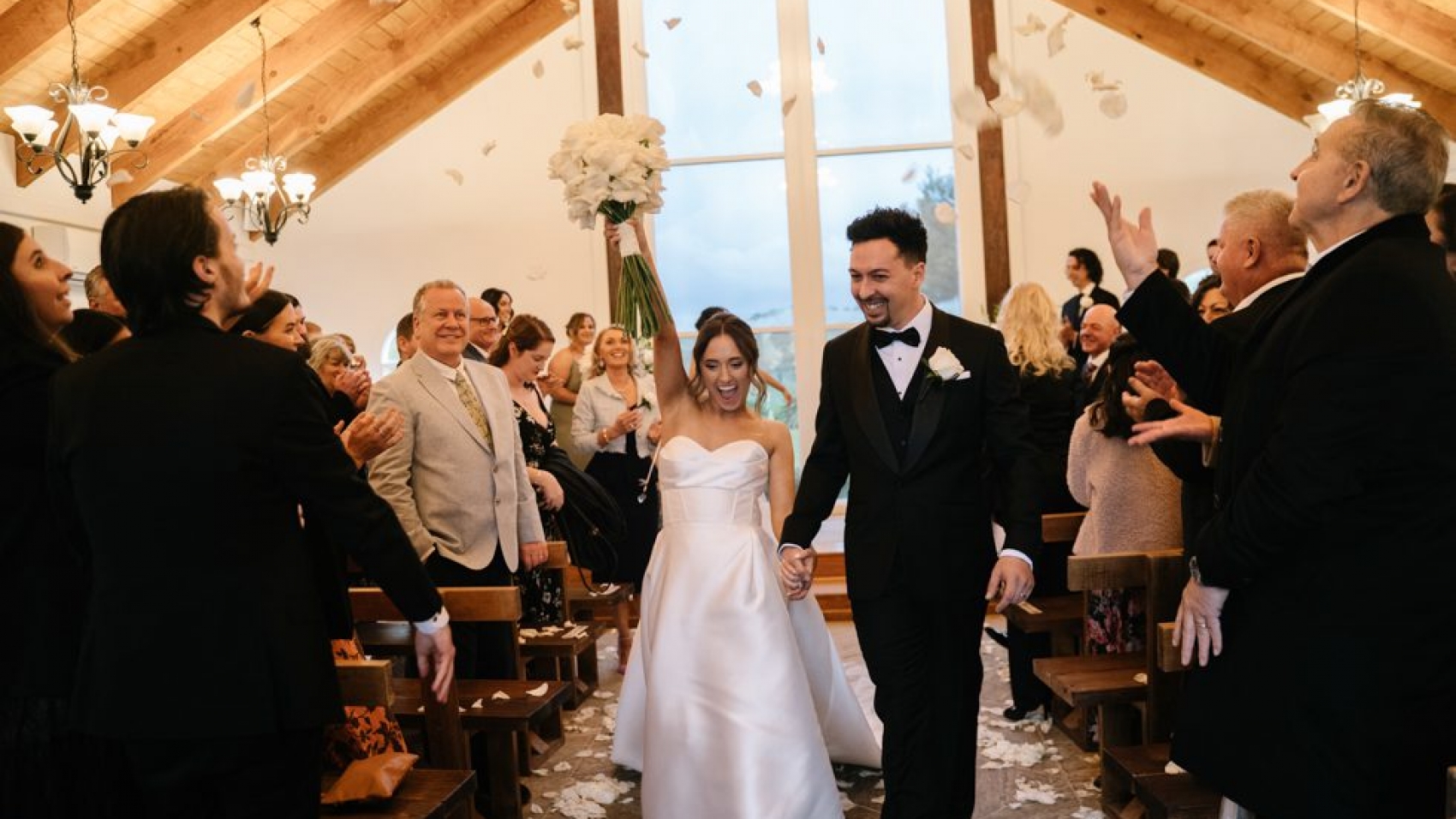
WUU00231

Precautions for Dealing with sudden weather changes in Melbourne wedding photography

Navigating Weather Changes During Melbourne Wedding Photography: Essential Tips

Melbourne’s notorious “four seasons in one day” weather demands flexibility and preparedness during wedding photography sessions. Sudden rain, wind, or heatwaves can disrupt schedules and affect attire, lighting, and client comfort. Here’s how to adapt quickly and ensure stunning results despite unpredictable conditions.

wedding photography melbourne

Rain Preparedness: Protecting Gear, Attire, and Clients

Rain is common in Melbourne, especially during spring and autumn. Proactive measures can turn a wet day into a creative opportunity.

Waterproofing Equipment and Accessories

  • Camera and Lens Protection: Use rain covers or plastic sleeves designed for cameras to shield gear from moisture. Keep silica gel packets in camera bags to absorb humidity.
  • Lens Care: Wipe lenses with a microfiber cloth frequently to prevent water spots. Avoid changing lenses outdoors in heavy rain to minimize exposure.
  • Backup Gear: Pack a second camera body and extra batteries, as cold and damp conditions can drain power faster. Store gear in waterproof cases when not in use.

Client Comfort and Attire Safety

  • Umbrellas and Canopies: Provide clear or white umbrellas for the couple to stay dry while posing. A portable canopy or pop-up tent offers shelter during breaks.
  • Quick-Dry Fabrics: Advise couples to choose gowns and suits made from synthetic blends or treated cotton, which dry faster than silk or lace.
  • Footwear Alternatives: Suggest waterproof shoes or boots for outdoor shoots. For the bride, a short heel or flat shoe can prevent sinking into muddy ground.

Creative Rain Photography Opportunities

  • Reflective Surfaces: Use puddles to capture dramatic reflections of the couple or venue. Shoot from a low angle to emphasize water droplets.
  • Motion and Movement: Encourage the couple to walk or dance under umbrellas for dynamic shots. Slow shutter speeds can create a dreamy, blurred effect.
  • Mood Lighting: Combine rain with off-camera flash or string lights to add warmth and contrast to gloomy skies.

Wind Management: Securing Attire and Poses

Melbourne’s coastal breezes and sudden gusts can wreak havoc on loose fabrics, veils, and hair. Stabilizing elements ensures polished photos.

Stabilizing Loose Fabrics and Accessories

  • Veil Weights: Use small clips or weights sewn into the hem of veils to prevent them from flying away. Alternatively, opt for a shorter veil or hairpiece.
  • Gown Tacks: Temporarily secure loose layers of the gown with fashion tape or small stitches to keep hems in place.
  • Hair and Makeup: Recommend updos or textured hairstyles that resist wind. Use strong-hold hairspray and consider a hairnet for intricate styles.

Posing Techniques for Windy Conditions

  • Angle Adjustments: Position the couple with their backs to the wind to minimize fabric flapping. Use natural windbreaks like buildings or trees.
  • Dynamic Poses: Capture the energy of the wind by having the couple embrace or lean into each other. Shoot in burst mode to catch mid-movement expressions.
  • Close-Up Shots: Focus on facial expressions or details like hands or rings to avoid distracting fabric movement in wide shots.

Gear Protection and Safety

  • Sandbags and Weights: Secure light stands, reflectors, and backdrops with sandbags to prevent them from toppling in strong gusts.
  • Lens Filters: Use UV or polarizing filters to reduce glare and protect lenses from wind-blown debris.
  • Client Communication: Warn the couple before sudden gusts to avoid startled reactions. Keep breaks short to limit exposure to harsh winds.

Extreme Heat and Sun: Keeping Clients Comfortable

Melbourne summers can bring intense heat and glare. Prioritizing client comfort and safety prevents exhaustion and sweaty skin in photos.

Hydration and Shade Strategies

  • Water Stations: Provide chilled water bottles and encourage frequent hydration. Offer electrolyte drinks if shooting in extreme heat.
  • Portable Shade: Use parasols, pop-up tents, or natural shade from trees to keep clients cool during poses. Schedule outdoor shoots for early morning or late afternoon.
  • Cooling Accessories: Hand out cooling towels or fans to help clients stay comfortable. Suggest lightweight, breathable fabrics for attire.

Managing Sweat and Glow

  • Blotting Papers and Powder: Keep oil-absorbing sheets and translucent powder on hand to touch up shiny skin between shots.
  • Strategic Posing: Avoid direct sunlight, which accentuates sweat and shadows. Use diffusers or reflectors to soften harsh light.
  • Attire Adjustments: For the groom, recommend undershirts to absorb sweat. For the bride, a detachable train can reduce layering in heat.

Heatwave Scheduling Flexibility

  • Rescheduling Options: Discuss backup dates or indoor locations with clients in case of prolonged heatwaves.
  • Shorter Sessions: Break the shoot into smaller segments with breaks in air-conditioned spaces.
  • Client Communication: Check in regularly with the couple to assess their comfort levels. Prioritize their well-being over rigid timelines.

Final Checks: Contingency Plans and Communication

A proactive approach minimizes stress when weather changes strike.

  • Weather Apps and Alerts: Monitor real-time forecasts using reliable apps. Set up alerts for sudden rain, wind, or heat warnings.
  • Backup Locations: Identify nearby indoor venues, such as cafes, galleries, or studios, as alternatives to outdoor shoots.
  • Client Agreements: Outline weather-related contingencies in contracts, including rescheduling policies and additional fees (if any).

By staying adaptable and prioritizing client comfort, photographers can turn Melbourne’s unpredictable weather into a unique element of the wedding story.

DSC00989

Precautions for cleaning and maintaining wedding photography clothing in Melbourne

Essential Care Tips for Wedding Attire in Melbourne Wedding Photography

Melbourne’s unpredictable weather, from coastal humidity to sudden rain, poses unique challenges for maintaining wedding attire during photoshoots. Proper cleaning and preservation of gowns, suits, and accessories ensure they look pristine on camera and last beyond the big day. Here’s how to handle wedding attire with care, whether you’re shooting in the city’s laneways or by the beach.

wedding photography melbourne

Pre-Shoot Preparation: Minimizing Stains and Damage

Preventing issues before they arise starts with strategic planning and communication.

Choose Stain-Resistant Fabrics and Details

  • Fabric Selection: Advise couples to opt for gowns and suits made from materials that resist stains, such as synthetic blends or treated cotton. Delicate fabrics like silk or lace require extra caution during outdoor shoots.
  • Avoid Light Colors in High-Risk Areas: If shooting in grassy parks or sandy beaches, recommend darker shades or patterns for the groom’s suit to hide dirt. For the bride, a gown with a textured overlay can mask minor stains.
  • Protective Layers: Suggest wearing a detachable underskirt or slip under the gown to prevent direct contact with ground surfaces. For suits, a lightweight vest can shield the jacket from sweat and dirt.

Pre-Shoot Inspection and Repairs

  • Check for Loose Threads or Weak Seams: Before the shoot, inspect the gown and suit for loose buttons, fraying hems, or weak seams. Secure loose elements with temporary stitches or fabric glue to avoid mid-shoot mishaps.
  • Test Accessories for Durability: Ensure veils, headpieces, and cufflinks are securely fastened. Practice walking and posing with these items to identify potential issues, like a veil catching on branches or a cufflink falling off.
  • Pack Emergency Supplies: Bring a small kit with needle and thread, safety pins, stain remover wipes, and lint rollers to address minor repairs or spills on location.

Post-Shoot Cleaning: Handling Different Materials

After the shoot, immediate and proper cleaning prevents permanent damage to wedding attire.

Gentle Cleaning for Delicate Fabrics

  • Dry Cleaning for Formal Wear: Most wedding gowns and suits require professional dry cleaning to remove oils, sweat, and dirt without shrinking or distorting the fabric. Schedule this as soon as possible after the shoot.
  • Hand Washing for Accessories: Items like silk scarves, lace veils, or cotton ties can often be hand-washed with mild detergent. Soak in cold water, gently agitate, and air-dry flat to maintain shape.
  • Spot Cleaning for Emergencies: For small stains, use a damp cloth with a drop of gentle soap to blot—never rub—the affected area. Test any cleaning solution on an inconspicuous spot first.

Addressing Environmental Damage

  • Saltwater and Sand: If the shoot took place at the beach, rinse the gown’s hem and suit trousers with fresh water to remove salt, which can weaken fibers. Use a soft brush to dislodge sand from crevices.
  • Mud and Grass Stains: Let mud dry completely before brushing it off with a stiff-bristled brush. For grass stains, apply a mixture of white vinegar and water, then rinse thoroughly.
  • Humidity and Mold: In Melbourne’s damp climate, ensure attire is completely dry before storing. Hang gowns and suits in a well-ventilated area or use a dehumidifier to prevent mold growth.

Long-Term Preservation: Storing Wedding Attire Properly

Proper storage protects wedding attire from yellowing, fading, or structural damage over time.

Choosing the Right Storage Materials

  • Acid-Free Boxes and Tissue: Wrap the gown in acid-free tissue paper before placing it in a breathable, archival-quality box. Avoid plastic bags, which trap moisture and encourage mildew.
  • Hanging Suits Correctly: Use padded hangers for suits to maintain their shape. Cover with a breathable garment bag to protect from dust and light.
  • Veil and Accessory Storage: Store veils flat in a box or hang them from a padded hanger. Keep jewelry in individual fabric pouches to prevent scratches.

Ideal Storage Conditions

  • Cool, Dark Spaces: Choose a closet or under-bed area away from direct sunlight, which can fade fabrics. Attics and basements are often too humid or prone to temperature fluctuations.
  • Climate Control: If possible, store attire in a room with stable humidity levels (around 45–55%). Use silica gel packets in boxes to absorb excess moisture.
  • Avoiding Pesticides: Never store wedding attire near mothballs or chemical repellents, which can leave residues and odors. Instead, use natural alternatives like cedar blocks.

Handling Heirlooms and Sentimental Items

Wedding attire often includes family heirlooms or sentimental pieces that require extra care.

Pre-Shoot Consultation with Families

  • Documenting Conditions: Before using a vintage gown or heirloom suit, photograph its current state and note any existing damage. Discuss preservation goals with the family to align expectations.
  • Limiting Wear Time: For delicate heirlooms, schedule shorter shoot segments or use a replica for most poses. Reserve the original for a few key shots to minimize stress on the fabric.
  • Professional Restoration: If an heirloom shows signs of wear, consult a textile conservationist before the shoot. They can stabilize fragile areas, such as weak seams or faded dye, to prevent further damage.

Post-Shoot Cleaning for Heirlooms

  • Specialized Cleaners: Vintage fabrics like old lace or antique satin may require cleaners experienced in historic textiles. Avoid standard dry cleaning, which can be too harsh.
  • Avoiding Water: For water-sensitive items, like beaded gowns or embroidered veils, use dry cleaning methods or gentle vacuuming with a brush attachment to remove dust.
  • Storing with Care: Wrap heirlooms in unbleached muslin or acid-free paper, and store them separately from modern fabrics to prevent dye transfer or chemical reactions.

Final Considerations: Communication and Documentation

Clear communication with the couple and documentation of the attire’s condition ensure accountability and peace of mind.

  • Pre-Shoot Checklist: Provide couples with a list of do’s and don’ts for attire care before the shoot, including avoiding self-tanner, heavy perfumes, or food near the gown.
  • Post-Shoot Handover: Return cleaned and preserved attire to the couple with care instructions, including recommended storage methods and professional cleaning contacts.
  • Photographic Records: Take detailed photos of the attire before and after the shoot to document its condition. Share these with the couple as proof of careful handling.

By prioritizing prevention, gentle cleaning, and proper storage, you can ensure wedding attire remains a cherished part of the couple’s memories for years to come.