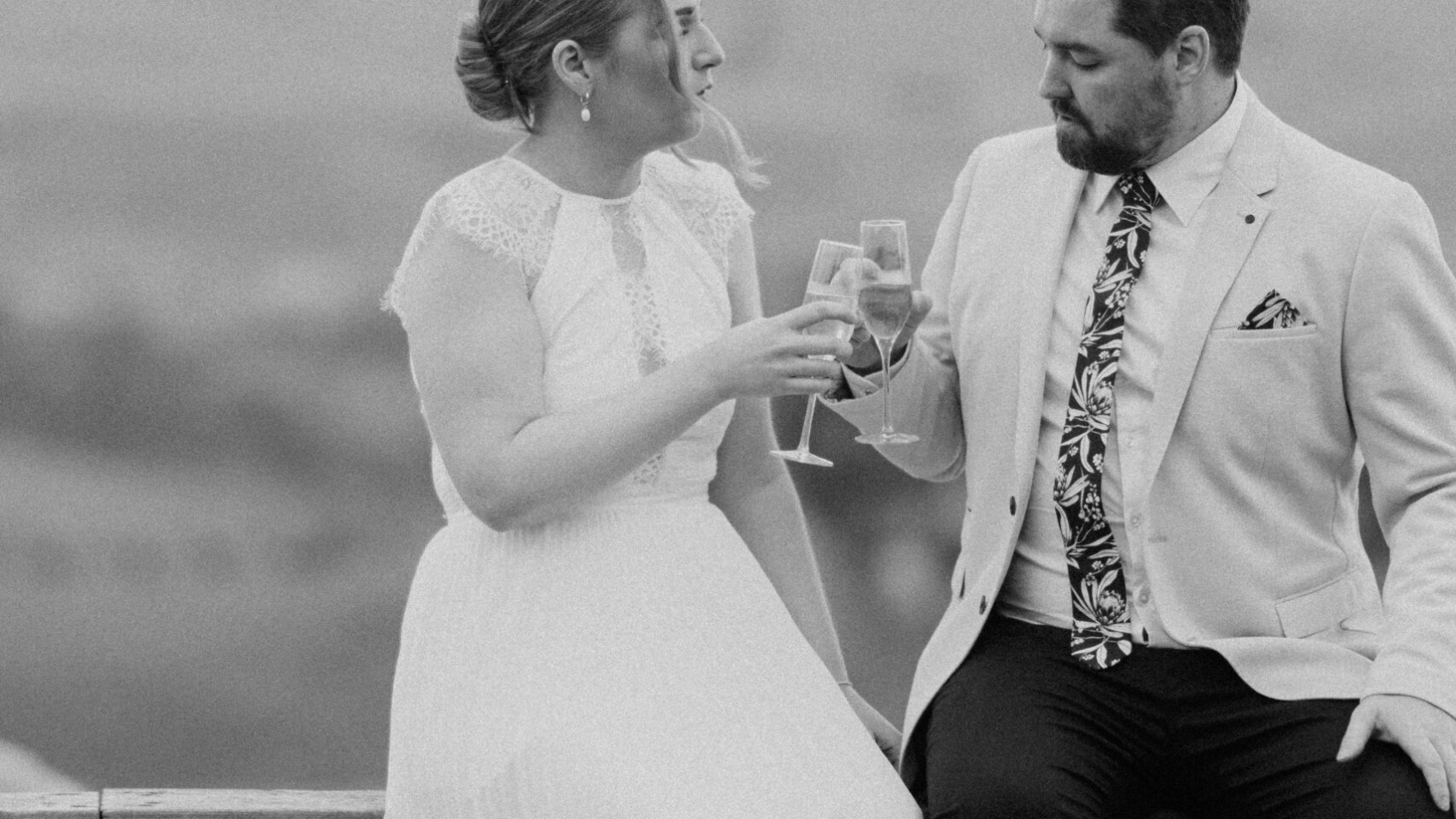
DSC03967

Time arrangement for makeup and styling of newlyweds in Melbourne wedding photography

Melbourne Wedding Photography: Timing Strategies for Bridal Hair & Makeup Preparation
Creating a flawless bridal look in Melbourne’s dynamic climate requires careful timing to balance weather, photography schedules, and personal comfort. Below is a guide to optimizing hair and makeup timelines across different wedding settings, ensuring stress-free preparation and stunning results.
wedding photography melbourne

Morning Ceremonies: Sunrise to Midday

Early Start for Coastal Weddings
Couples exchanging vows at Brighton Beach or Sorrento Back Beach should schedule hair and makeup 3.5–4 hours before the ceremony. Melbourne’s coastal humidity demands waterproof mascara and lightweight hairspray to withstand ocean breezes. Begin with makeup application at 6:30 AM, followed by hair styling by 7:30 AM, allowing time for touch-ups before the 9:00 AM ceremony.

Urban Venue Efficiency
For city ceremonies at venues like The Artillery Hotel or Melbourne Town Hall, a 3-hour window (e.g., 8:00 AM–11:00 AM) works well. Prioritize base makeup first to let it settle, then tackle intricate hairstyles like braided crowns or low buns. Schedule a 15-minute break midway to sip tea and hydrate, preventing makeup from settling into dry patches.

Lighting Considerations
Morning sunlight can wash out complexions in photos. Ask artists to use matte foundations and avoid shimmer on the T-zone. For hair, opt for voluminous styles that hold shape under natural light, reserving delicate updos for indoor receptions.

Afternoon Ceremonies: Midday to Early Evening

Garden Venue Adaptability
Outdoor ceremonies at Royal Botanic Gardens or Werribee Mansion require 2.5–3 hours of prep. Start with skincare (hydrating serums, SPF) at 11:00 AM to combat midday sun exposure. Apply makeup by 11:30 AM, focusing on long-wearing formulas, and style hair by 12:30 PM to let curls set before the 2:00 PM ceremony.

Heat Management Techniques
Melbourne’s afternoon warmth can melt makeup. Request setting sprays and blotting papers for touch-ups. For hair, choose loose waves or half-up styles with texture spray to resist frizz. Schedule a 10-minute “cool-down” period in a shaded area before final photos.

Transitioning for Reception
If the reception follows immediately, book artists for a 30-minute refresh post-ceremony. Add bold lip color, adjust hair accessories, and touch up blush to maintain a polished look through dinner and dancing.

Evening Ceremonies: Late Afternoon to Night

Golden Hour Glow Prep
Couples hosting sunset ceremonies at Docklands or St. Kilda Beach should begin prep 4 hours prior. Start with hair at 2:00 PM (e.g., sleek ponytails or vintage curls) to let styles mature. Apply makeup by 3:00 PM, using luminous primers to enhance the golden hour’s warm tones.

Artificial Lighting Prep
Evening receptions demand makeup that photographs well under indoor lighting. Opt for dewy finishes and false lashes to stand out in dim venues. For hair, secure styles with extra bobby pins to prevent slippage during dancing.

Last-Minute Adjustments
Schedule a 20-minute check-in with artists 1 hour before the ceremony. Fix smudged eyeliner, reapply lipstick, and ensure hair accessories sit perfectly. Carry a compact mirror and bobby pins for on-the-go fixes.

Practical Tips for Stress-Free Prep

  1. Trial Runs: Schedule hair and makeup trials 2–3 months before the wedding to test products and styles in Melbourne’s climate.
  2. Travel Time: Factor in 30 minutes for travel between the prep location and venue, especially during peak traffic.
  3. Backup Plans: Keep umbrellas or fans handy for unexpected weather changes.
  4. Team Coordination: If hiring separate artists for hair and makeup, ensure they align timelines to avoid overlap.

By tailoring timelines to Melbourne’s weather patterns and photography schedules, couples can achieve a radiant look that lasts from vows to the final dance.
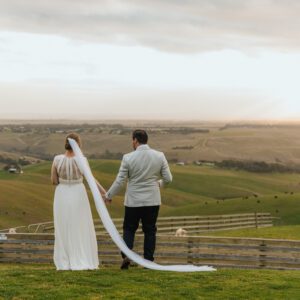
DSC03832

The shooting duration and time arrangement for various scenes in Melbourne wedding photography

Melbourne Wedding Photography: Scene-Specific Timing Strategies for Capturing Eternal Romance
Melbourne’s diverse landscapes—from historic architecture to coastal vistas—demand tailored timing strategies to maximize natural light and ambiance. Below is a curated guide to optimizing shooting schedules across key scenes, blending practical insights with artistic considerations.

wedding photography melbourne

Urban Heritage & Modern Elegance

St. Patrick’s Cathedral (Collins Street)
The cathedral’s stained-glass windows and Gothic arches shine brightest during the golden hour (8:00–10:00 AM), when soft morning light filters through clerestory windows, casting a divine glow on bridal details. For interior shots, avoid midday harshness; instead, schedule 11:00 AM–1:00 PM to leverage diffused light from side windows. Pair long-exposure shots of arched corridors with quick captures of couples exchanging vows near altar steps.

Docklands Modern Architecture
Geometric lines and reflective surfaces at Docklands demand mid-afternoon light (2:00–4:00 PM). Use the Woolworths Level 5 rooftop for panoramic city views, timing shots to align with the sun’s angle for balanced exposure. For street-level shots, the blue hour (30 minutes post-sunset) adds a cinematic sheen to retro cars and neon signage.

Coastal Romance & Natural Drama

Brighton Beach & St. Andrews Beach
Beach scenes thrive during low tide (check local charts) paired with golden hour (1 hour before sunset). Position couples near tide pools for dynamic foregrounds, or use dunes as natural frames. At St. Andrews Beach, the magic hour (sunset + 15 minutes) casts a warm hue over cliffs, perfect for silhouette shots against crashing waves.

Mornington Peninsula’s Cape Schanck Lighthouse
Reef-rock formations demand precise timing. Schedule 2 hours before low tide to expose tidal pools and rugged textures. For lighthouse portraits, sunrise (6:30–7:30 AM) offers soft backlighting, while midday shots (11:00 AM–1:00 PM) highlight architectural details against a deep blue sky.

Botanical & Rustic Charm

Royal Botanic Gardens
Lush foliage and floral paths peak during morning dew (7:00–9:00 AM), when petals glisten and light diffuses through tree canopies. For rose garden shots, late afternoon (4:00–6:00 PM) creates warm tones; use bokeh effects with out-of-focus blooms as backdrops.

Yarra Valley Vineyards
Rustic barns and vine rows demand overcast skies or golden hour to avoid harsh shadows. Schedule 10:00 AM–12:00 PM for diffused sunlight through grapevines, or sunset (5:30–7:00 PM) for warm tones on wooden doors and cobblestone paths.

Street Art & Cultural Vibrancy

Hosier Lane
Murals change frequently, so prioritize mid-morning (9:00–11:00 AM) when light is even and crowds are sparse. Use wide-angle lenses to capture entire walls, then zoom in for details like graffiti tags or street signs. For candid shots, engage couples in playful interactions (e.g., “writing” love notes on walls).

Fitzroy Town Hall
Neoclassical columns and wrought-iron gates shine during late morning (10:00 AM–12:00 PM), when sunlight highlights intricate carvings. Pair formal portraits with spontaneous moments, like the bride adjusting her veil near stone steps.

Practical Considerations for Seamless Shoots

  1. Light Transitions: Move from bright exteriors to shaded interiors as the day progresses to avoid overexposure.
  2. Weather Flexibility: Reserve 30-minute buffers between scenes to adapt to sudden rain or wind.
  3. Couple Comfort: Schedule breaks during peak heat (12:00–2:00 PM) and provide hydration stations.
  4. Golden Hour Rush: Prioritize coastal or open-field scenes during the final hour of daylight to capitalize on warm tones.

By aligning scenes with Melbourne’s unique light cycles and cultural rhythms, photographers can craft timeless narratives that resonate with the city’s eclectic spirit.

wedding photography melbourne

The schedule for the second make-up shoot of wedding photography in Melbourne

Melbourne Wedding Photography: Navigating Reshoot Scheduling for Flawless Results
Unexpected issues like weather disruptions, equipment malfunctions, or last-minute wardrobe changes can necessitate a reshoot. Effective time management and clear communication ensure couples receive their desired images without unnecessary stress. Here’s how to structure the process from initial assessment to final delivery.

Assessing the Need for a Reshoot: Identifying Critical Gaps

Not all imperfections require a redo. Start by evaluating which gaps impact the storytelling or emotional impact of the photos.

  • Technical Review: Check for focus errors, exposure issues, or unintended shadows. If key moments (e.g., vows, first kiss) are blurry or overexposed, prioritize reshooting those scenes. A 2024 Yarra Valley session needed a redo after rain caused lens fogging during outdoor portraits.
  • Client Feedback Integration: Discuss dissatisfaction points openly. If the bride mentions, “The group shots feel stiff,” explore whether reshooting with a different posing approach could resolve it.
  • Logistical Constraints: Factor in time limits. For a sunset-dependent shoot, determine if the original time slot can be replicated. If not, consider alternative lighting setups instead of a full reshoot.

Example: During a St. Kilda Beach session, strong winds ruined hair and gown shots. The photographer assessed that only the beachside portraits needed redoing, sparing the couple from repeating indoor scenes.

Reshoot Timing: Aligning with Weather, Availability, and Light

Selecting the right day and time minimizes disruptions and enhances photo quality.

  • Weather Window Planning: For outdoor reshoots, track forecasts using reliable apps. Aim for 2–3 potential dates with stable conditions. A 2025 Brighton session rescheduled twice due to rain before landing on a calm, overcast day ideal for soft lighting.
  • Client Schedule Coordination: Cross-check the couple’s availability with your calendar. Offer flexible slots, such as early mornings or weekdays, to accommodate busy professionals. One Fitzroy Gardens reshoot succeeded by booking a 7 AM slot to avoid midday crowds.
  • Golden Hour Replication: If the original shoot missed optimal light, recreate the timing. For a Melbourne CBD session, the photographer adjusted the reshoot to match the original sunset angle, ensuring consistency in color tones.

Case Study: A 2023 Australia Day shoot faced equipment failure during nighttime cityscape shots. The photographer rescheduled for the same evening a week later, using backup gear to capture identical lighting conditions.

Streamlining the Reshoot Process: Efficiency Without Compromise

Keep the reshoot focused and stress-free by refining workflows and expectations.

  • Pre-Reshoot Checklists: Verify gear functionality, battery levels, and memory card space beforehand. Assign roles to avoid confusion—one team member handles lighting, another manages client coordination.
  • Client Preparation Briefs: Provide clear instructions for wardrobe, accessories, and timing. For a reshoot requiring the same outfit, advise, “Bring the gown on a hanger to avoid wrinkles during transit.”
  • On-Site Adaptability: Stay flexible if minor issues arise. During a 2024 Carlton Gardens reshoot, a sudden gust of wind required quick posing adjustments. The photographer improvised by using nearby trees as windbreaks.

Pro Tip: Use a “dry run” approach for complex setups. Before the reshoot, test lighting and angles at the location to troubleshoot potential problems.

Post-Reshoot Communication: Managing Expectations and Deliverables

Transparent dialogue ensures couples feel informed and valued after the reshoot.

  • Immediate Feedback Loops: Share a few preview images within 24 hours to reassure clients. For a Yarra Valley reshoot, sending a sharp portrait of the couple’s embrace eased concerns about the redo’s success.
  • Edit Consistency Checks: Ensure reshot images match the original set’s style. If the first shoot had a moody tone, adjust the reshoot’s edits to align. A St. Kilda session maintained cohesion by replicating color grading across both batches.
  • Final Delivery Timelines: Communicate revised deadlines clearly. Explain, “The reshoot added 3 days to our editing process, but we’ll prioritize your gallery to deliver by Friday.”

Example: After a Melbourne Laneways reshoot fixed focus issues in street portraits, the photographer emailed the couple with a side-by-side comparison of the original and corrected shots, building trust in the process.

By methodically assessing reshoot needs, aligning timing with practical factors, optimizing on-site workflows, and maintaining open communication, Melbourne wedding photographers can turn reshoots into opportunities for excellence rather than setbacks.