IMG_8216

Time arrangement for communication on photo selection for wedding photography in Melbourne

Melbourne Wedding Photography: Streamlining Image Selection Communication for Stress-Free Results
Effective communication during the image selection process ensures couples receive photos that align with their vision while maintaining a smooth workflow. From scheduling consultations to clarifying preferences, structured timing and clear dialogue prevent misunderstandings and delays.

wedding photography melbourne

Pre-Selection Preparation: Setting the Stage for Efficiency

Preparing clients and organizing materials ahead of time streamlines the selection process.

  • Early Access to Galleries: Provide couples with a secure online gallery 3–5 days before the scheduled selection meeting. This allows them to review images privately, note favorites, and identify themes they love (e.g., candid moments, specific locations).
  • Guided Questionnaires: Send a pre-meeting survey asking about priorities, such as “Which poses feel most authentic to you?” or “Are there any shots you’d like to exclude?” This helps narrow down choices before discussions begin.
  • Technical Setup Check: Ensure the viewing space (in-person or virtual) has reliable internet, a large screen, and backup options (e.g., USB drives). A 2024 Melbourne Laneways shoot used a projector to display images, making it easier for the couple to compare frames.

Example: A couple reviewing photos from a St. Kilda Beach session marked 15 favorites in advance. During their meeting, the photographer focused on refining those choices instead of starting from scratch, saving 40 minutes.

Structured Consultation Timing: Balancing Depth and Pace

Allocating time wisely during the selection meeting keeps discussions productive.

  • Segmented Review Sessions: Break the gallery into categories (e.g., portraits, group shots, detail close-ups). Spend 10–15 minutes per category, asking targeted questions like, “Do these family photos capture the energy you wanted?”
  • Prioritization Techniques: Use a “three-pass” method: First, eliminate obvious dislikes; second, highlight top contenders; third, finalize choices. For a Yarra Valley shoot, this approach reduced 200 images to 50 finalists in under an hour.
  • Client-Led Pacing: Let the couple set the rhythm. If they linger on a set of candids, ask, “Shall we spend a few more minutes here, or move to the next group?” to respect their engagement without rushing.

Case Study: During a 2025 Brighton session, the bride paused frequently to discuss outfit details. The photographer adjusted by grouping similar shots together, allowing focused debates without derailing the timeline.

Handling Disagreements: Navigating Differences Gracefully

Conflicting opinions are natural; structured communication resolves them without tension.

  • Neutral Mediation: If couples disagree, guide them to articulate specifics. For example, say, “Bride, you prefer the smile in Frame 12, while the groom likes the pose in Frame 23. What about merging elements from both?”
  • Compromise Solutions: Offer alternatives like creating a collage of favored shots or adjusting edits (e.g., brightening a dimly lit photo the groom loves). A 2023 Fitzroy Gardens session resolved a debate by blending two images into a composite.
  • Emotional Validation: Acknowledge feelings without judgment. If the bride hesitates over a photo, respond with, “It’s okay to feel unsure—let’s revisit this after looking at the next set.”

Pro Tip: Use phrases like “I notice…” or “Many couples choose…” to frame suggestions neutrally. For instance, “I notice you both smiled wider in outdoor shots—would you like more of those?”

Post-Meeting Follow-Up: Ensuring Clarity and Satisfaction

Clear next steps after the selection meeting prevent lingering doubts.

  • Detailed Confirmation Emails: Summarize chosen images, edit requests (e.g., “Remove the stray hair in Frame 34”), and delivery timelines. Include screenshots of final selections for reference.
  • Open Revision Channels: Encourage clients to request minor tweaks post-meeting. A 2024 Australia Day shoot allowed the couple to swap one photo after realizing a group shot missed a family member.
  • Feedback Loops: Ask for input on the process itself. A simple, “How could we improve your selection experience?” often reveals actionable insights, like offering shorter virtual sessions for busy couples.

Example: After a Melbourne CBD session, the photographer sent a follow-up email with annotated images highlighting edits. The couple approved all changes within 24 hours, avoiding back-and-forth delays.

By preparing clients in advance, structuring consultations thoughtfully, resolving disagreements diplomatically, and following up proactively, Melbourne wedding photographers can turn image selection into a collaborative, efficient process that leaves couples delighted with their final photos.
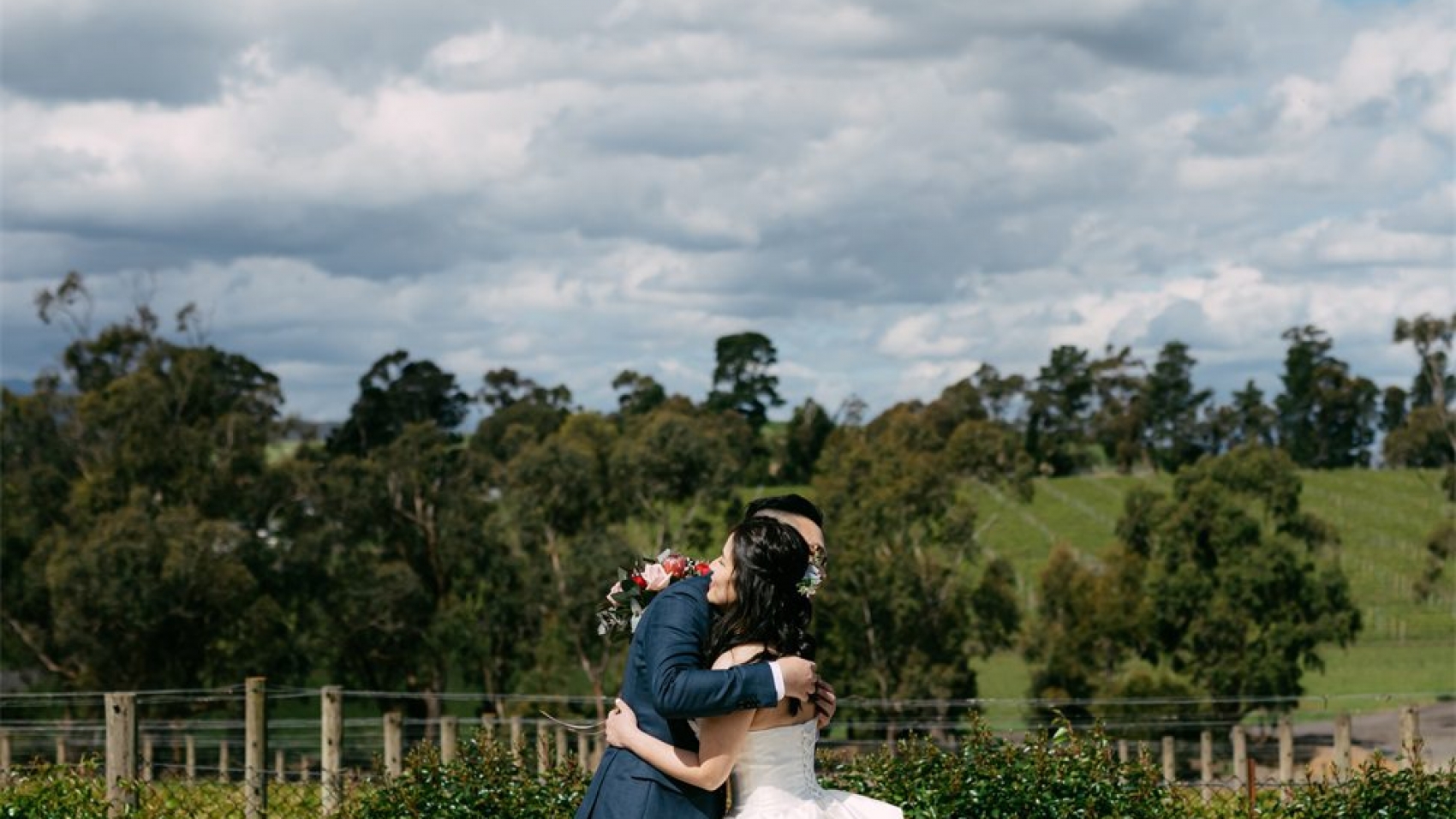
wedding photography melbourne

Time arrangement for dealing with overtime in Melbourne wedding photography

Melbourne Wedding Photography: Managing Overtime Scenarios with Flexible Time Strategies
Unexpected delays during Melbourne wedding photoshoots can disrupt schedules, but proactive planning and adaptability ensure couples still receive memorable images without added stress. From traffic jams to wardrobe mishaps, understanding how to reallocate time and resources keeps the session on track.

wedding photography melbourne

Pre-Shoot Contingency Planning: Building Buffer Zones

Anticipating delays starts with structuring the timeline to absorb interruptions.

  • Extended Time Blocks: Allocate 15–20% more time than the estimated shoot duration. For a 6-hour session, plan for 7 hours to accommodate unexpected pauses. This buffer allows flexibility if a gown change takes longer or lighting adjustments are needed.
  • Prioritized Shot Lists: Rank photo sequences by importance. Focus on capturing key moments (e.g., first look, family portraits) early in the session. If time runs short, less critical shots (like decor details) can be adjusted or rescheduled.
  • Client Communication: Discuss potential delays during the pre-shoot consultation. Explain that overtime might occur but assure them the focus remains on quality. For example, say, “We’ll adjust if traffic slows us down, but we’ll never rush your portraits.”

Example: A 2024 Yarra Valley shoot scheduled 7 hours but allocated 8 hours due to past delays. When a gown zipper jammed mid-session, the extra hour prevented cutting into golden hour shots.

On-Site Time Optimization: Streamlining Workflows

Efficiency during the shoot minimizes the risk of overtime.

  • Parallel Task Management: Assign roles to avoid bottlenecks. While the photographer captures candids, an assistant can organize gear or steam wrinkles. At a St. Kilda beach shoot, one team member prepped the next location while another adjusted lighting.
  • Dynamic Location Shifts: If a spot becomes time-consuming, pivot to a nearby backup. For a Fitzroy Gardens session, moving to a quieter alley when crowds gathered saved 20 minutes of waiting.
  • Client-Centric Pacing: Monitor the couple’s energy. If fatigue slows progress, take a 10-minute break for refreshments. A relaxed couple poses more naturally, reducing the need for retakes later.

Case Study: During a 2025 Brighton shoot, the bride’s veil tangled during a windy outdoor session. The team paused to fix it while the groom interacted with seagulls, creating candid shots that filled the gap.

Real-Time Adjustments: Handling Unforeseen Delays

When delays occur, quick decisions prevent cascading issues.

  • Traffic and Transit Solutions: If en route to a location, use real-time apps to reroute. For a Melbourne CBD shoot, switching from a congested road to a tram saved 30 minutes.
  • Wardrobe Quick Fixes: Keep a sewing kit, safety pins, and steamer on hand for last-minute alterations. A 2023 Carlton Gardens session avoided a 15-minute delay by pinning a loose gown strap on-site.
  • Lighting Adaptability: If natural light fades faster than planned, switch to artificial lighting setups. Using portable LED panels during a dusk shoot in Southbank maintained consistency without extending hours.

Pro Tip: Designate a “timekeeper” (often the assistant) to track progress against the schedule. This person can say, “We have 10 minutes left here—let’s focus on your favorite pose!” to maintain urgency.

Post-Delay Recovery: Balancing Quality and Timeliness

After a delay, prioritize actions that deliver results without overworking the team.

  • Selective Retakes: If time is lost, identify shots needing improvement. Instead of reshooting entire sequences, focus on key frames (e.g., a blurry ring close-up).
  • Client Collaboration: Involve the couple in decisions. Ask, “Would you prefer to skip the sunset shots and finish early, or adjust the timeline?” to respect their preferences.
  • Post-Production Flexibility: If overtime is unavoidable, explain that editing may take slightly longer. Assure clients that the focus remains on delivering polished images, even if delivery is delayed by a day.

Example: A 2024 Australia Day shoot ran 45 minutes overdue due to parade crowds. The photographer captured fewer decor shots but prioritized couple portraits, later enhancing background elements in editing to compensate.

By integrating buffer periods, optimizing workflows, adapting to delays, and collaborating with clients, Melbourne wedding photographers can manage overtime scenarios gracefully, ensuring the final images reflect the couple’s vision without compromising their experience.

wedding photography melbourne

The time arrangement for wedding photography in Melbourne during holidays to avoid crowds

Melbourne Wedding Photography: Navigating Holiday Crowds for Seamless Bridal Shoots
Capturing intimate wedding photos during Melbourne’s holidays requires strategic timing to avoid crowds while leveraging festive backdrops. From public events to seasonal closures, understanding peak times and alternative locations ensures couples get stunning shots without the chaos.

wedding photography melbourne

Researching Holiday-Specific Crowd Patterns

Melbourne’s holidays bring unique foot traffic, demanding location-specific insights.

  • Public Event Calendars: Cross-reference wedding dates with local festivals, parades, or markets. For example, Christmas markets in Federation Square or Melbourne Cup Day attract thousands, making early morning shoots (7–9 AM) ideal for quieter scenes.
  • Venue Accessibility: Check if popular spots like St. Kilda Beach or the Royal Botanic Gardens impose holiday restrictions. Some parks close gates after dark, while others limit photography permits during events.
  • Transportation Flow: Factor in holiday traffic. Roads near the Melbourne CBD may clog during Boxing Day sales, so opt for tram-accessible locations like Southbank or train stations to minimize delays.

Example: A 2024 Easter shoot avoided the busy Queen Victoria Market by choosing the serene Fitzroy Gardens, where morning light and fewer visitors created a peaceful atmosphere.

Timing Strategies for Low-Crowd Windows

Maximize quiet periods by aligning shoots with natural lulls.

  • Early Bird Advantage: Arrive 1–2 hours before public venues open. For a Brighton Beach shoot on Australia Day, starting at 6:30 AM allowed the couple to pose on empty sands before beachgoers arrived.
  • Post-Peak Hour Shifts: Schedule sessions after typical event end times. If a holiday fair closes at 5 PM, begin shooting at 6 PM to capture golden hour light without crowds.
  • Weekday Alternatives: Avoid weekends during major holidays. A Valentine’s Day shoot on a Wednesday in the Melbourne Laneways offered quieter streets compared to Saturday’s bustle.

Case Study: During a 2025 Labour Day weekend, a team split the shoot into two sessions: sunrise at Williamstown Beach (empty until 8 AM) and late afternoon at the Melbourne Museum (post-tourist hours).

Dynamic Adjustments for Unpredictable Crowds

Flexibility is key when crowds disrupt plans.

  • Backup Location Protocol: Identify 2–3 nearby alternatives if a spot becomes crowded. For a Christmas shoot near Flinders Street Station, the team shifted to a quieter alley off Degraves Street when tourists flooded the main area.
  • Creative Framing Techniques: Use angles to exclude crowds. Shooting upward from a low vantage point at the National Gallery of Victoria can isolate the couple against the building’s architecture.
  • Client Communication: Keep the couple informed about changes. If a park becomes packed, explain the pivot to a nearby rose garden while emphasizing the unique backdrop it offers.

Pro Tip: Use real-time crowd-tracking apps like Google Maps’ “Popular Times” feature to monitor foot traffic at potential locations throughout the day.

Leveraging Off-Peak Festive Spots

Melbourne hides quieter holiday gems for intimate shoots.

  • Residential Neighborhoods: Explore streets with holiday decorations in suburbs like Carlton or South Yarra. These areas peak in the evening but remain calm during midday.
  • Cultural Institutions: Museums or galleries with holiday-themed exhibits often have quieter hours. The Melbourne Museum’s “Summer Nights” event, for example, offers late access with controlled entry.
  • Waterfront Alternatives: Instead of St. Kilda, consider quieter spots like the Docklands or Albert Park Lake, where holiday crowds are sparser.

Example: A 2023 New Year’s Eve shoot avoided the CBD fireworks by photographing the couple at a private dock in Elwood, using long-exposure techniques to capture city lights without the chaos.

By combining research, strategic timing, adaptability, and creative location scouting, Melbourne wedding photographers can turn holiday crowds into an advantage, delivering magical photos while keeping the experience stress-free for couples.