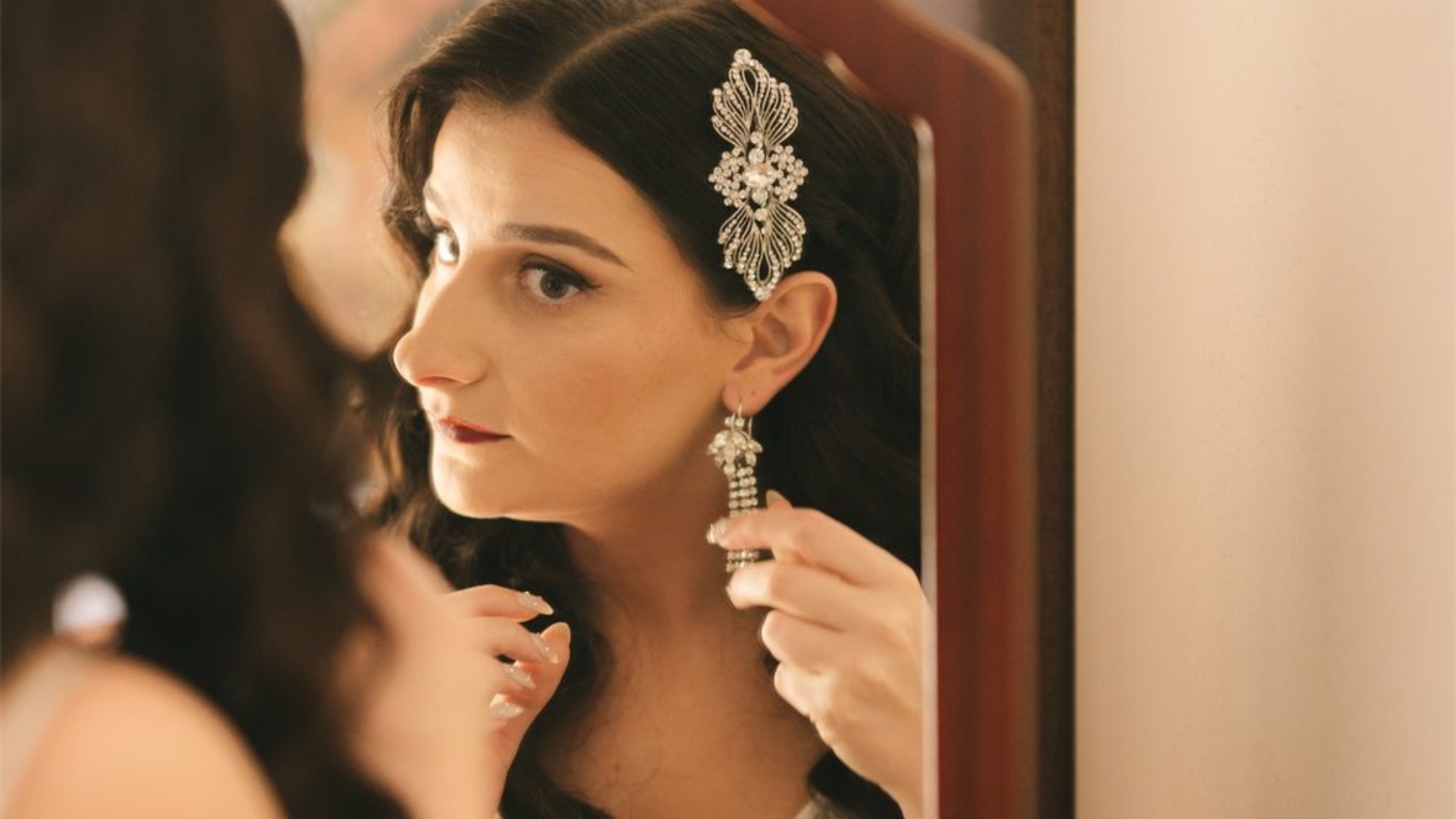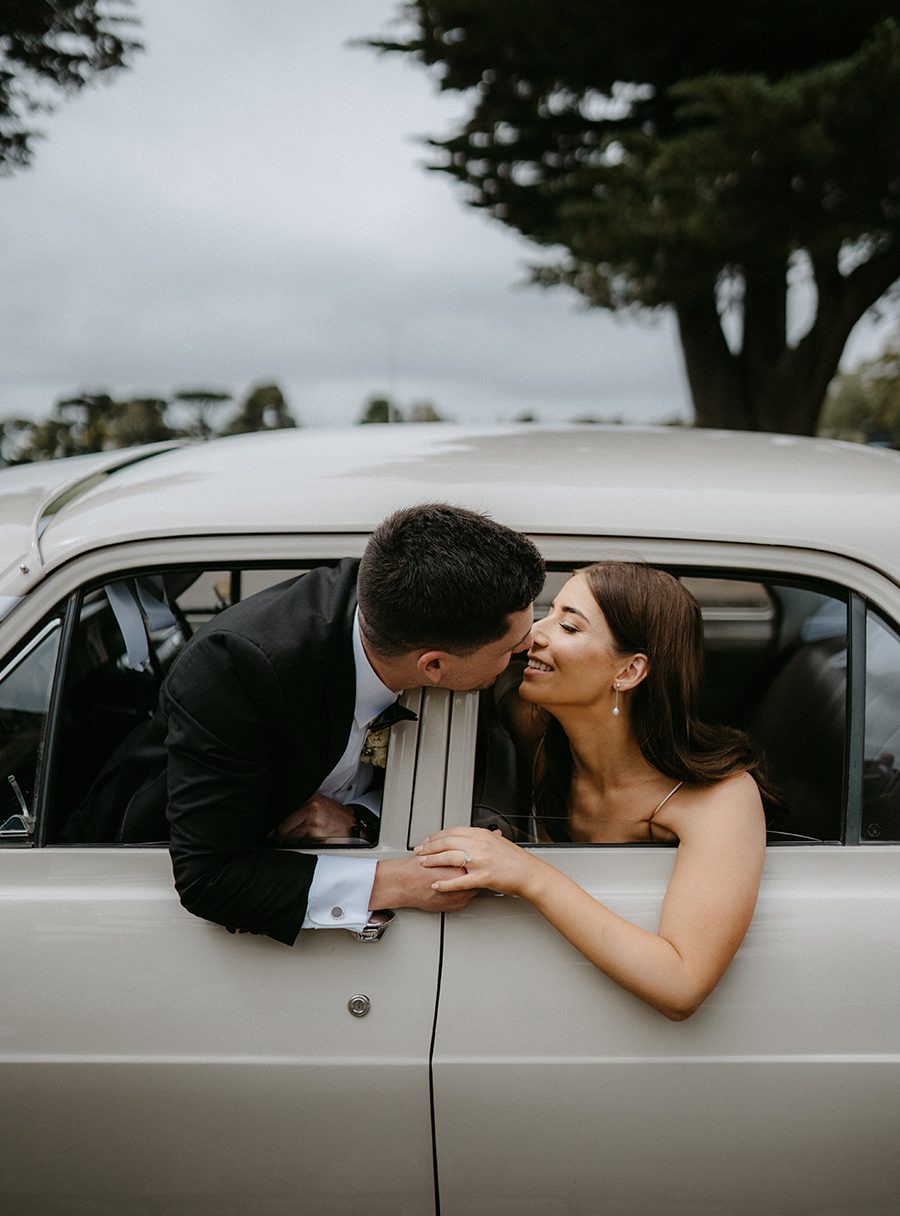
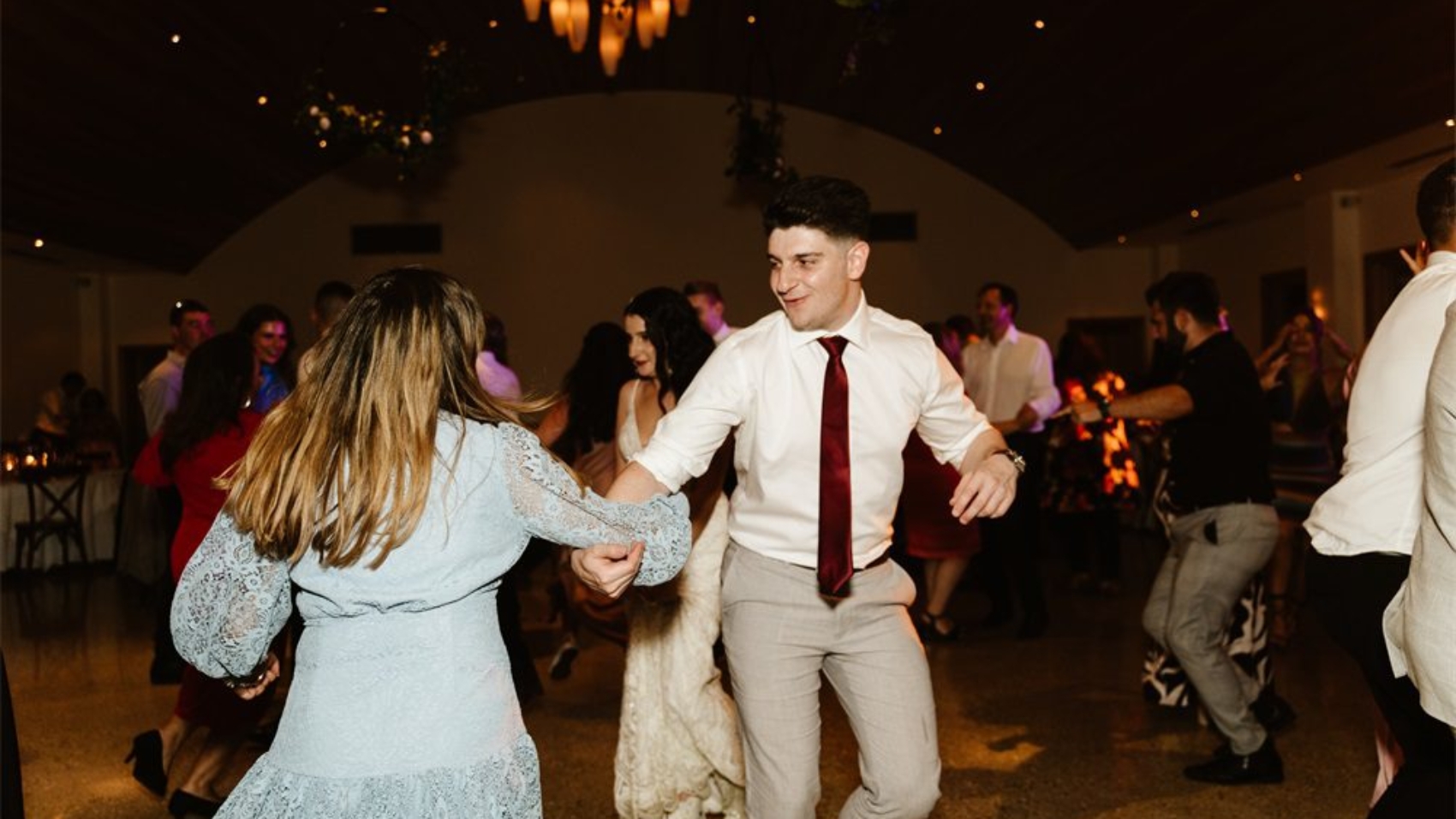
wedding photography melbourne

Time arrangement for changing and organizing wedding photography outfits in Melbourne

Melbourne Wedding Photography: Efficient Wardrobe Transition Timing for Bridal Sessions
Managing outfit changes during a Melbourne wedding photoshoot requires precision to maintain the couple’s energy and keep the schedule on track. From coordinating with stylists to optimizing storage, strategic timing ensures seamless transitions between gowns, suits, and accessories.

wedding photography melbourne

Pre-Shoot Organization: Streamlining Wardrobe Preparation

Thorough preparation minimizes chaos on the wedding day.

  • Venue-Specific Storage Solutions: Assess the shooting location’s space to designate areas for clothing storage. For a Melbourne CBD rooftop shoot, use waterproof garment bags and portable racks to protect outfits from wind or rain. In a historic venue like Como House, utilize unused rooms or cloakrooms for secure storage.
  • Outfit Sequencing Plan: Collaborate with the couple to prioritize outfits based on shooting order. A bride might wear a lightweight gown for outdoor shots first, followed by a heavier ball gown for indoor portraits. Label each outfit with tags indicating its sequence (e.g., “First Look,” “Reception”).
  • Stylist-Photographer Briefing: Schedule a 20-minute meeting before the shoot to align on timing. The stylist should know when to have each outfit ready, while the photographer can plan lighting setups around transitions. For example, if a suit change requires cufflink adjustments, the stylist might start this during the bride’s gown alteration.

Example: During a 2024 St. Kilda beach photoshoot, the team used color-coded hangers to differentiate outfits, reducing setup time by 30% as the couple moved between casual and formal looks.

Day-Of Timing: Structuring Changes Around Key Moments

Efficient transitions depend on aligning wardrobe changes with the wedding timeline.

  • Buffer Periods for Adjustments: Allocate 15–20 minutes between outfit changes to account for unexpected delays. If a gown’s zipper gets stuck, this buffer prevents rushing the couple or cutting into shooting time. A photographer might use this period to capture detail shots of rings or shoes.
  • Client Comfort Breaks: Schedule changes during natural pauses, such as after a sunset shoot or before the reception. Offer the couple water, snacks, or a quiet space to rest while the team reorganizes. For a winter wedding, provide heated blankets during outdoor transitions.
  • Team Role Distribution: Assign specific tasks to avoid bottlenecks. One team member might steam wrinkles while another assists with shoes or jewelry. At a Brighton Bathing Boxes shoot, an assistant carried a portable mirror to help the bride adjust her hair between outfits.

Case Study: At a 2025 Yarra Valley wedding, the team divided responsibilities: the stylist handled gown changes, the photographer scouted new angles, and the assistant packed used outfits. This分工 (role distribution) reduced downtime to under 10 minutes per transition.

Dynamic Problem-Solving: Adapting to On-Site Challenges

Unexpected issues demand quick thinking to keep the schedule intact.

  • Weather Contingency Plans: If rain disrupts an outdoor shoot, pivot to indoor locations with accessible changing areas. Keep outfits in waterproof covers and use handheld steamers for quick touch-ups. For a Fitzroy Garden wedding, the team moved to a nearby café when storms hit.
  • Last-Minute Alterations: Address fit issues immediately. If a suit jacket feels tight, the stylist might loosen buttons or adjust the hem while the couple poses. Keep a sewing kit and safety pins on hand for emergencies.
  • Communication Protocols: Use walkie-talkies or group messaging to relay changes. If the bride decides to wear a different accessory, the stylist can notify the photographer to adjust lighting for the new look.

Pro Tip: Designate a “wardrobe lead” (often the stylist or assistant) to track time and guide the couple through changes. This person can say, “We have five minutes left—let’s finalize your veil!” to maintain urgency without stress.

Post-Change Verification: Ensuring Readiness for Shooting

Double-checking details prevents rework and maintains quality.

  • Final Inspection Checklist: After each change, verify that outfits are wrinkle-free, accessories are secure, and shoes match the style. A photographer might ask, “Does the lapel pin feel loose?” to catch issues early.
  • Client Feedback Loop: Encourage the couple to voice concerns. If a gown’s neckline feels uncomfortable, the stylist can adjust it while the photographer captures candid moments of the couple laughing.
  • Gear and Prop Synchronization: Ensure shoes, veils, or boutonnieres align with the current outfit. For a beach shoot, the team might swap formal heels for sandals and adjust the lighting to highlight the new footwear.

Example: During a 2023 Carlton Gardens session, the bride noticed a loose thread on her dress. The stylist trimmed it while the photographer shifted focus to the groom’s cufflinks, avoiding a delay.

By prioritizing preparation, structured timing, adaptability, and verification, Melbourne wedding photography teams can manage wardrobe transitions smoothly, ensuring the couple feels confident and the schedule stays on course.
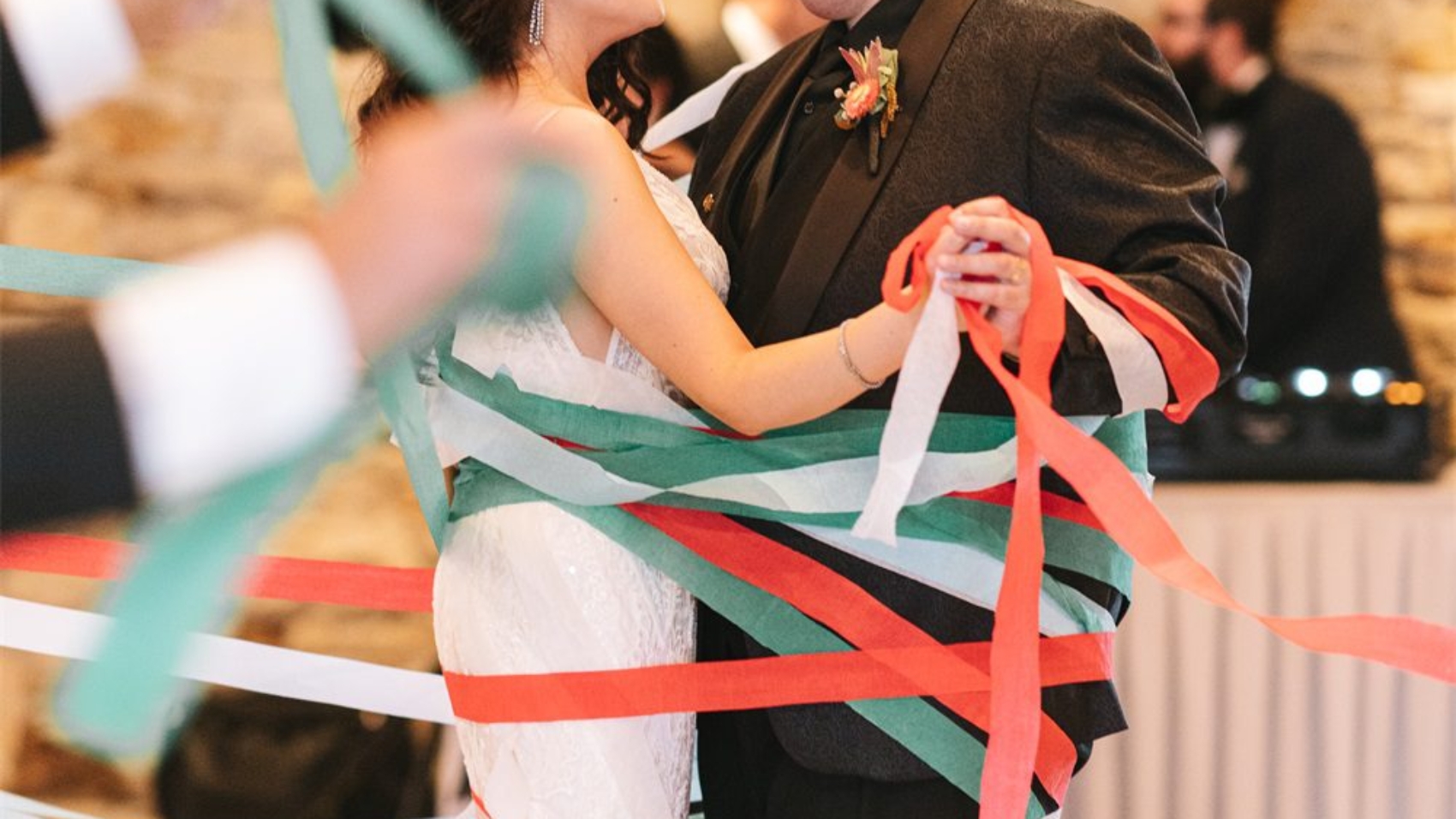
wedding photography melbourne

Time arrangement for lighting adjustment of night wedding photos in Melbourne

Melbourne Wedding Photography: Nighttime Lighting Setup Timing for Bridal Portraits
Capturing stunning nighttime wedding photos in Melbourne requires meticulous planning, especially when it comes to lighting. Balancing ambient city lights, artificial sources, and natural elements demands strategic timing to achieve flawless results without compromising the couple’s experience.

wedding photography melbourne

Pre-Shoot Scouting: Identifying Optimal Lighting Windows

Understanding Melbourne’s unique nighttime environment is critical for efficient setup.

  • Twilight Transition Periods: Schedule scouting sessions 30–45 minutes before sunset to observe how natural light fades and artificial lights activate. For example, a photographer might note when streetlamps near the Flinders Street Station turn on, creating a soft glow for couple portraits.
  • Venue-Specific Lighting Patterns: Different locations require tailored approaches. A rooftop venue with city skyline views might need adjustments to avoid harsh overhead lights, while a riverside spot like the Yarra River could leverage reflective water surfaces for natural fill.
  • Client Availability Alignment: Coordinate scouting times with the couple’s schedule. If they prefer an evening rehearsal dinner, use the hour before to test lighting setups while they’re occupied elsewhere.

Example: During a 2024 scout at Melbourne’s Docklands, a photographer discovered that waiting until 15 minutes after sunset allowed for balanced exposure between the couple and the illuminated marina.

Day-Of Timing: Structuring Setup Around Key Moments

Efficient lighting adjustments hinge on aligning tasks with the wedding timeline.

  • Early Evening Preparation: Begin setting up lighting gear 1–2 hours before the scheduled nighttime shoot. This includes positioning strobes, softboxes, or LED panels in discreet locations. For a St. Kilda beach shoot, the team might anchor lights to dunes to avoid wind disruption.
  • Golden Hour to Blue Hour Transition: Use the 20–30 minutes after sunset (blue hour) to fine-tune lighting ratios. During this period, natural light diminishes rapidly, requiring quick adjustments to artificial sources. A photographer might switch from a higher ISO to external flashes as ambient light fades.
  • Client-Centric Pacing: Break setup into 10–15 minute segments to avoid keeping the couple waiting. While adjusting lights for a close-up shot, the assistant could engage the couple in conversation to keep them relaxed.

Case Study: At a 2025 Fitzroy Garden wedding, the team divided tasks: one member positioned lights near a fountain, another tested exposure settings, and a third guided the couple to a shaded area for makeup touch-ups during setup.

Dynamic Adjustments: Responding to Environmental Changes

Melbourne’s unpredictable weather and urban activity demand real-time modifications.

  • Weather Contingency Plans: If rain interrupts an outdoor shoot, pivot to covered locations like laneways or arches. Keep lighting gear waterproofed and test indoor alternatives (e.g., window-lit portraits) 30 minutes before the scheduled time.
  • Crowd and Traffic Management: In busy areas like Bourke Street Mall, monitor foot traffic patterns. Schedule lighting tests during lulls to avoid interference. A photographer might pause setup during peak hours and resume when crowds thin.
  • Technical Troubleshooting: Allocate 5–10 minutes before each lighting setup to check battery levels, sync devices, and test communication between team members. For wireless triggers, confirm signal strength in advance.

Pro Tip: Use a smartphone app to track sunset times and weather forecasts, adjusting the schedule accordingly. For instance, if clouds delay twilight, reschedule intimate couple shots to later in the evening when lights stabilize.

Collaborative Workflow: Synchronizing Roles for Efficiency

Clear role distribution prevents overlap and accelerates setup.

  • Lead Photographer’s Focus: Direct lighting positioning while the couple practices poses. For example, the lead might ask, “Can you step closer to that lamppost?” while an assistant adjusts the strobe angle.
  • Assistant’s Responsibility: Handle gear transportation, battery swaps, and minor adjustments. During a Carlton Gardens shoot, an assistant might carry a portable reflector to bounce light onto the couple’s faces without interrupting the flow.
  • Stylist’s Contribution: Ensure outfits and accessories complement lighting. A stylist might suggest a flowy dress for wind-blown shots near the Brighton Bathing Boxes or adjust a veil to catch city lights.

Example: At a 2023 Southbank wedding, the team used hand signals to communicate adjustments—a raised finger meant “increase flash power,” while a tap on the shoulder signaled “move the light left.”

By prioritizing scouting, structured timing, adaptability, and teamwork, Melbourne wedding photographers can master nighttime lighting setups, ensuring couples shine in every frame without unnecessary delays.

DSC09009

The time arrangement for the gathering and connection of the Melbourne wedding photography team

Melbourne Wedding Photography Team Coordination: Timing Strategies for Seamless Integration
Effective team coordination is the backbone of a successful Melbourne wedding photography shoot. From photographers and assistants to stylists and videographers, aligning schedules ensures clarity, reduces stress, and maximizes creative output.

Pre-Shoot Communication: Establishing Clear Timelines

Open dialogue before the shoot day minimizes misunderstandings and streamlines workflows.

  • Initial Briefing Sessions: Schedule a virtual or in-person meeting 1–2 weeks prior to discuss roles, shot lists, and timing expectations. For example, the lead photographer might outline key moments (e.g., first look, family portraits) while the assistant coordinates gear setup.
  • Shared Digital Calendars: Use tools like Google Calendar to sync team availability. Include buffer periods for travel, equipment checks, and unexpected delays. A 2024 team avoided overlap by marking “no-meeting zones” during client consultations.
  • Contingency Planning: Discuss backup strategies for bad weather or technical issues. A videographer might prepare indoor lighting gear if rain is forecasted, while stylists could bring alternative outfits for location changes.

Example: A Melbourne-based team used a shared Slack channel to post real-time updates during a 2025 shoot, adjusting timelines when a ceremony ran 15 minutes late.

Day-Of Coordination: Synchronizing Arrival and Setup

Timing precision on the wedding day prevents bottlenecks and ensures a smooth start.

  • Staggered Arrival Times: Assign staggered arrival windows based on role. Photographers might arrive 1 hour before the ceremony to scout angles, while assistants arrive 30 minutes earlier to set up tripods and lighting.
  • Location-Specific Checklists: Tailor setup tasks to each venue. For a beach wedding, the team might prioritize windproof gear and sandbags for equipment. In a historic venue, they’d confirm permission for tripod placement.
  • Client-Team Alignment: Coordinate arrival times with the couple’s schedule. If the bride plans a 10:00 AM hair appointment, the stylist should arrive by 9:30 AM, while the photographer arrives by 9:45 AM for pre-ceremony shots.

Case Study: During a 2023 Yarra Valley shoot, the team split into two subgroups: one handled outdoor landscapes while the other prepared indoor reception gear, merging seamlessly after the ceremony.

Real-Time Adjustments: Adapting to On-Site Dynamics

Flexibility is critical when unforeseen circumstances arise.

  • Dynamic Timing Updates: Use walkie-talkies or group messaging apps to relay changes. If a group photo runs overtime, the videographer can adjust their schedule to capture candid moments instead.
  • Role Swapping for Efficiency: Train team members to handle overlapping tasks. An assistant photographer might step in to shoot detail shots if the lead is occupied with portraits.
  • Client-Centric Pacing: Prioritize the couple’s comfort. If they appear fatigued during a 3-hour outdoor session, suggest a 20-minute break indoors while the team repositions equipment.

Pro Tip: Designate a “timekeeper” role (often the lead photographer or assistant) to monitor clocks and gently guide the team back on track after pauses.

Post-Shoot Debrief: Refining Future Coordination

Analyzing the day’s successes and challenges improves future teamwork.

  • Immediate Feedback Session: Gather the team 15–30 minutes after wrapping to discuss what worked. Did the staggered arrival times reduce stress? Were communication tools effective?
  • Client Feedback Integration: Share the couple’s post-shoot review with the team. If they praised the quick transition between locations, replicate that strategy in future shoots.
  • Documentation for Consistency: Create a shared document outlining ideal timelines for common scenarios (e.g., 6-hour vs. 10-hour shoots). Include notes on traffic patterns in Melbourne CBD or peak times at popular venues.

Example: After a 2024 St. Kilda wedding, the team noted that arriving 45 minutes early for coastal shoots allowed time to secure parking and scout tides, leading to a revised checklist for all beach venues.

By prioritizing pre-shoot planning, day-of flexibility, and post-shoot reflection, Melbourne wedding photography teams can foster collaboration, reduce friction, and deliver consistently exceptional results.