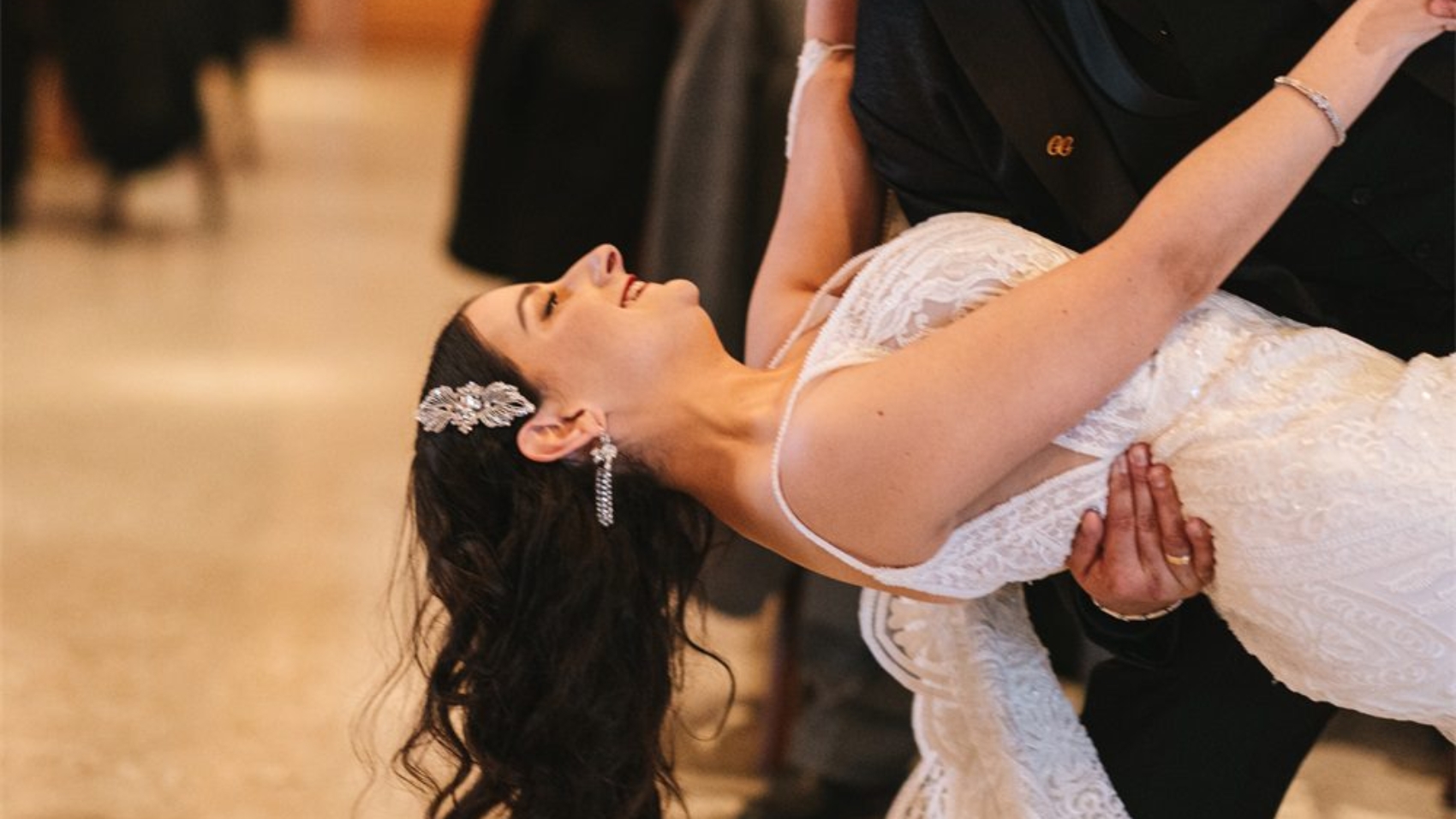
wedding photography melbourne

The rest interval arrangement for newlyweds in Melbourne wedding photography

Melbourne Wedding Photography: Structuring Break Intervals for Couples
Capturing a full day of wedding photography in Melbourne demands physical stamina and emotional energy. Thoughtfully planning rest intervals ensures couples stay refreshed, natural, and radiant throughout their shoot.
wedding photography melbourne

Balancing Photography Sessions with Downtime

A well-paced schedule prevents exhaustion while maintaining creative momentum.

  • Morning to Midday Breaks: After 2–3 hours of shooting, take a 30–45 minute break. Use this time to hydrate, snack, or change outfits. For example, a couple photographing at Brighton Beach could pause for coffee and pastries at a nearby café before moving to Elwood Canal.
  • Lunchtime Recovery: Schedule a 1-hour lunch break midway through the day. Opt for light, energizing meals (e.g., salads, sandwiches) to avoid post-meal sluggishness. If shooting outdoors, prioritize shaded seating areas to stay cool.
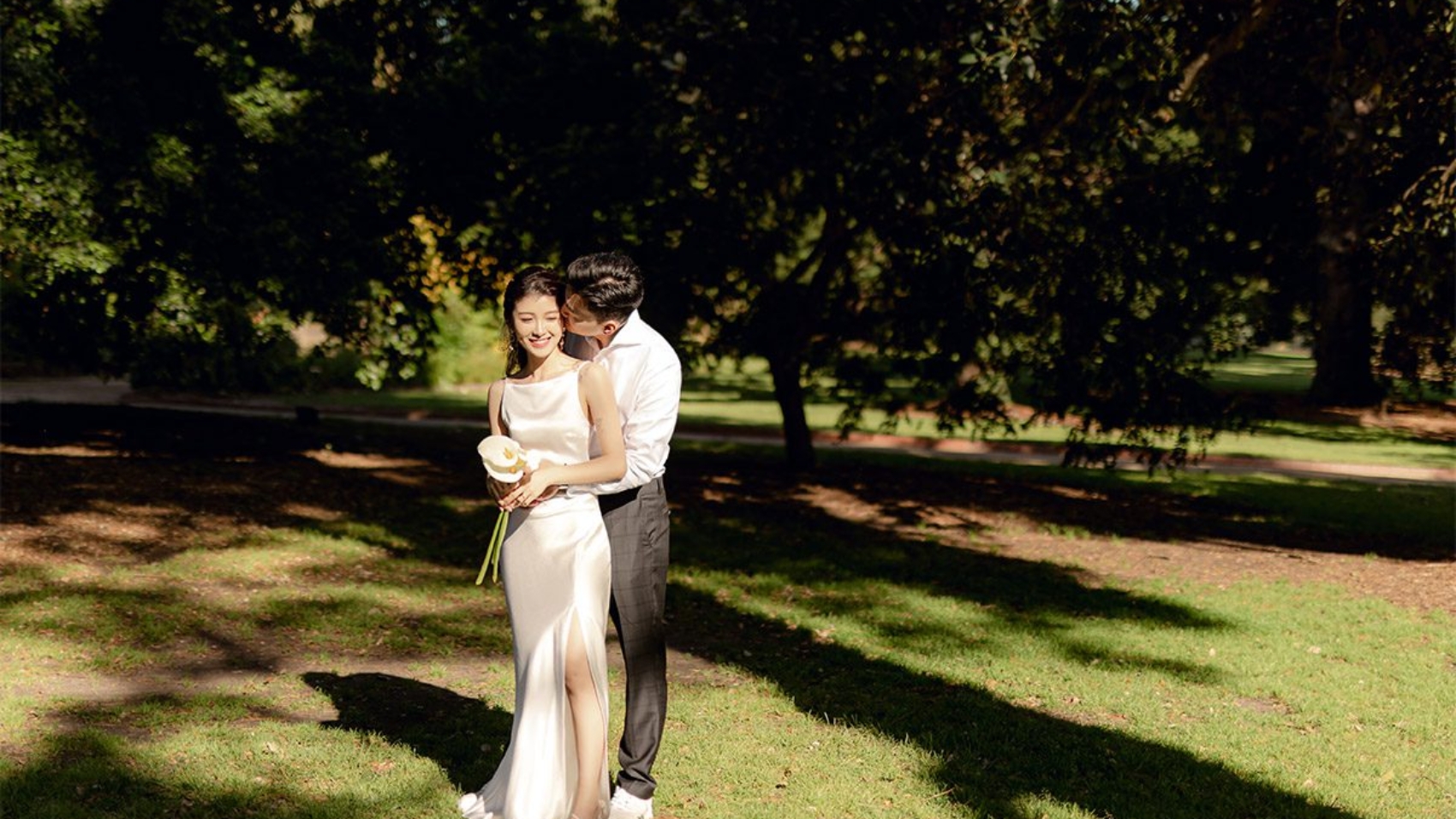
  • Afternoon Refreshers: Late in the day, incorporate shorter 15–20 minute pauses. These breaks help reset focus, especially during golden hour when lighting changes rapidly. A couple at the Royal Botanic Gardens might pause under a tree to adjust hair or apply sunscreen.

Example: A 2024 couple split their 8-hour shoot into three segments: morning (3 hours), lunch (1 hour), and afternoon (4 hours), with two 20-minute breaks. This structure kept them engaged without feeling rushed.

Tailoring Breaks to Melbourne’s Weather and Locations

Melbourne’s climate and geography influence how and where couples rest.

  • Hot Summer Days: On sweltering days, prioritize air-conditioned venues for breaks. A couple shooting at St. Kilda could retreat to a nearby art gallery or indoor market to cool down. Keep ice packs or portable fans on hand.
  • Cool or Rainy Conditions: During colder months, use heated indoor spaces for warmth. A winter couple photographing in Fitzroy might pause at a cozy bookstore or café with hot drinks. For rainy shoots, identify covered walkways or verandas.
  • Remote Locations: If shooting in areas like the Dandenong Ranges, pack a portable chair or blanket for impromptu breaks. Inform your photographer in advance about nearby rest stops, such as picnic areas or visitor centers.

Case Study: A 2025 autumn couple shooting in the Yarra Valley carried a thermos of tea and blankets for outdoor breaks, ensuring comfort despite chilly winds.

Incorporating Flexibility for Spontaneity

Rigid schedules can stifle creativity. Build buffer time to embrace unexpected moments.

  • Unplanned Delays: Leave 10–15 minutes between locations to account for traffic, outfit changes, or impromptu photo ops. A couple driving from Melbourne CBD to Williamstown might pause at a scenic overlook if the lighting is perfect.
  • Emotional Check-Ins: Use breaks to reconnect as a couple. A 5-minute walk hand-in-hand or a quiet moment away from the camera can reignite intimacy. One photographer shared how a brief pause helped a nervous bride relax before her solo shots.
  • Photographer Collaboration: Discuss break timing with your photographer beforehand. Some may prefer shorter, frequent pauses to maintain energy, while others recommend longer intervals for outfit changes.

Pro Tip: Set a silent alarm on your phone to remind you of upcoming breaks, especially during busy segments like group photos or ceremony rehearsals.

Prioritizing Comfort Without Sacrificing Style

Rest intervals should enhance the experience, not disrupt it.

  • Wardrobe Adjustments: Use breaks to layer or remove clothing. A bride might shed a heavy jacket during outdoor shots and retrieve it for chilly walks. Carry bobby pins, safety clips, or extra shoes for quick fixes.
  • Hydration and Snacks: Pack reusable water bottles and non-messy snacks (e.g., nuts, fruit). Avoid sugary treats that might cause energy crashes. For multi-location shoots, store snacks in a small cooler bag.
  • Mental Reset: Encourage couples to step away from the camera during breaks. A 2023 couple played a quick card game or listened to music together to stay present and joyful.

Example: A groom carried a compact mirror and lip balm for his partner, ensuring she felt confident during every segment of their shoot.

By integrating intentional rest intervals, adapting to Melbourne’s environment, and prioritizing comfort, couples can sustain their energy and enthusiasm throughout their wedding photography journey.
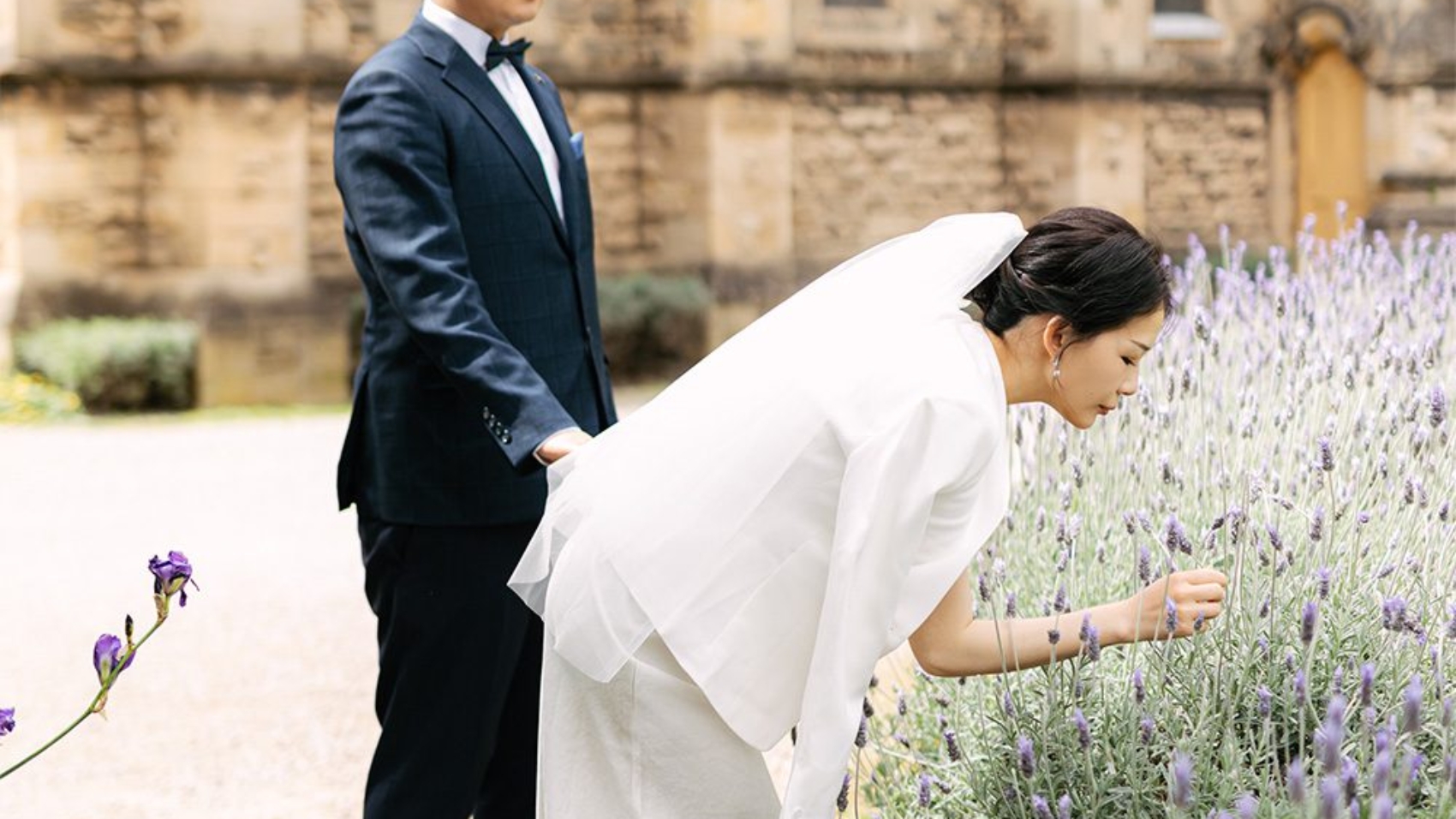
wedding photography melbourne

The pre-wedding trial shoot schedule for wedding photography in Melbourne

Melbourne Pre-Wedding Photoshoot Timing Guide: Planning for Success
A pre-wedding photoshoot in Melbourne offers couples a chance to refine their poses, test lighting conditions, and build confidence before the big day. However, coordinating schedules, weather, and locations requires careful planning to ensure a smooth experience.

wedding photography melbourne

Choosing the Right Time of Day for Optimal Lighting

Melbourne’s variable weather and daylight hours demand strategic timing to capture natural, flattering light.

  • Morning Sessions (9:00 AM–11:00 AM): Early light is soft and golden, ideal for outdoor portraits in parks or gardens. This window avoids harsh midday shadows and provides ample time for multiple location changes.
  • Late Afternoon to Early Evening (3:00 PM–5:00 PM): For couples preferring a romantic glow, late afternoon offers warmer tones. Golden hour in Melbourne peaks around 5:30 PM in summer and 4:00 PM in winter, so adjust accordingly based on the season.
  • Avoiding Midday (12:00 PM–2:00 PM): Direct sunlight can create unflattering contrasts, especially in open areas like beaches. If midday is unavoidable, seek shaded spots under trees or archways to diffuse light.

Example: A 2024 couple scheduled their St. Kilda Beach trial shoot at 10:00 AM to leverage morning light, later moving to a nearby café for indoor shots as the sun intensified.

Seasonal Considerations for Melbourne’s Climate

Melbourne’s four distinct seasons influence everything from wardrobe choices to location accessibility.

  • Spring (September–November): Mild temperatures and blooming flora make parks like the Royal Botanic Gardens ideal. However, spring rain showers require flexible scheduling and backup indoor venues.
  • Summer (December–February): Longer daylight hours allow for extended sessions, but heatwaves demand hydration breaks and early/late timing to avoid peak temperatures.
  • Autumn (March–May): Cooler weather and golden foliage in Fitzroy Gardens create a picturesque backdrop. Autumn’s reliable weather makes it a popular choice for trial shoots.
  • Winter (June–August): Short days and chilly temperatures call for efficient planning. Prioritize indoor-outdoor hybrid sessions, starting with outdoor shots at midday and transitioning to heated venues by afternoon.

Case Study: A 2025 winter trial shoot combined a 1-hour outdoor session at Carlton Gardens (noon) with a 2-hour indoor shoot at a vintage-themed studio to maximize daylight and comfort.

Logistical Coordination for a Stress-Free Experience

Effective communication and preparation prevent last-minute hiccups during your trial photoshoot.

  • Photographer Collaboration: Share your vision and concerns with your photographer beforehand. Discuss preferred poses, location ideas, and contingency plans for bad weather.
  • Wardrobe Preparation: Pack outfits that align with your chosen locations (e.g., flowy dresses for beaches, formal attire for urban settings). Bring layers for winter shoots and breathable fabrics for summer.
  • Transportation and Timing: Factor in travel time between locations, especially during peak traffic hours. Allow 15–20 minutes of buffer time for hair/makeup touch-ups or unexpected delays.

Pro Tip: Conduct a virtual walkthrough with your photographer via video call to scout locations and identify photo-worthy spots in advance. This saves time on the shoot day.

Maximizing the Value of Your Trial Session

A pre-wedding trial is more than just practice—it’s an opportunity to refine your style and build rapport with your photographer.

  • Experiment with Poses: Use the trial to test candid moments, romantic embraces, and playful interactions. Note which poses feel natural and which need adjustment.
  • Test Lighting and Angles: If planning an outdoor wedding, replicate the lighting conditions of your venue (e.g., sunset direction, shade patterns) to ensure consistency.
  • Gather Feedback: After the shoot, review the images with your photographer to discuss what worked and what could improve. Use this feedback to adjust your wedding day timeline or shot list.

Example: A 2023 couple used their trial shoot to realize they preferred candid laughter over posed smiles, leading their photographer to focus on spontaneous moments during the wedding.

By aligning your trial photoshoot with Melbourne’s seasonal rhythms, communicating openly with your team, and treating the session as a collaborative experiment, you’ll gain the confidence and clarity needed to create unforgettable wedding memories.

IMG_0134

The rescheduling schedule for wedding photography in Melbourne due to rainy days

Rainy Day Rescheduling Strategies for Melbourne Wedding Photography
Melbourne’s unpredictable winter weather, characterized by frequent rain and overcast skies, can disrupt outdoor wedding photography plans. However, with strategic adjustments and creative solutions, couples can still achieve stunning results without compromising their timeline.

wedding photography melbourne

Assessing Rain Intensity and Adjusting Plans

The first step in managing rainy-day photography is evaluating the severity of the weather.

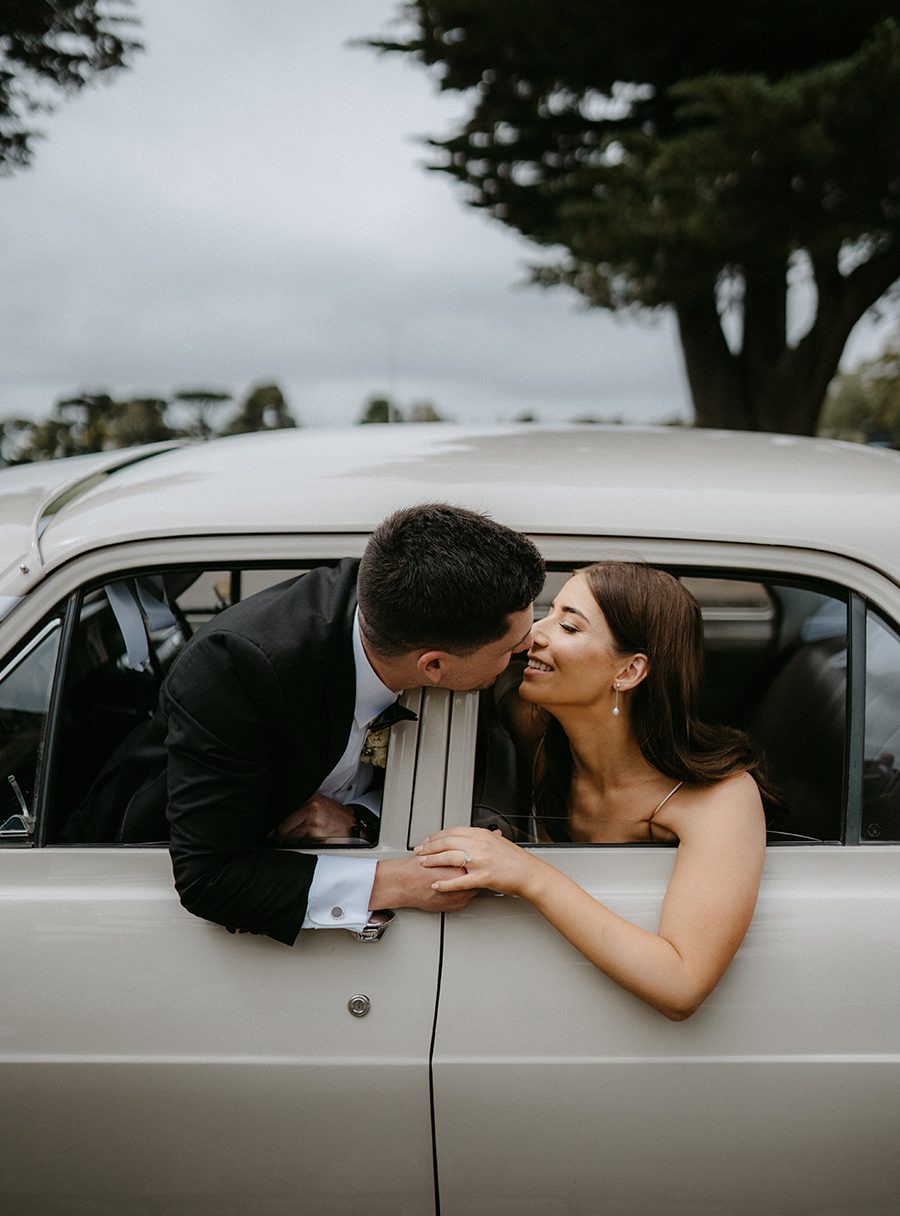
  • Light Drizzle: If rain is minimal, consider embracing the atmosphere by shooting rain-themed portraits. Use transparent umbrellas, reflective puddles, or soft lighting to create moody, romantic images. Ensure your photographer has waterproof gear and lenses to protect equipment.
  • Heavy Rain: For persistent downpours, prioritize indoor venues like historic libraries, art galleries, or cozy cafés. These locations offer controlled lighting and shelter while maintaining a warm, intimate ambiance.
  • Intermittent Rain: If rain is expected to pause, schedule outdoor shots during dry intervals. Work with your photographer to identify nearby covered spots (e.g., arcades, verandas) for quick transitions.

Example: A 2024 Melbourne couple shifted their Royal Botanic Gardens shoot to a nearby indoor studio during heavy rain, later capturing sunset portraits in the dry hours of the evening.

Communicating with Vendors for Flexible Scheduling

Open dialogue with your photography team and venue providers is critical to minimizing disruptions.

  • Photographer Policies: Inquire about rescheduling fees and availability. Many studios offer complimentary date changes for weather-related delays, especially during winter.
  • Venue Backup Plans: Confirm whether your outdoor location has indoor alternatives or nearby shelters. For instance, St. Kilda Beach can transition to a nearby pier or café if rain intensifies.
  • Timeline Adjustments: If rescheduling is unavoidable, aim for a date within 1–2 weeks of the original shoot to maintain continuity in styling and mood. Avoid peak wedding seasons (October–November) to secure faster availability.

Case Study: A 2025 winter wedding postponed their outdoor ceremony by three days due to storm warnings, working with their photographer to replicate the original lighting and composition in a new setting.

Essential Rainy-Day Photography Gear and Preparation

Equipping yourself with the right tools can transform a rainy shoot into a creative opportunity.

  • Waterproof Accessories: Pack clear umbrellas, rain boots, and microfiber cloths for equipment. Avoid bulky raincoats that may restrict movement or appear in shots.
  • Lighting Solutions: If shooting indoors, bring portable LED panels or softboxes to counteract dim natural light. For outdoor night scenes, use string lights or fairy lights to add warmth.
  • Wardrobe Adjustments: Opt for shorter hemlines or water-resistant fabrics to avoid mud stains. Brides might choose stiletto heels with grip soles, while grooms can layer lightweight jackets over suits.

Pro Tip: Test your gear in advance by simulating rainy conditions (e.g., using a hose outdoors) to troubleshoot issues like lens fogging or umbrella stability.

Creative Alternatives to Outdoor Shoots

Rainy weather can inspire unique photographic styles that stand out from traditional sunlit portraits.

  • Moody Urban Scenes: Capture reflections in wet city streets or foggy laneways. Melbourne’s Hosier Lane or Degraves Street offers vibrant backdrops even in gloomy weather.
  • Indoor Storytelling: Focus on intimate details like hands, rings, or shared laughter in a cozy setting. Use props like vintage books, tea sets, or candles to enhance the narrative.
  • Post-Rain Opportunities: If rain clears, head outdoors for golden-hour shots with glistening foliage or puddles. The soft light after a storm creates a natural, flattering glow.

Example: A 2023 couple incorporated raindrops on their wedding attire into close-up shots, using the wet textures to add depth and emotion to their album.

By staying adaptable, communicating proactively, and embracing rain as a creative catalyst, couples can ensure their Melbourne winter wedding photography remains memorable—regardless of the forecast.