81909-Wu-1738

The schedule for taking sunset wedding photos at Melbourne Beach

Melbourne Beach Sunset Wedding Photography: Timing Guide for Golden Hour Magic

Melbourne’s coastal stretches offer dramatic backdrops for sunset wedding photography, with shifting tides, soft light, and moody skies. Capturing these moments requires precision timing, awareness of seasonal light patterns, and adaptability to coastal weather. This guide breaks down the essentials for planning a flawless beach sunset shoot.

wedding photography melbourne

Understanding Melbourne’s Sunset Timeline

Melbourne’s latitude and seasonal tilt dictate how quickly daylight fades. The “golden hour”—the period shortly after sunrise or before sunset—varies in duration and intensity across seasons.

Seasonal Sunset Variations:

  • Summer (December–February): Sunset occurs between 8:30 PM and 9:00 PM. Golden hour stretches for 45–60 minutes, with warm, golden tones.
  • Autumn (March–May): Sunset shifts to 6:30 PM–7:30 PM. Light softens earlier, offering pastel hues ideal for romantic portraits.
  • Winter (June–August): Sunset falls as early as 5:00 PM. Golden hour is brief (20–30 minutes), but the low sun angle creates long shadows and dramatic contrasts.
  • Spring (September–November): Sunset returns to 7:00 PM–8:00 PM. Light balances warmth and clarity, perfect for vibrant yet natural shots.

Practical Tips:

  • Use apps like Sun Surveyor or The Photographer’s Ephemeris to track sun angles and exact sunset times for your chosen date.
  • Arrive at the beach 90 minutes before sunset to scout locations, set up gear, and account for travel delays.
  • Communicate timing with your photographer in advance. Discuss backup plans if clouds obscure the sun.

Choosing the Right Beach for Sunset Shoots

Melbourne’s beaches vary in accessibility, crowd levels, and landscape features. Selecting a location that aligns with your aesthetic and logistical needs is key.

Popular Coastal Spots:

  • Brighton Beach: Known for its colorful bathing boxes, this spot offers playful frames. Shoot during low tide to include the boxes and wet sand reflections.
  • St Kilda Beach: The pier and promenade provide urban contrasts. Time your shoot to capture the sun dipping behind the city skyline.
  • Mornington Peninsula Beaches (Sorrento, Portsea): These quieter stretches offer rugged cliffs and unobstructed horizons. Ideal for couples seeking seclusion.
  • Half Moon Bay (Black Rock): The historic Fort Black Rock adds texture. Use the fort’s arches or grassy dunes for varied compositions.

Lighting and Composition Considerations:

  • Position subjects with the sun behind them for silhouettes or backlighting. Use reflectors to bounce light onto faces if shooting into the sun.
  • Tides impact accessibility. High tide may shrink the beach, while low tide reveals tidal pools or sandbars for creative framing.
  • Wind direction matters. Onshore breezes can tousle hair or dresses; offshore winds keep hairstyles intact but may chill exposed skin.

Practical Tips:

  • Check tidal charts for your shoot date. Aim for low tide if you want expansive sand or tidal pools.
  • Weekday shoots reduce crowds at popular spots like Brighton Beach.
  • Bring a portable steamer for quick dress touch-ups if sand or wind wrinkles fabric.

Navigating Coastal Weather Challenges

Melbourne’s beaches are notorious for unpredictable weather. Sudden winds, clouds, or rain can disrupt plans, but flexibility turns these obstacles into creative opportunities.

Wind Management:

  • Coastal gusts are strongest in the afternoon. Secure veils, hats, or lightweight dresses with hidden clips or weights.
  • Use wind to your advantage: Capture flowing fabrics, tossed hair, or playful moments like kissing in the breeze.
  • If wind is extreme, pivot to sheltered areas like dunes or behind rocks.

Cloud Cover Strategies:

  • Partial clouds diffuse sunlight, creating soft, even lighting. Use this for flattering portraits without harsh shadows.
  • Overcast skies may dull sunset colors, but they offer moody, dramatic tones. Embrace the atmosphere with darker edits or monochrome frames.
  • If clouds threaten to block the sun entirely, reschedule for a clearer day or focus on indoor segments (e.g., nearby cafes, parks).

Rain and Storm Preparedness:

  • Summer storms roll in quickly. Monitor radar apps and have a backup plan (e.g., nearby pavilion, car).
  • Light rain can add romance. Use transparent umbrellas or embrace the drizzle for candid, intimate shots.
  • Protect gear with waterproof covers. Keep towels handy to dry lenses or equipment between shots.

Practical Tips:

  • Dress in layers. Even in summer, coastal breezes can feel chilly after sunset.
  • Pack non-slip shoes for wet sand or rocky shorelines.
  • Communicate weather contingencies with your photographer. Agree on a threshold (e.g., heavy rain, strong winds) to postpone or reschedule.

By aligning your shoot with Melbourne’s sunset rhythms, coastal tides, and weather patterns, you’ll transform fleeting moments into timeless art. Whether chasing the summer’s late glow or winter’s crisp twilight, preparation and adaptability ensure your beach sunset photos shine.
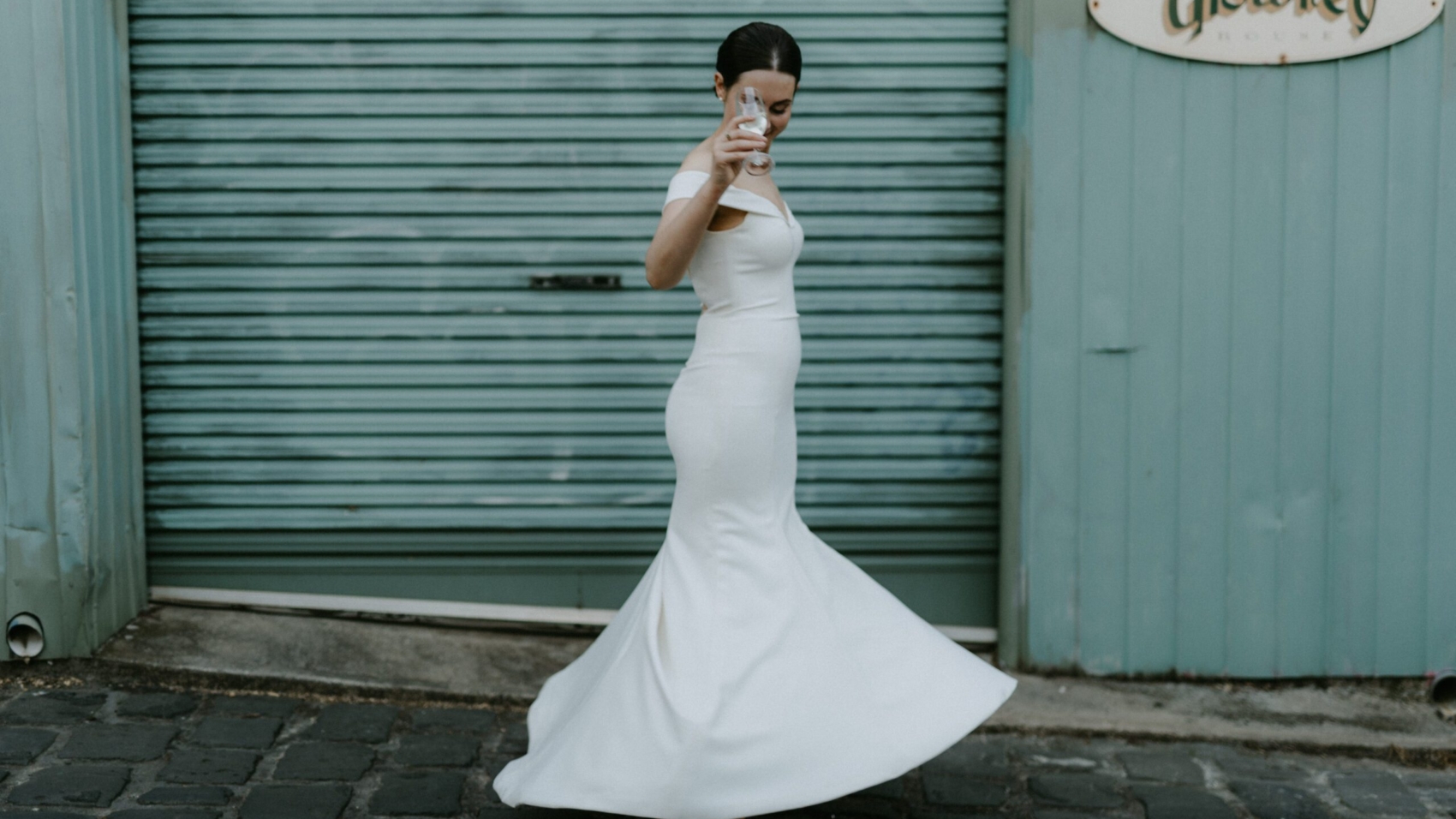
81909-Wu-1752

The best season and time arrangement for wedding photography in Melbourne

Melbourne Wedding Photography: Seasonal Guide for Stunning Portraits

Melbourne’s reverse seasons and diverse landscapes offer unique opportunities for wedding photography year-round. From golden-hour beaches to misty autumn forests, understanding seasonal nuances helps couples align their vision with the city’s natural rhythms. This guide breaks down the best times to shoot, highlighting climate patterns, lighting conditions, and practical considerations for each season.

wedding photography melbourne

Spring (September–November): Blossoms and Soft Light

Spring transforms Melbourne into a pastel paradise, with cherry blossoms, tulips, and wisteria dominating parks and gardens. This season suits couples seeking romantic, nature-driven imagery.

Floral Hotspots:

  • The Royal Botanic Gardens bursts with color in mid-October, offering frames of pink and white blooms. Arrive early to avoid crowds.
  • Carlton Gardens’梧桐 (Chinese parasol trees) turn vibrant yellow, creating golden canopies for overhead shots.
  • University of Melbourne’s campus mixes historic architecture with spring blossoms, though some areas may be under construction.

Lighting and Weather:

  • Days are mild (15–25°C), with overcast skies providing diffused, flattering light. Golden hour lasts longer, stretching from 5 PM to 7 PM.
  • Rain is frequent but brief. Pack transparent umbrellas for creative rainy-day shots or reschedule indoor segments if needed.

Practical Tips:

  • Book garden venues early, as spring is peak season for local weddings.
  • Pollen allergies? Opt for manicured areas like Fitzroy Gardens instead of wildflower fields.
  • Layer clothing for fluctuating temperatures. Morning shoots may require shawls, while afternoon sun calls for breathable fabrics.

Autumn (March–May): Warm Tones and Crisp Air

Autumn paints Melbourne in amber, crimson, and gold, offering a cinematic palette for timeless photography. This season is ideal for couples craving rich colors and cooler temperatures.

Foliage Favorites:

  • Victoria Barracks’枫叶 (maple trees) turn fiery red, contrasting with colonial architecture. The grounds are less crowded than central parks.
  • Brighton Beach’s bathing boxes gain a rustic charm when surrounded by fallen leaves. Shoot during low tide for unobstructed views.
  • Dandenong Ranges’ forests offer dense canopies of orange and yellow, perfect for moody, forest-themed portraits.

Lighting and Weather:

  • Days are mild (15–22°C), with golden-hour light lasting until 6 PM. Overcast skies soften shadows, ideal for close-ups.
  • Evenings cool rapidly. Bring wraps or blazers for twilight shots near waterfronts like St Kilda Pier.

Practical Tips:

  • Autumn winds can disrupt lightweight veils. Secure hairstyles with texturizing spray and bobby pins.
  • Leaf litter on paths may cause slipping. Wear sturdy shoes and clear debris before posing.
  • Weekday shoots minimize crowds at popular spots like Brighton Beach.

Summer (December–February): Sun-Drenched Energy and Coastal Vibes

Summer’s long days and azure skies suit couples seeking vibrant, lively imagery. This season excels for beach and outdoor city shoots.

Beach and Waterfront Scenes:

  • Mornington Peninsula’s vineyards display burnt-orange vines, perfect for rustic-themed shoots. Pair with a bottle of local sparkling wine for props.
  • Port Phillip Bay’s calm waters allow for underwater or floating-dress shots. Hire a local guide for safety.
  • Yarra River’s reflections create mirror-like effects during sunset. Use polarizing filters to reduce glare.

Lighting and Weather:

  • Sunlight is intense. Schedule indoor segments (e.g., cafes, galleries) for midday, saving golden hour for outdoor shots.
  • Temperatures often exceed 30°C. Stay hydrated and apply SPF 50+ every two hours.

Practical Tips:

  • Summer storms roll in quickly. Monitor weather apps and have a backup indoor venue (e.g., Royal Exhibition Building).
  • For beach shoots, avoid high tide times. Check tidal charts to maximize shoreline space.
  • Lightweight fabrics (chiffon, organza) prevent overheating. Opt for breathable undergarments to avoid sweat marks.

Winter (June–August): Intimate Warmth and Urban Elegance

Winter’s cool tones and cozy vibes cater to couples seeking intimate, story-driven photography. This season excels for indoor and architectural shoots.

Indoor and Urban Gems:

  • Hosier Lane’s graffiti walls provide bold backdrops for edgy, modern portraits. Shoot in the morning to avoid crowds.
  • State Library of Victoria’s domed reading room offers grandeur for formal shots. Book permits in advance.
  • Coffee shops like Proud Mary serve as warm, aromatic backdrops. Order lattes for prop interaction.

Lighting and Weather:

  • Days are short, with sunset around 5 PM. Start shoots by mid-afternoon to maximize natural light.
  • Temperatures range from 6–14°C. Layer thermals under dresses and suits. Faux-fur stoles add texture without bulk.

Practical Tips:

  • Winter rain is frequent. Use clear vinyl raincoats over dresses to stay dry while photographing.
  • For snow-themed shoots, travel to Mount Dandenong’s higher elevations. Check weather forecasts for rare snowfall.
  • Indoor venues may require additional lighting. Bring portable LED panels for soft, even illumination.

By aligning shoot schedules with Melbourne’s seasonal strengths, couples can leverage the city’s ever-changing landscapes. Whether chasing autumn’s gold or summer’s sparkle, thoughtful planning ensures each frame tells a story as unique as the love it captures.

81909-Wu-1761

The best season and time arrangement for wedding photography in Melbourne

Melbourne Wedding Photography: Seasonal Planning Guide for Optimal Results

Melbourne’s reverse seasons and dynamic climate demand strategic timing for wedding photography. Understanding seasonal nuances ensures couples capture the city’s beauty while maintaining comfort. This guide breaks down the best times to shoot, highlighting natural elements, lighting conditions, and practical considerations.

wedding photography melbourne

Spring (September–November): Romantic Blooms and Golden Light

Melbourne’s spring transforms parks and gardens into vibrant tapestries of color. This season is ideal for couples seeking romantic, nature-driven backdrops.

Floral Abundance:

  • The Royal Botanic Gardens and University of Melbourne campus burst with cherry blossoms, tulips, and wisteria. These blooms create soft, dreamy frames for portraits.
  • Carlton Gardens’ jacaranda trees drop purple petals, adding whimsy to couple shots. Arrive early to avoid crowds during peak bloom (mid-October).

Lighting and Weather:

  • Spring days offer gentle, diffused sunlight, reducing harsh shadows. Overcast skies are common, providing even lighting for skin tones.
  • Temperatures range from 12°C to 22°C. Layer clothing for flexibility during outdoor shoots, as mornings can be chilly.

Practical Tips:

  • Book garden venues early, as spring is popular for engagements and local weddings.
  • If allergies are a concern, avoid high-pollen areas like native bushlands. Opt for manicured gardens instead.
  • Spring showers are frequent. Pack transparent umbrellas for rainy-day creativity, or reschedule indoor segments if needed.

Autumn (March–May): Warm Tones and Crisp Air

Autumn paints Melbourne in amber, crimson, and gold, offering a cinematic palette for timeless photography.

Foliage Hotspots:

  • Victoria Barracks’ maple trees turn fiery red, contrasting with historic architecture. The grounds are less crowded than central parks.
  • Fitzroy Gardens’ oak and elm trees shed golden leaves, creating natural carpets for walking shots.
  • Mornington Peninsula’s vineyards display burnt-orange vines, perfect for rustic-themed shoots.

Lighting and Weather:

  • Autumn sunlight is softer, with golden-hour light lasting longer. Shoot between 3 PM and 6 PM for warm, flattering tones.
  • Daytime temperatures hover around 15°C to 20°C, but evenings cool rapidly. Bring shawls or blazers for twilight portraits.

Practical Tips:

  • Autumn winds can disrupt lightweight veils or dresses. Use hairpins and texturizing spray to secure hairstyles.
  • Leaf litter on paths may cause slipping. Wear sturdy shoes and clear debris before posing.
  • Weekday shoots minimize crowds at popular spots like Brighton Beach’s bathing boxes.

Summer (December–February): Sun-Kissed Energy and Coastal Vibes

Summer’s long days and azure skies suit couples craving vibrant, lively imagery.

Beach and Waterfront Scenes:

  • St Kilda Beach’s sandy shores and pier offer iconic backdrops. Time shoots for early morning to avoid midday glare.
  • Port Phillip Bay’s calm waters allow for underwater or floating-dress shots. Hire a local guide for safety.
  • Yarra River’s reflections create mirror-like effects during sunset. Use polarizing filters to reduce glare.

Lighting and Weather:

  • Summer sunlight is intense. Schedule indoor segments (e.g., cafes, galleries) for midday, saving golden hour for outdoor shots.
  • Temperatures often exceed 30°C. Stay hydrated and apply SPF 50+ every two hours.

Practical Tips:

  • Summer storms roll in quickly. Monitor weather apps and have a backup indoor venue (e.g., Royal Exhibition Building).
  • For beach shoots, avoid high tide times. Check tidal charts to maximize shoreline space.
  • Lightweight fabrics (chiffon, organza) prevent overheating. Opt for breathable undergarments to avoid sweat marks.

Winter (June–August): Intimate Warmth and Urban Elegance

Winter’s cool tones and cozy vibes cater to couples seeking intimate, story-driven photography.

Indoor and Architectural Shoots:

  • Melbourne’s laneways (Hosier Lane, Degraves Street) provide moody, urban settings. Use fairy lights or neon signs for pops of color.
  • State Library of Victoria’s domed reading room offers grandeur for formal portraits. Book permits in advance.
  • Coffee shops like Seven Seeds or Proud Mary serve as warm, aromatic backdrops. Order lattes for prop interaction.

Lighting and Weather:

  • Winter days are short, with sunset around 5 PM. Start shoots by mid-afternoon to maximize natural light.
  • Temperatures range from 6°C to 14°C. Layer thermals under dresses and suits. Faux-fur stoles add texture without bulk.

Practical Tips:

  • Winter rain is frequent. Use clear vinyl raincoats over dresses to stay dry while photographing.
  • For snow-themed shoots, travel to Mount Dandenong’s higher elevations. Check weather forecasts for rare snowfall.
  • Indoor venues may require additional lighting. Bring portable LED panels for soft, even illumination.

By aligning shoot schedules with Melbourne’s seasonal strengths, couples can leverage the city’s ever-changing landscapes. Whether chasing autumn’s gold or summer’s sparkle, thoughtful planning ensures each frame tells a story as unique as the love it captures.